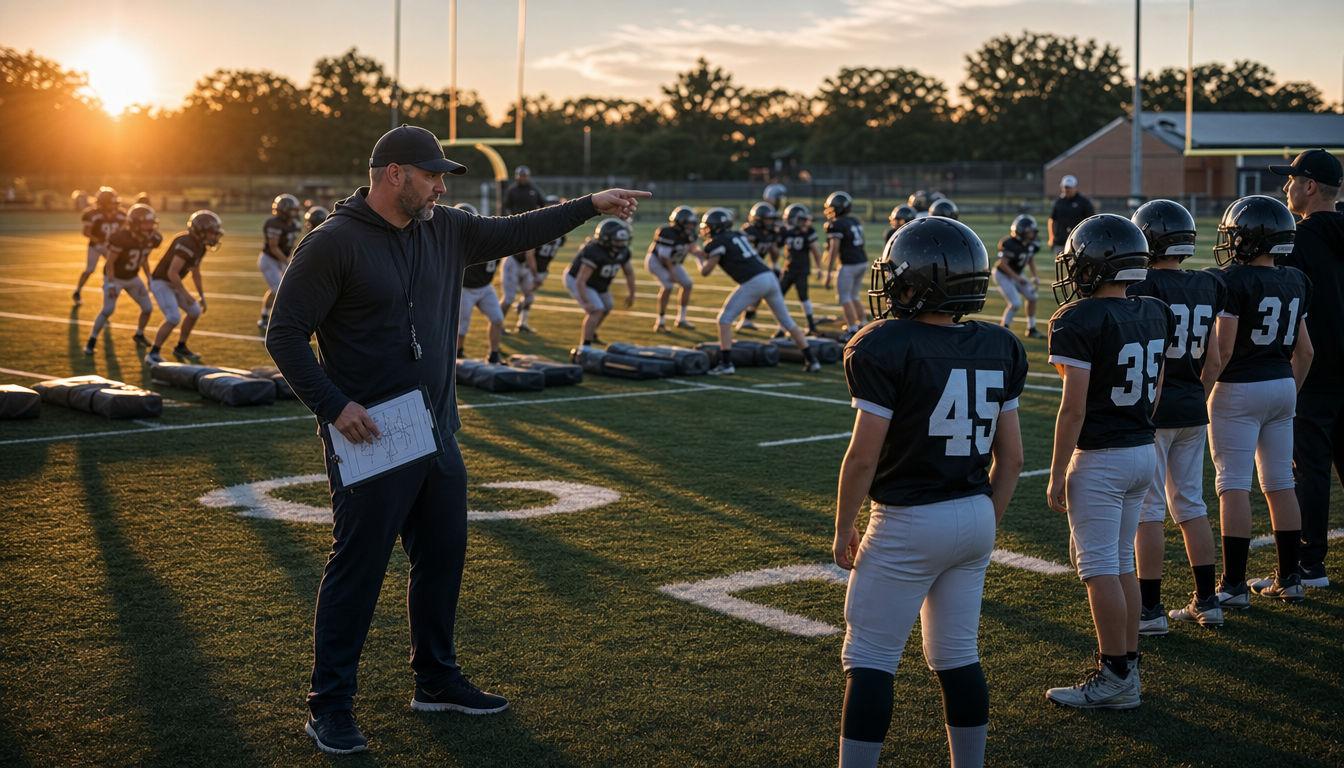
The Perfect First Practice
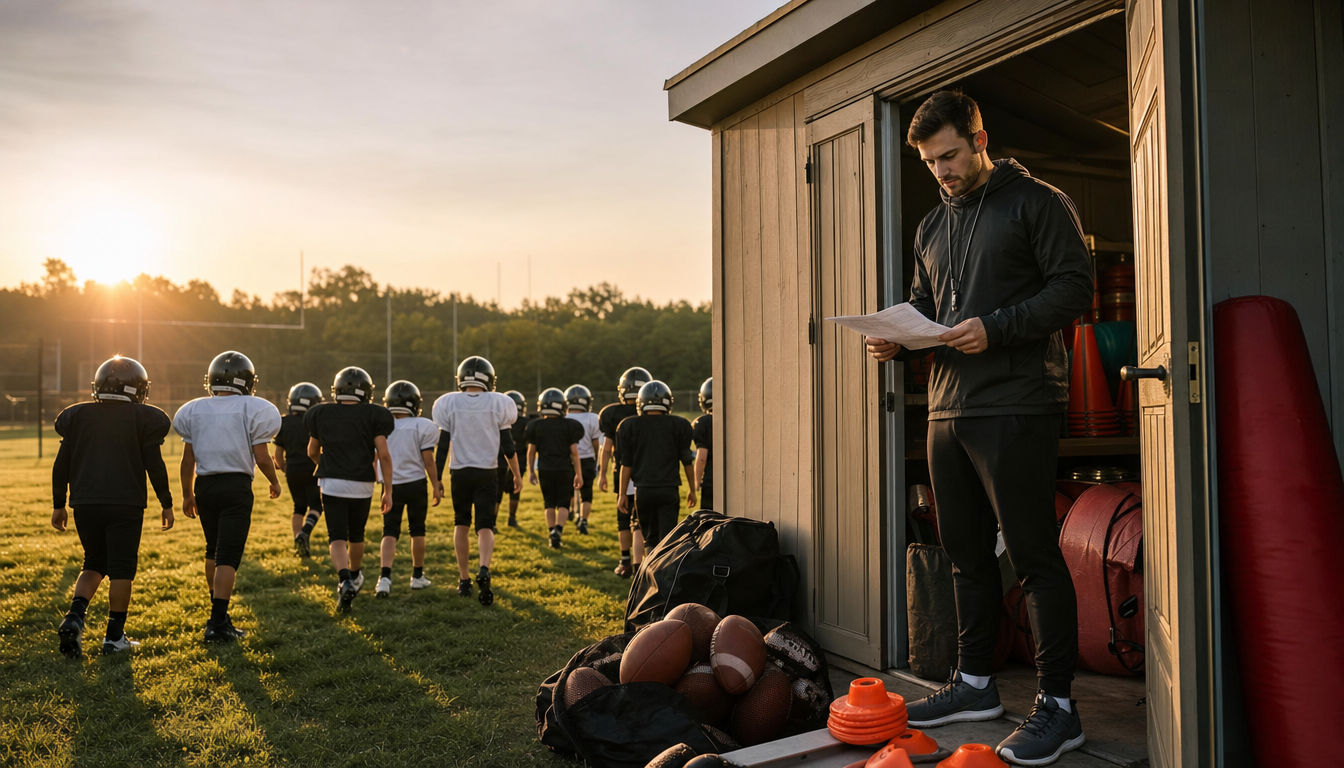
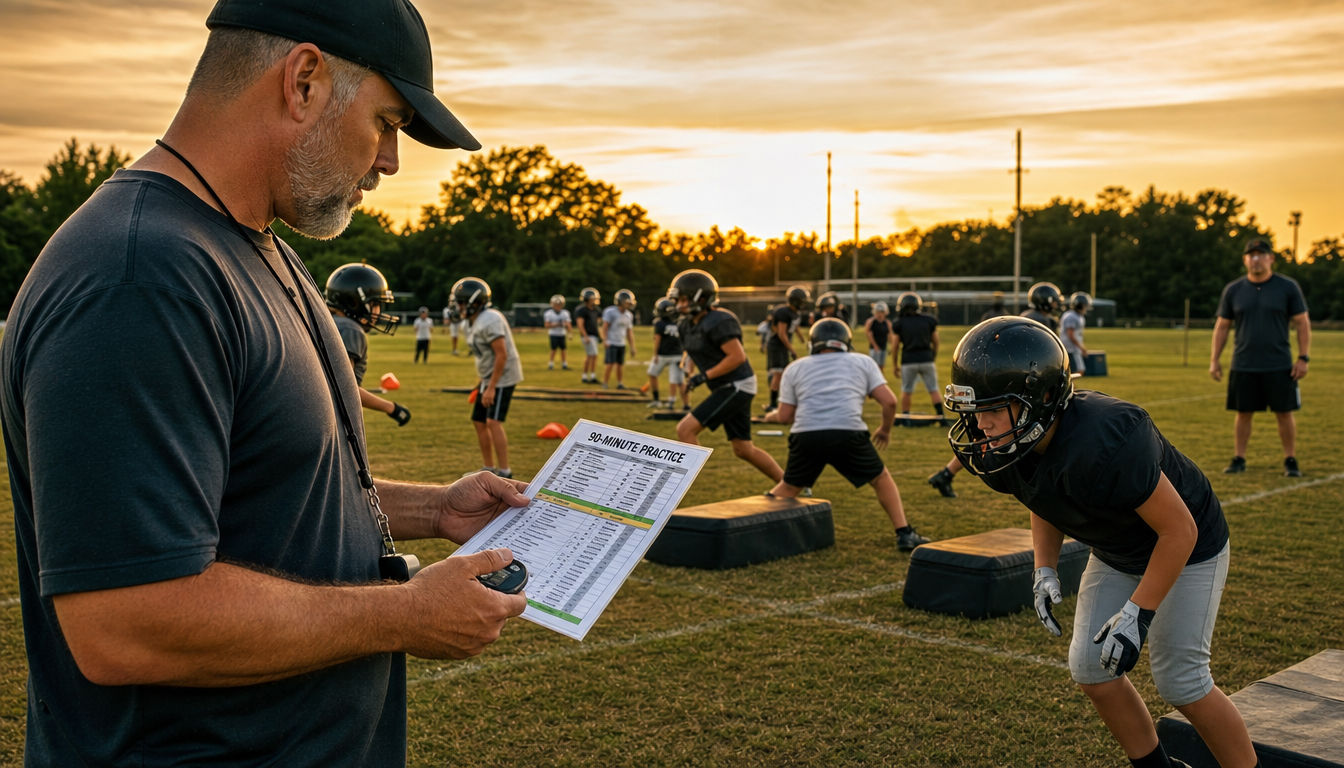
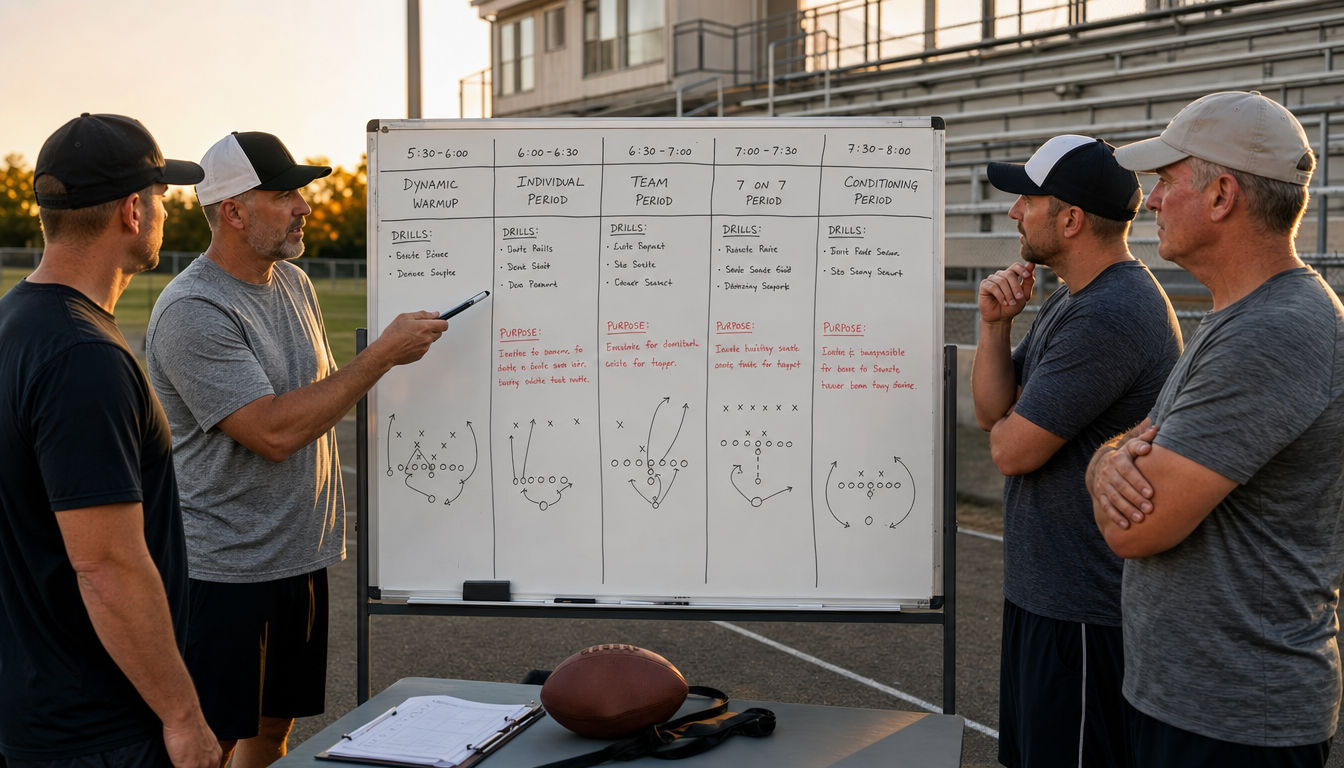
The first practice sets the tone for your entire season. Players are excited, parents are watching, and coaches are eager to get started. It is tempting to jump straight into plays, but the best first practices focus on building relationships, establishing expectations, and teaching the fundamentals that every player will use throughout the season.
If players leave the field excited, organized, and eager to return, your first practice has been a success.
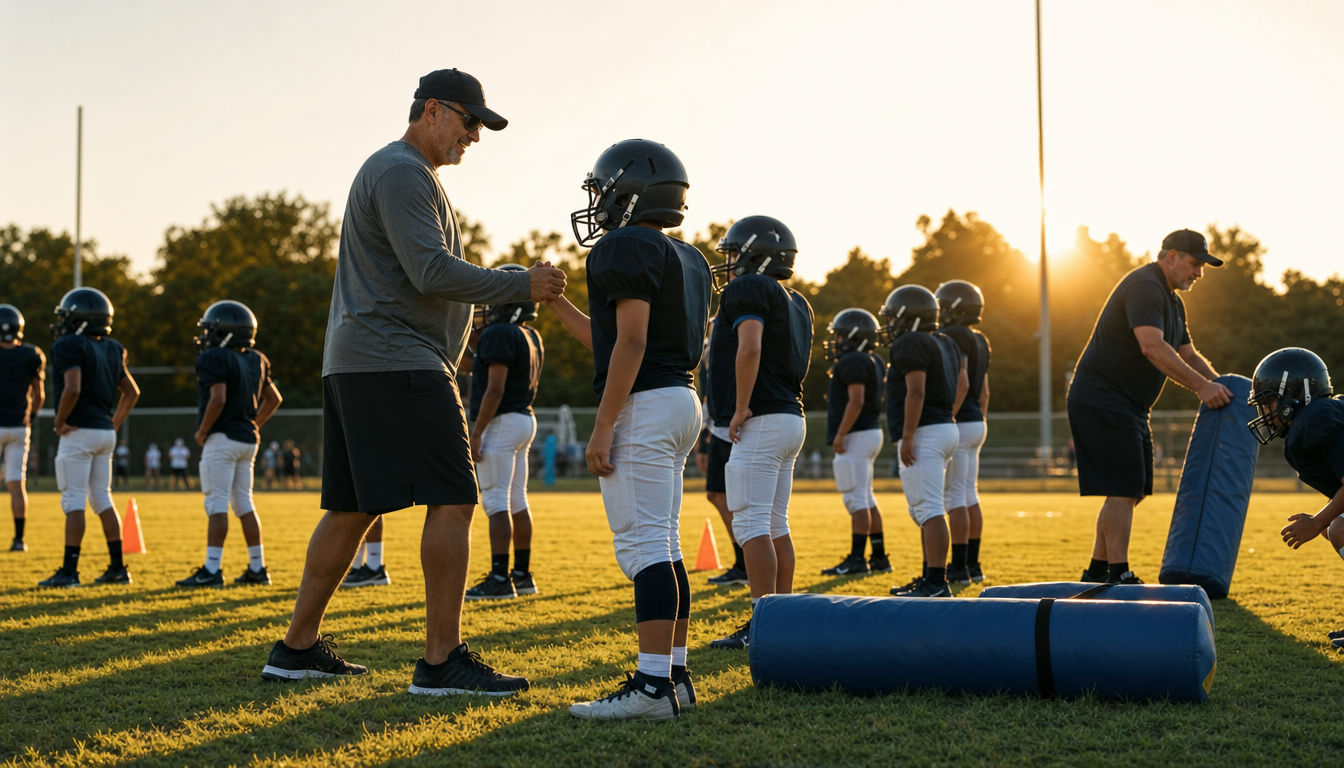
Set the Right Expectations
Gather the team before practice begins.
Introduce the coaching staff, explain how practices will work, and establish a few simple team rules such as:
- Listen when coaches are speaking.
- Respect teammates.
- Give your best effort.
- Have fun while learning.
Keep this conversation brief so players can start moving.
Learn About Your Players
Use the first practice to observe rather than judge.
Watch how players:
- Run.
- Catch.
- Throw.
- Change direction.
- Follow instructions.
- Interact with teammates.
These observations will help you organize drills and identify players who may need additional instruction.
Keep Everyone Moving
Avoid standing in long lines.
Instead:
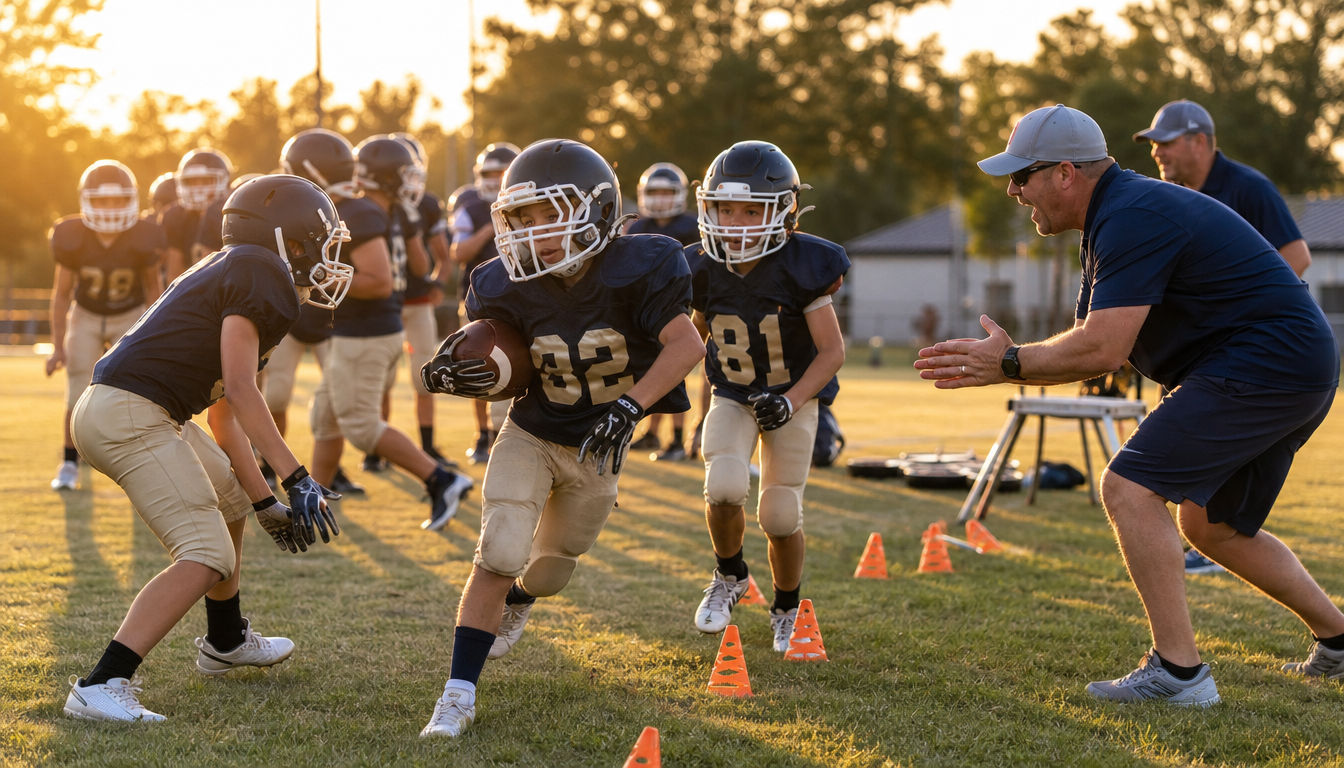
- Divide into small groups.
- Create multiple drill stations.
- Rotate frequently.
- Keep explanations short.
Young athletes learn best by doing.
Teach Fundamentals Before Plays
Resist the urge to install your entire offense.
Instead, introduce:
- Proper football stance.
- Ball security.
- Basic footwork.
- Safe tackling position (without contact if required).
- Proper handoff mechanics.
A strong foundation makes every future practice more productive.
Build Confidence Early
Choose drills that allow players to experience success.
Correct mistakes patiently and recognize effort often.
The confidence built during the first practice often carries into the rest of the season.
End with Enthusiasm
Finish practice by reviewing what the team learned.
Celebrate:
- Great effort.
- Positive attitudes.
- Improvement.
- Teamwork.
Share one or two goals for the next practice so players know what to expect.
Common First Practice Mistakes
Avoid:
- Installing too many plays.
- Long speeches.
- Conditioning as punishment.
- Comparing players.
- Ignoring water breaks.
- Ending practice on a negative note.
Frequently Asked Questions
Should I evaluate players during the first practice?
Yes, but focus on observing athletic ability, effort, and coachability rather than assigning permanent positions.
How much offense and defense should I teach?
Very little. Concentrate on fundamentals and team organization first.
What is the most important outcome?
Players should leave feeling excited, safe, and looking forward to the next practice.
Key Takeaways
- Keep the first practice simple.
- Establish expectations early.
- Focus on fundamentals.
- Observe every player.
- Build confidence through positive coaching.
- End on an encouraging note.
Related Articles
Published by CoachYouths Staff on 07/15/2026
You are NOT currently logged in, you may login or signup for FREE at any time: