Using Motion to Confuse the Defense
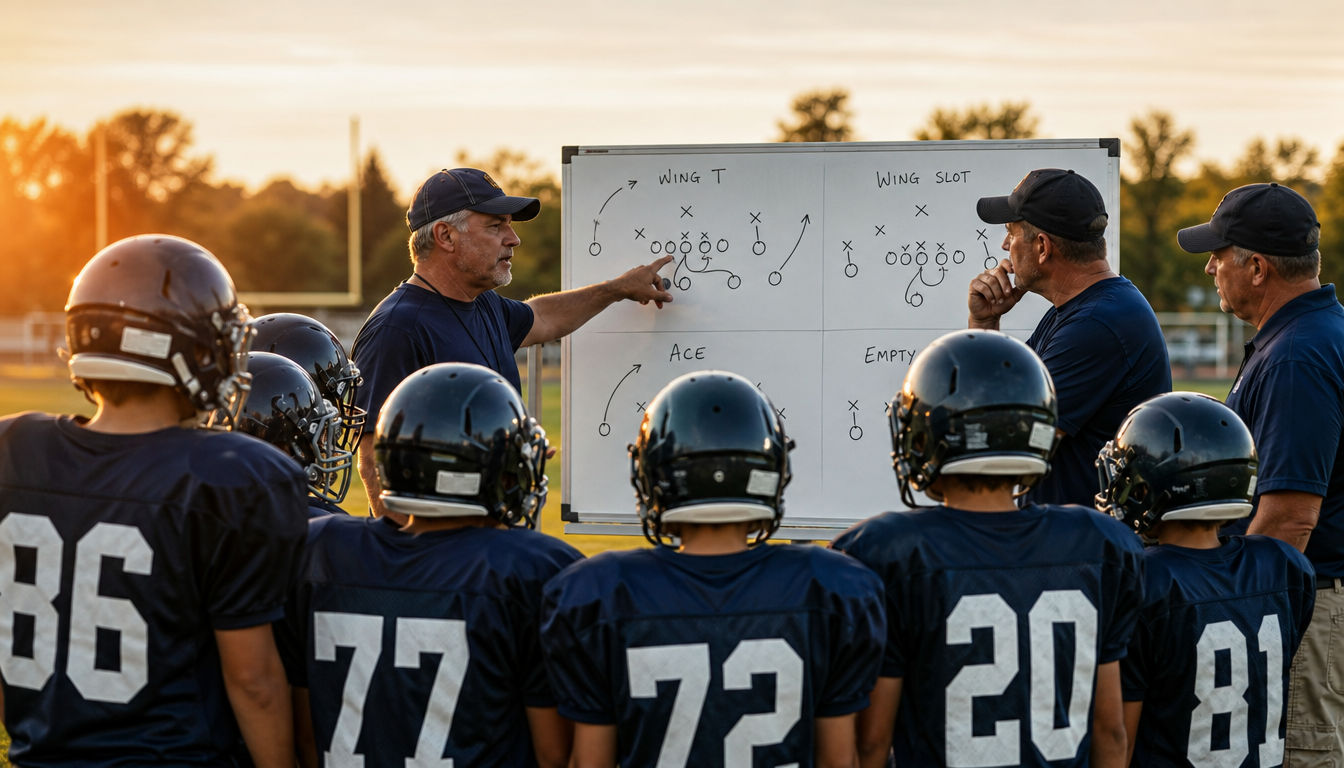
Motion is one of the simplest ways to gain valuable information before the snap while creating better angles for your offense. At the youth level, motion does not need to be complicated. A single player moving with purpose can force defenders to communicate, adjust their alignment, or reveal how they intend to defend the play.
Used correctly, motion creates clarity for your offense and uncertainty for the defense.
What Is Motion?
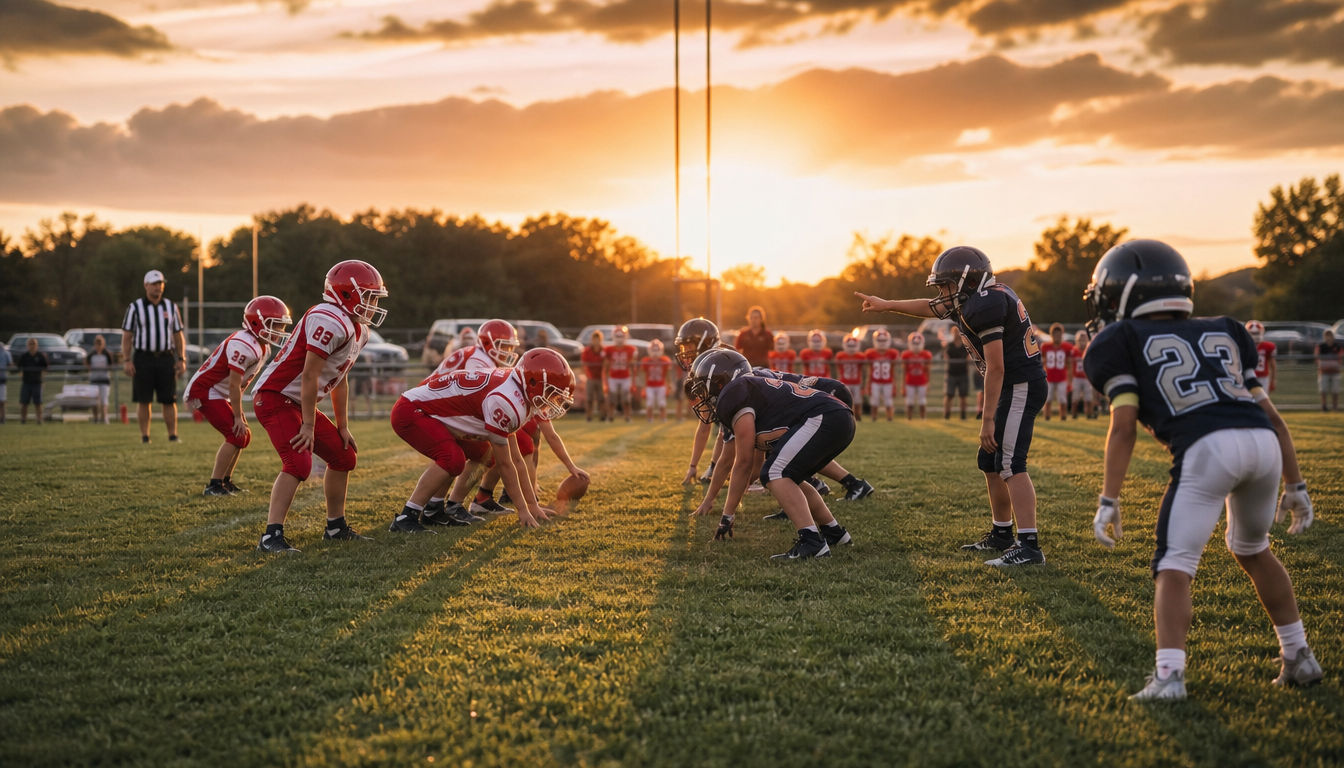
Motion occurs when an offensive player legally changes position before the ball is snapped.
Coaches commonly use motion to:
- Create leverage.
- Change blocking angles.
- Identify defensive coverage.
- Distract defenders.
- Create mismatches.
Every motion should have a purpose.
Keep Motion Simple
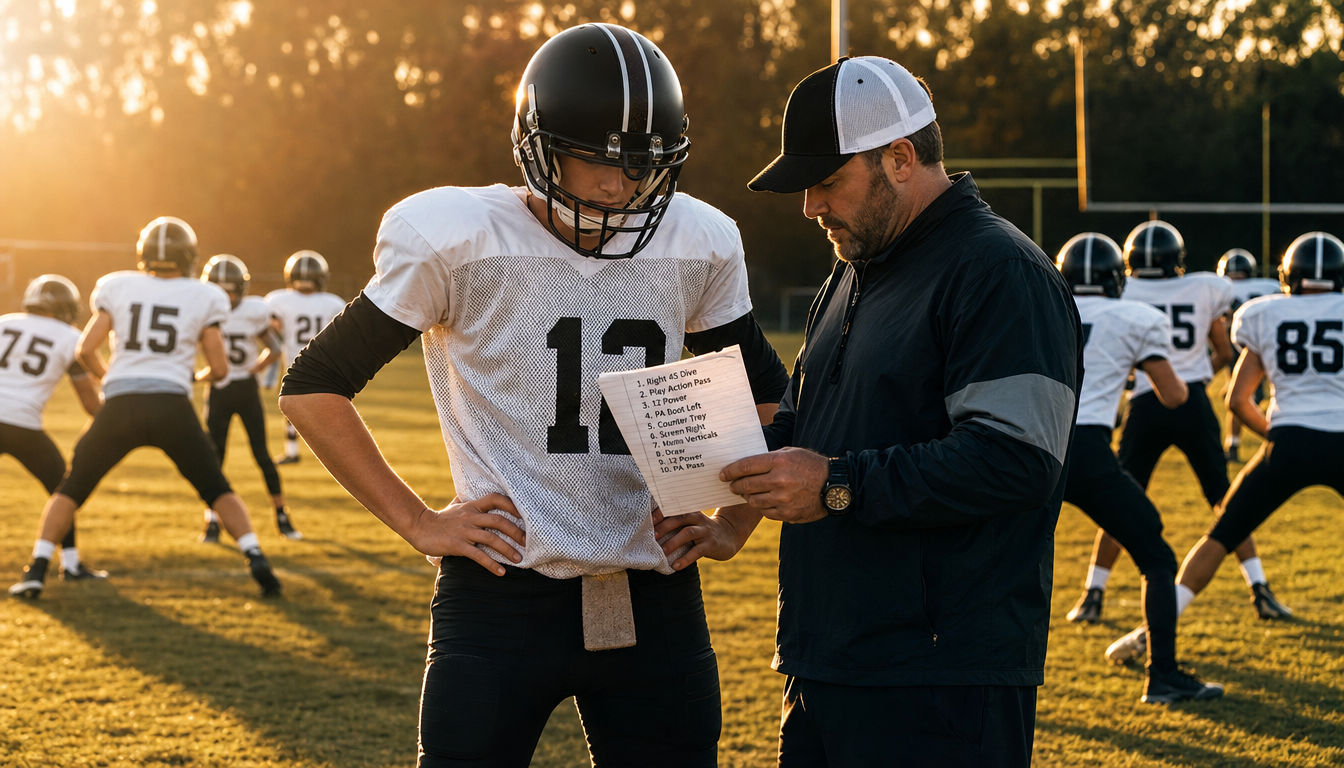
Start with one motion that your players can execute confidently.
For example:
- A wingback moving across the formation.
- A slot receiver shifting toward the formation.
- A running back changing alignment before the snap.
Master one motion before introducing another.
Learn from the Defense
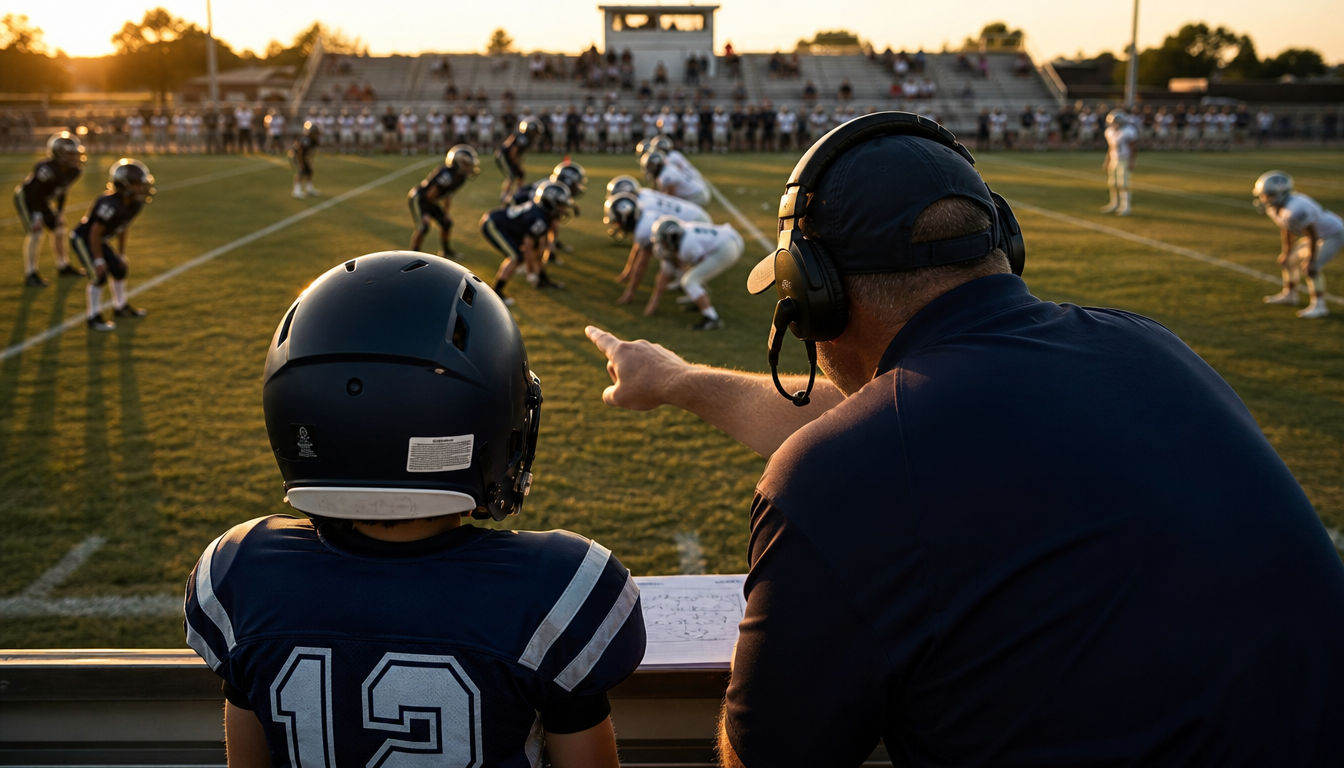
Motion is also a diagnostic tool.
Watch for questions like:
- Does a defender follow the motion?
- Do linebackers shift?
- Does the secondary rotate?
- Does the defense stay in the same alignment?
These reactions help you understand what the defense is trying to do.
Motion Must Match the Play
Avoid adding motion simply because it looks impressive.
Instead, ask:
- Does it improve blocking?
- Does it create confusion?
- Does it help one of our best players?
- Does it support our offensive identity?
If the answer is no, leave it out.
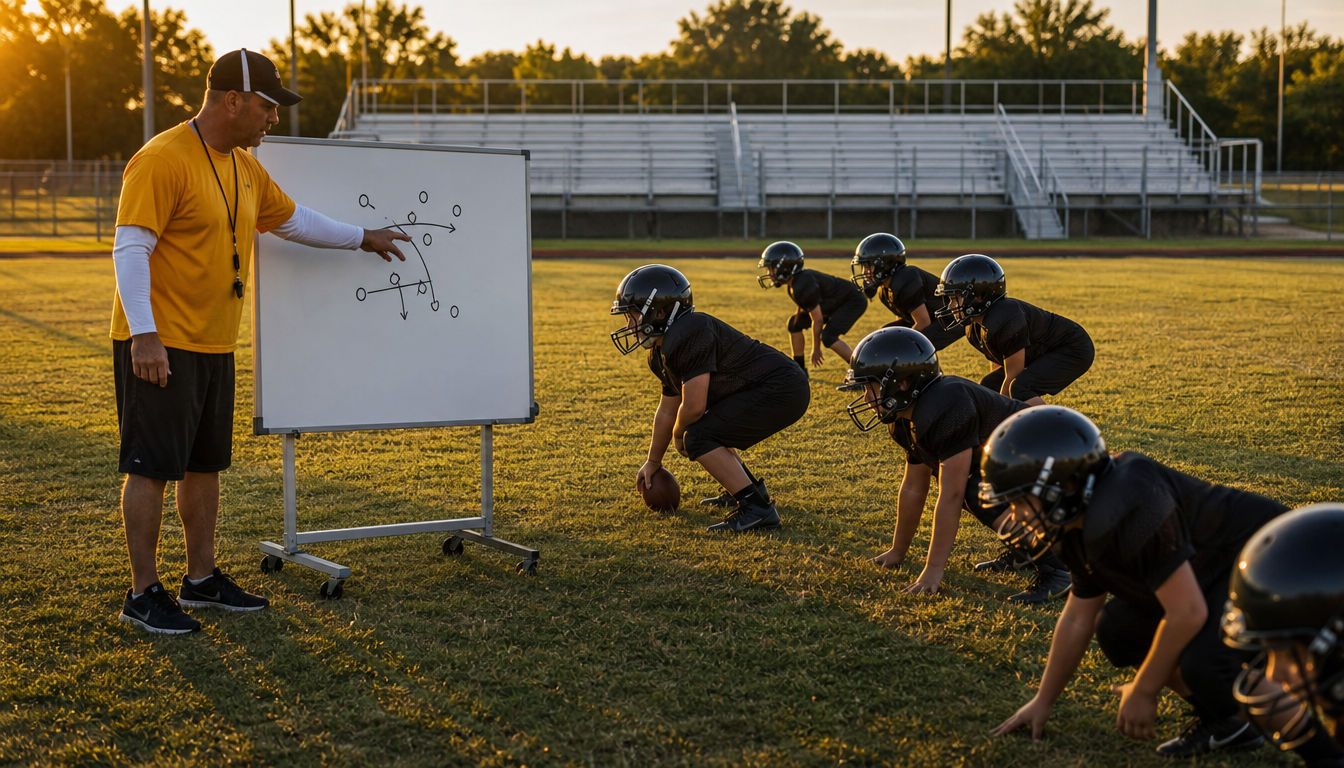
Practice the Timing
Poor timing can turn a good idea into a penalty.
Practice:
- When motion begins.
- Motion speed.
- Snap timing.
- Player spacing.
Players should be comfortable enough that motion feels routine.
Do Not Overuse It
If every play includes motion, defenses quickly adjust.
Use it strategically:
- Early to gather information.
- After establishing a successful run.
- To create a favorable matchup.
- To break a defensive tendency.
Effective motion is intentional, not constant.
Common Mistakes
Avoid:
- Teaching multiple motions at once.
- Snapping the ball before the motion is legal.
- Using motion without a purpose.
- Changing timing every week.
- Letting motion distract your own players.
Frequently Asked Questions
Does every youth team need motion?
No. Many successful teams use very little motion, but even one well-practiced motion can provide meaningful advantages.
What is the biggest benefit of motion?
It often reveals how the defense plans to react before the snap.
Should younger teams use motion?
Yes, but keep it simple and practice it until every player understands the timing.
Key Takeaways
- Use motion with a purpose.
- Start with one simple motion.
- Observe how the defense reacts.
- Practice timing every week.
- Let motion support your offense instead of becoming your offense.
Related Articles
Published by CoachYouths Staff on 07/15/2026
You are NOT currently logged in, you may login or signup for FREE at any time: