How to Read a Youth Football Defense
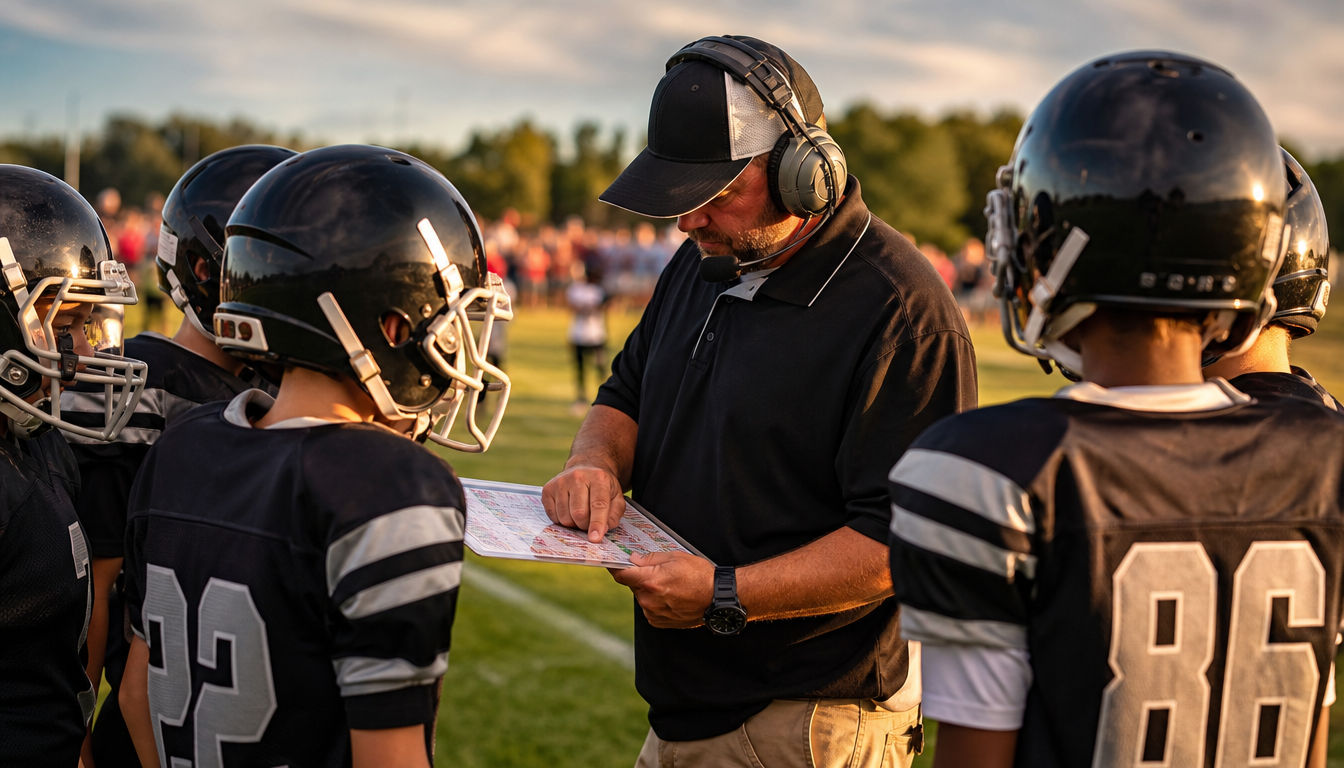
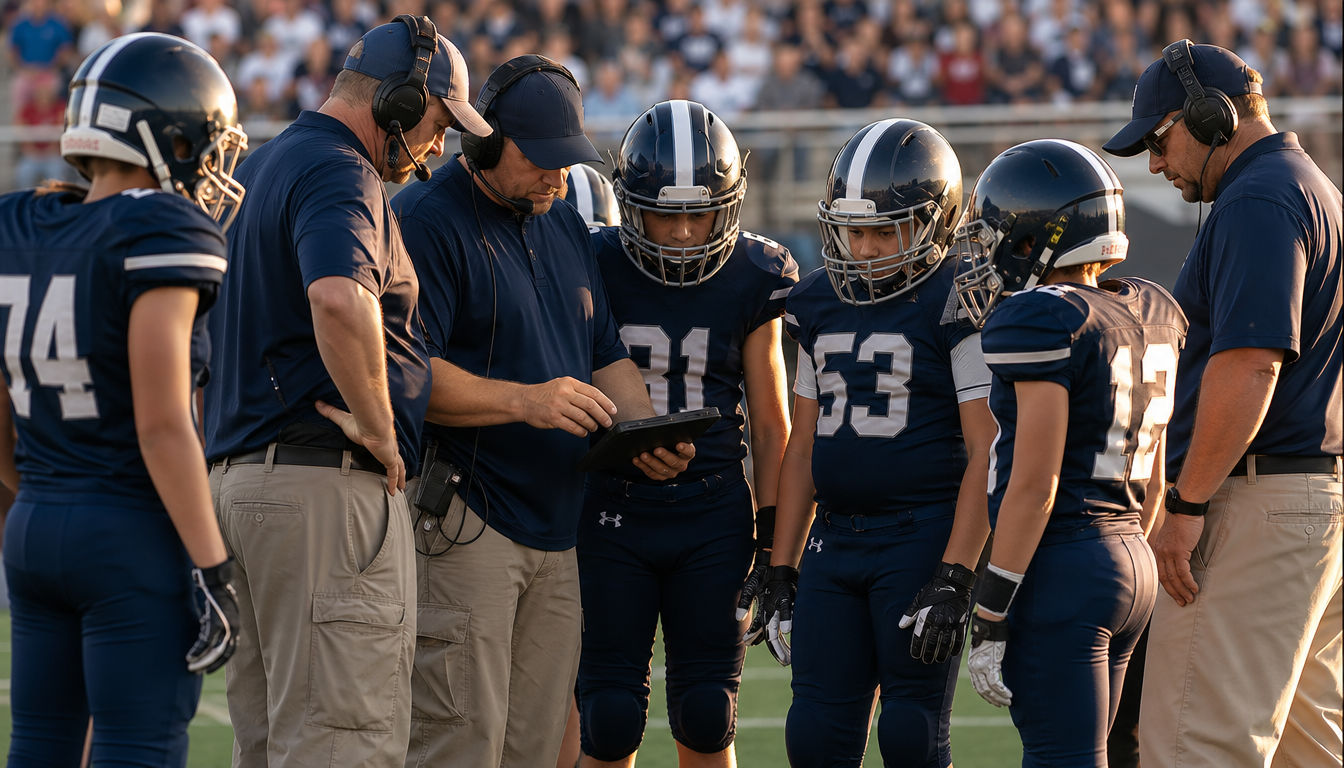
One of the biggest advantages an offensive coach can develop is the ability to recognize what the defense is trying to accomplish before the ball is snapped. You do not need to identify every defensive scheme or memorize advanced terminology. Instead, learn to spot a handful of simple clues that help you make better play calls.
For volunteer coaches, reading the defense is less about finding the perfect play and more about avoiding poor ones.
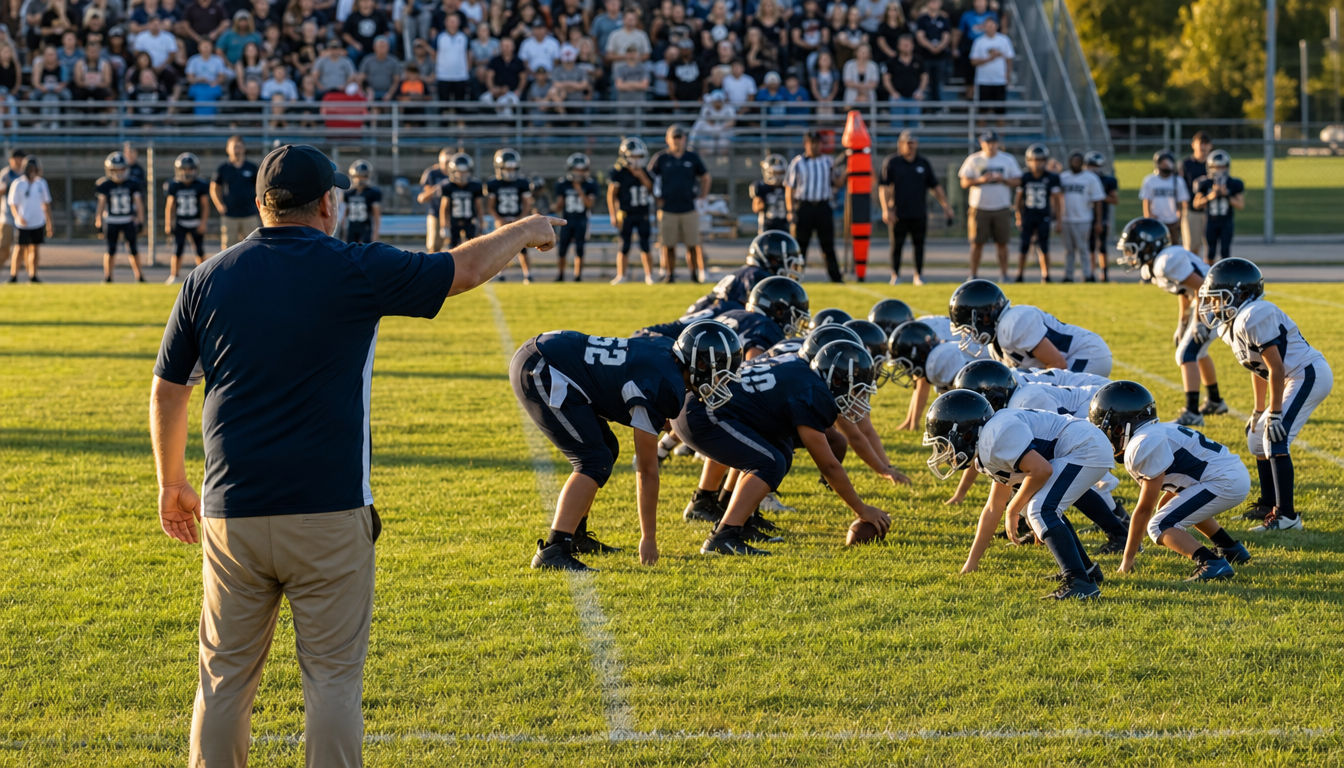
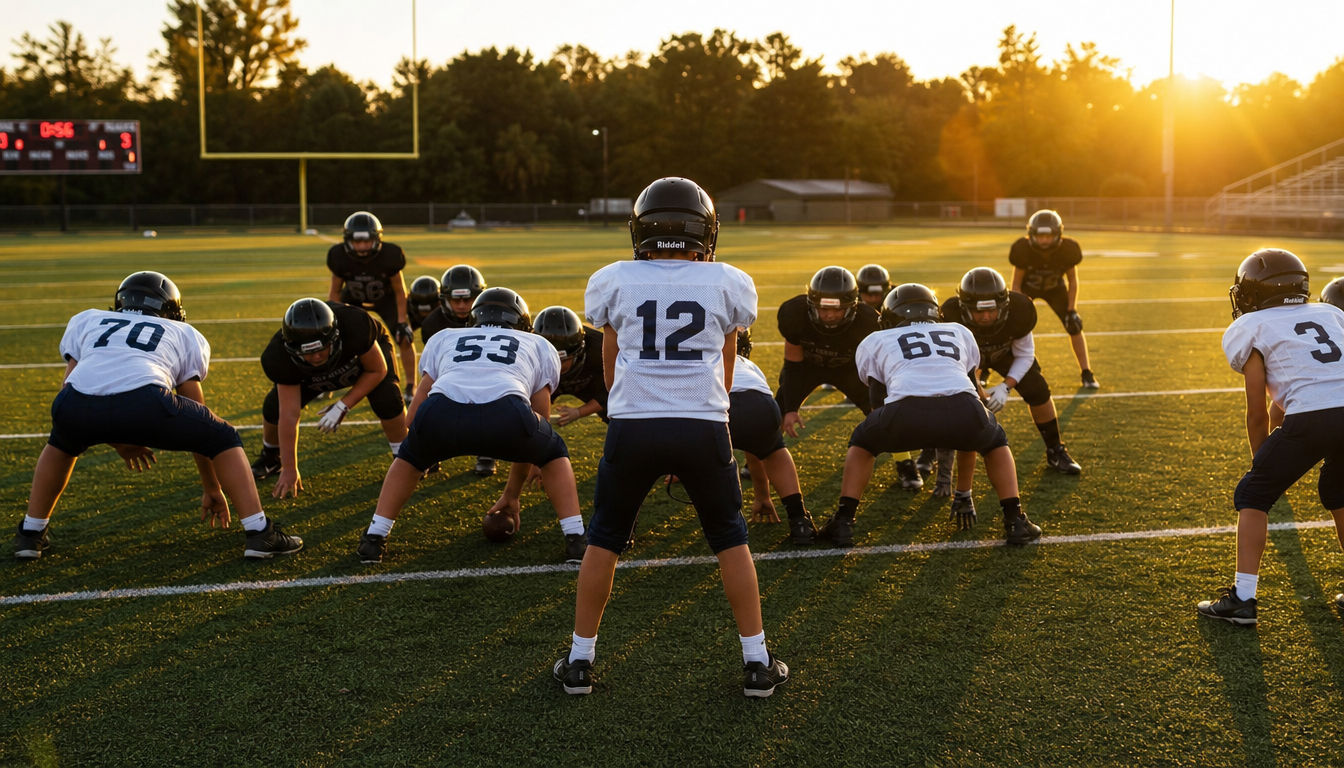
Start with the Defensive Front
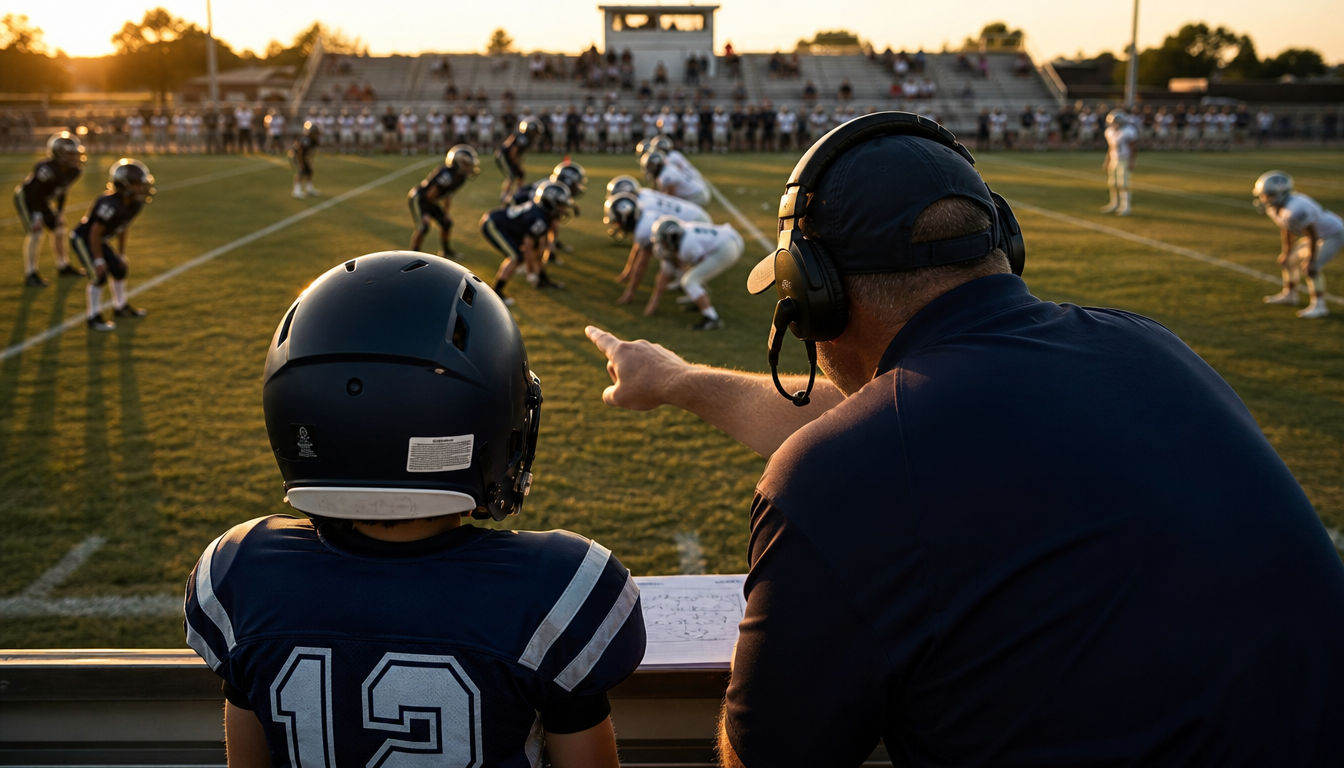
The first thing to notice is where the defensive linemen are aligned.
Ask yourself:
- How many players are on the line of scrimmage?
- Are they balanced?
- Are defenders crowding one side?
- Is the middle open?
These observations help identify where running lanes may develop.
Watch the Linebackers
Linebackers often reveal the defense’s intentions.
Look for signs such as:
- Standing close to the line.
- Leaning forward before the snap.
- Shifting just before the cadence.
- Following motion across the formation.
Aggressive linebackers may leave space behind them, while cautious linebackers often allow easier inside runs.
Notice the Edges
Before calling an outside run, check the defensive ends and outside defenders.
Ask:
- Are they lined up wide?
- Are they squeezing inside?
- Is one edge less protected than the other?
A single defender’s alignment can influence whether you run inside, outside, or call play-action.
Count the Defenders in the Box
The “box” is the area near the line of scrimmage where most running plays develop.
A simple habit is to compare:
- Offensive blockers.
- Defensive players near the football.
If the defense has committed extra players inside, look for opportunities to attack the perimeter or throw a quick, safe pass.
Look for Patterns
Do not make decisions based on one play.
Instead, ask:
- Does the defense always blitz on third down?
- Do linebackers overreact to sweep action?
- Does one defensive end always crash inside?
Patterns create opportunities.
Teach Players What to Look For
Older youth players can begin recognizing simple defensive clues themselves.
For example:
- Centers can identify crowded defensive fronts.
- Quarterbacks can notice cornerback depth.
- Running backs can see where linebackers are aligned.
The more players understand the game, the faster they react during it.
Keep Adjustments Simple
You do not need a new playbook every week.
Often, the best adjustment is simply:
- Running a familiar play to a different side.
- Checking to your strongest running concept.
- Calling play-action after several successful runs.
Small changes are easier for young players to execute under pressure.
Common Mistakes
Avoid:
- Trying to identify every defensive scheme.
- Overreacting after one unusual play.
- Ignoring successful tendencies.
- Giving players complicated pre-snap responsibilities.
- Forgetting that execution still matters most.
Frequently Asked Questions
Do I need to identify every defense?
No. Recognizing basic alignment and tendencies is enough for most youth football teams.
Should players read the defense too?
Yes, but keep their responsibilities simple and appropriate for their age and experience.
What is the most important thing to notice?
Start by identifying where defenders are concentrated and where open space may exist.
Key Takeaways
- Read the defensive front first.
- Watch linebacker alignment and movement.
- Count defenders near the football.
- Look for patterns instead of isolated plays.
- Make simple adjustments based on what you observe.
Related Articles
Published by CoachYouths Staff on 07/15/2026
You are NOT currently logged in, you may login or signup for FREE at any time: