When to Run the Football
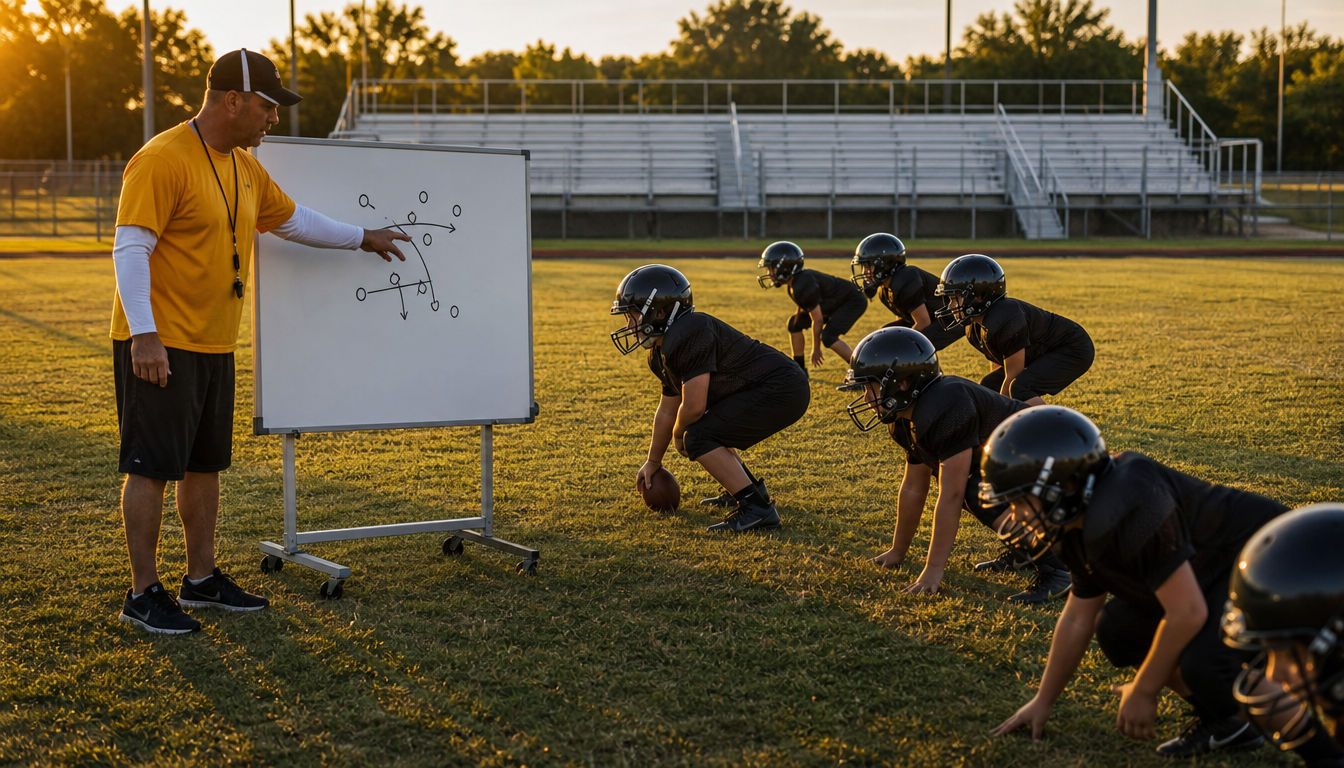
One of the most important decisions an offensive coach makes is knowing when to call a running play. In youth football, the answer is often simpler than many coaches think. A well-executed running game is usually the most consistent way to move the football, control the clock, and build confidence.
Successful play calling is not about being unpredictable. It is about putting your players in situations where they can succeed.
Why the Running Game Matters
Running the football helps your offense:
- Control possession.
- Limit turnovers.
- Wear down the defense.
- Keep your offense on schedule.
- Set up the passing game.
For many youth teams, the running game should be the foundation of the offense.
Good Situations to Run
Running plays are often effective when:
- Starting a drive.
- Needing short yardage.
- Protecting a lead.
- Playing in poor weather.
- Your offensive line is controlling the line of scrimmage.
These situations reduce risk while allowing your team to play confidently.
Read the Defense
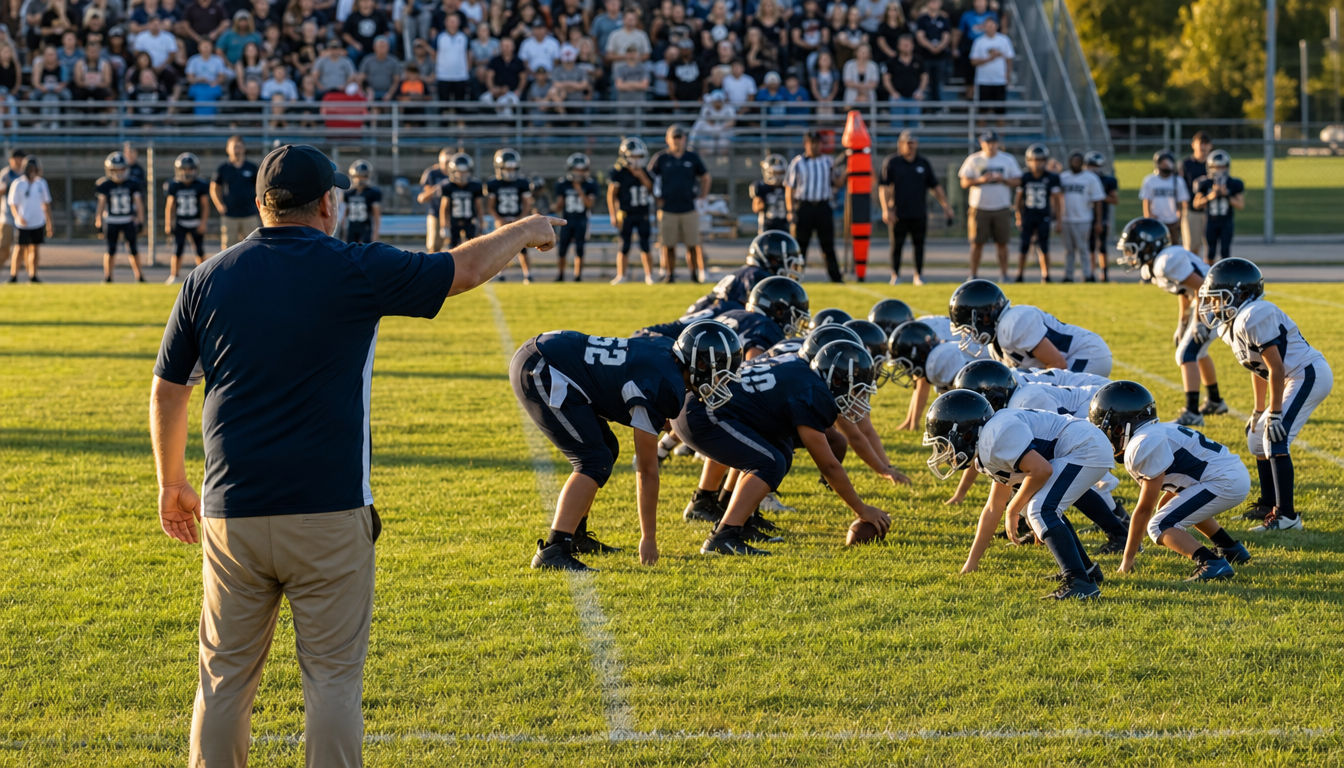
Do not call plays without observing how the defense is aligned.
Ask yourself:
- Are defenders crowding the middle?
- Is the edge unprotected?
- Are linebackers flowing aggressively?
- Are defensive backs playing deep?
Even simple observations can help you choose a better running play.
Stay Patient
Many running plays gain only a few yards.
That is okay.
Consistent gains of three to five yards often keep your offense ahead of the chains and create manageable situations on later downs.
Do not abandon the running game simply because one play is stopped.
Build Tendencies, Then Break Them
If your Sweep has been successful several times, defenders may begin overcommitting to the edge.
That creates opportunities for:
- Counter plays.
- Inside runs.
- Play-action passes.
Use the defense’s expectations against them.
Protect the Football
Running plays should emphasize:
- Secure handoffs.
- Ball security.
- Proper blocking.
- Finishing every run.
A two-yard gain while protecting the football is usually better than risking a turnover.
Common Play Calling Mistakes
Avoid:
- Calling a different play every snap.
- Giving up on successful plays too quickly.
- Ignoring defensive alignment.
- Running sideways when inside lanes are available.
- Forgetting that execution matters more than creativity.
Frequently Asked Questions
Should we run on every first down?
Not always, but many youth teams have success beginning drives with their strongest running plays.
How many times should I repeat a successful running play?
Continue calling it until the defense consistently stops it or begins making adjustments.
What if the running game is struggling?
Look for execution problems first. Blocking, footwork, and ball handling are often the real issue—not the play itself.
Key Takeaways
- Build your offense around a dependable running game.
- Match running plays to the defensive alignment.
- Stay patient with successful concepts.
- Use play-action and counters after establishing the run.
- Prioritize ball security on every carry.
Related Articles
Published by CoachYouths Staff on 07/15/2026
You are NOT currently logged in, you may login or signup for FREE at any time: