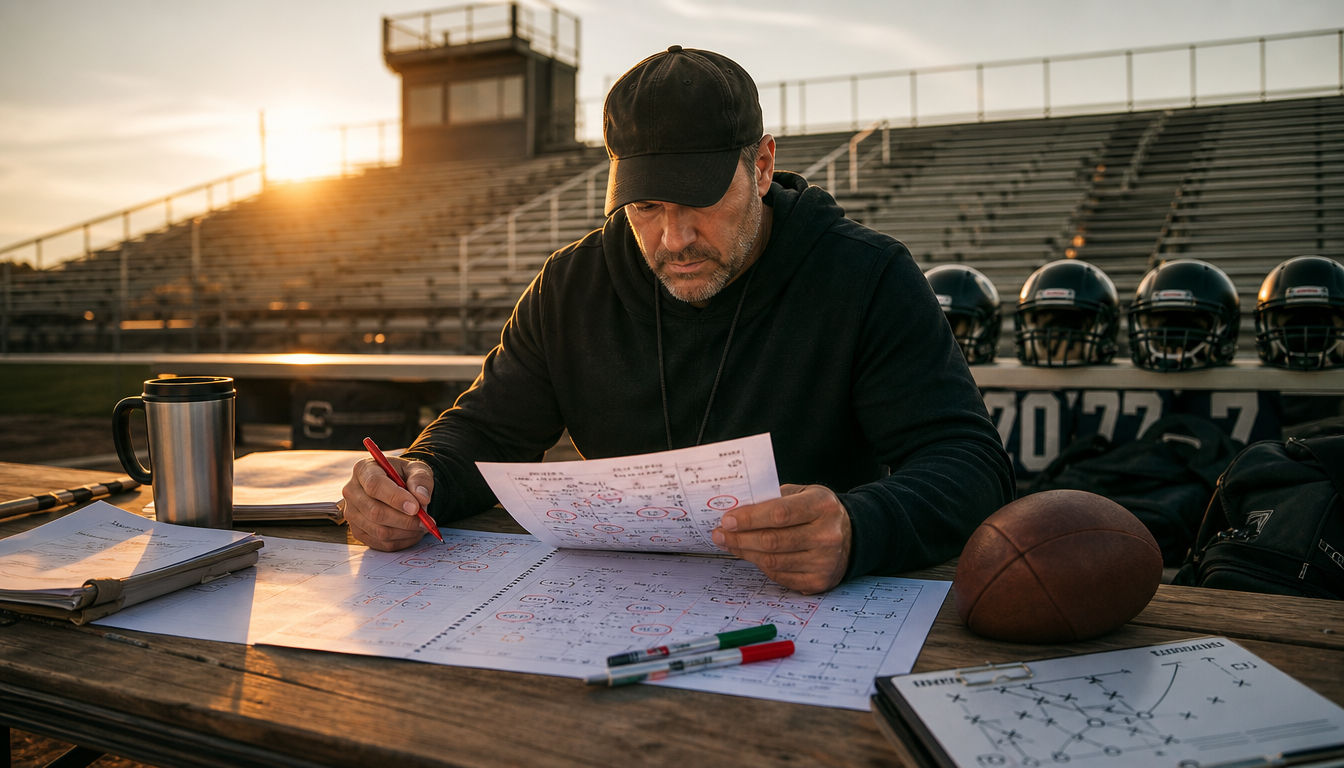
Motivating Young Football Players
Motivation is one of the most powerful tools a youth football coach possesses. While some players arrive at practice excited every day, others need encouragement to stay engaged, work through challenges, and continue improving. Great coaches understand that lasting motivation comes from creating an environment where players enjoy learning, believe they can improve, and feel like valued members of the team.
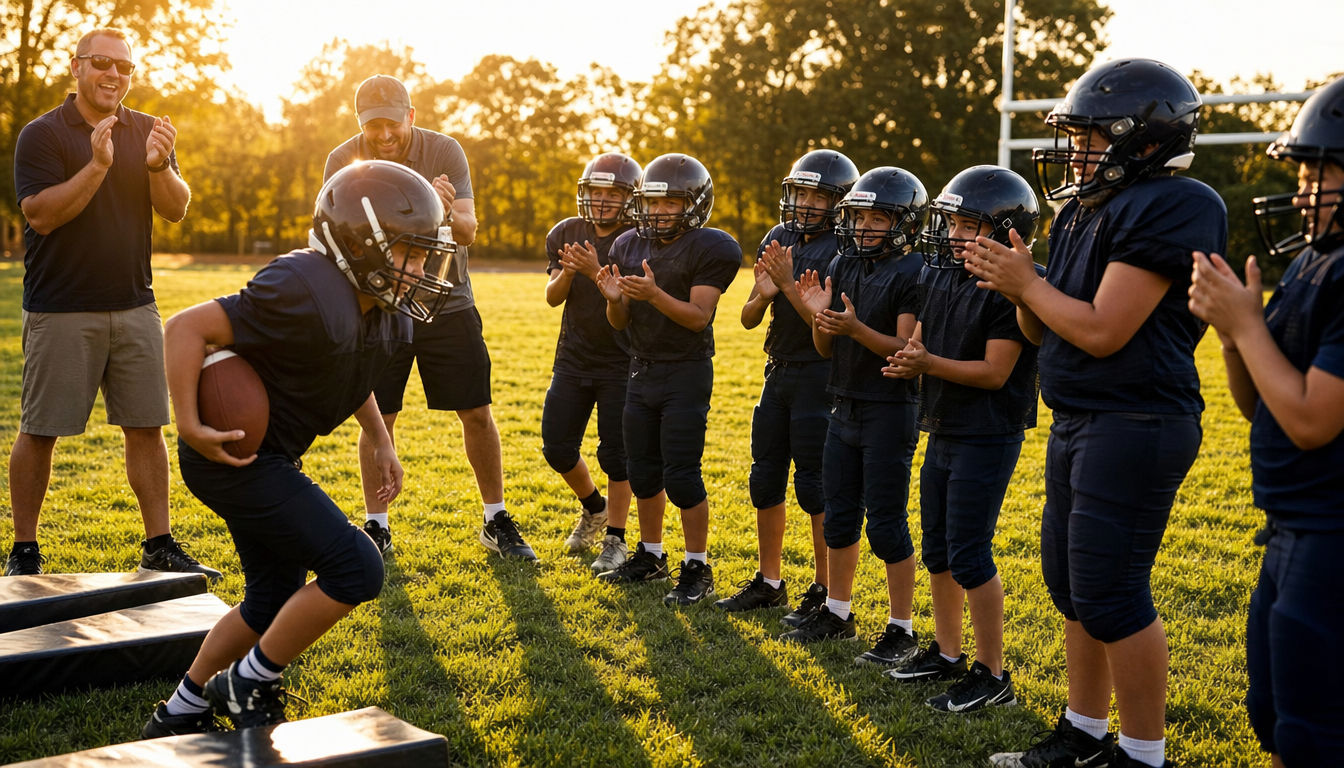
Understand What Motivates Young Athletes
Most children do not play football because they dream of winning championships.
They play because they want to:
- Have fun.
- Spend time with friends.
- Learn new skills.
- Feel successful.
- Be part of a team.
- Make their coaches and parents proud.
Keeping these motivations in mind helps coaches create better experiences.
Set Clear, Achievable Goals
Players become discouraged when goals feel impossible.
Instead, establish goals they can accomplish through effort.
Examples include:
- Learning a new stance.
- Completing every drill with good effort.
- Remembering an assignment.
- Improving tackling technique.
- Encouraging a teammate.
Small accomplishments build confidence and momentum.
Celebrate Improvement
Recognize progress every week.
Praise players for:
- Better technique.
- Greater effort.
- Positive attitude.
- Consistent attendance.
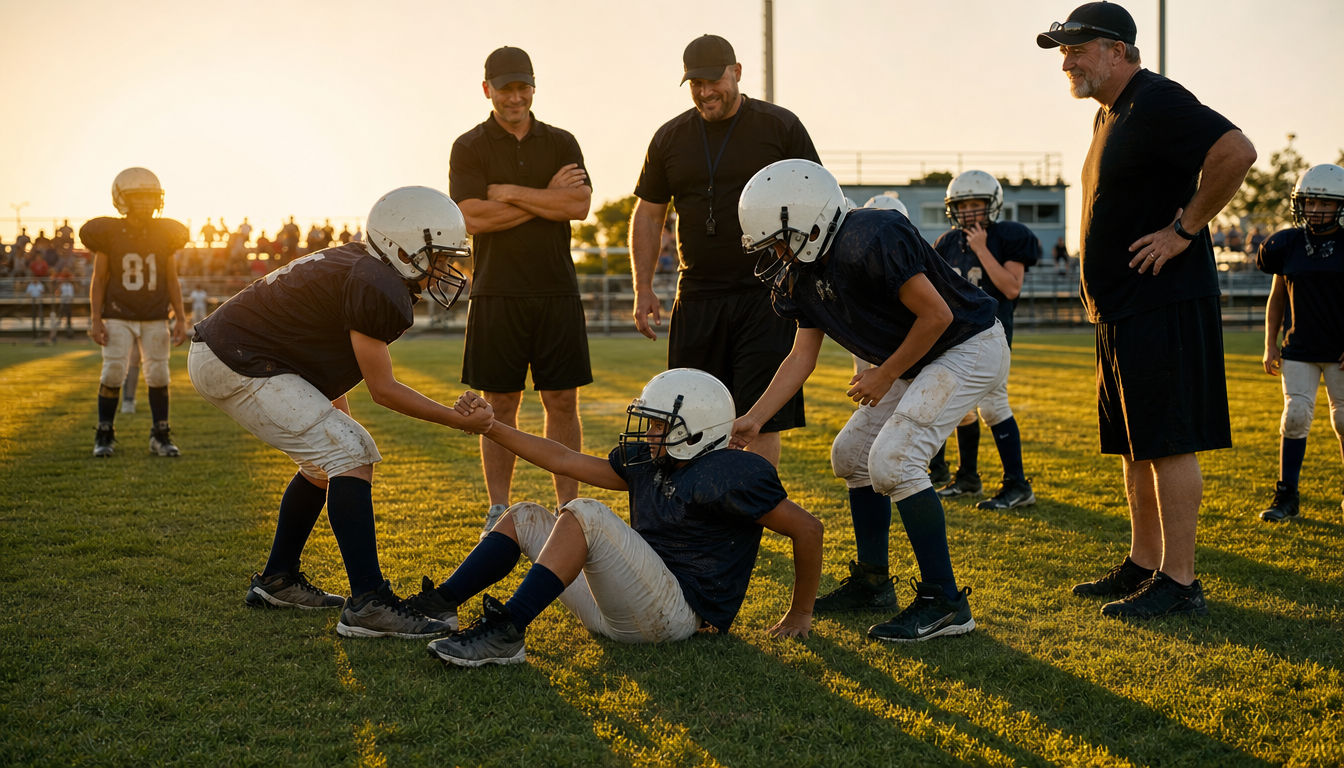
- Helping teammates.
Improvement is a stronger long-term motivator than constant focus on the scoreboard.
Make Practice Enjoyable
Players learn more when they enjoy coming to practice.
Keep practices moving with:
- Short teaching periods.
- Competitive drills.
- Frequent repetitions.
- Positive energy.
- Age-appropriate challenges.
Avoid long lectures or unnecessary waiting in lines.
Give Players Responsibility
Ownership creates motivation.
Allow players to:
- Lead stretches.
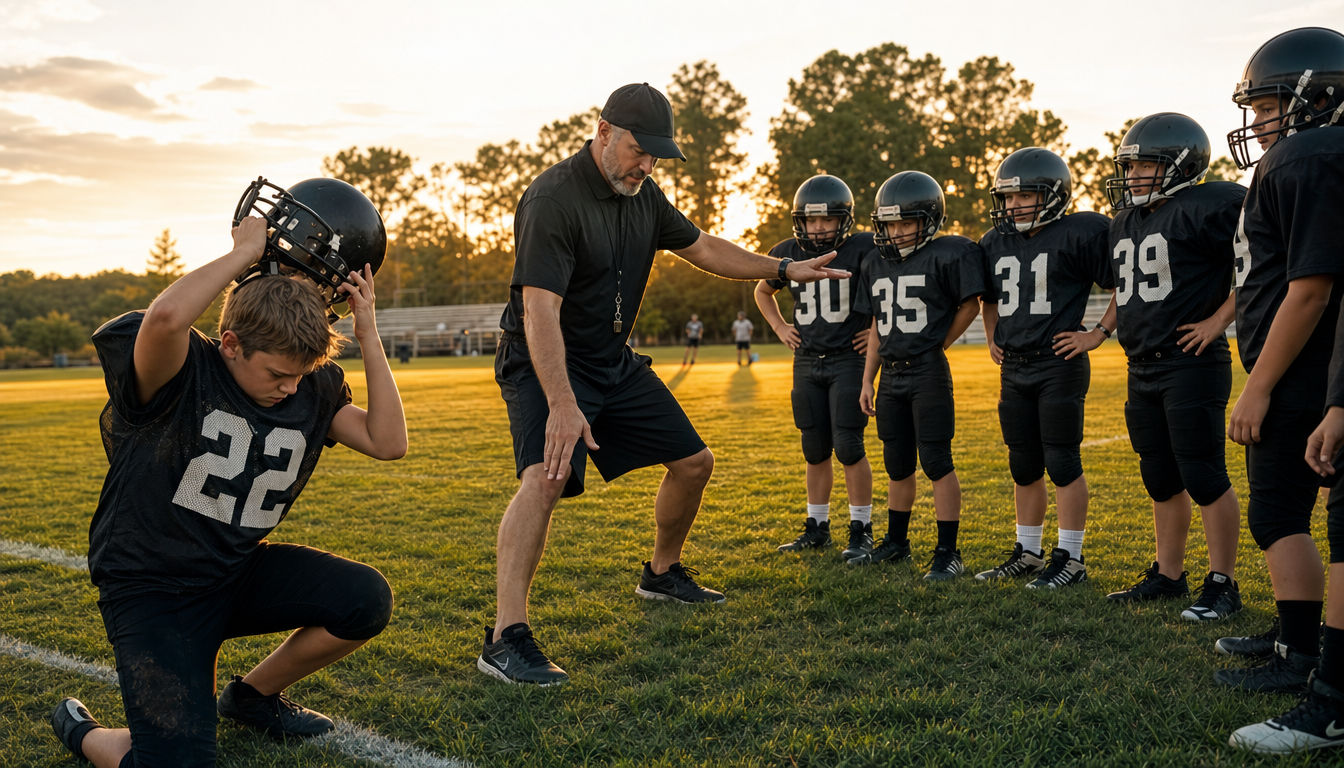
- Demonstrate drills.
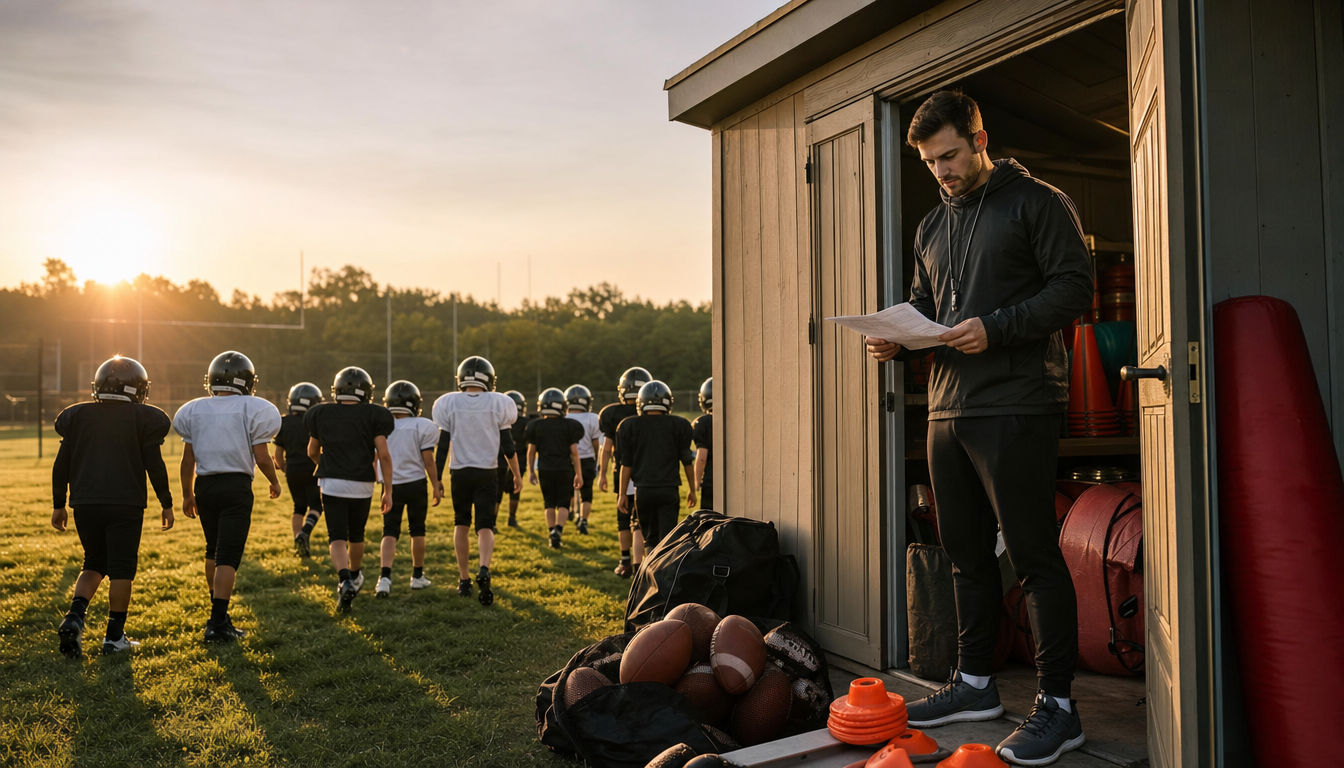
- Organize equipment.
- Encourage teammates.
- Help younger or less experienced players.
Leadership opportunities build confidence.
Respond to Mistakes Positively
Mistakes are part of learning football.
When players know they can make mistakes without embarrassment, they become more willing to try difficult skills and improve.
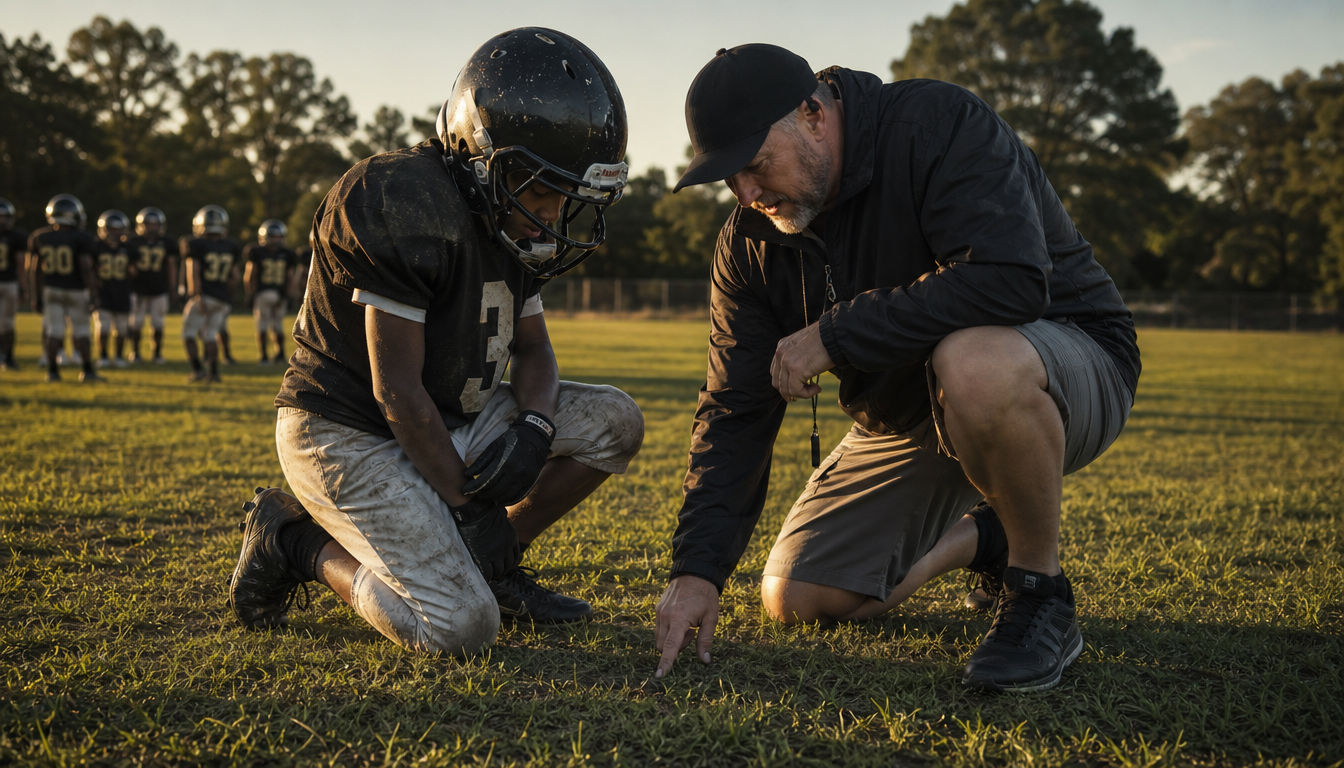
Correct mistakes with instruction, not frustration.
Recognize Every Player
Every athlete should hear something positive during practice.
Simple comments such as:
- “Great effort.”
- “Nice improvement.”
- “Excellent hustle.”
can have a lasting impact on a young player.
Work with Parents
Parents reinforce motivation outside of practice.
Encourage them to ask:
- What did you learn today?
- What was your favorite part of practice?
- What are you working on this week?
These conversations help players focus on growth instead of only game results.
Frequently Asked Questions
What if a player loses interest during the season?
Talk with the player, identify what they enjoy most, and create opportunities for success while keeping practices engaging.
Should rewards be used?
Occasional team rewards can be fun, but lasting motivation comes from improvement, teamwork, and positive relationships.
How do I motivate players after a loss?
Recognize the team’s effort, identify lessons learned, and focus on preparing for the next opportunity.
Key Takeaways
- Understand what motivates young athletes.
- Set achievable goals.
- Celebrate improvement regularly.
- Keep practices enjoyable.
- Give players meaningful responsibility.
- Correct mistakes with patience.
- Partner with parents to reinforce positive attitudes.
Related Articles
Published by CoachYouths Staff on 07/15/2026
You are NOT currently logged in, you may login or signup for FREE at any time: