Coaching Without Yelling
Many volunteer coaches grew up believing that yelling was simply part of football. While an occasional raised voice may be necessary to get everyone’s attention in a noisy environment, constant yelling rarely produces better players. Young athletes learn best when instruction is clear, consistent, and respectful.
The goal of coaching is not to intimidate players. The goal is to teach them.
Why Coaches Yell
Most coaches do not yell because they are angry.
They usually yell because they are:
- Frustrated.
- Trying to get attention.
- Feeling pressure to win.
- Repeating instructions.
- Unsure how else to respond.
Recognizing these moments is the first step toward improving communication.
Understand How Players Learn
Young players make mistakes because they are learning.
When a player misses an assignment, ask yourself:
- Did they understand the instruction?
- Have they practiced it enough?
- Was the expectation realistic?
Teaching almost always works better than frustration.
Give Clear Instructions
Keep coaching points short and specific.
Instead of saying:
“You’re doing everything wrong!”
Try:
“Keep your feet moving and stay low.”
Specific feedback gives players something they can improve immediately.
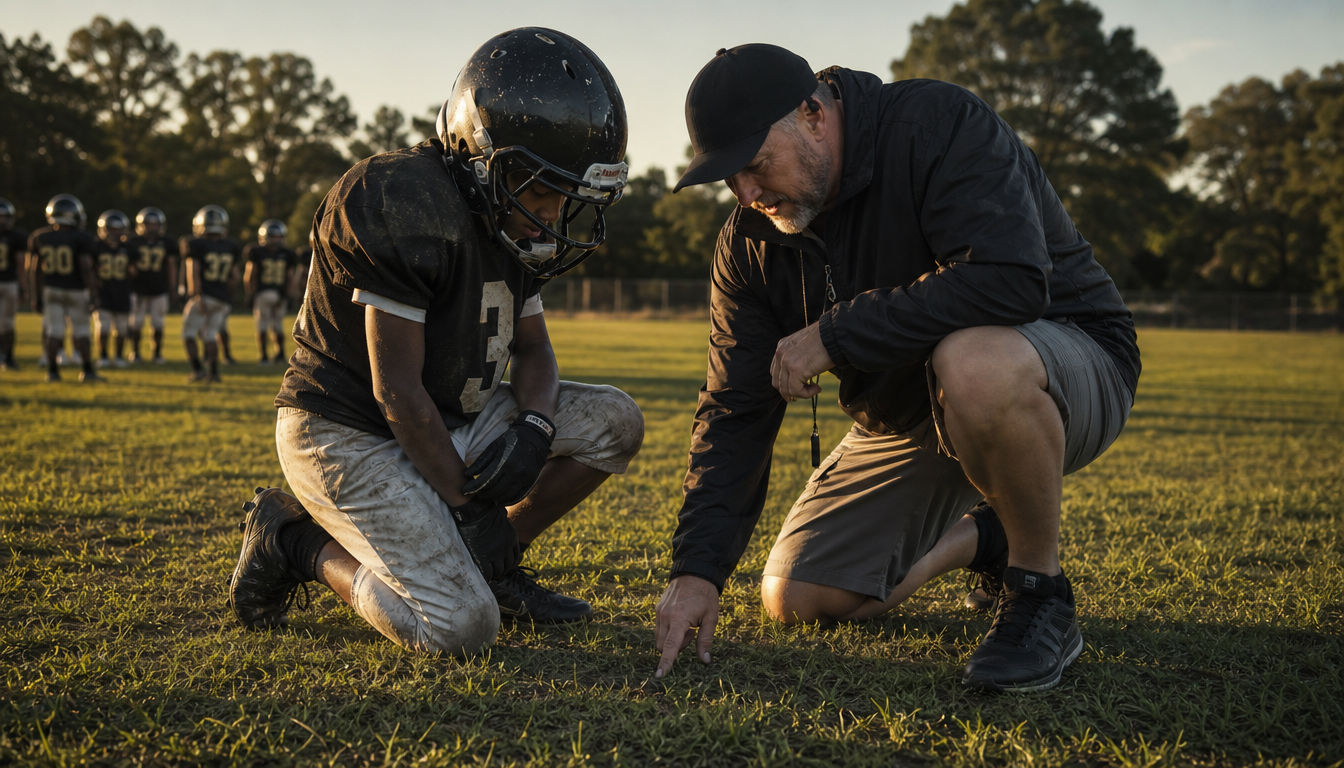
Correct Privately When Possible
Not every mistake needs to be announced to the entire team.
A quick one-on-one conversation often has a much greater impact than correcting a player in front of teammates.
Private instruction protects confidence while maintaining accountability.
Praise Publicly
Players respond well when effort and improvement are recognized.
Celebrate:
- Great hustle.
- Good sportsmanship.
- Correct technique.
- Helping teammates.
- Positive attitudes.
Positive recognition encourages those behaviors to continue.
Stay Calm During Games
Games are emotional for players and coaches alike.
When something goes wrong:
- Take a breath.
- Identify the teaching point.
- Communicate calmly.
- Move on to the next play.
Players often mirror the emotional tone of their coaches.
Build Trust
Players listen to coaches they trust.
Trust is built through:
- Consistency.
- Fairness.
- Honesty.
- Preparation.
- Respect.
A trusted coach rarely needs to raise their voice.
When a Loud Voice Is Appropriate
There are times when speaking loudly is appropriate, such as:
- Getting everyone’s attention.
- Stopping an unsafe situation.
- Communicating across a large practice field.
Use volume as a tool, not as your default coaching style.
Frequently Asked Questions
Is it ever okay to yell?
Yes. Use a loud voice when safety or communication requires it, but avoid using yelling as your primary teaching method.
Will players respect a calm coach?
Absolutely. Respect is earned through knowledge, consistency, preparation, and genuine care for players.
How do I stay calm after mistakes?
Focus on teaching the next correction instead of reacting emotionally to the previous play.
Key Takeaways
- Teach more than you criticize.
- Keep instructions clear and specific.
- Correct privately whenever practical.
- Praise effort and improvement.
- Stay calm during difficult moments.
- Build trust through consistency and respect.
Related Articles
Published by CoachYouths Staff on 07/15/2026
You are NOT currently logged in, you may login or signup for FREE at any time: