How to Defend Sweep Plays
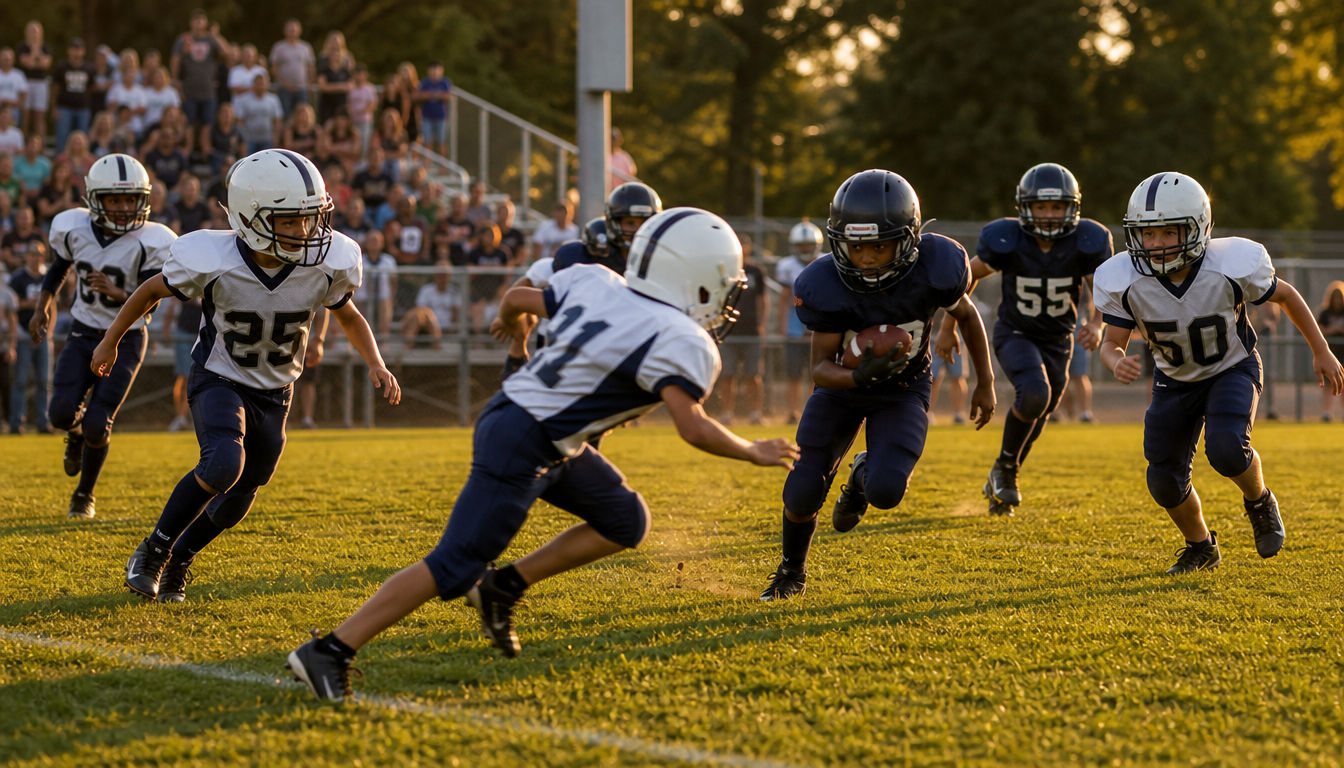
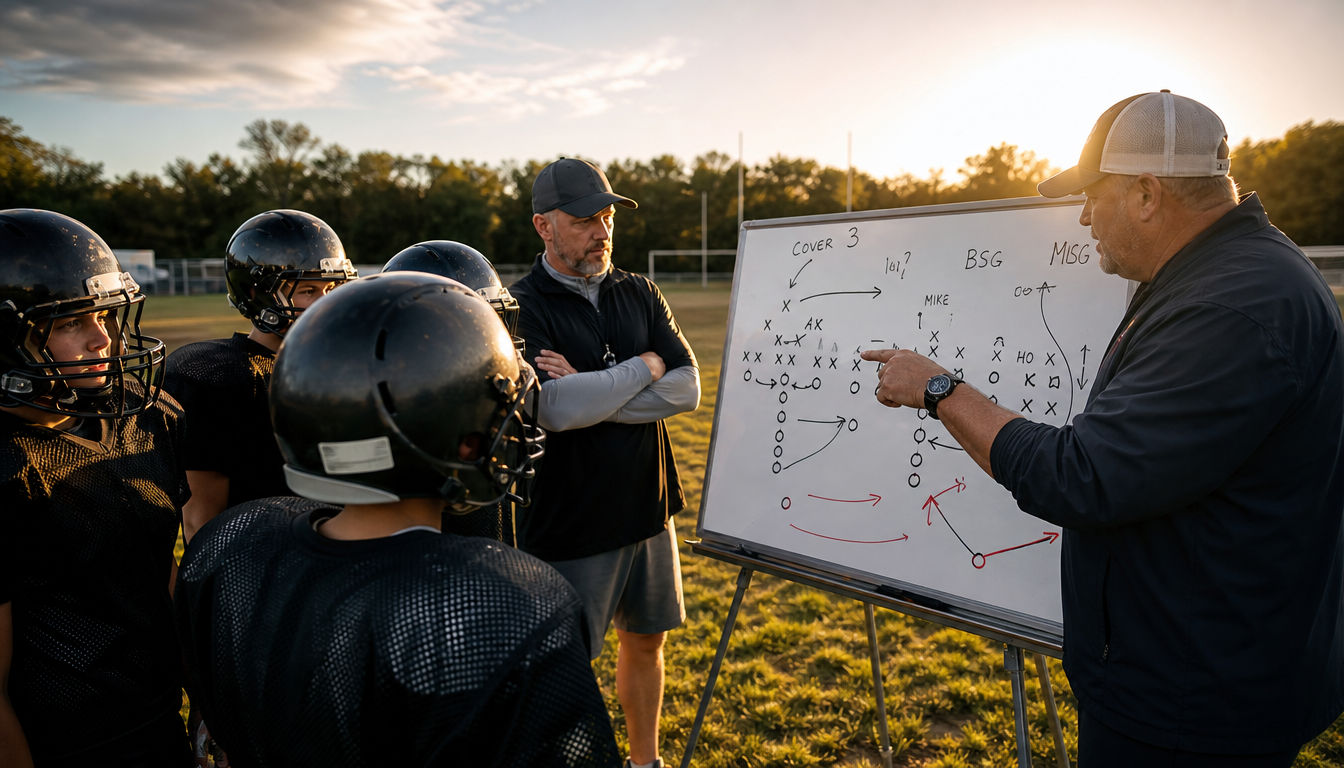
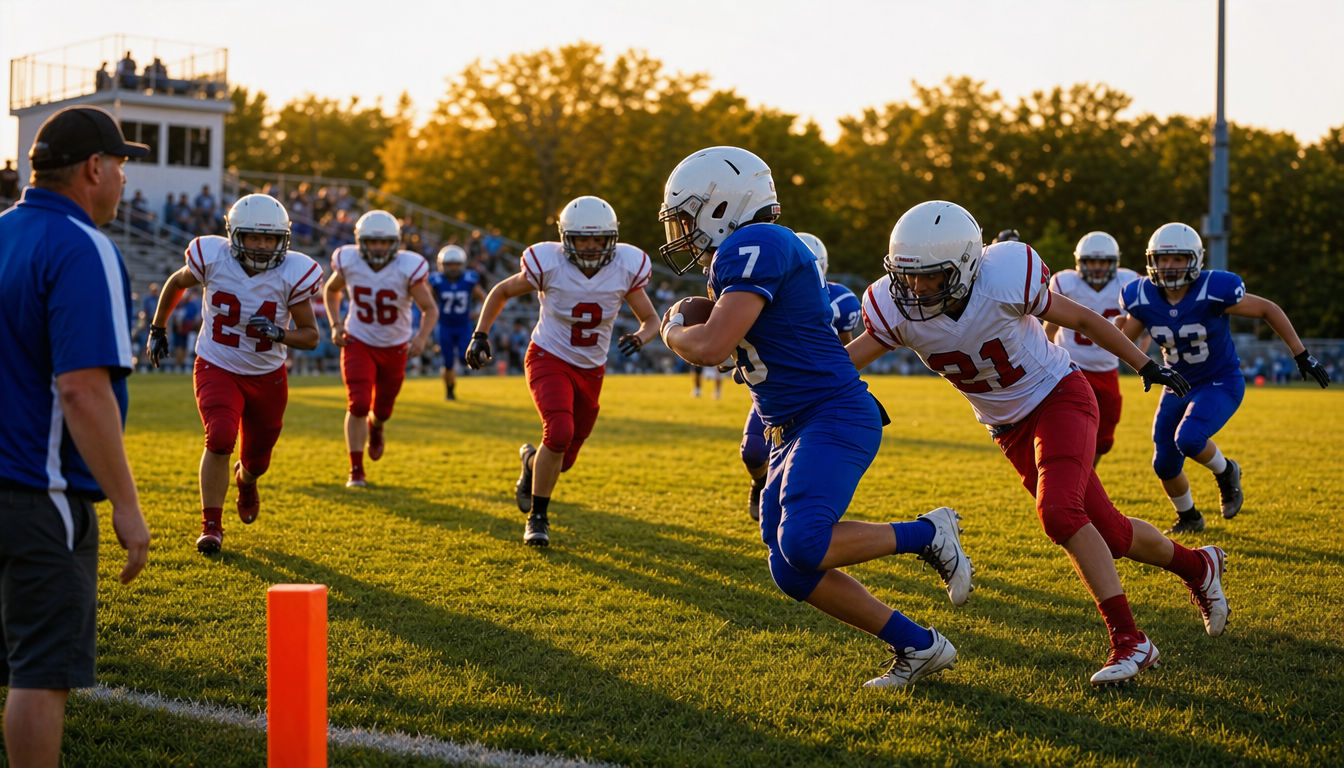
Sweep plays are designed to get the football outside quickly, forcing defenders to run laterally and make tackles in space. A well-executed sweep can stretch the defense, create running lanes, and punish defenders who lose contain or take poor pursuit angles.
Stopping the sweep requires discipline, communication, and teamwork more than raw speed.
Understand the Objective
Your defense should force the runner to slow down, cut inside, or run into pursuing defenders.
Focus on:
- Protecting the edge.
- Eliminating cutback lanes.
- Pursuing together.
- Finishing the tackle.
Every defender has a role.
Set a Strong Edge
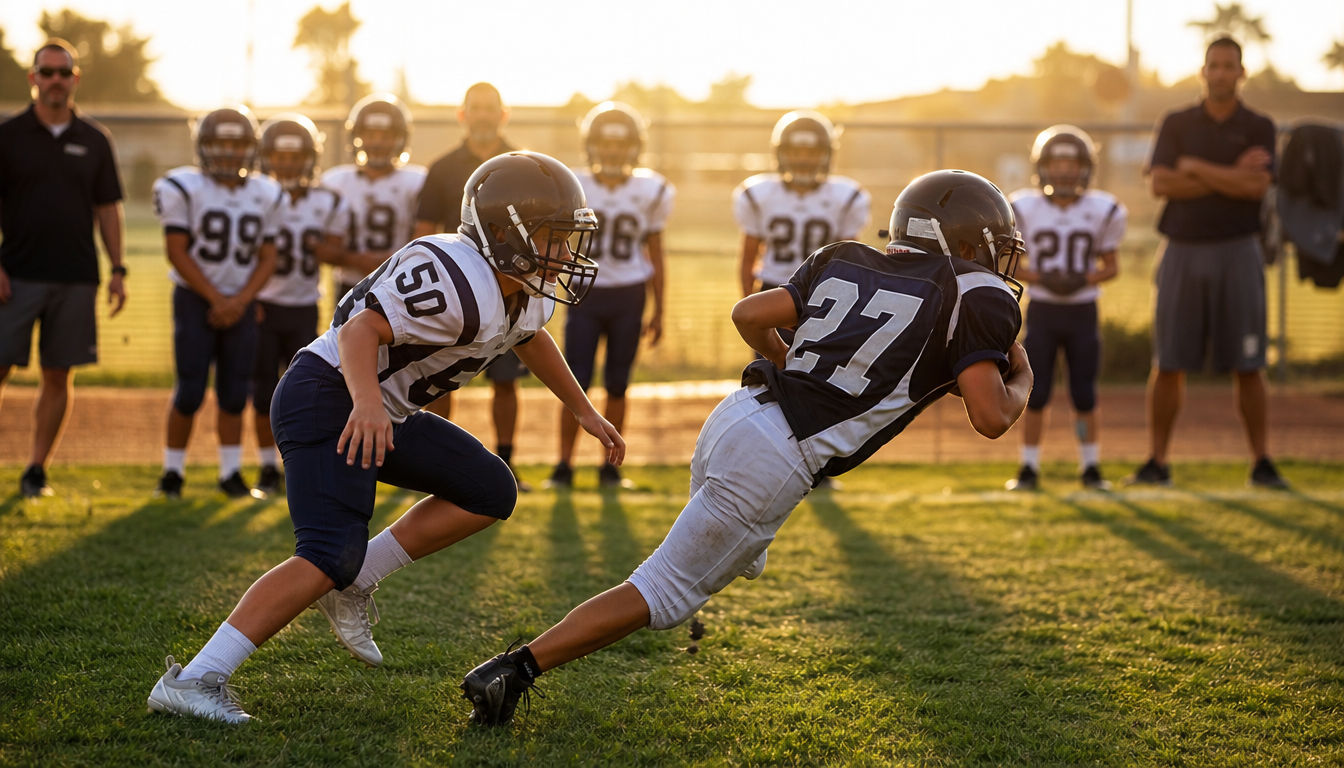
The edge defender must never allow the runner to reach the sideline uncontested.
Coach them to:
- Stay outside the ball.
- Keep outside leverage.
- Force the runner back inside.
- Avoid getting sealed by blockers.
A strong edge gives the rest of the defense time to arrive.
Flow with Control
Inside defenders should move quickly, but not recklessly.
Teach players to:
- Read the play first.
- Flow toward the football.
- Maintain pursuit angles.
- Trust teammates to keep contain.
Over-pursuit creates cutback opportunities.
Defeat Perimeter Blocks
Receivers and tight ends often block on sweep plays.
Practice:
- Maintaining outside leverage.
- Escaping blocks.
- Keeping eyes on the runner.
- Staying active with your feet.
Winning on the perimeter prevents big gains.
Rally to the Football
The first defender may not make the tackle.
Coach every player to:
- Pursue until the whistle.
- Close from inside out.
- Arrive under control.
- Finish as a group.
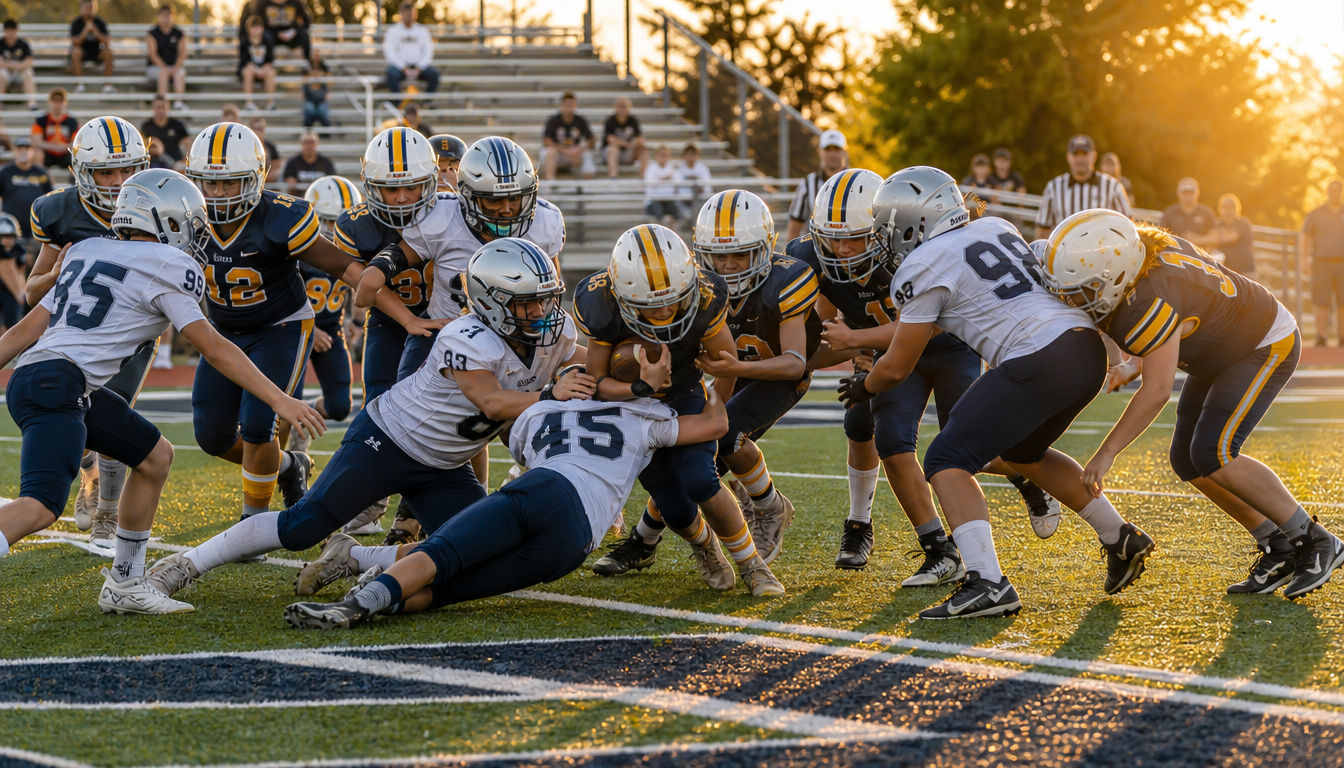
Swarming defenses limit yards after contact.
Diagnose Before Adjusting
If sweep plays are successful, ask:
- Did we lose contain?
- Were pursuit angles poor?
- Did blockers seal the edge?
- Did we miss the tackle?
Correct the breakdown before changing your defensive call.
Common Mistakes
Avoid:
- Chasing inside too early.
- Overrunning the runner.
- Ignoring perimeter blockers.
- Stopping pursuit after another defender engages.
- Changing the defense before fixing execution.
Frequently Asked Questions
Who should force the runner back inside?
Usually the outside defender responsible for contain.
Why do sweep plays become long gains?
The edge is lost, pursuit breaks down, or tackling fails in space.
How often should we practice defending sweeps?
Include perimeter run defense and pursuit drills every week.
Key Takeaways
- Set the edge first.
- Flow under control.
- Defeat perimeter blocks.
- Pursue as a team.
- Fix execution before changing schemes.
Related Articles
Published by CoachYouths Staff on 07/15/2026
You are NOT currently logged in, you may login or signup for FREE at any time: