Gap Responsibility Explained
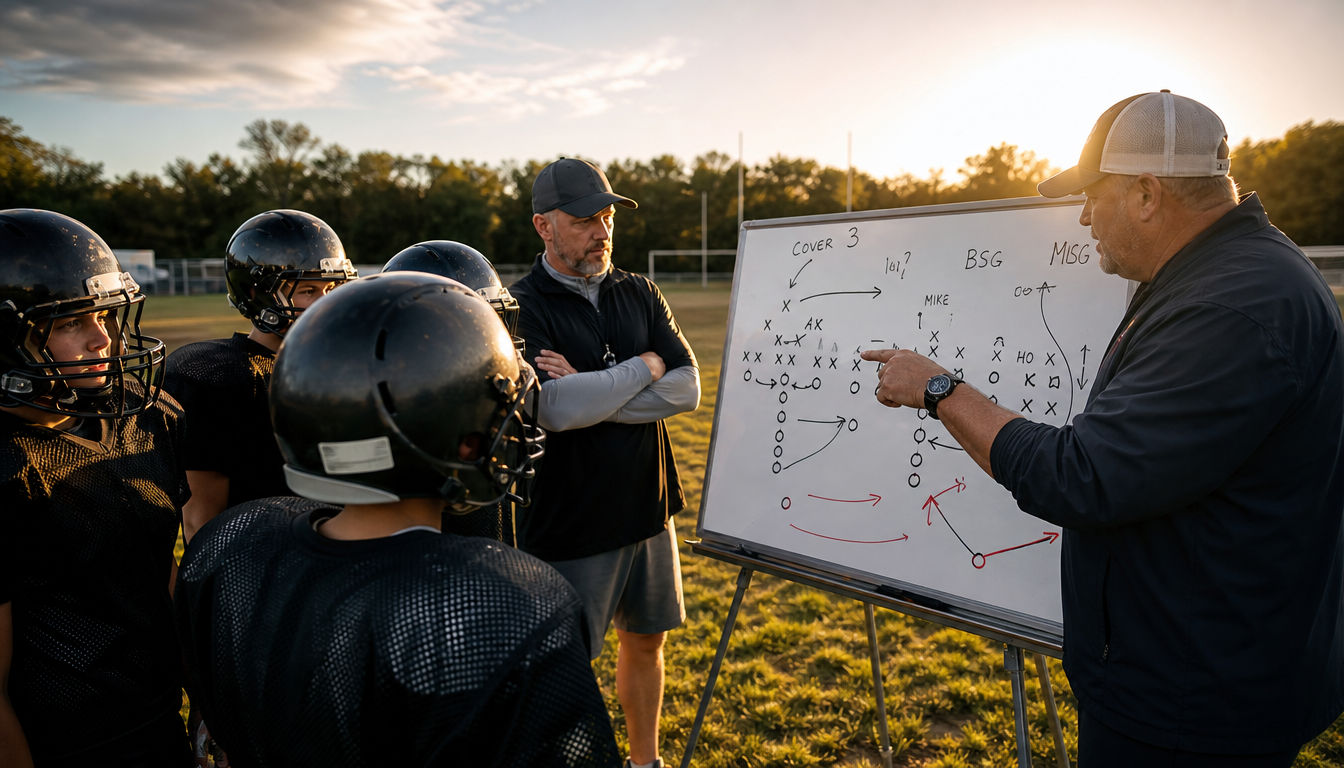
One of the biggest reasons youth defenses give up long runs is not because players are too slow or too small—it is because someone abandoned their responsibility. Every running play attacks a space between offensive players, known as a gap. When every defender understands and protects their assigned gap, the defense becomes far more difficult to run against.
Gap discipline wins more games than flashy defensive calls.
What Is a Gap?
A gap is an open space between offensive linemen or outside the offensive formation.
Common gap names include:
- A Gap – between the center and guard.
- B Gap – between the guard and tackle.
- C Gap – outside the tackle.
- D Gap – outside the tight end, if one is present.
Young players do not need to memorize every letter immediately, but they should understand that every running lane belongs to someone.
Why Gap Responsibility Matters
When one defender leaves their assignment:
- Running lanes appear.
- Other defenders must compensate.
- Cutback lanes develop.
- Tackles become more difficult.
One missed gap can turn a two-yard gain into a touchdown.
Teach “Own Your Gap”
Players should think:
- Stay disciplined.
- Do not chase the football immediately.
- Trust teammates.
- Close your assigned running lane first.
Once every gap is defended, pursuit takes over.
Practice Gap Fits
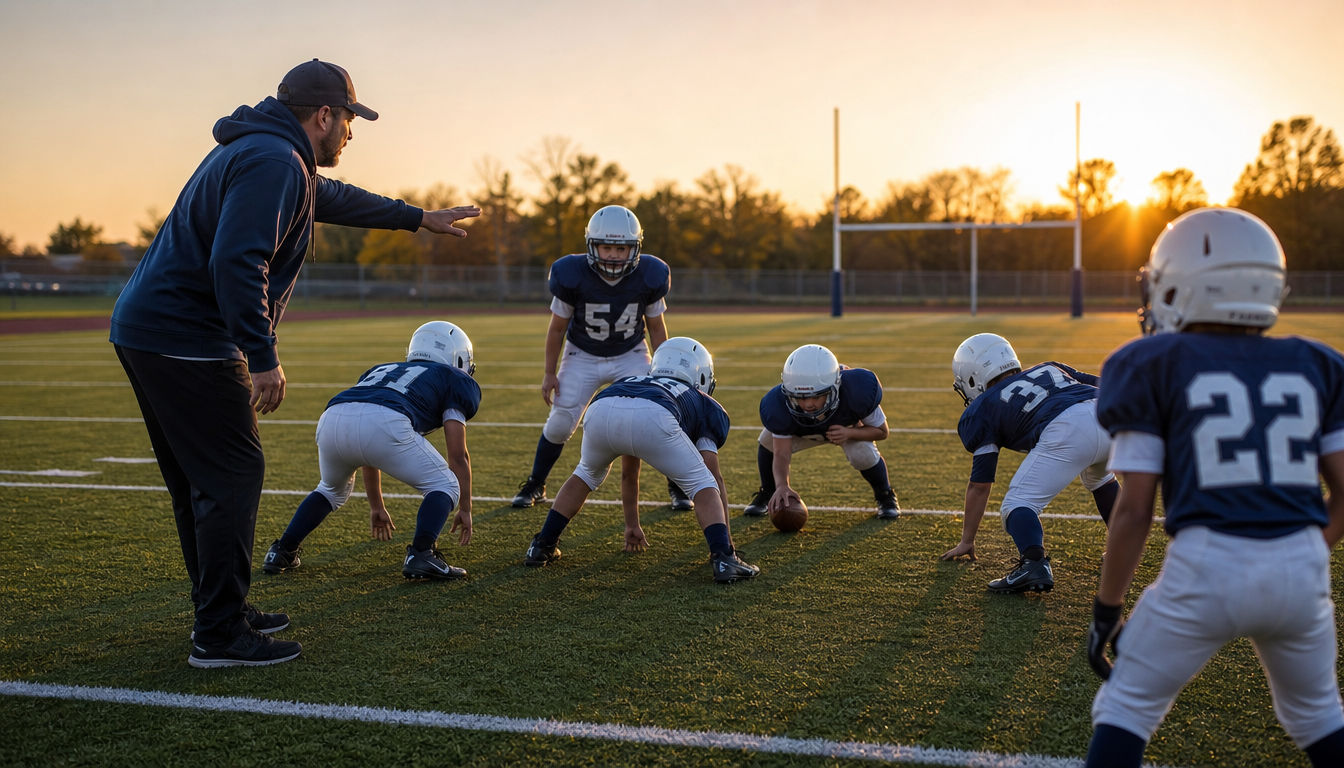
Use slow walk-through periods before increasing speed.
Have players:
- Align correctly.
- Identify their gap.
- React to common run plays.
- Finish with proper pursuit.
Confidence grows through repetition.
Diagnose Before Changing
If a team gives up several big runs, ask:
- Which gap was exposed?
- Who left their assignment?
- Was the alignment correct?
- Did we miss the tackle after doing our job?
Fix the cause before changing the defense.
Build Team Trust
Gap responsibility depends on teamwork.
Players must believe:
- “If I do my job, my teammates will do theirs.”
That mindset reduces freelancing and improves consistency.
Common Mistakes
Avoid:
- Chasing the football out of position.
- Guessing instead of reading.
- Ignoring alignment.
- Teaching blitzes before gap discipline.
- Correcting effort when the real issue is assignment.
Frequently Asked Questions
Should every player have one gap?
In most youth defenses, yes. Simple responsibilities help players react faster.
What if the ball goes away from my gap?
Secure your responsibility first, then pursue under control.
What causes most long runs?
Missed assignments and poor gap discipline are usually bigger problems than the defensive play call.
Key Takeaways
- Every running lane belongs to someone.
- Defend your gap before chasing the football.
- Practice gap fits every week.
- Diagnose missed assignments before changing schemes.
- Great team defense starts with disciplined individuals.
Related Articles
Published by CoachYouths Staff on 07/15/2026
You are NOT currently logged in, you may login or signup for FREE at any time: