How to Attack an Aggressive Defense
Aggressive defenses can overwhelm an unprepared offense, but they also create opportunities. Defenders who attack downhill, blitz frequently, or pursue too aggressively often leave space somewhere else on the field. The goal is not to overpower an aggressive defense—it is to let that aggression work against it.
Experienced coaches recognize that disciplined offenses often beat overly aggressive defenses.
Recognize the Signs
Watch for clues that defenders are playing aggressively:
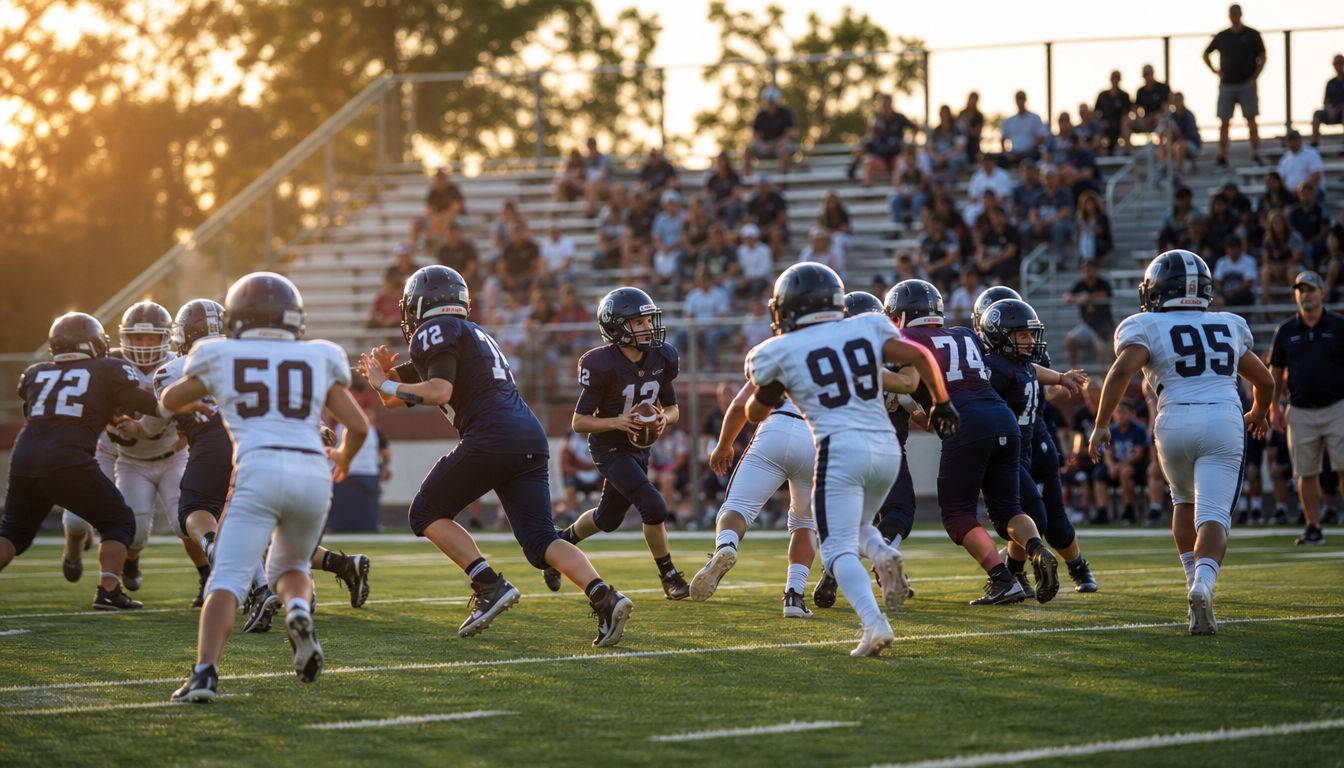
- Linebackers attacking immediately after the snap.
- Defensive ends crashing inside.
- Frequent blitzes.
- Defenders over-pursuing outside runs.
- Tacklers arriving out of control.
Once you identify these tendencies, begin looking for ways to exploit them.
Stay Calm
An aggressive defense wants to speed up your offense.
Resist the temptation to abandon your game plan.
Instead:
- Stay organized.
- Communicate clearly.
- Trust your core plays.
- Avoid forcing big plays.
Patience often creates explosive opportunities later.
Use Their Momentum Against Them
Aggressive defenders are vulnerable to misdirection.
Consider using:
- Counter plays.
- Reverse action (sparingly).
- Play-action passes.
- Bootlegs.
- Trap concepts, if your team has practiced them.
The goal is to encourage defenders to attack the wrong location.
Attack Where They Leave Space
If linebackers repeatedly fill inside gaps, the perimeter may become available.
If defensive ends fly upfield, an inside run or quarterback keeper may become more effective.
Rather than guessing, let the defense tell you where the opportunity exists.
Protect the Football
Aggressive defenses create turnovers by forcing rushed decisions.
Emphasize:
- Secure exchanges.
- Ball security in traffic.
- Smart quarterback decisions.
- Finishing every run.
A patient offense often frustrates an aggressive defense.
Coach Players to Expect Pressure
Preparation reduces panic.
During practice, occasionally simulate:
- Blitzes.
- Fast pursuit.
- Defensive shifts.
- Tight game situations.
Players who have seen pressure before respond more confidently on game day.
Common Mistakes
Avoid:
- Matching aggression with panic.
- Calling low-percentage plays.
- Abandoning successful concepts.
- Ignoring defensive tendencies.
- Trying to score on every snap.
Frequently Asked Questions
Should I throw more against an aggressive defense?
Only if the running game has forced defenders to respect play-action and your quarterback is comfortable with the passing concept.
Are counters effective?
Yes. Well-practiced counters and other misdirection plays can punish defenses that over-pursue.
What is the biggest coaching mistake?
Reacting emotionally instead of observing why the defense is succeeding.
Key Takeaways
- Identify aggressive defensive tendencies.
- Stay patient and trust your offense.
- Use misdirection to punish over-pursuit.
- Attack the space the defense leaves behind.
- Protect the football above all else.
Related Articles
Published by CoachYouths Staff on 07/15/2026
You are NOT currently logged in, you may login or signup for FREE at any time: