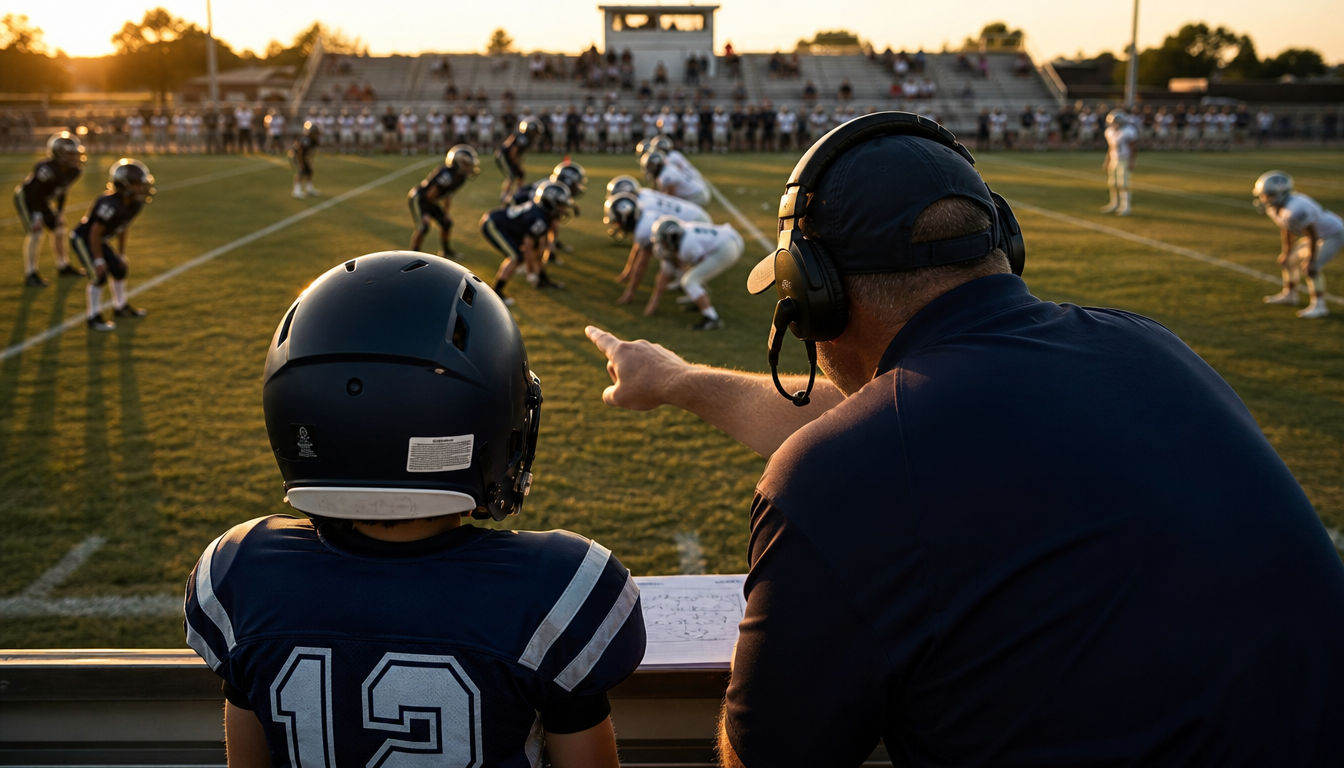
Choosing the Right Defensive Formation
A defensive formation provides structure for your entire defense. It determines where players line up before the snap, how they fit against common offensive plays, and how easily they can react once the play begins. The best formation is not the one used by the most successful team—it is the one your players can execute with confidence.
Choose a defense that fits your players, your league, and the offenses you see most often.
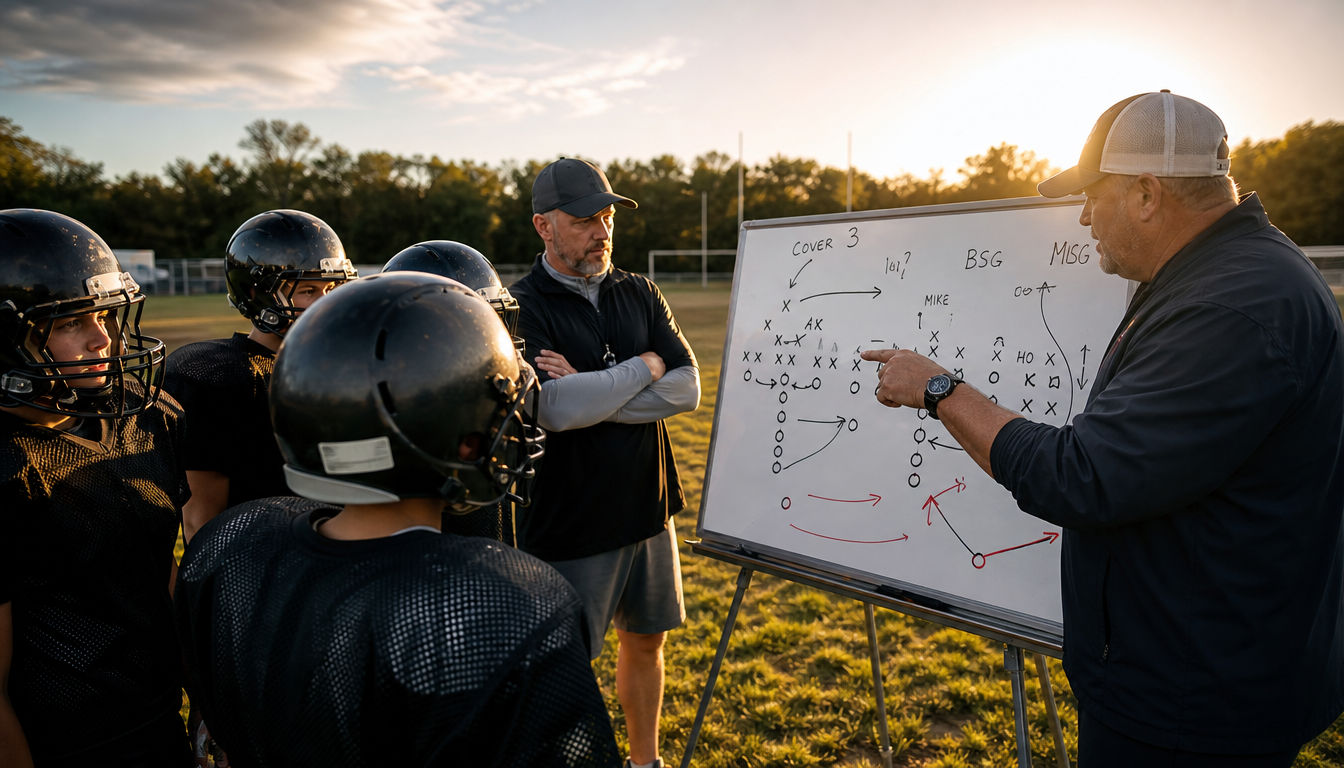
Start with Your League
Before selecting a formation, consider:
- Common offensive formations.
- League rules.
- Field size.
- Player experience.
- Practice time available.
A defense should solve the problems you actually face each week.
Match Your Personnel
Ask yourself:
- Do we have quick linebackers?
- Are our defensive linemen physical?
- Which players tackle consistently?
- Where are our best athletes?
Build your defense around the strengths of your roster instead of forcing players into uncomfortable roles.
Keep It Simple
Most volunteer coaches need only one dependable base defense.
A strong base defense should:
- Be easy to teach.
- Stop common running plays.
- Give every player a clear responsibility.
- Allow simple adjustments.
Master one formation before introducing another.
Evaluate During Games
Watch for patterns rather than isolated plays.
Ask:
- Which gap is the offense attacking?
- Are we losing contain?
- Are linebackers making tackles near the line?
- Which formation adjustments are actually needed?
Often, better execution is the answer—not a new formation.
Build Gradually
As your players improve, you can add:
- A goal-line front.
- A passing situation adjustment.
- One or two simple blitzes.
Every addition should solve a specific problem.
Practice Alignment
Spend time every week reviewing:
- Pre-snap alignment.
- Player spacing.
- Defensive communication.
- Shifting when the offense changes formation.
Correct alignment makes every assignment easier.
Common Mistakes
Avoid:
- Copying advanced defenses.
- Changing formations every opponent.
- Installing multiple fronts too early.
- Ignoring player strengths.
- Expanding before mastering the basics.
Frequently Asked Questions
Which defense is best for beginners?
The one your players understand and execute consistently.
Should we change defenses every week?
Usually not. Improve execution before changing your scheme.
How do I know our formation is working?
Players line up correctly, understand their assignments, and consistently limit big plays.
Key Takeaways
- Choose a formation that fits your players.
- Keep your base defense simple.
- Evaluate execution before changing schemes.
- Add adjustments only when needed.
- Practice alignment every week.
Related Articles
Published by CoachYouths Staff on 07/15/2026
You are NOT currently logged in, you may login or signup for FREE at any time: