Clock Management for Youth Football
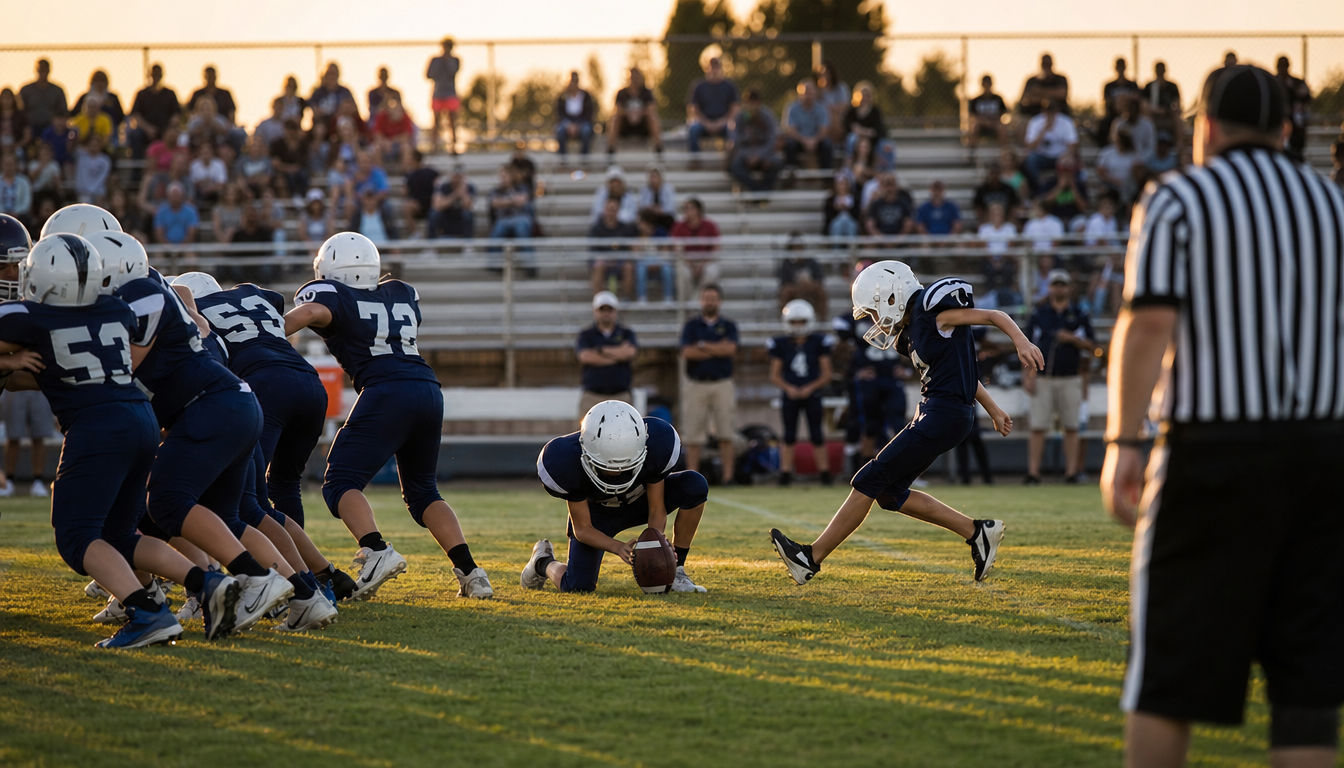
Clock management is one of the most valuable coaching skills because it directly affects the number of possessions each team receives. Great clock management is not about complicated mathematics. It is about understanding the game situation, preparing ahead of time, and making calm decisions under pressure.
The best coaches manage the clock before it becomes a problem.

Know Your League Rules
Before the season starts, understand:
- Quarter length.
- Running clock rules.
- Mercy rule procedures.
- Timeout rules.
- Overtime procedures.
Every strategy should be based on your league’s rules.
Think One Possession Ahead
Ask yourself throughout the game:
- How much time remains?
- How many possessions are likely left?
- Do we need to conserve time or use it?
- What is the safest decision?
Thinking ahead prevents rushed decisions.
Use Timeouts Wisely
Timeouts are valuable resources.
Use them to:
- Avoid delay penalties.
- Preserve time late in a half.
- Organize critical situations.
- Calm your team after unexpected events.
Avoid using timeouts for preventable confusion.
Match the Situation
When leading:
- Protect the football.
- Keep the clock moving when appropriate.
- Avoid unnecessary risks.
When trailing:
- Get plays called quickly.
- Preserve time when possible.
- Balance urgency with execution.
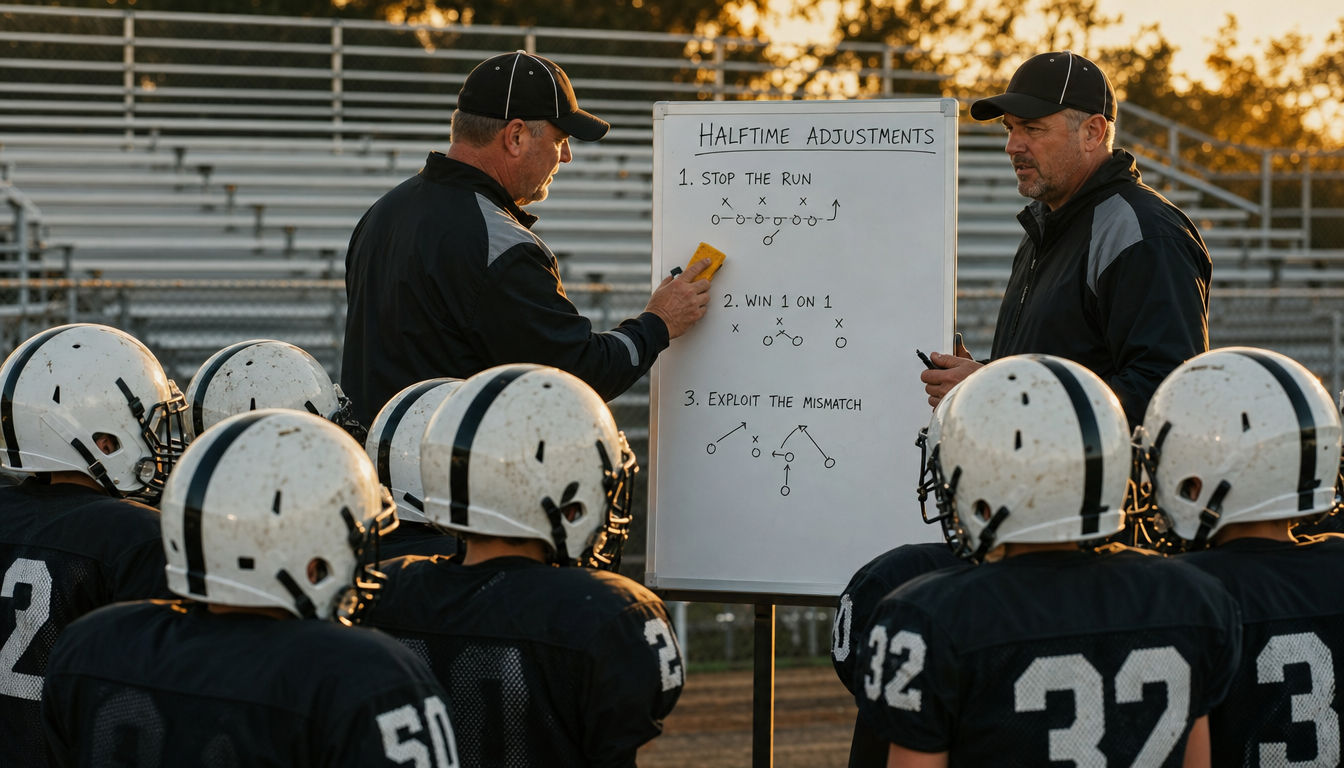
Practice End-of-Half Situations
Include scenarios such as:
- One-minute offense.
- Protecting a late lead.
- Last possession before halftime.
- Last drive of the game.
Players execute better when they have practiced these moments.
Review Your Decisions
After each game, ask:
- Did we use timeouts effectively?
- Did we understand the clock?
- Were our players prepared?
- What would we do differently next time?
Continuous improvement builds confidence.
Common Mistakes
Avoid:
- Forgetting the game clock.
- Wasting timeouts early.
- Panicking late in the game.
- Playing too fast when leading.
- Playing too slowly when trailing.
Frequently Asked Questions
Should I save every timeout?
Not always. A timeout that prevents a major mistake can be well worth using.
When should we practice clock management?
Include game-situation periods throughout the season.
Why do coaches struggle with clock management?
Because many situations are unfamiliar unless they have been practiced.
Key Takeaways
- Know your league’s timing rules.
- Think one possession ahead.
- Treat timeouts as valuable resources.
- Practice late-game situations.
- Stay calm under pressure.
Related Articles
Published by CoachYouths Staff on 07/15/2026
You are NOT currently logged in, you may login or signup for FREE at any time: