Managing Momentum During a Game
Momentum can shift quickly in youth football. A long touchdown, a turnover, or a big defensive stop can energize one team while discouraging the other. Successful coaches recognize these emotional swings without allowing them to control their decision-making.
Great coaches manage momentum by remaining calm, prepared, and focused on the next play.

Understand Momentum
Momentum is often created by:
- Big plays.
- Turnovers.
- Consecutive successful drives.
- Special teams plays.
- Emotional energy from players and spectators.
Recognizing momentum helps coaches respond appropriately instead of reacting emotionally.
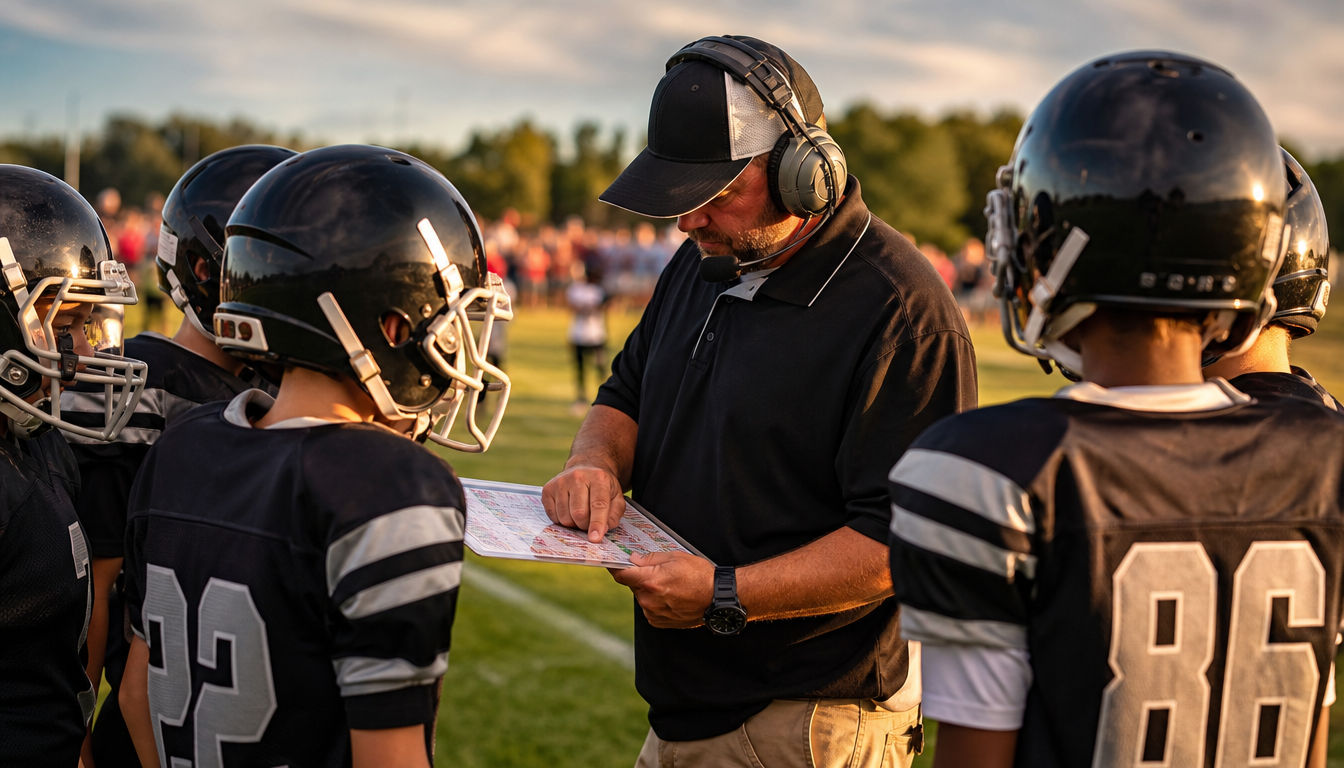
Stay Calm on the Sideline
Players often mirror their coach’s behavior.
Lead by:
- Speaking calmly.
- Giving clear instructions.
- Reinforcing confidence.
- Focusing on solutions instead of blame.
A composed coach builds a composed team.
Refocus on the Next Play
Teach players to think one play at a time.
Remind them to:
- Forget the previous play.
- Execute their assignment.
- Trust their preparation.
- Compete with confidence.
The next snap is always the most important one.
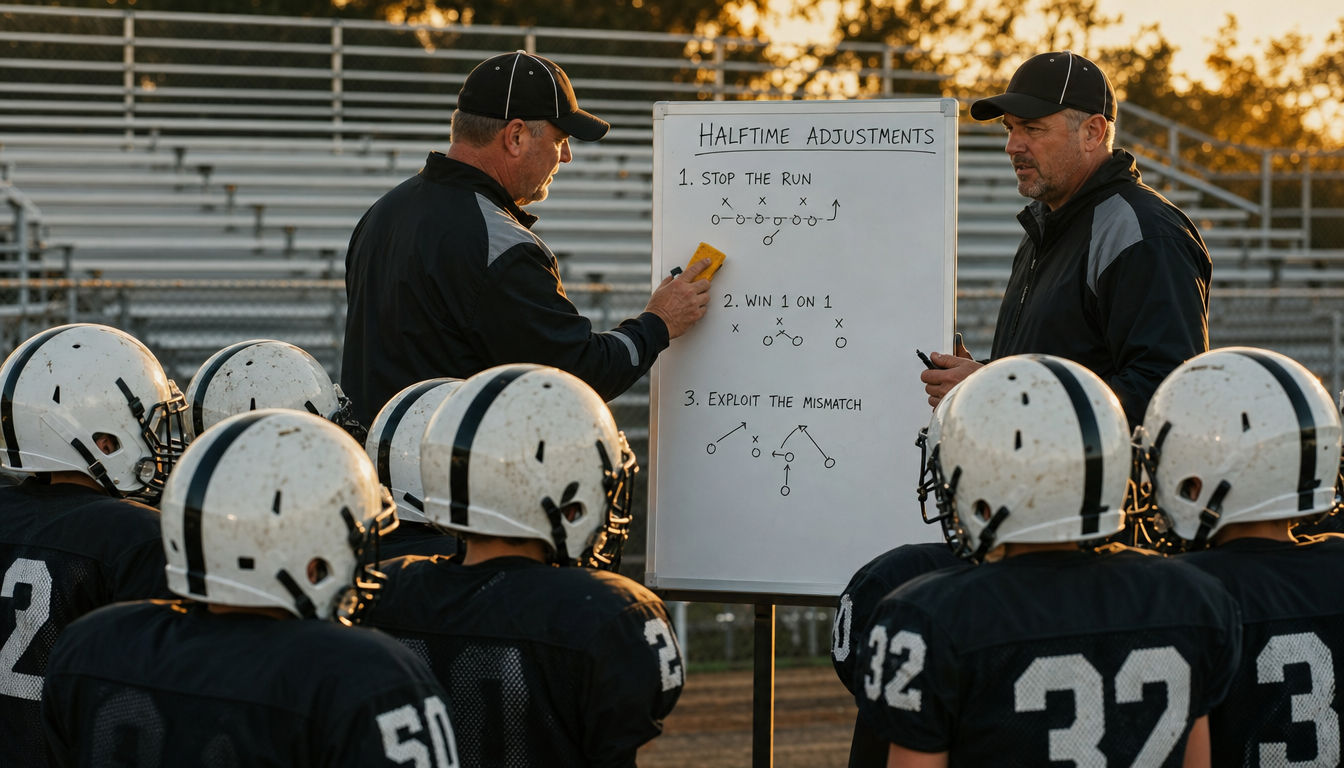
Use Breaks Wisely
During timeouts, injuries, or between possessions:
- Reinforce key assignments.
- Calm emotions.
- Correct one or two important details.
- Encourage positive communication.
Short conversations are often the most effective.
Create Positive Momentum
Momentum is earned through consistent execution.
Look for opportunities to:
- Call high-confidence plays.
- Build on recent success.
- Celebrate effort and teamwork.
- Maintain energy without losing discipline.
Confidence grows from execution.
Evaluate Emotional Trends
Ask yourself:
- Is the team focused?
- Are players becoming frustrated?
- Are emotions affecting execution?
- What message does the team need right now?
Leadership often matters more than strategy.
Common Mistakes
Avoid:
- Coaching emotionally.
- Chasing momentum with risky decisions.
- Dwelling on mistakes.
- Showing frustration toward players.
- Forgetting the game plan.
Frequently Asked Questions
Can one play change momentum?
Yes, but disciplined teams recover quickly by focusing on the next assignment.
Should coaches become more aggressive to regain momentum?
Not automatically. Good decisions remain good decisions regardless of momentum.
How do players regain confidence?
Clear communication, positive leadership, and successful execution on the next play.
Key Takeaways
- Stay calm when momentum changes.
- Focus on the next play.
- Use breaks to reset the team.
- Build confidence through execution.
- Let preparation guide decisions instead of emotion.
Related Articles
Published by CoachYouths Staff on 07/15/2026
You are NOT currently logged in, you may login or signup for FREE at any time: