How to Teach Pursuit Angles
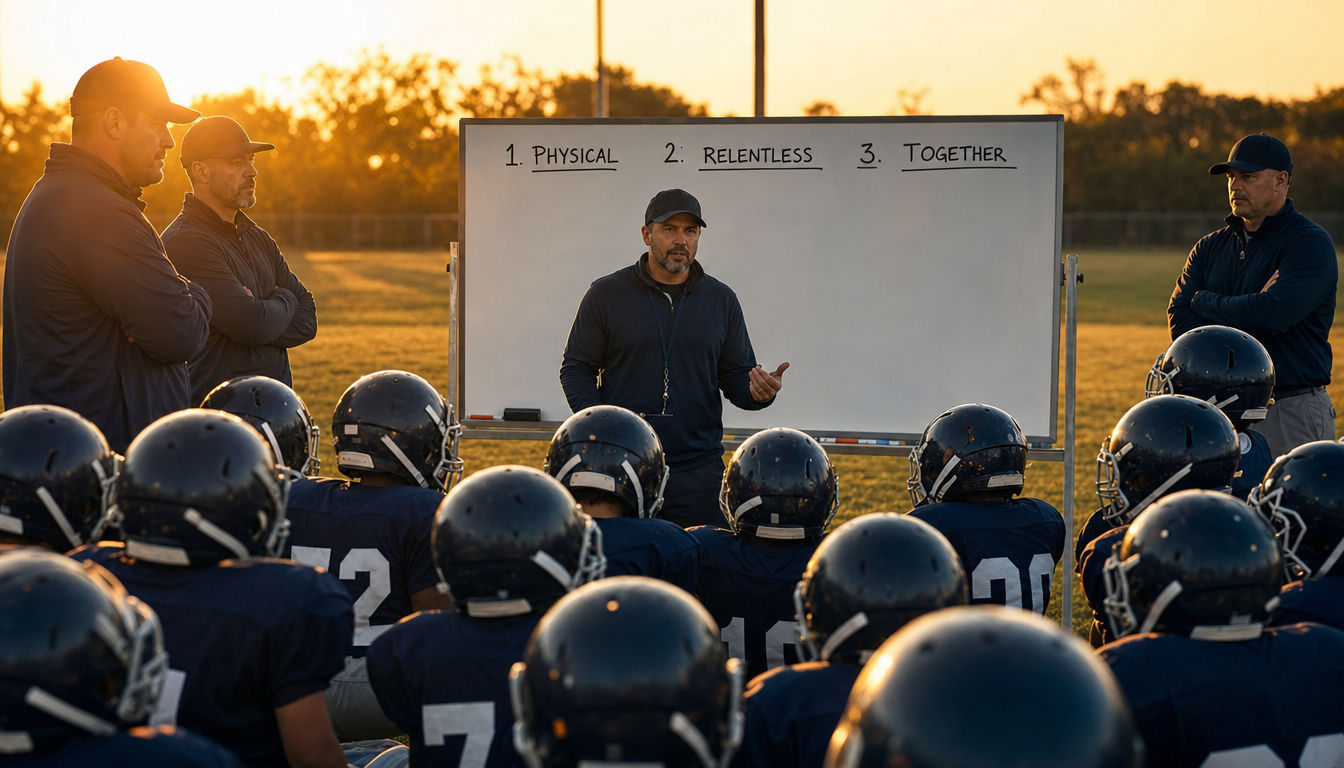
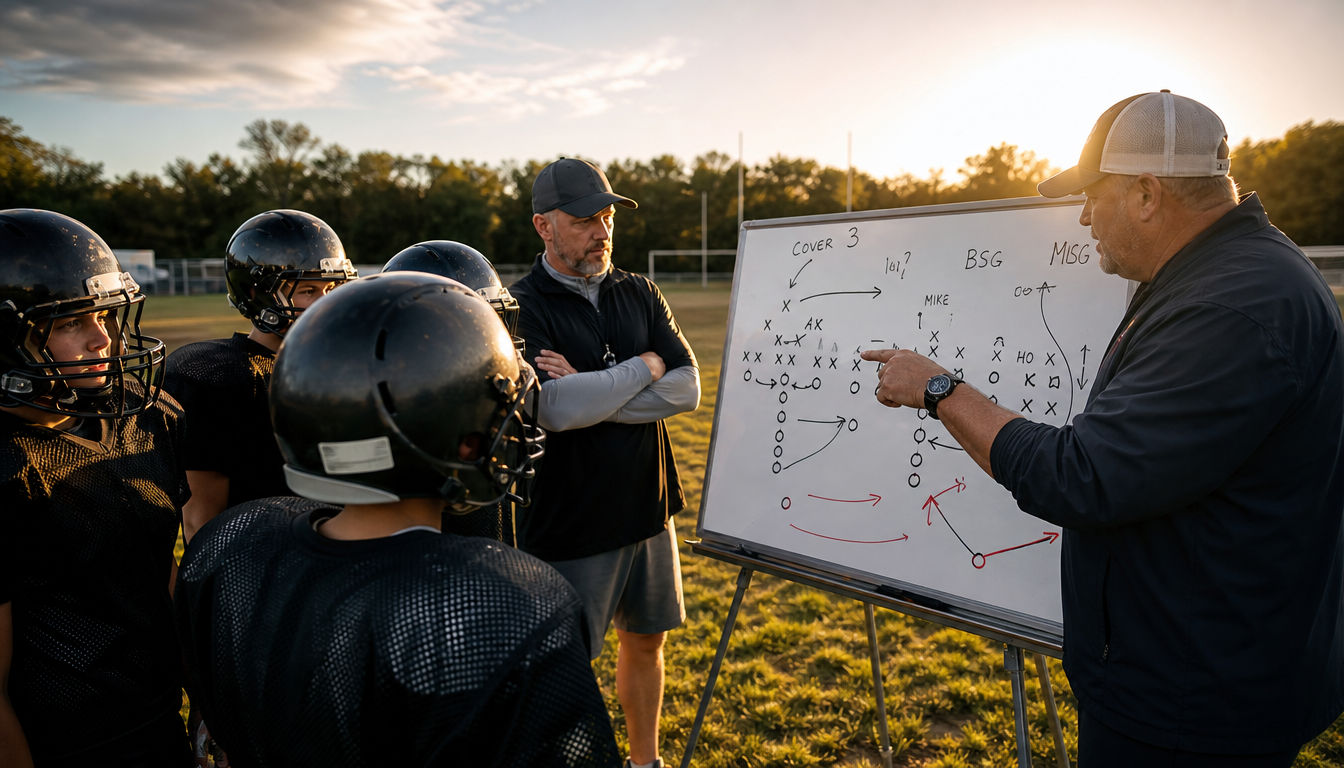
Great defenses do not rely on one player making every tackle. They swarm to the football by taking smart pursuit angles that cut off the runner instead of chasing where the runner has already been. Teaching pursuit is one of the fastest ways to improve a youth defense because it turns individual defenders into a coordinated unit.
The objective is not simply to run fast. It is to arrive at the right place under control.
What Is a Pursuit Angle?
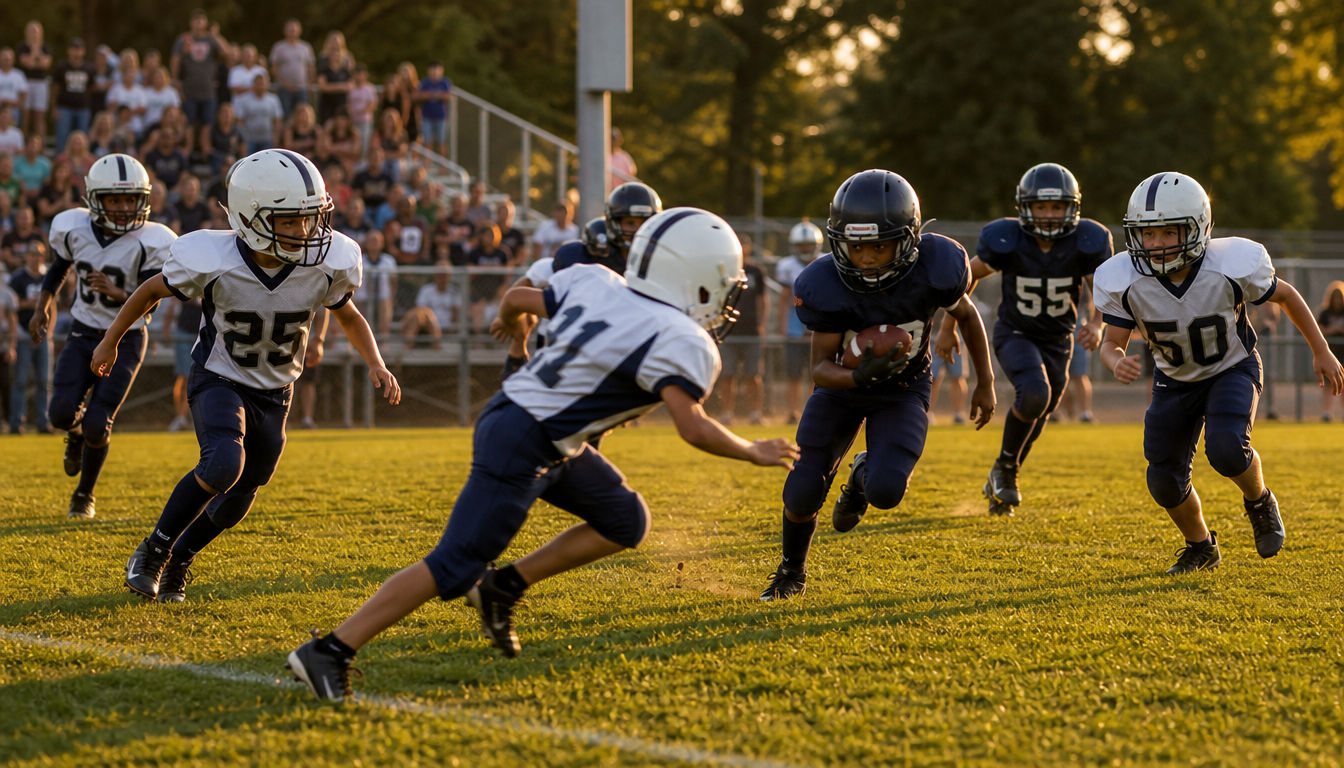
A pursuit angle is the path a defender takes to reach the ball carrier.
A good pursuit angle:
- Cuts off the runner.
- Prevents cutback lanes.
- Allows the defender to stay balanced.
- Helps teammates arrive together.
Poor angles often lead to missed tackles and big plays.
Do Not Chase the Ball
Young players naturally run directly toward the football.
Instead, teach them to:
- Read the runner’s path.
- Take an angle in front of the runner.
- Stay outside when responsible for contain.
- Trust teammates inside.
Running to where the runner will be is more effective than chasing where they are.
Pursue Under Control
Fast feet are important, but balance matters too.
Coach players to:
- Keep their shoulders square.
- Break down before contact.
- Keep their eyes on the runner’s hips.
- Finish with proper tackling technique.
Arriving out of control often turns a good angle into a missed tackle.
Every Player Has a Role
The closest defender is not the only defender.
Teach pursuit responsibilities:
- First defender slows or secures the tackle.
- Second defender arrives to help.
- Third and fourth defenders eliminate escape routes.
Relentless pursuit limits big gains.
Practice Pursuit Every Week
Include pursuit drills that emphasize:
- Proper angles.
- Team pursuit.
- Contain responsibilities.
- Finishing the play.
Run drills from different field positions so players learn to react from anywhere.
Evaluate During Games
Ask yourself:
- Are players taking good angles?
- Are defenders overrunning the play?
- Are cutback lanes appearing?
- Is everyone pursuing until the whistle?
These observations usually reveal whether pursuit needs more practice.
Common Mistakes
Avoid:
- Chasing behind the runner.
- Diving too early.
- Forgetting contain responsibilities.
- Stopping after another defender reaches the ball.
- Assuming speed alone solves pursuit problems.
Frequently Asked Questions
Can slower players still make tackles?
Yes. Good pursuit angles often matter more than raw speed.
How often should we practice pursuit?
Every practice. Pursuit is one of the core fundamentals of defensive football.
What causes missed pursuit?
Poor angles, loss of contain, and arriving out of control are common causes.
Key Takeaways
- Pursue where the runner is going, not where they are.
- Stay balanced and under control.
- Trust teammates to do their jobs.
- Practice pursuit every week.
- Great defenses swarm to the football.
Related Articles
Published by CoachYouths Staff on 07/15/2026
You are NOT currently logged in, you may login or signup for FREE at any time: