Coaching Kids with Different Skill Levels
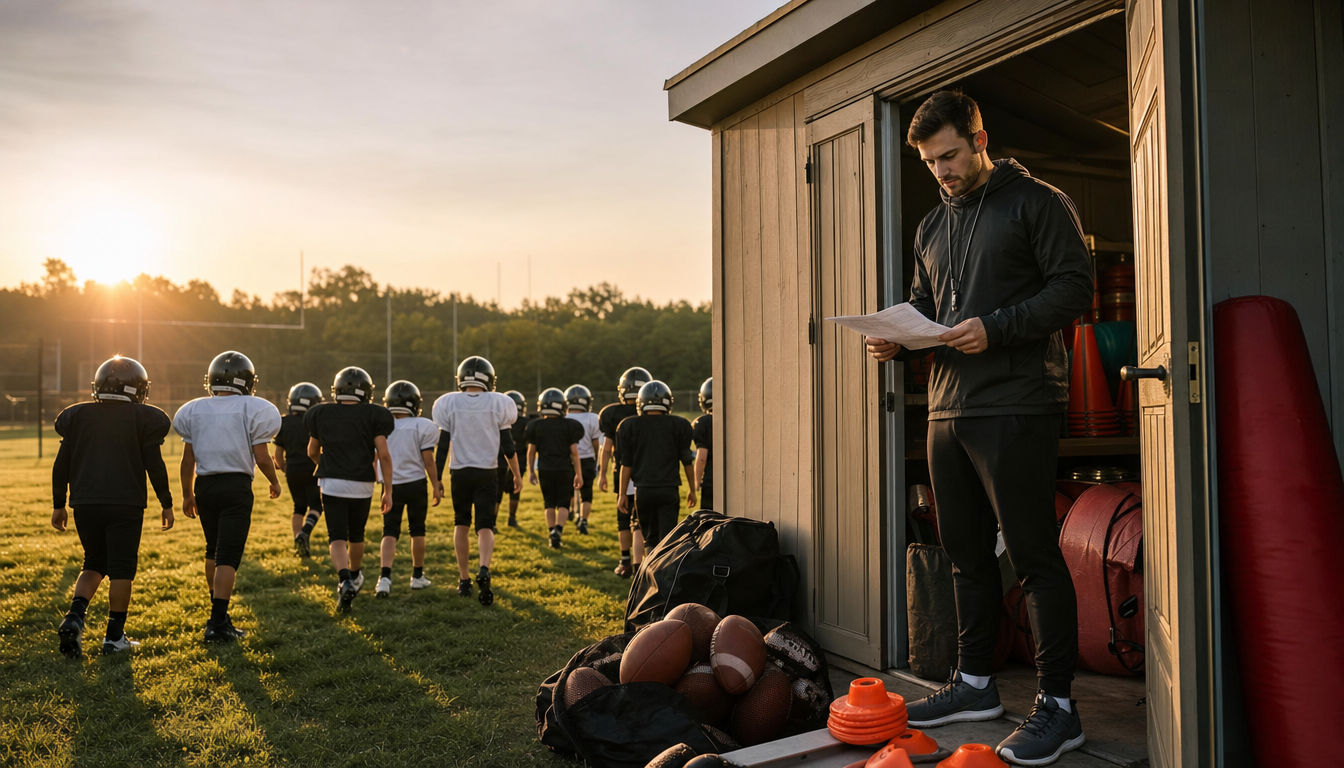
One of the biggest challenges for a volunteer youth football coach is leading a team where every player has a different level of experience. Some children have been playing football for years, while others may be putting on shoulder pads for the first time.
Your goal is not to make every player perform at the same level overnight. Your goal is to help every player improve from where they are today.
Expect Different Starting Points
At your first few practices, you’ll likely see players who:
- Understand football terminology.
- Have good athletic ability but little football knowledge.
- Are still learning basic coordination.
- Lack confidence because they are new to the sport.
This is completely normal.
Evaluate Before You Teach
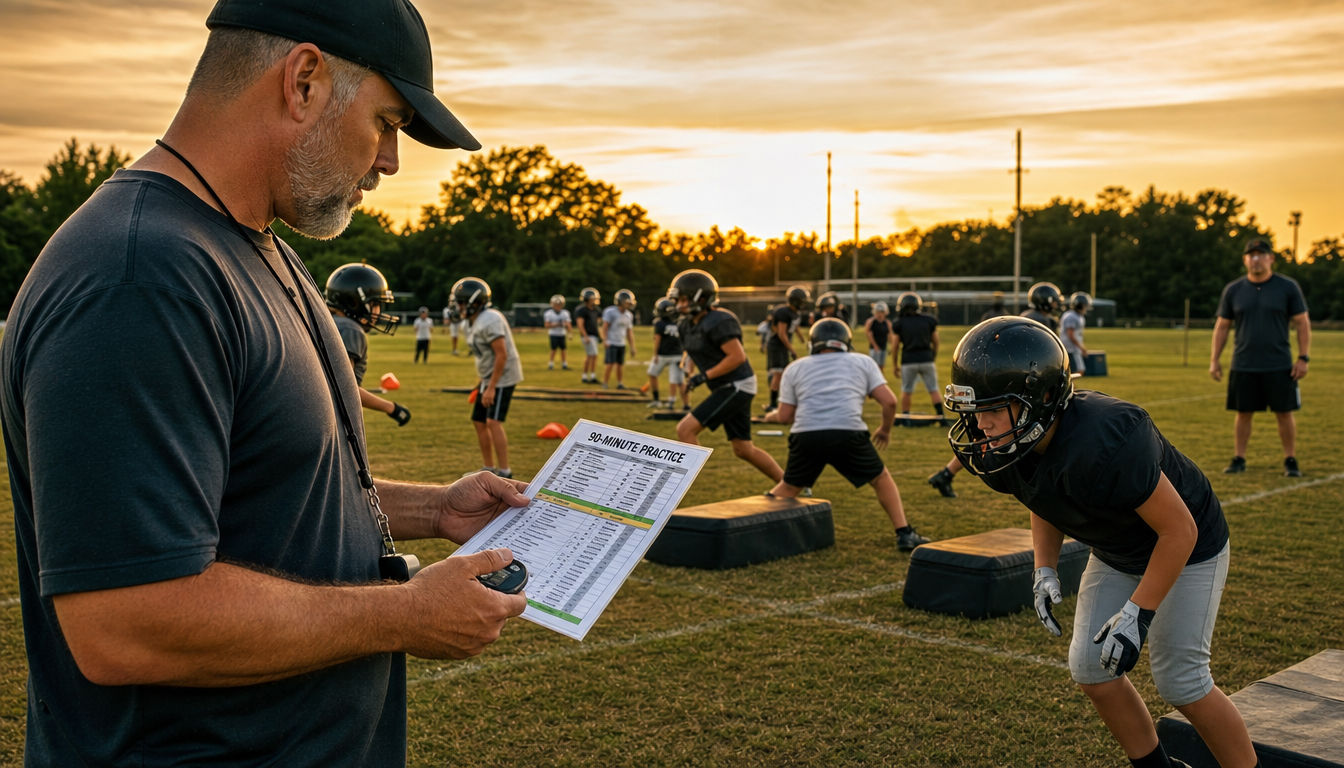
Spend the first practices observing rather than making assumptions.
Watch players:
- Run.
- Catch.
- Throw.
- Block.
- Tackle safely.
- Follow instructions.
These observations help you teach at the right level.
Teach Fundamentals First
Every player benefits from mastering the basics.
Prioritize:
- Athletic stance.
- Ball security.
- Proper footwork.
- Safe tackling technique.
- Blocking fundamentals.
- Good sportsmanship.
Strong fundamentals narrow the gap between experienced and inexperienced players.
Break Skills into Small Steps
Avoid teaching an entire technique at once.
Instead:
- Demonstrate the skill.
- Explain one key coaching point.
- Let players practice slowly.
- Increase speed as confidence improves.
- Repeat until the movement becomes natural.
Small successes build confidence.
Group Players When Appropriate
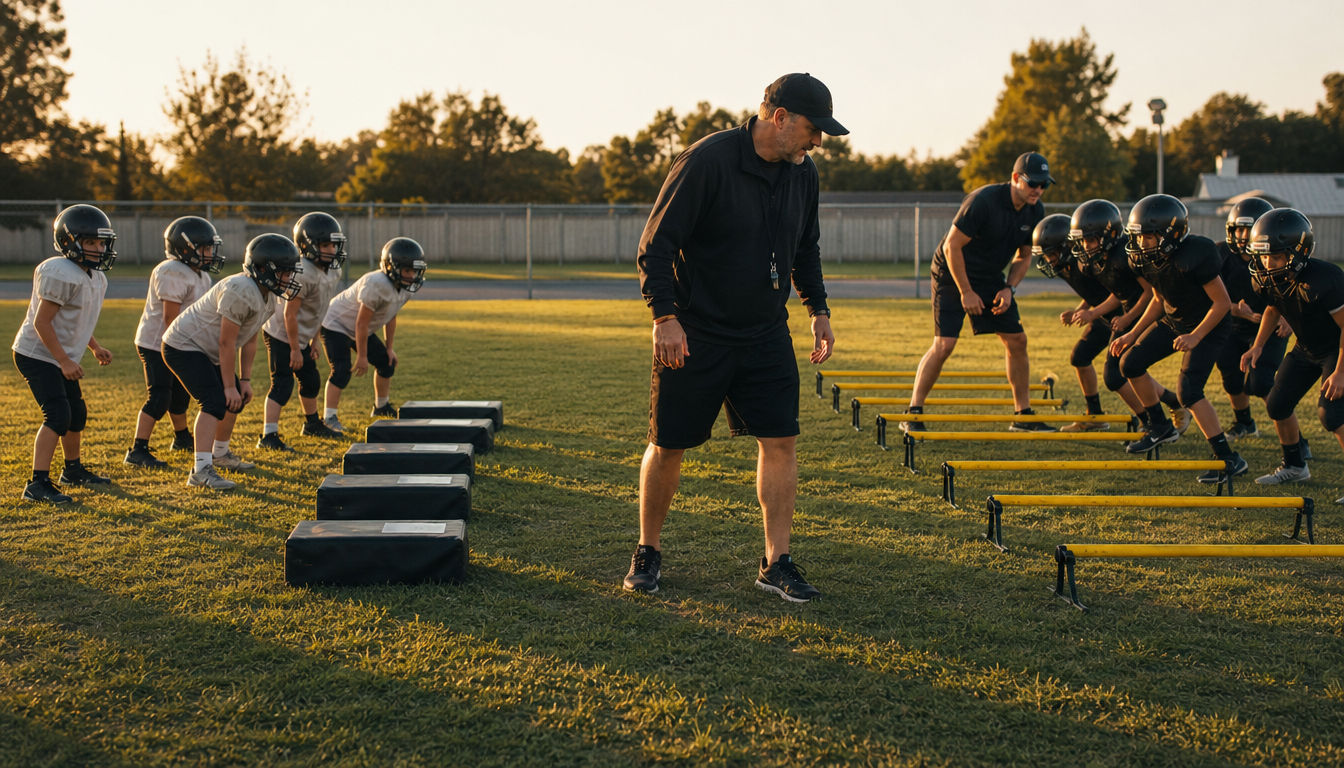
During individual drills, consider grouping players by current ability.
This allows you to:
- Challenge advanced players.
- Give beginners extra repetitions.
- Adjust coaching points.
- Keep everyone engaged.
Avoid labeling groups as “good” or “bad.” Keep the atmosphere positive.
Challenge Every Player
Experienced players still need opportunities to grow.
Increase the difficulty by:
- Adding decision-making.
- Increasing drill speed.
- Teaching advanced techniques.
- Asking them to demonstrate proper form.
Everyone should leave practice feeling challenged.
Celebrate Improvement
Improvement looks different for every player.
Recognize effort such as:
- Better technique.
- Increased confidence.
- Hustle.
- Positive attitude.
- Helping teammates.
Improvement is more important than comparison.
Avoid Comparing Players
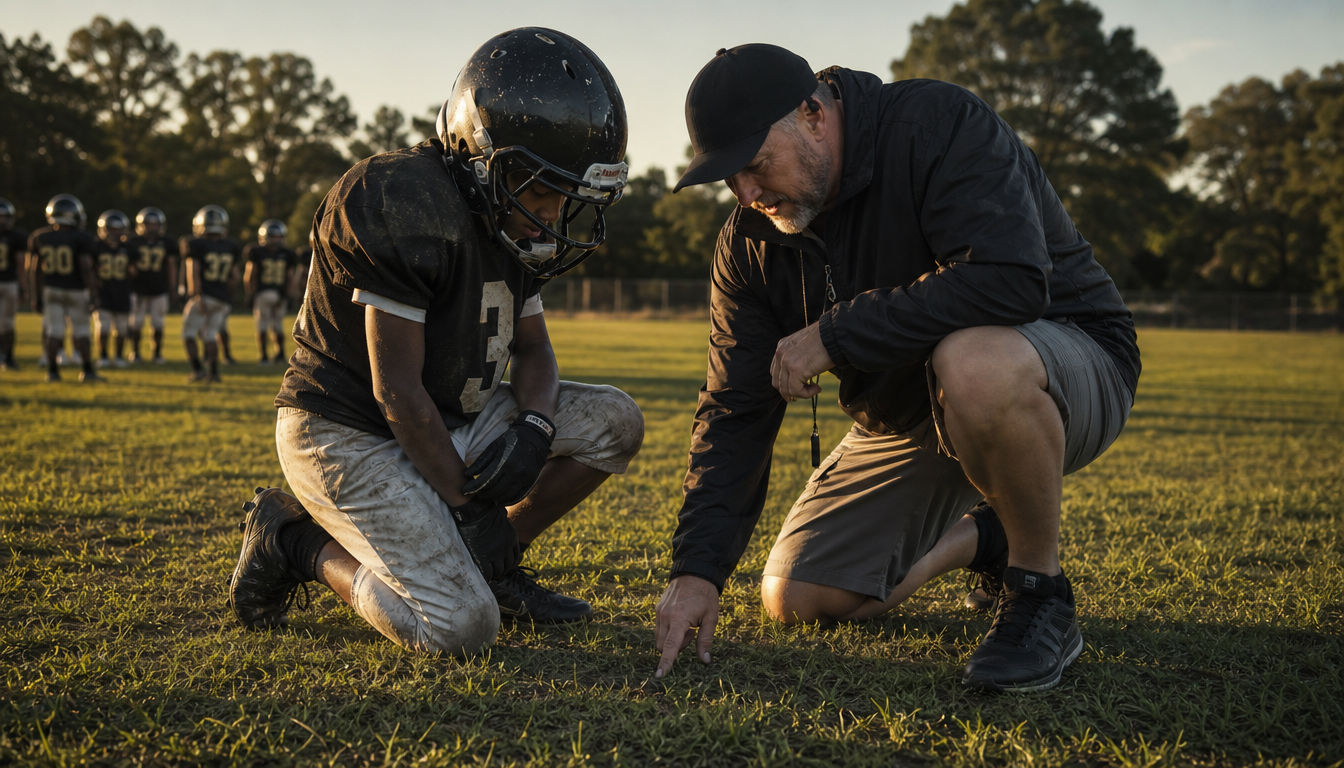
Never embarrass a player by comparing them to a teammate.
Instead of saying:
“Why can’t you do it like Alex?”
Try:
“You’re getting closer. Let’s focus on your next step.”
Positive coaching encourages long-term development.
Be Patient
Learning football takes time.
Some players improve quickly.
Others need additional repetition before skills become consistent.
Patience is one of the most valuable coaching traits you can develop.
Frequently Asked Questions
Should beginners play the same positions as experienced players?
Evaluate each player individually. Early in the season, focus on positions where they can learn and contribute successfully.
How do I keep advanced players from getting bored?
Increase the challenge, add leadership opportunities, and continue teaching new techniques.
How can I help less confident players?
Give clear instructions, celebrate small victories, and provide frequent encouragement.
Key Takeaways
- Expect a wide range of ability levels.
- Evaluate players before assigning roles.
- Focus on fundamentals.
- Break skills into manageable steps.
- Challenge every player appropriately.
- Celebrate improvement instead of comparison.
- Stay patient throughout the season.
Related Articles
Published by CoachYouths Staff on 07/15/2026
You are NOT currently logged in, you may login or signup for FREE at any time: