Short-Yardage Offense Strategies
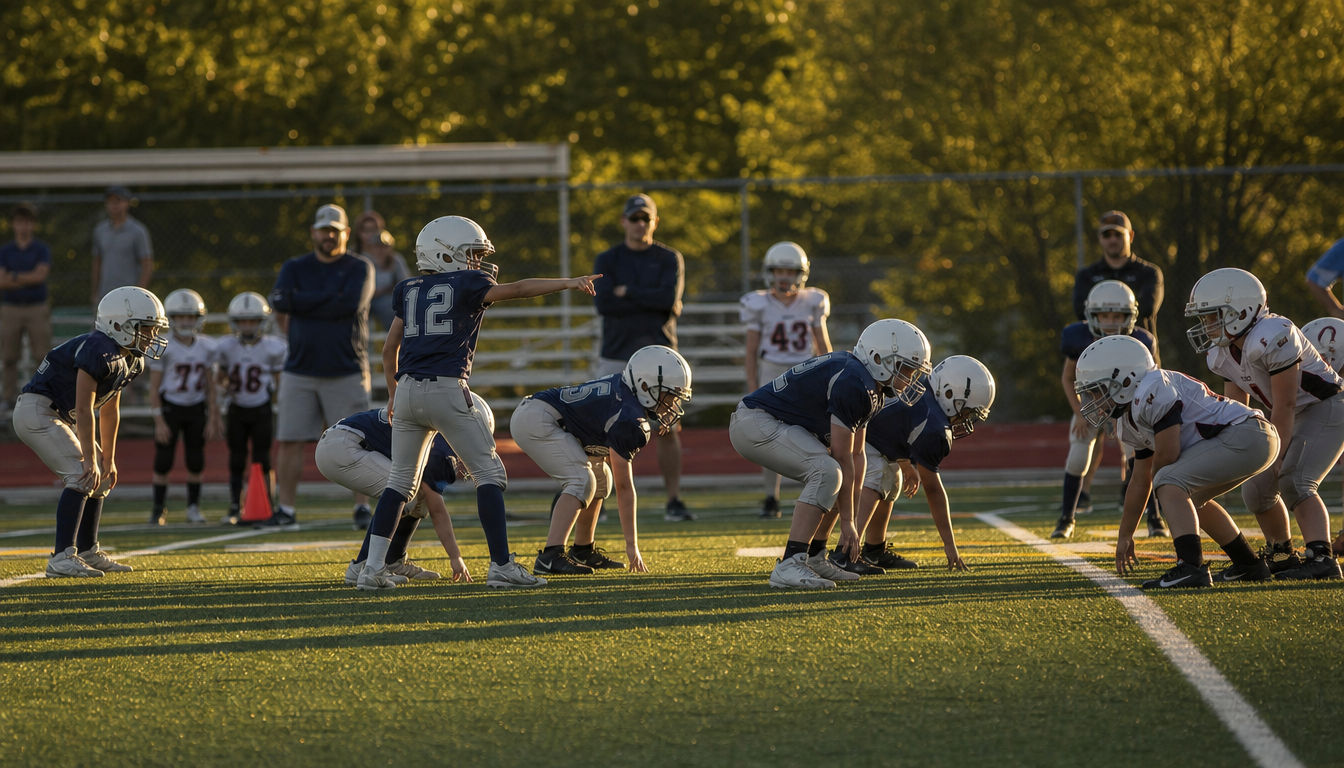
Third-and-one. Fourth-and-inches. Goal line from the two-yard line. These are some of the most important plays in a youth football game. While many coaches search for a “perfect” short-yardage play, successful teams usually rely on excellent fundamentals, confidence, and repetition rather than trick plays.
When only a few yards are needed, execution matters far more than creativity.

Understand the Situation
Not every short-yardage situation is the same.
Ask yourself:
- How many yards do we actually need?
- Where is the football on the field?
- How has the defense aligned?
- Which play has worked best today?
- What does our offensive line do well?
The answer should guide your decision.
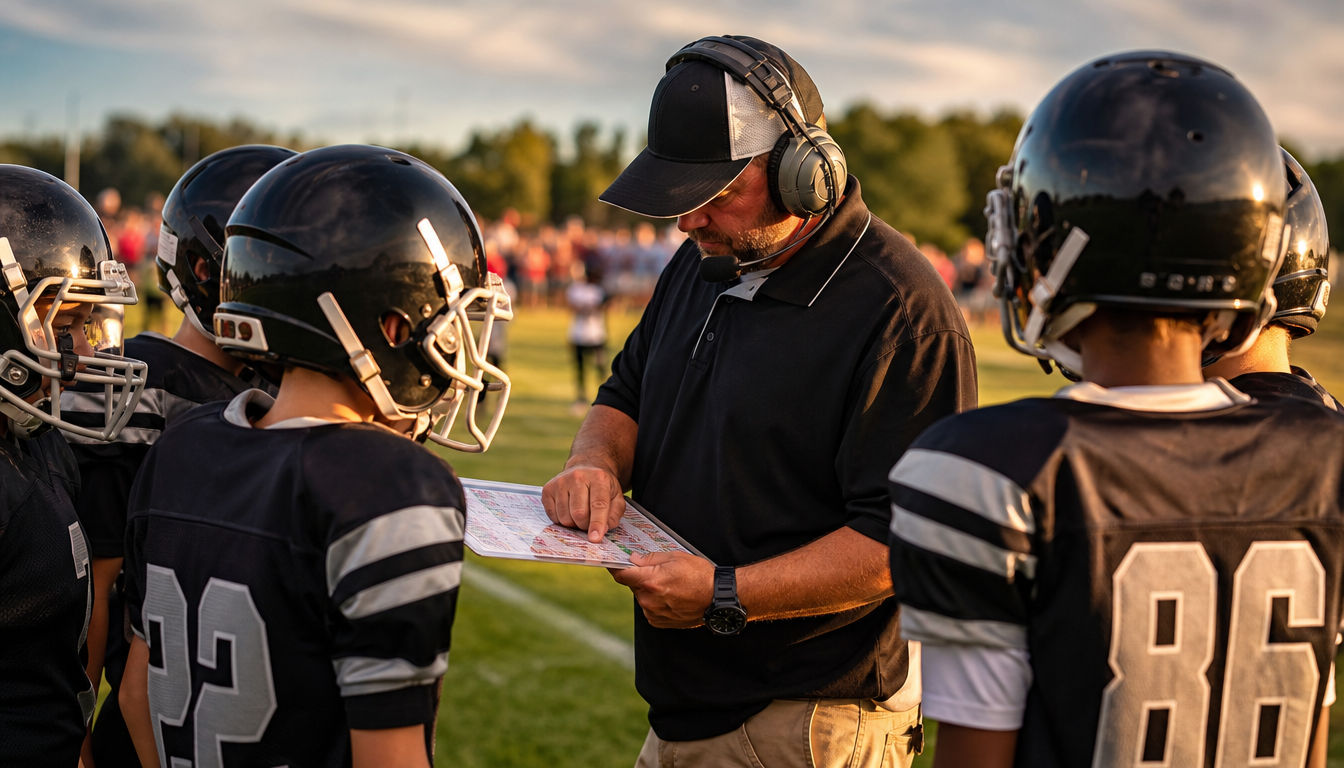
Trust Your Best Play
Many coaches make the mistake of saving their favorite play for a “better” moment.
Short-yardage is that moment.
Call the play your team executes most consistently.
Confidence comes from repetition.
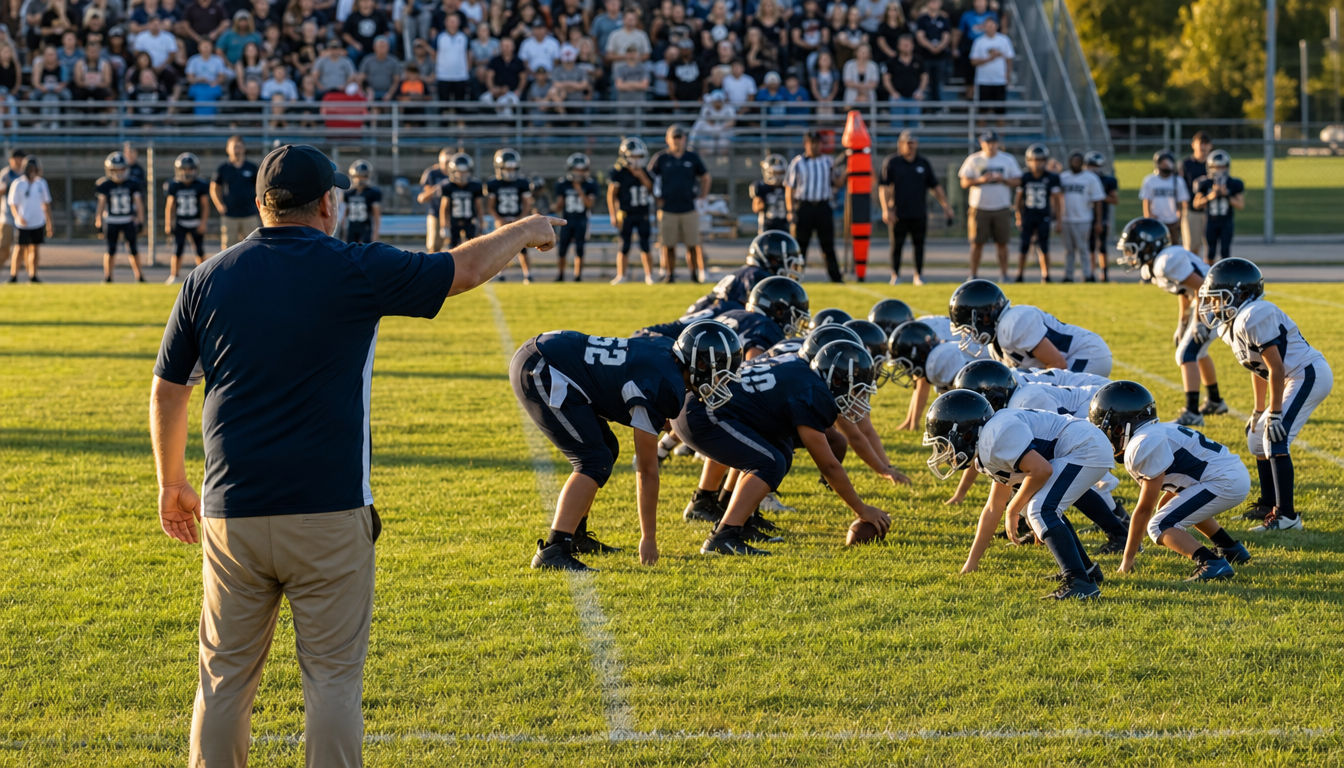
Win at the Line of Scrimmage
Most short-yardage plays are decided before the running back reaches the line.
Emphasize:
- Low pad level.
- Explosive first steps.
- Proper blocking angles.
- Finishing blocks.
- Driving the feet through contact.
A one-yard gain often begins with six players doing the little things correctly.
Attack Quickly
Give the defense as little time as possible to react.
Effective short-yardage concepts often feature:
- Direct downhill runs.
- Quick handoffs.
- Quarterback sneaks.
- Fullback dives.
- Simple power plays.
Avoid plays that require slow-developing backfield action unless your team executes them exceptionally well.
Recognize Defensive Clues
Before the snap, look for signs that may influence your play call.
Examples include:
- Defensive tackles pinching inside.
- Linebackers creeping toward the line.
- Uncovered edges.
- Defensive ends lining up unusually wide.
Teach yourself to notice these details before every snap.
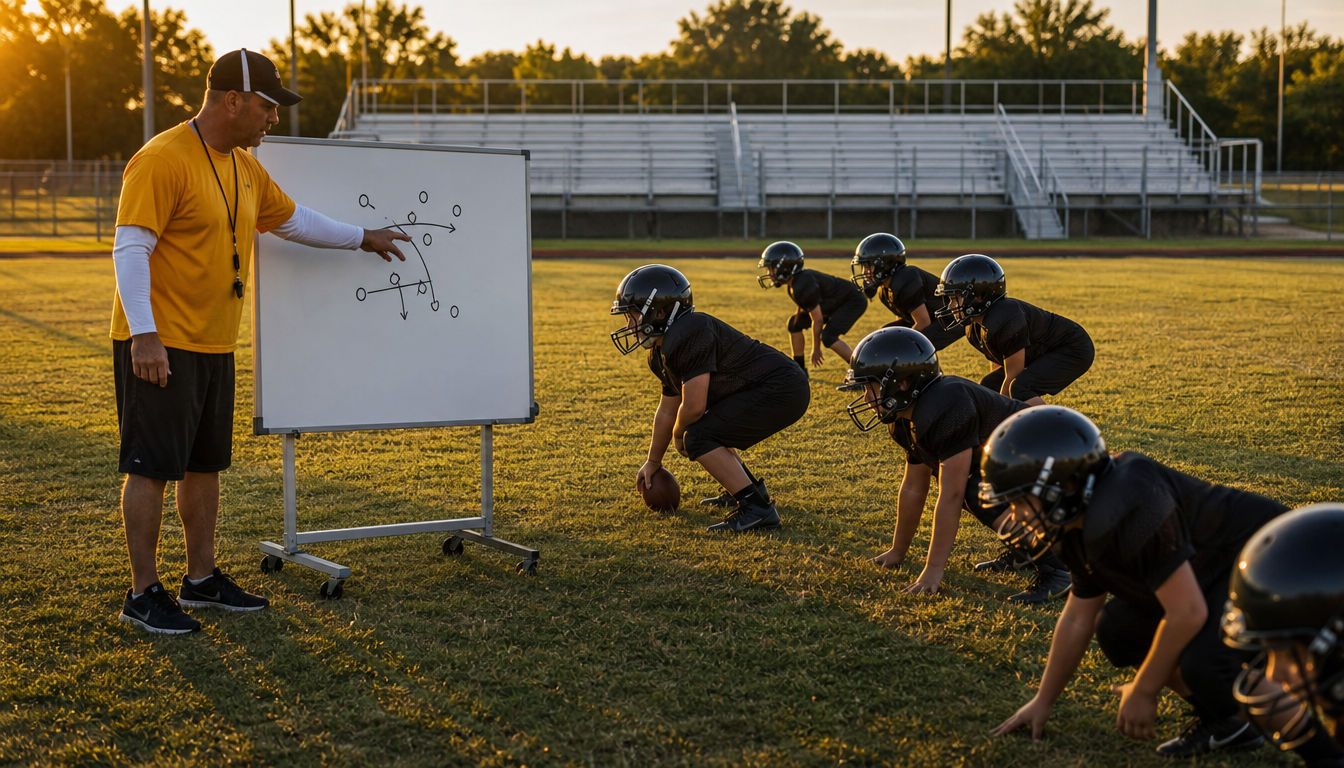
Practice Short-Yardage Every Week
Do not assume players will execute under pressure if they rarely practice these situations.
Include:
- Third-and-one.
- Fourth-and-short.
- Goal line.
- Backed-up offense near your own goal line.
Game situations should become familiar rather than stressful.
Common Mistakes
Avoid:
- Installing a special play only for one situation.
- Calling low-percentage trick plays.
- Running sideways when one yard is needed.
- Changing your identity because of the scoreboard.
- Forgetting ball security.
Frequently Asked Questions
Should we always run the football on short yardage?
Most youth teams succeed by running, but the best decision depends on your personnel and the defensive alignment.
Is a quarterback sneak effective?
It can be one of the highest-percentage short-yardage plays when practiced properly.
Should we hurry to the line?
If your players are organized and comfortable, a quick tempo can prevent the defense from making substitutions or adjustments.
Key Takeaways
- Trust your highest-confidence play.
- Focus on winning the line of scrimmage.
- Attack downhill whenever possible.
- Study defensive alignment before the snap.
- Practice short-yardage situations every week.
Related Articles
Published by CoachYouths Staff on 07/15/2026
You are NOT currently logged in, you may login or signup for FREE at any time: