How to Use Tempo to Your Advantage
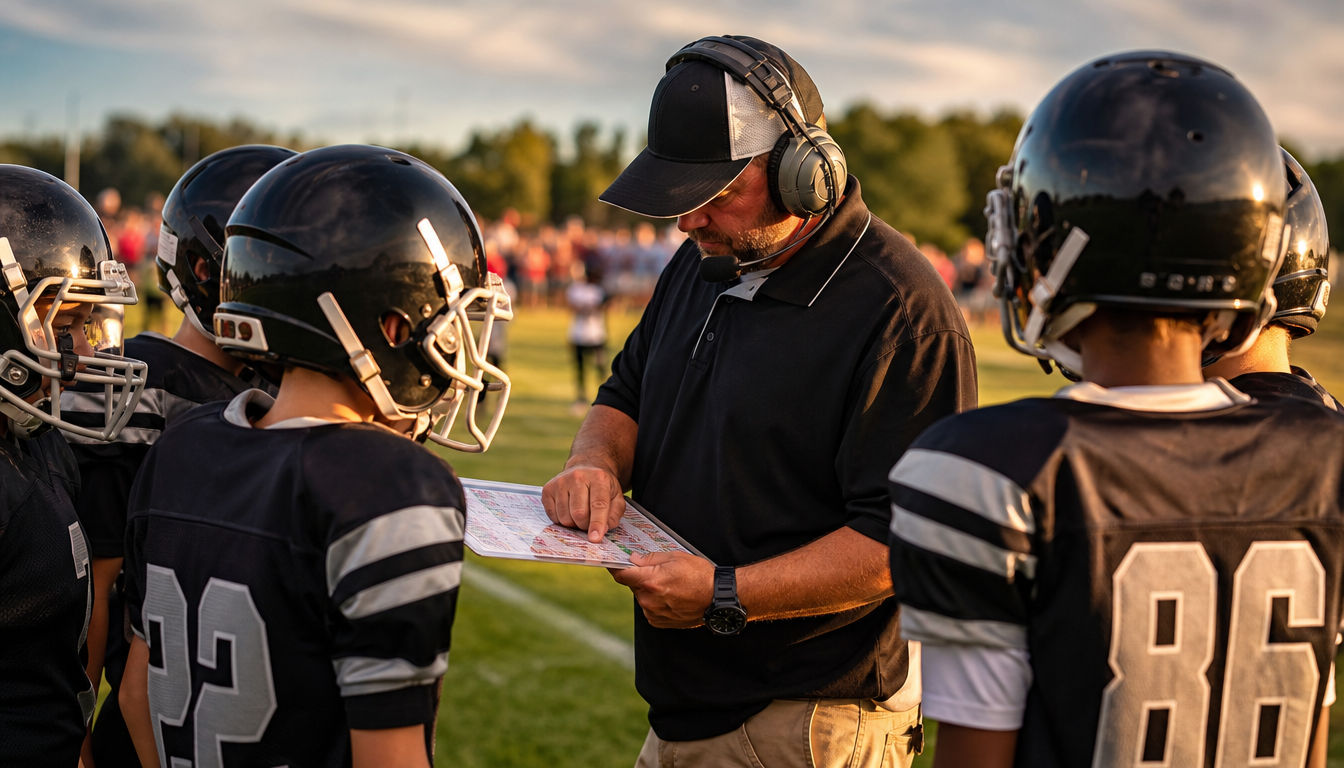
Tempo is the speed at which your offense lines up, communicates, and snaps the football. Many coaches think tempo only means playing as fast as possible, but effective offenses know when to speed up, when to slow down, and when to maintain a steady rhythm.
Changing tempo is a coaching tool that can influence both your offense and your opponent.
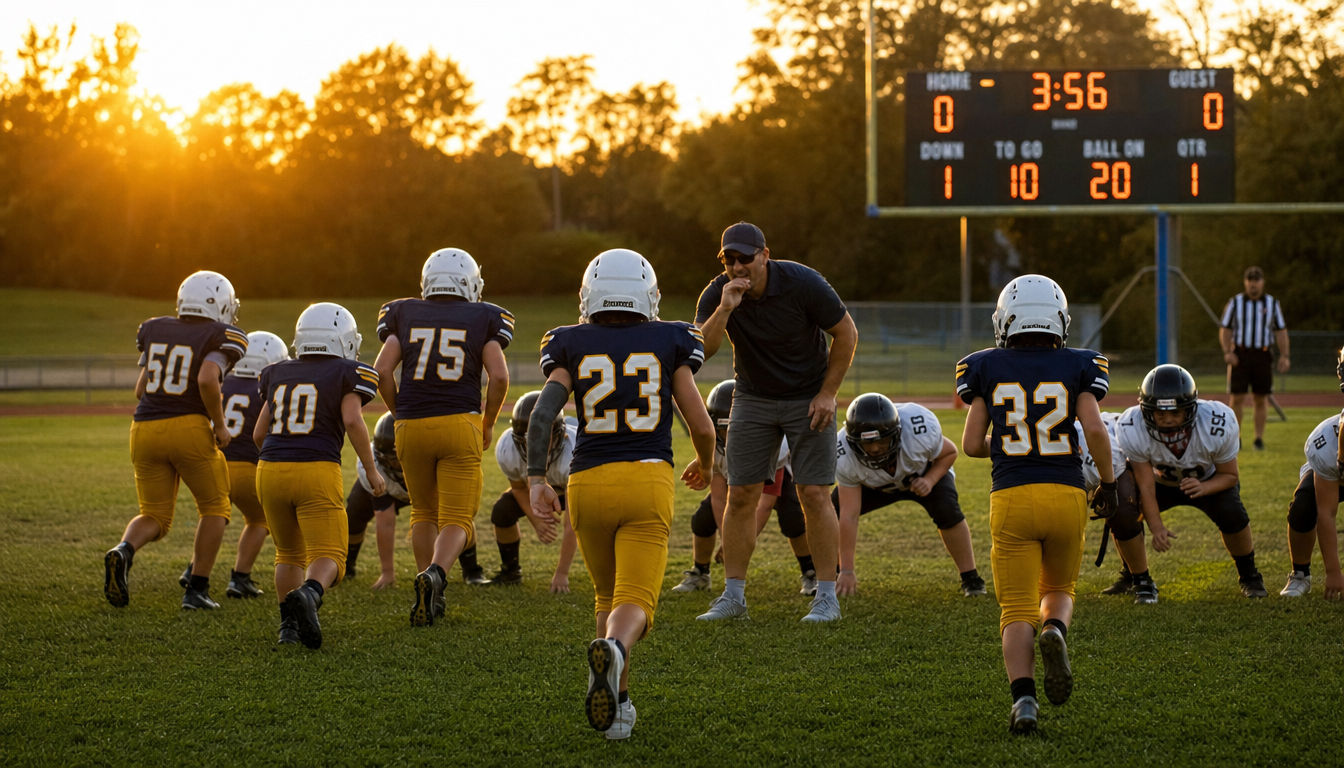
What Is Offensive Tempo?
Tempo includes:
- How quickly players line up.
- How fast the play is called.
- Time between plays.
- Overall offensive rhythm.
Fast is not always better. The right tempo depends on the situation.
When to Speed Up
Increasing tempo can be useful when:
- The defense looks tired.
- You have found a successful play.
- The opponent is struggling to substitute.
- Time is limited late in the game.
- Your players are confident and organized.
Speed should never come at the expense of execution.
When to Slow Down
Reducing tempo can help when:
- Protecting a lead.
- Players need to regroup.
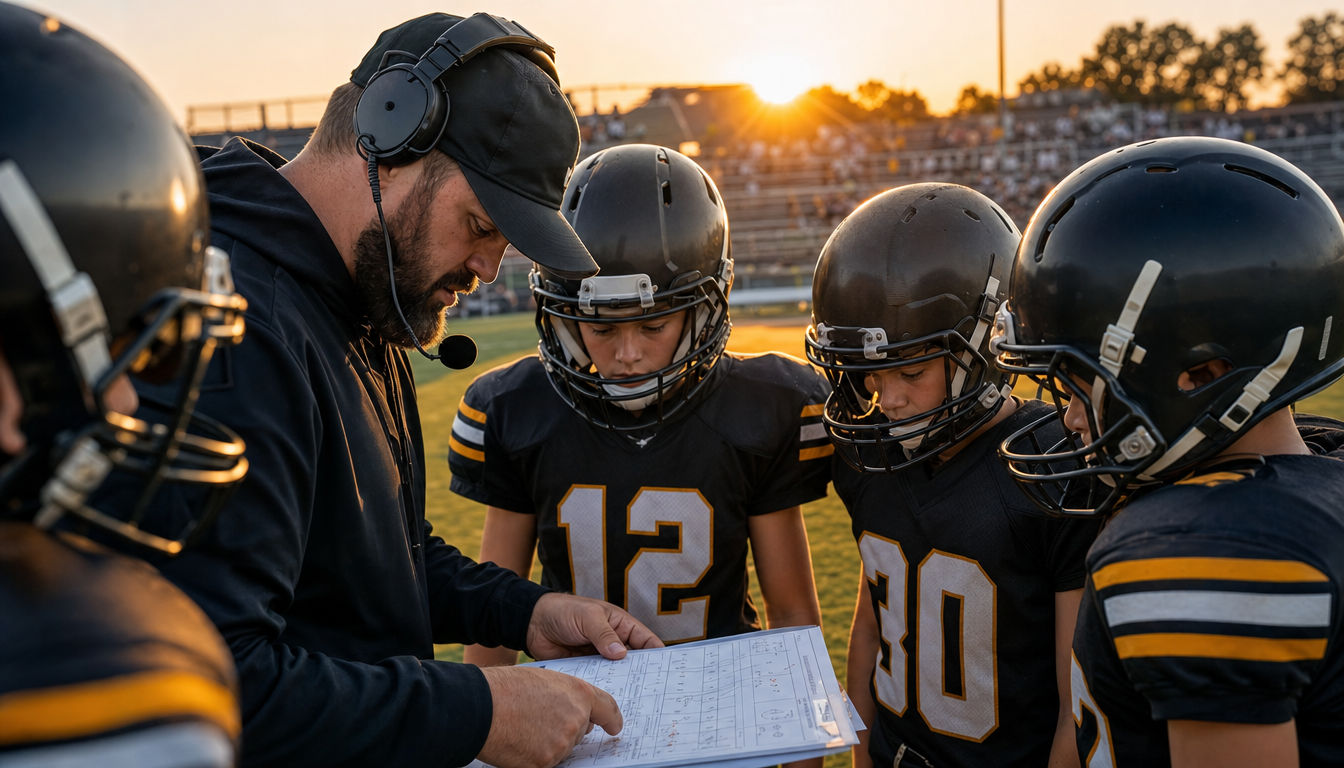
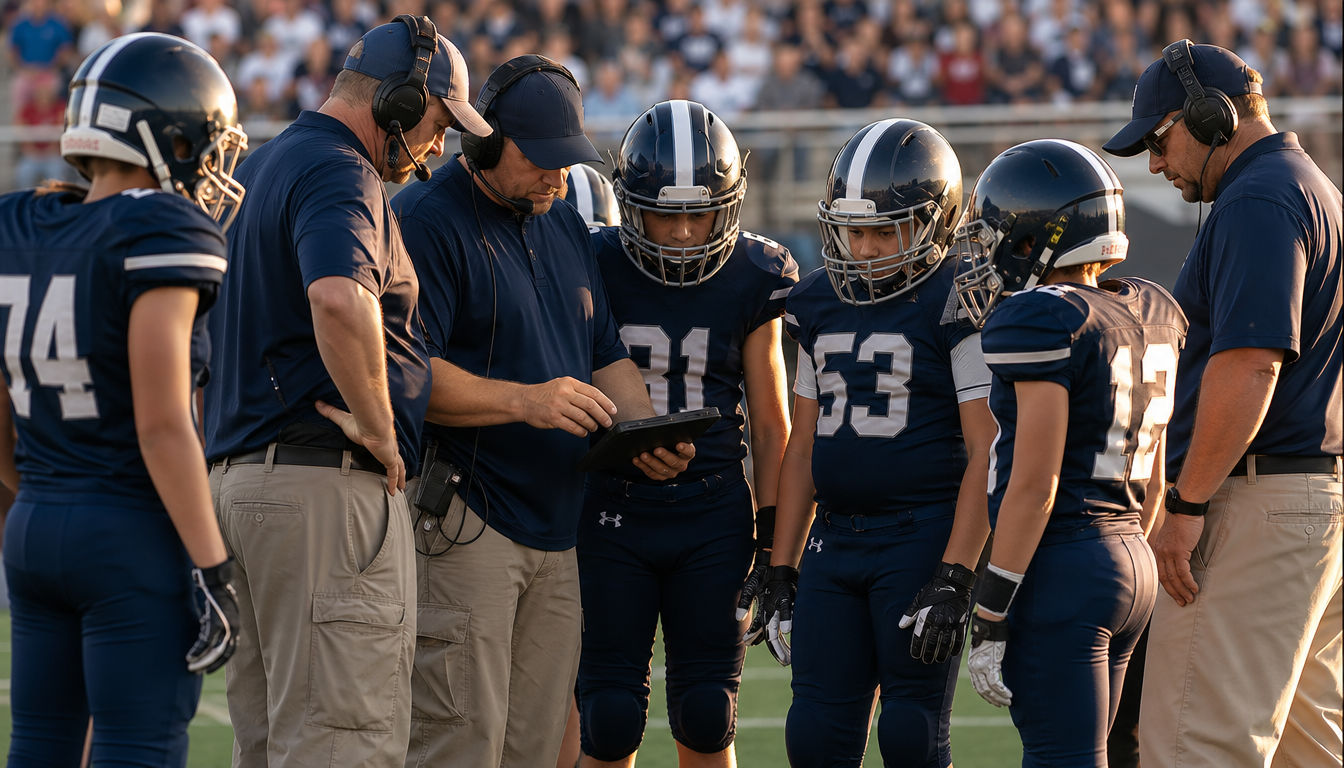
- Coaches need to communicate adjustments.
- The defense is creating confusion.
- Ball security becomes the priority.
A slower pace often helps young players settle down.
Stay Organized
Tempo should never create chaos.
Players should know:
- Where to line up.
- The play call.
- Their assignment.
- The snap count.
If communication breaks down, slow the pace until execution improves.
Practice Different Tempos
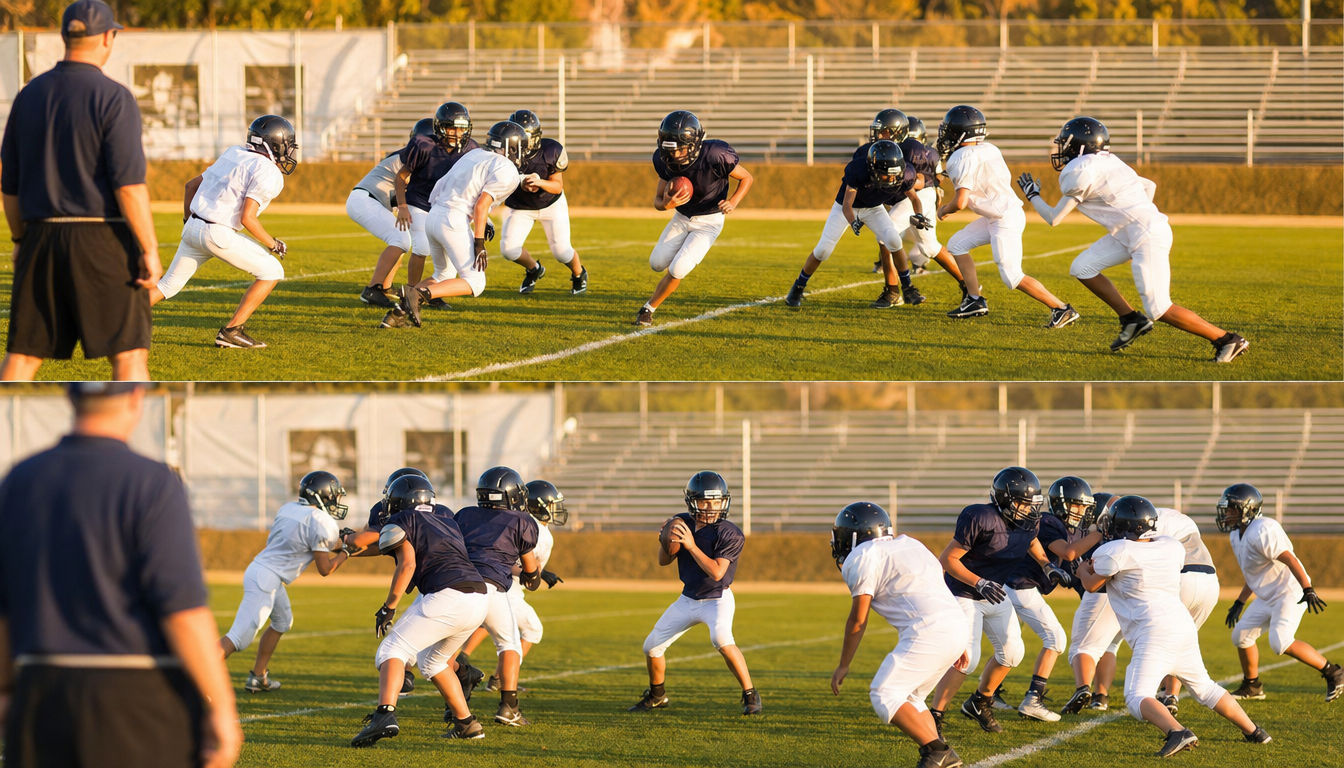
During practice, intentionally rehearse:
- Normal tempo.
- Hurry-up situations.
- Clock-management drives.
- Slow, deliberate drives.
Players become more adaptable when they experience different game speeds.
Observe the Defense
Watch how the defense responds.
Ask yourself:
- Are they substituting?
- Are they lining up correctly?
- Do they look tired?
- Are they communicating?
Your tempo should exploit what you observe.
Common Mistakes
Avoid:
- Playing fast without preparation.
- Rushing inexperienced players.
- Speeding up after mistakes.
- Ignoring communication.
- Forgetting the game situation.
Frequently Asked Questions
Should every youth team play fast?
No. Tempo should match your team’s experience, conditioning, and ability to execute consistently.
Is slowing down a good strategy?
Yes. Slowing the game can protect a lead, improve communication, and reduce mistakes.
How do we practice tempo?
Include specific practice periods where players intentionally change between fast and slow offensive rhythm.
Key Takeaways
- Tempo is about control, not speed.
- Increase pace only when your players remain organized.
- Slow down when communication or execution suffers.
- Practice multiple game tempos.
- Let the situation determine your rhythm.
Related Articles
Published by CoachYouths Staff on 07/15/2026
You are NOT currently logged in, you may login or signup for FREE at any time: