How to Manage the First Offensive Drive
The first offensive drive sets the tone for the rest of the game. While every coach wants to score immediately, the opening possession should also help you evaluate the defense, settle your players into the game, and establish your offensive identity.
A successful first drive is measured by more than points. It should leave you with useful information for the next several possessions.
Start with Confidence
Choose plays your players know well.
Begin with concepts that:
- Have been practiced repeatedly.
- Fit your team’s strengths.
- Allow players to play fast.
- Build early confidence.
Avoid experimenting on the opening drive.
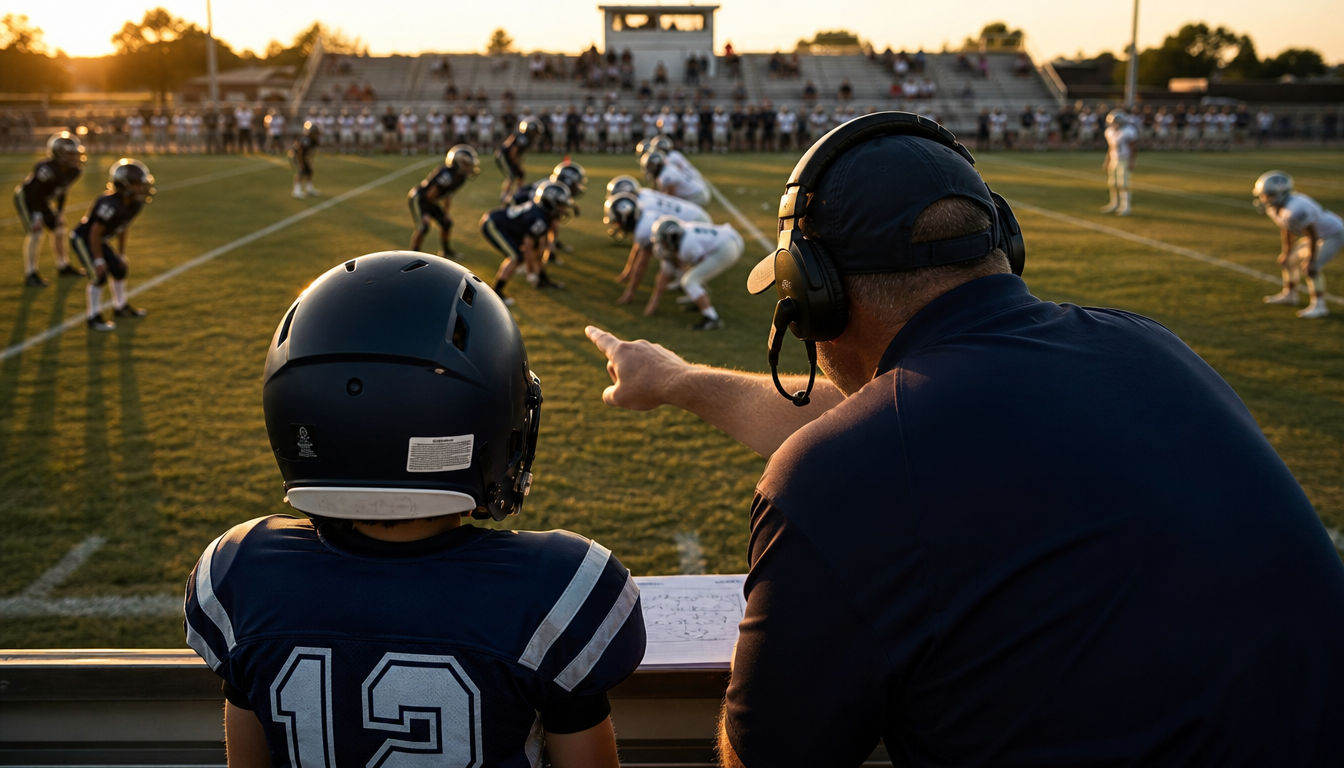
Learn About the Defense
Use your first series to answer questions such as:
- How are linebackers reacting?
- Which side is stronger?
- Are defenders pursuing aggressively?
- Is the secondary giving receivers space?
- Does motion reveal man or zone principles?
These observations become valuable throughout the game.
Stay Patient
One negative play should not change your plan.
Instead:
- Get the next play called quickly.
- Keep players composed.
- Continue evaluating the defense.
- Trust your preparation.
Emotional decisions often lead to bigger mistakes.
Build Positive Momentum
Look for opportunities to create rhythm.
Examples include:
- Completing a short pass.
- Gaining consistent rushing yards.
- Avoiding penalties.
- Executing clean substitutions.
Momentum is built through disciplined execution.
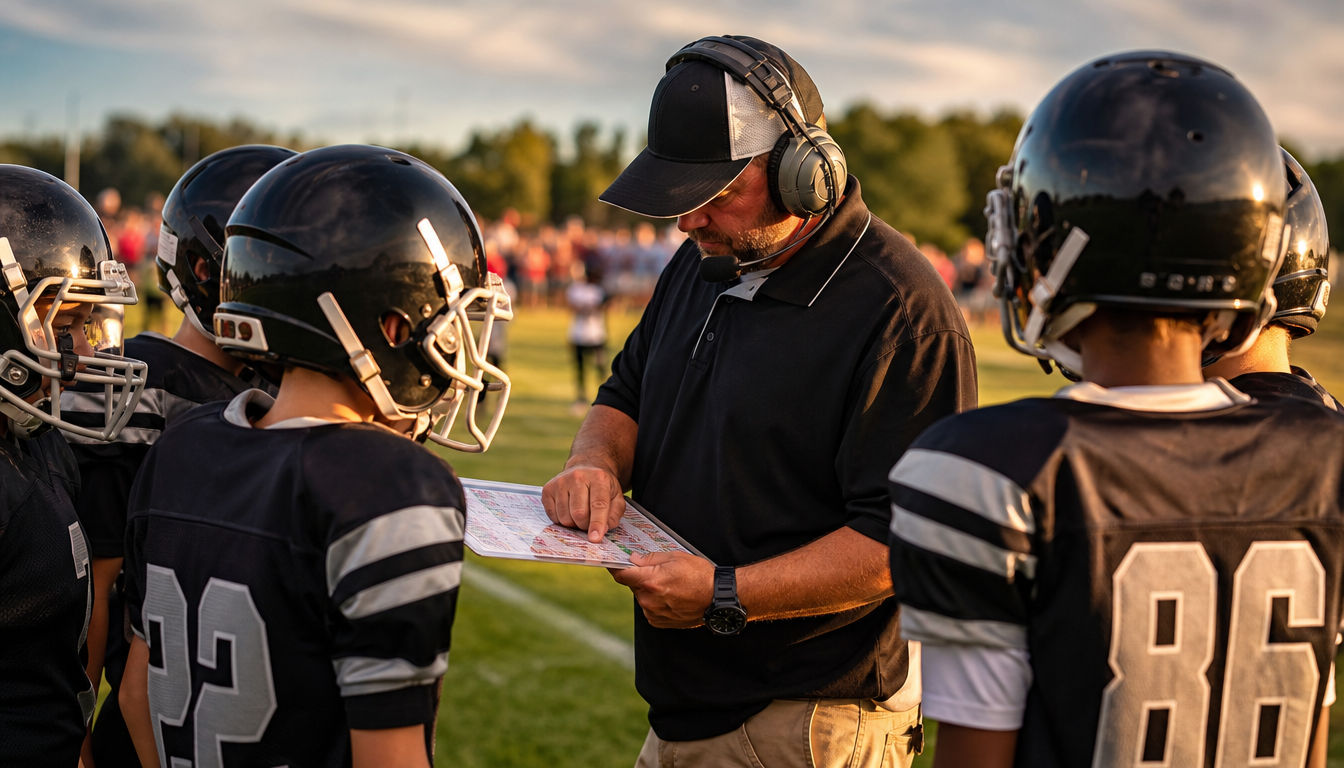
Communicate Clearly
Players are often excited at the beginning of a game.
Keep communication:
- Brief.
- Consistent.
- Positive.
- Confident.
The calmer the sideline feels, the calmer your players will be.
Finish the Drive
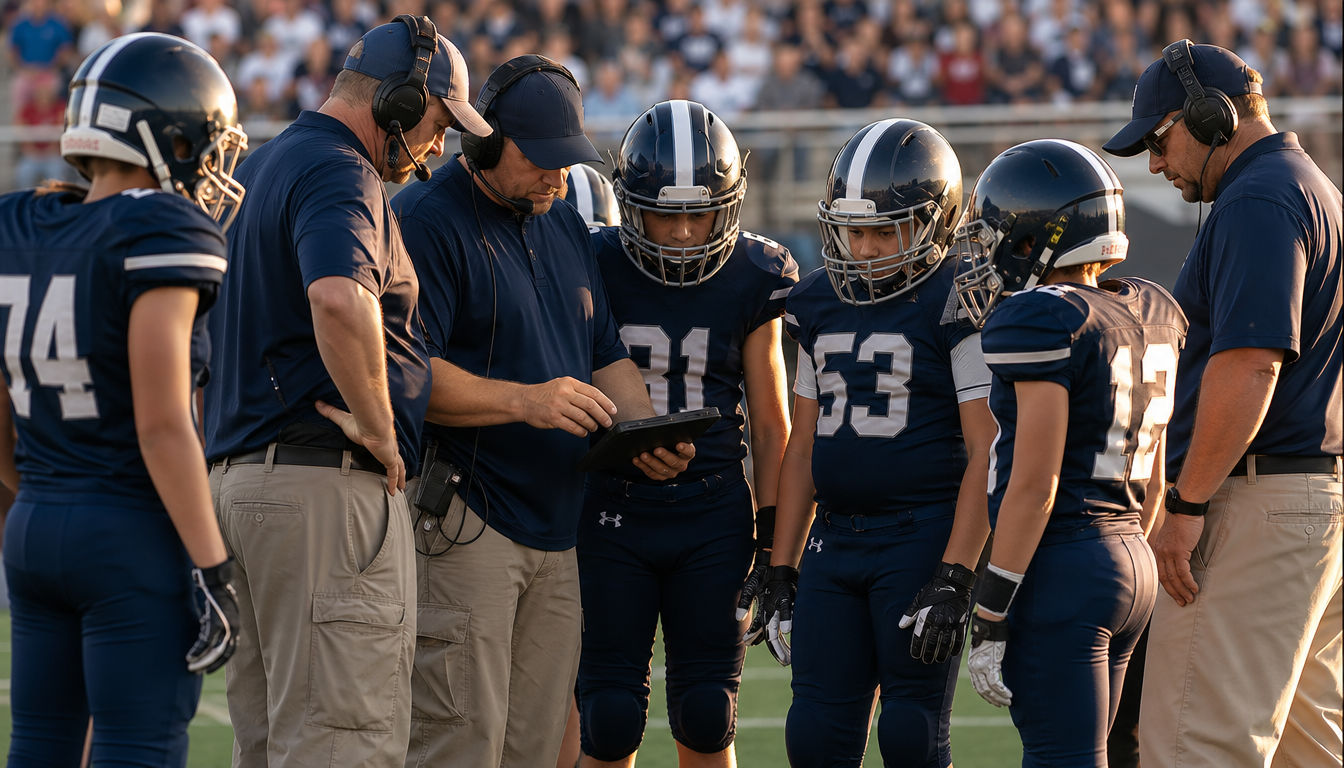
Whether the drive ends in a touchdown, punt, turnover, or halftime, review what you learned.
Ask:
- Which concepts worked?
- What surprised us?
- Which adjustment should we make next?
Treat every drive as feedback.
Common Mistakes
Avoid:
- Abandoning your game plan after one play.
- Calling unfamiliar plays early.
- Ignoring defensive tendencies.
- Letting emotions control decisions.
- Focusing only on the scoreboard.
Frequently Asked Questions
Should I script the entire first drive?
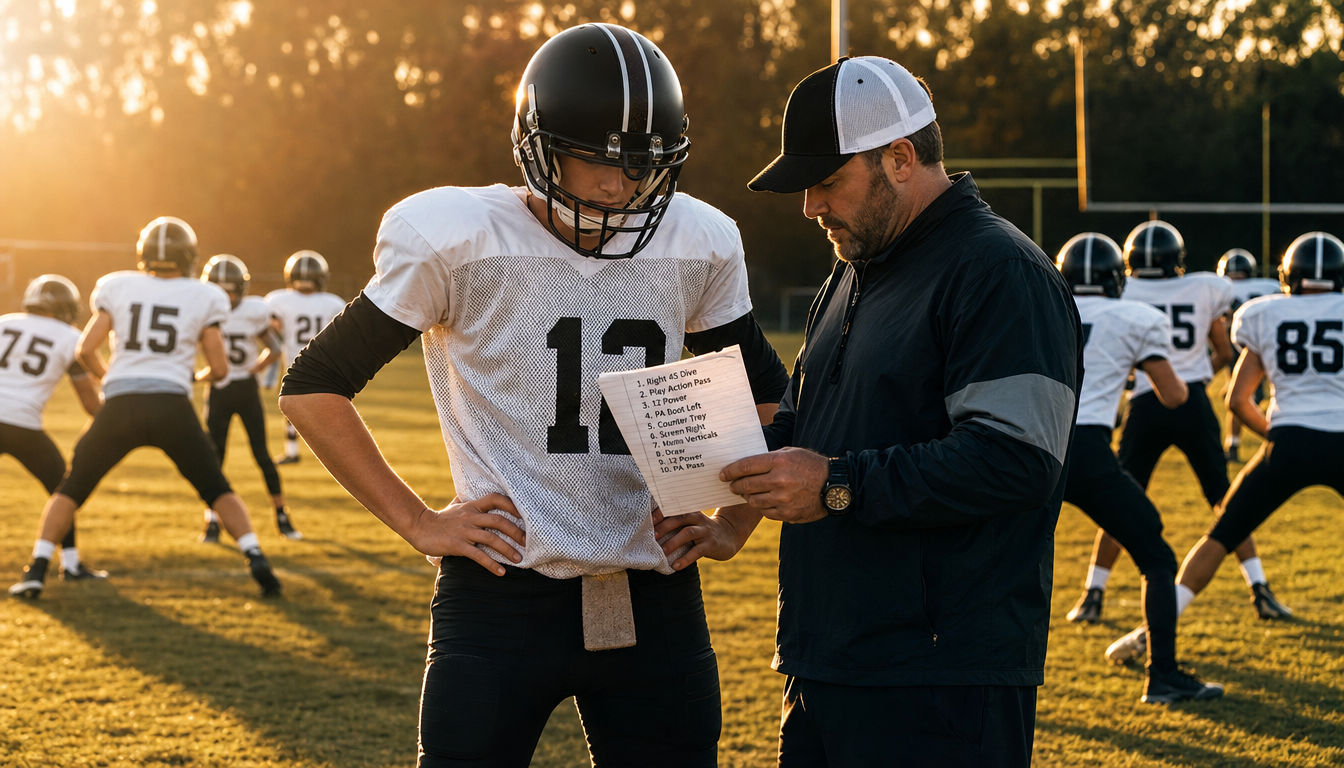
Most volunteer coaches benefit from scripting the opening five to eight plays while remaining flexible if the defense presents something unexpected.
What if we go three-and-out?
Stay patient. Use what you learned and make thoughtful adjustments on the next possession.
Is scoring the only goal?
No. Gathering information and building confidence are equally important objectives.
Key Takeaways
- Begin with familiar, high-confidence plays.
- Use the first drive to study the defense.
- Stay patient after setbacks.
- Communicate calmly.
- Review every possession for lessons you can use later.
Related Articles
Published by CoachYouths Staff on 07/15/2026
You are NOT currently logged in, you may login or signup for FREE at any time: