How to Plan Your First Youth Football Season
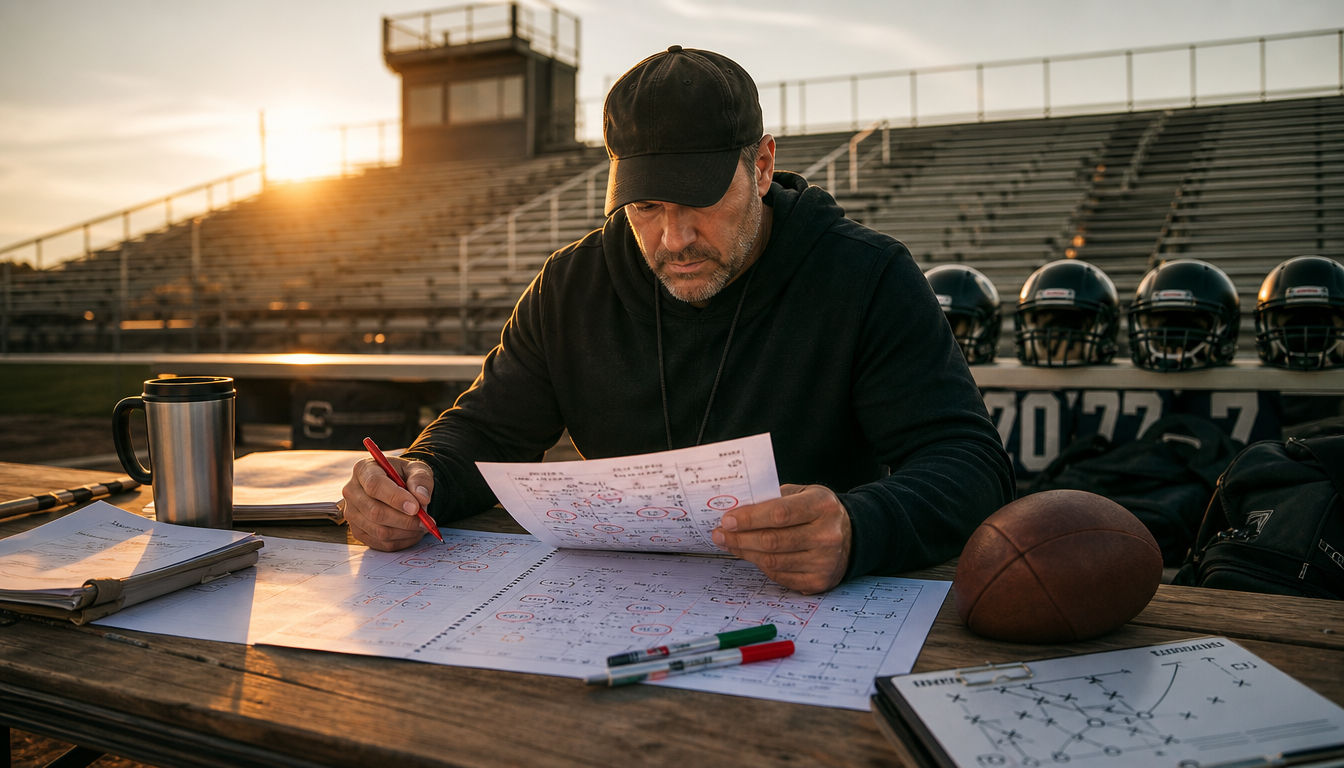
Planning a youth football season before the first whistle blows can make coaching dramatically easier. A well-organized season helps players develop steadily, keeps parents informed, and allows coaches to spend more time teaching football instead of reacting to problems.
This guide outlines a simple approach that works well for first-year volunteer coaches.
Start with the End in Mind
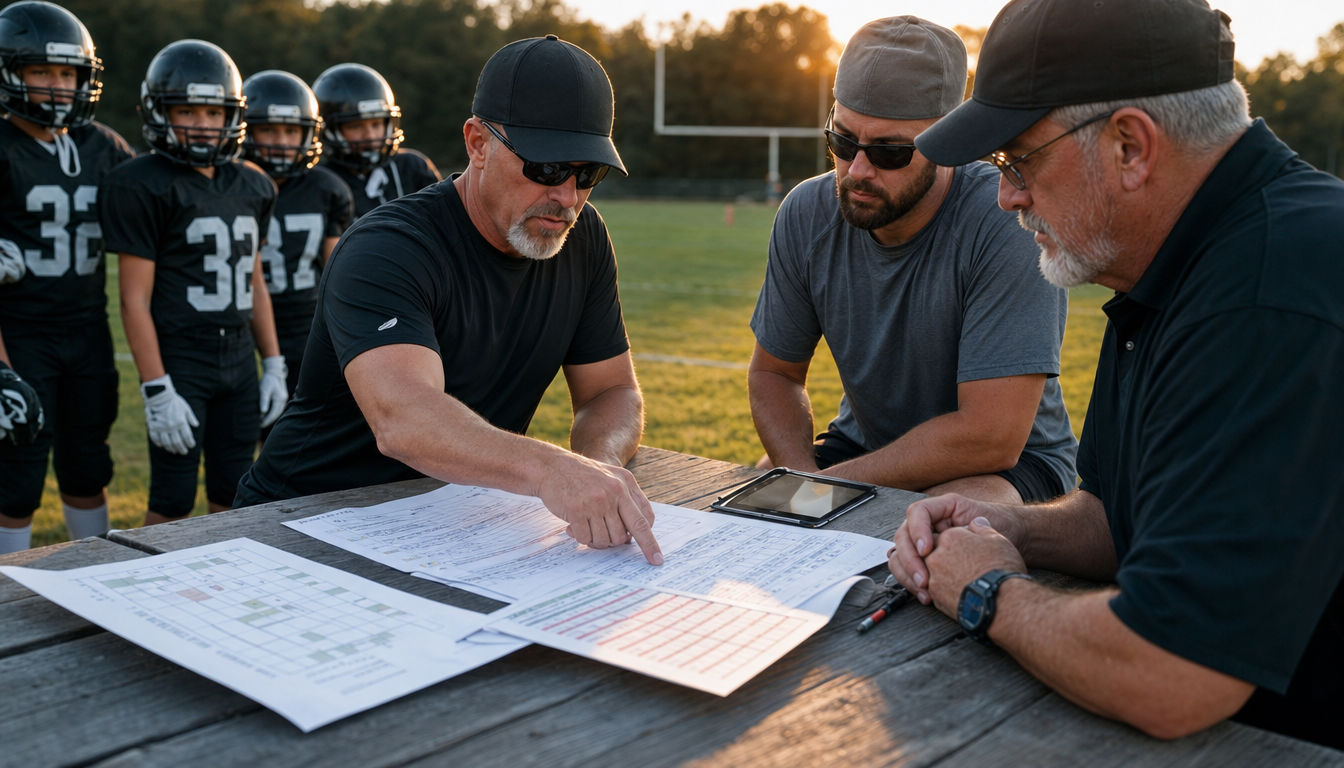
Before creating your first practice plan, identify what success looks like by the end of the season.
Focus on goals such as:
- Every player understands the basic rules.
- Every player improves fundamental skills.
- Players know your core offense and defense.
- The team plays with confidence and good sportsmanship.
- Players finish the season excited to play again.
Learn Your Schedule
As soon as the league releases important dates, place them on a calendar.
Include:
- First practice.
- Scrimmages.
- Games.
- Bye weeks.
- League events.
- Playoffs.
- Equipment handout and return dates.
Sharing the calendar early helps families plan ahead.
Build Your Playbook Gradually
Avoid installing everything during the first week.
A simple progression works well:
- Teach football fundamentals.
- Install a basic formation.
- Add two or three running plays.
- Introduce defensive alignment.
- Add one passing play.
- Review and repeat.
Players retain more when new concepts build on previous lessons.
Divide the Season into Phases
Think of the season in manageable blocks.
Preseason
- Build team culture.
- Teach fundamentals.
- Evaluate players.
- Install core plays.
Early Season
- Improve execution.
- Reduce mental mistakes.
- Build confidence.
Midseason
- Add small wrinkles.
- Improve consistency.
- Prepare for stronger opponents.
Late Season
- Polish fundamentals.
- Keep practices efficient.
- Focus on execution rather than adding new plays.
Plan Practices in Advance
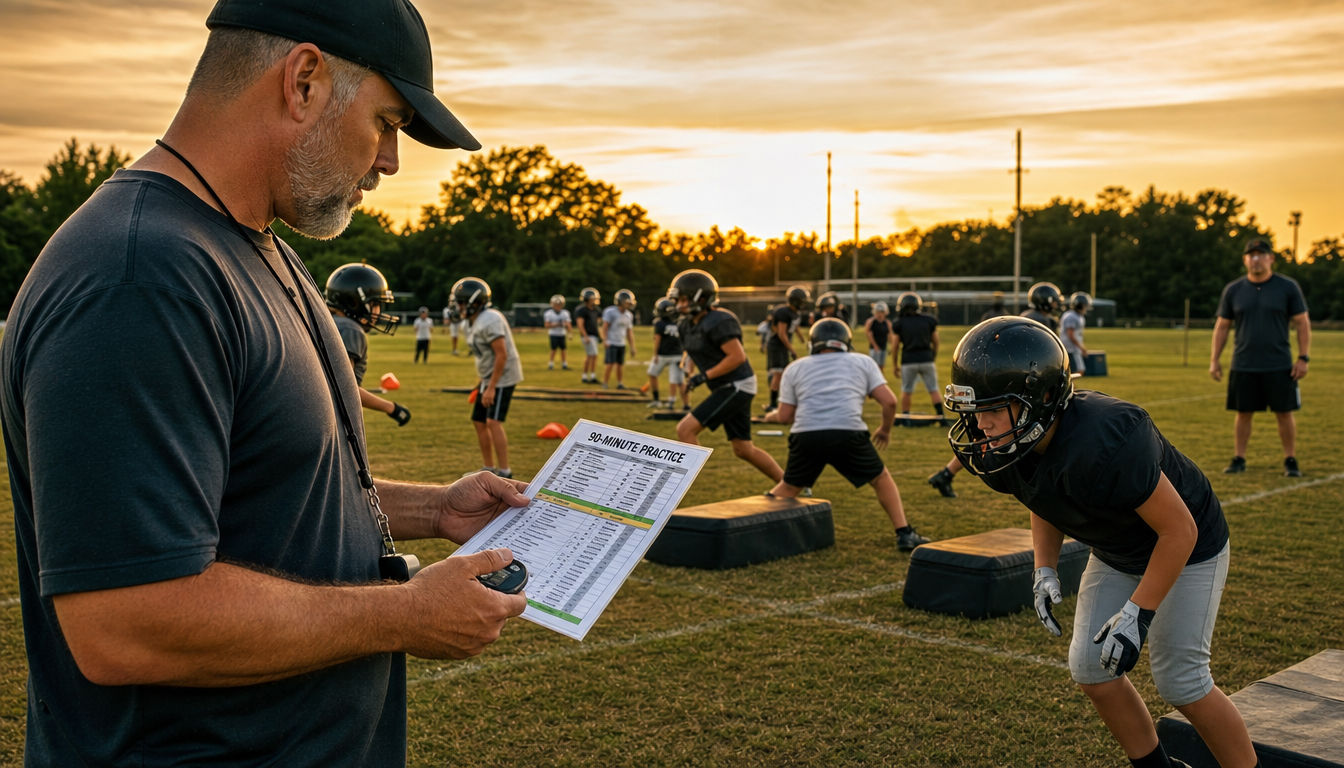
Try to stay at least one week ahead.
Each practice should have a primary objective, such as:
- Blocking.
- Tackling.
- Ball security.
- Offensive execution.
- Defensive pursuit.
- Special teams.
Having a clear focus keeps practices organized.
Communicate Consistently
Parents appreciate predictable communication.
Send reminders about:
- Practice changes.
- Game times.
- Equipment.
- Weather updates.
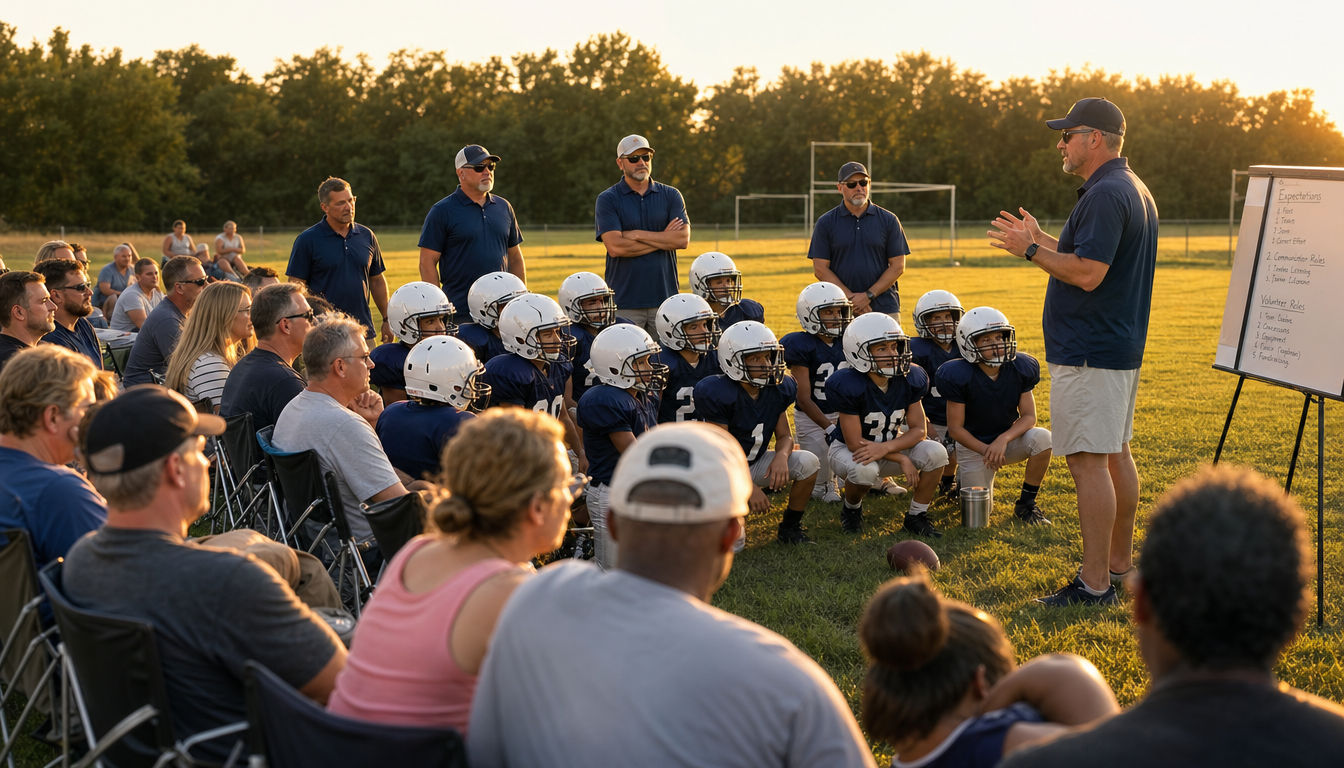
- Team expectations.
Consistent communication builds trust.
Expect the Unexpected
Weather, injuries, and schedule changes happen.
Have backup practice plans and remain flexible without abandoning your overall goals.
Measure Improvement
Instead of focusing only on wins, ask:
- Are players improving?
- Are mistakes decreasing?
- Is effort improving?
- Are players having fun?
- Is the team becoming more confident?
These measurements often tell a better story than the scoreboard.
Frequently Asked Questions
How detailed should my season plan be?
Detailed enough to give direction, but flexible enough to adjust as players develop.
Should I install my entire playbook before the first game?
No. Install only what your players can execute confidently.
How far ahead should I plan?
One to two weeks is usually enough while leaving room for adjustments.
Key Takeaways
- Plan before the season begins.
- Build your playbook gradually.
- Divide the season into phases.
- Communicate consistently with parents.
- Measure player development, not just wins.
Related Articles
Published by CoachYouths Staff on 07/15/2026
You are NOT currently logged in, you may login or signup for FREE at any time: