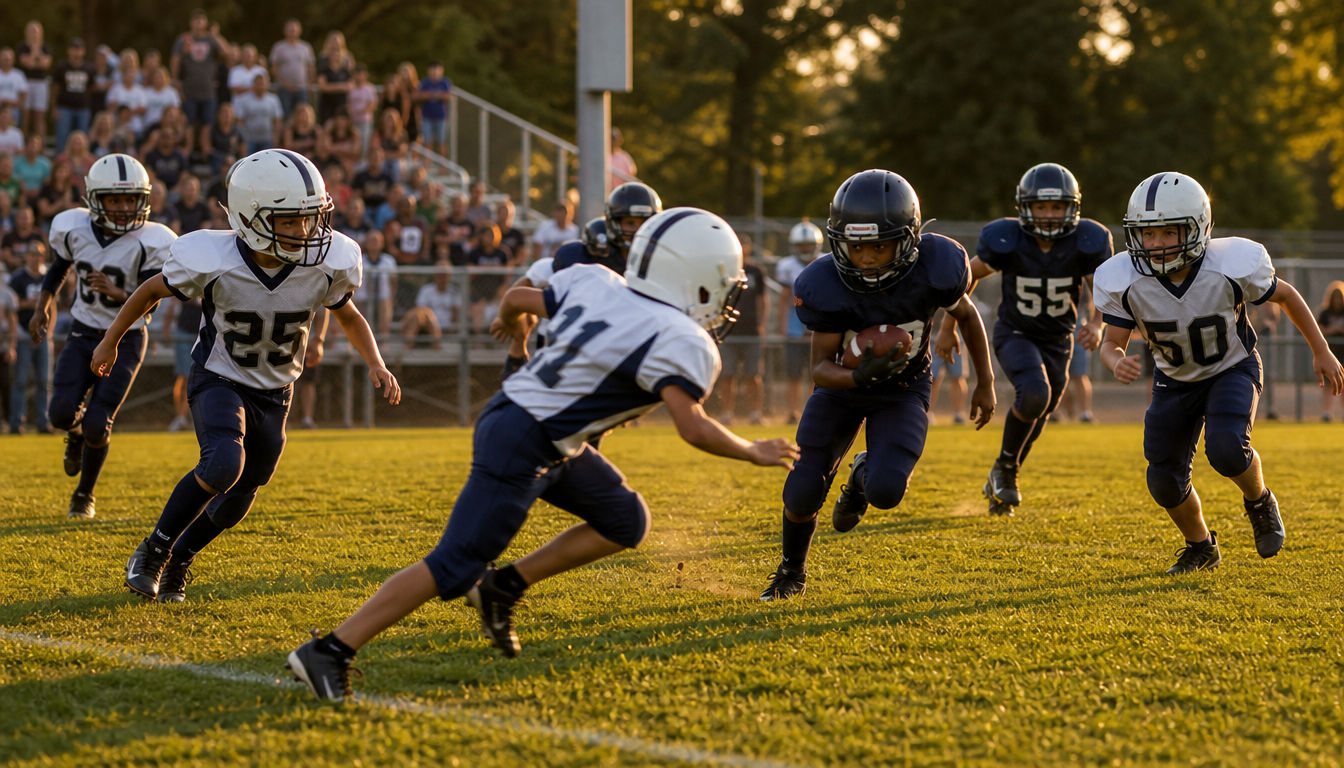
How to Defend Short Passing Games
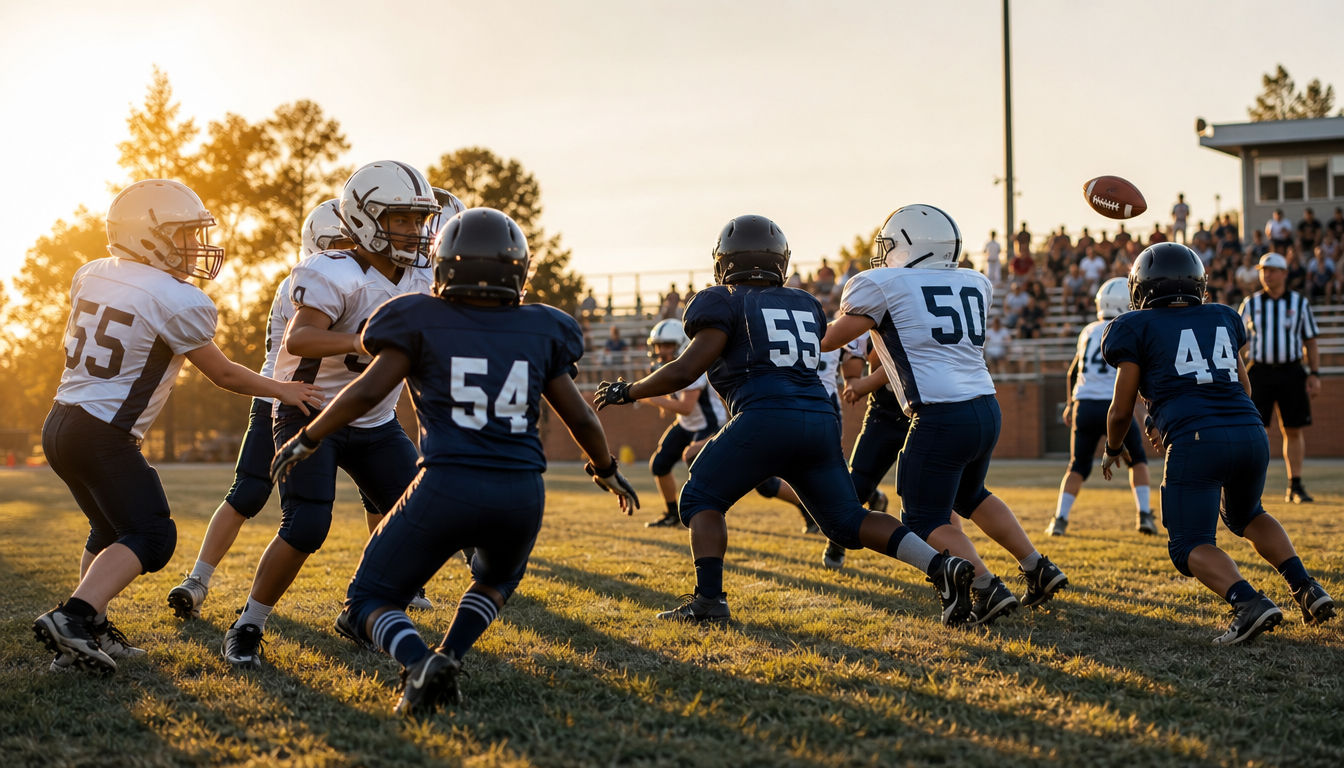
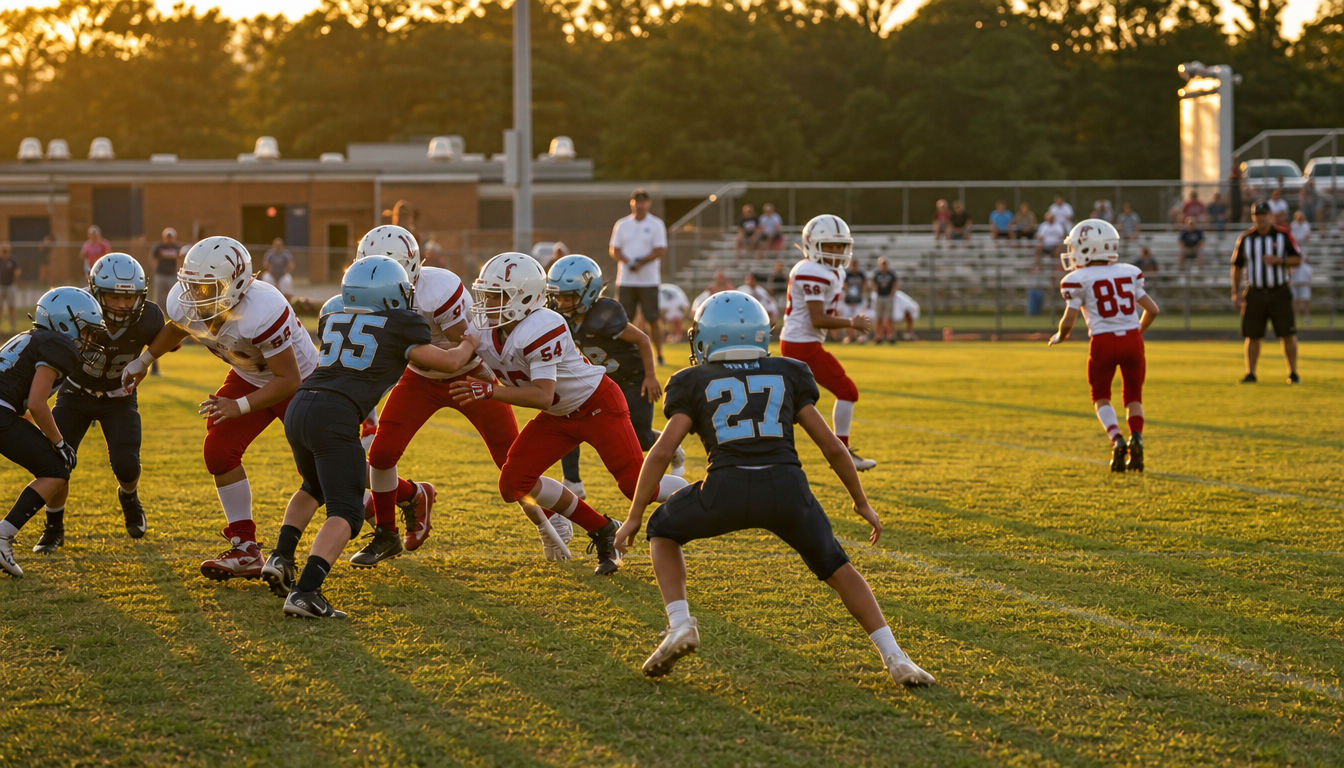
Many youth offenses rely on quick, high-percentage passes instead of deep throws. Slants, hitches, quick outs, swings, and short crossing routes can steadily move the chains if the defense gives receivers too much space. The goal is not to eliminate every completion—it is to limit easy yards and tackle immediately.
A disciplined defense forces the offense to execute repeatedly without giving away explosive plays.

Understand the Objective
Short passing attacks are designed to:
- Get the ball out quickly.
- Reduce quarterback pressure.
- Create yards after the catch.
- Keep the offense on schedule.
Recognizing this approach helps your defense stay patient.
Tighten Coverage
Coach defenders to:
- Line up with proper leverage.
- Close space before the throw.
- Keep eyes on their assignment and keys.
- Break aggressively once the ball is released.
Good positioning often matters more than speed.
Tackle Immediately
The completion is only part of the play.
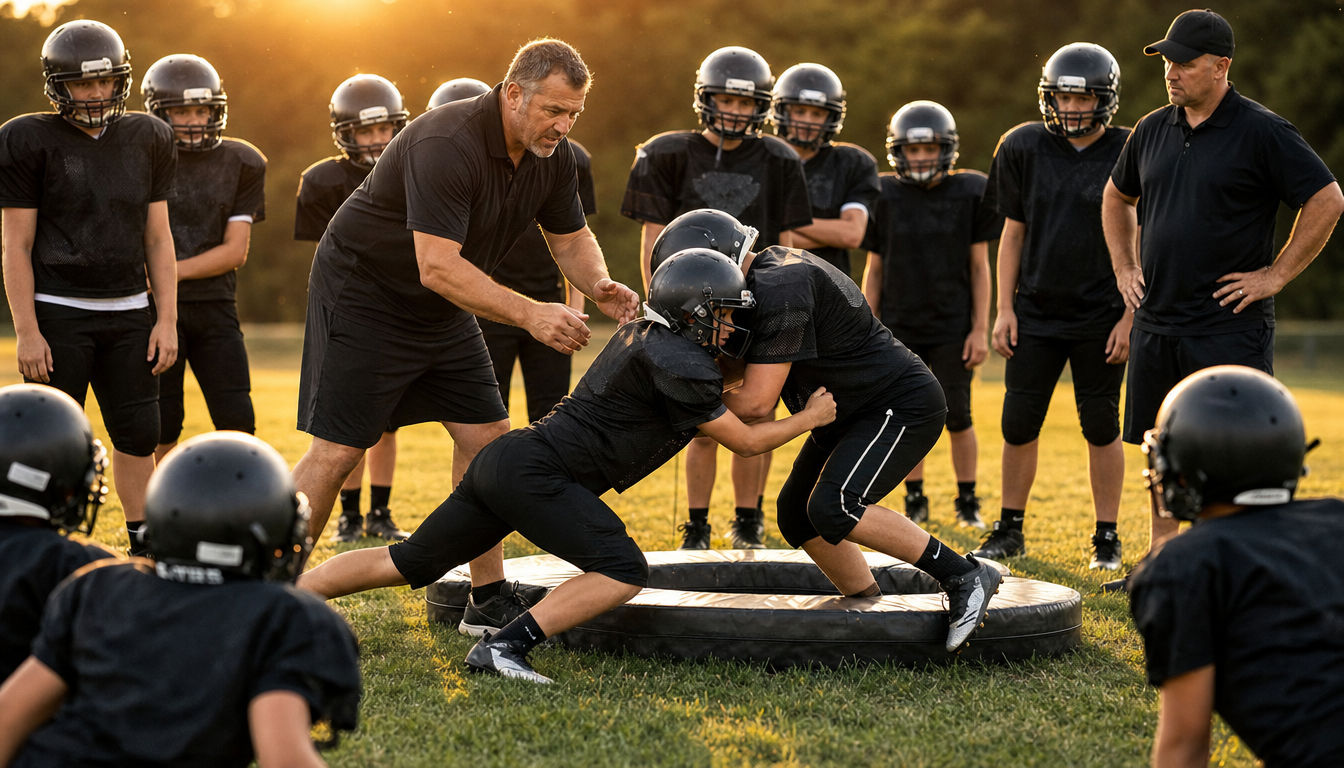
Teach defenders to:
- Rally to the receiver.
- Wrap securely.
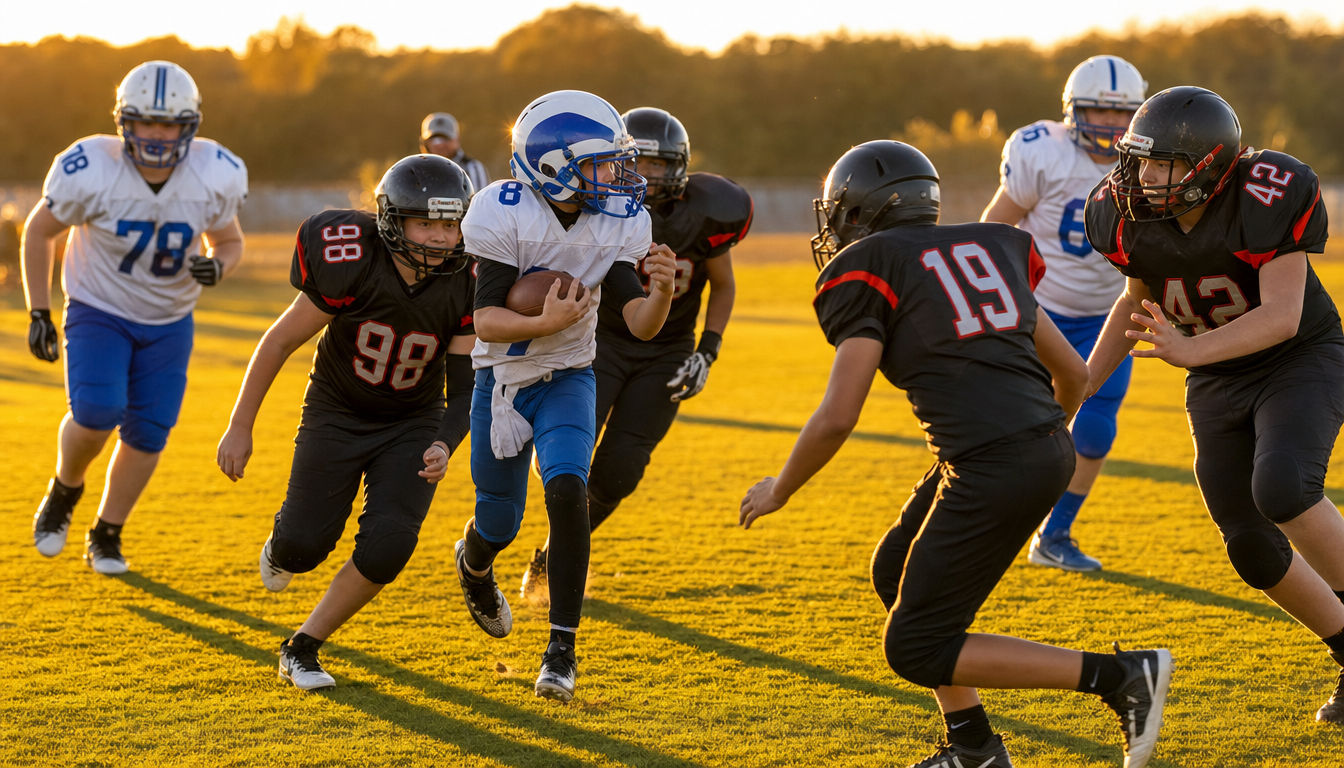
- Prevent yards after the catch.
- Finish every tackle.
A three-yard completion should remain a three-yard gain.
Communicate Routes
Receivers crossing the formation can create confusion.
Practice defenders communicating:
- Crossing routes.
- Motion.
- Picks or rubs (where legal).
- Changes in offensive formation.
Clear communication limits coverage mistakes.
Mix Practice Looks
During team periods, include:
- Quick game concepts.
- Screens.
- Slants.
- Short outs.
- Swing passes.
Players improve when they recognize multiple passing concepts instead of memorizing one.
Diagnose Before Adjusting
If short passes keep succeeding, ask:
- Are we giving too much cushion?
- Are tackles being missed?
- Are defenders breaking on the ball quickly enough?
- Is communication breaking down?
Fix the execution before changing the coverage.
Common Mistakes
Avoid:
- Playing too far off receivers.
- Missing open-field tackles.
- Watching the quarterback instead of your keys.
- Assuming every short pass is harmless.
- Changing the defense after one completion.
Frequently Asked Questions
Should we press every receiver?
Not necessarily. Choose alignments that fit your defensive system and your players’ abilities.
Why are short passes difficult to stop?
They rely on timing, quick decisions, and yards after the catch.
What is the biggest priority?
Limit yards after the catch through disciplined tackling and pursuit.
Key Takeaways
- Expect quick throws.
- Close space with good leverage.
- Tackle immediately after the catch.
- Communicate throughout the play.
- Correct fundamentals before changing your scheme.
Related Articles
Published by CoachYouths Staff on 07/15/2026
You are NOT currently logged in, you may login or signup for FREE at any time: