How to Defend Play-Action
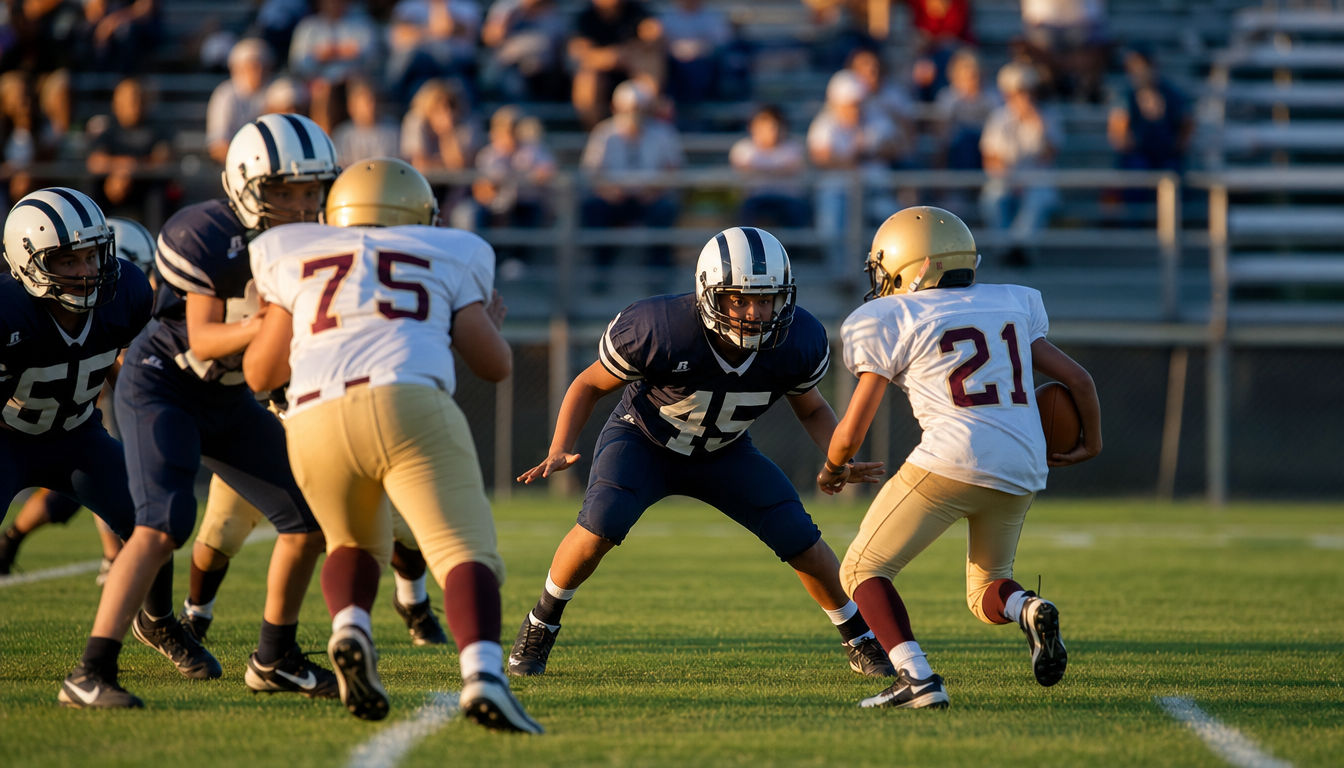
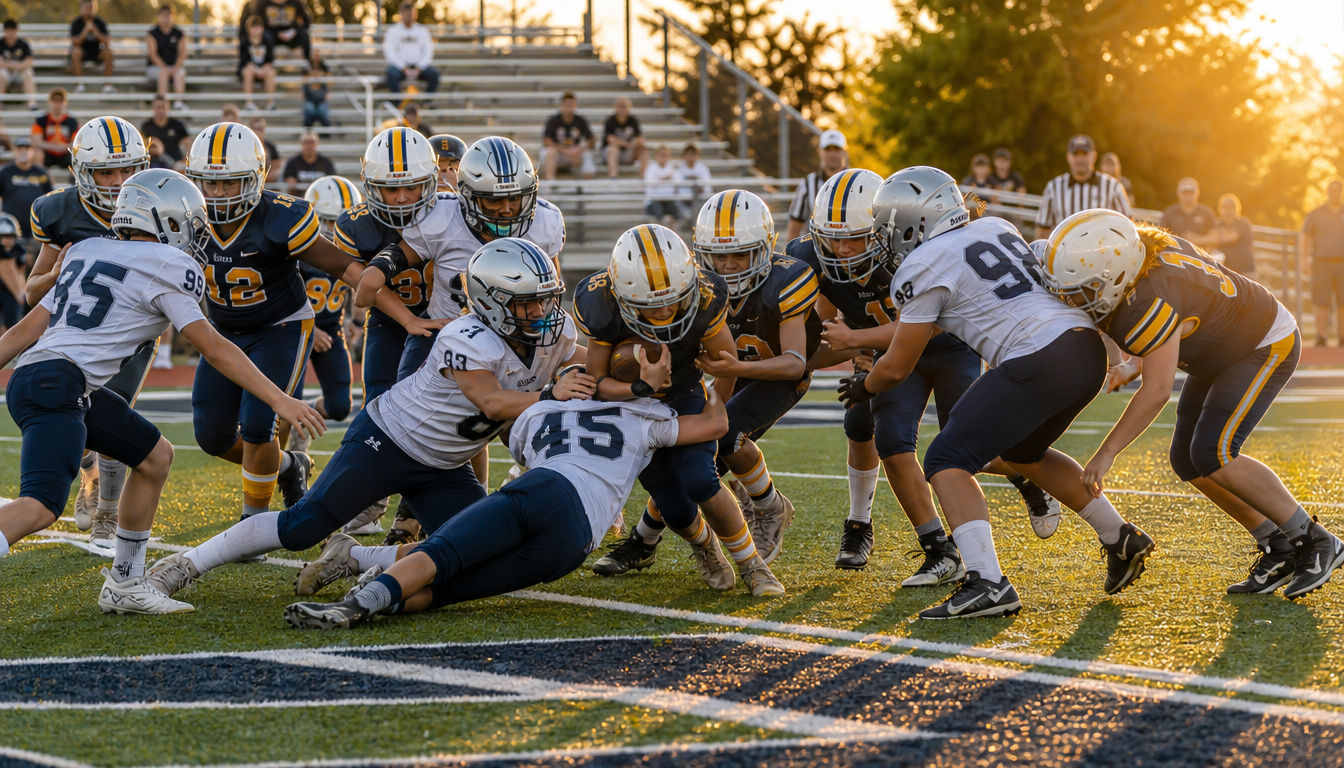
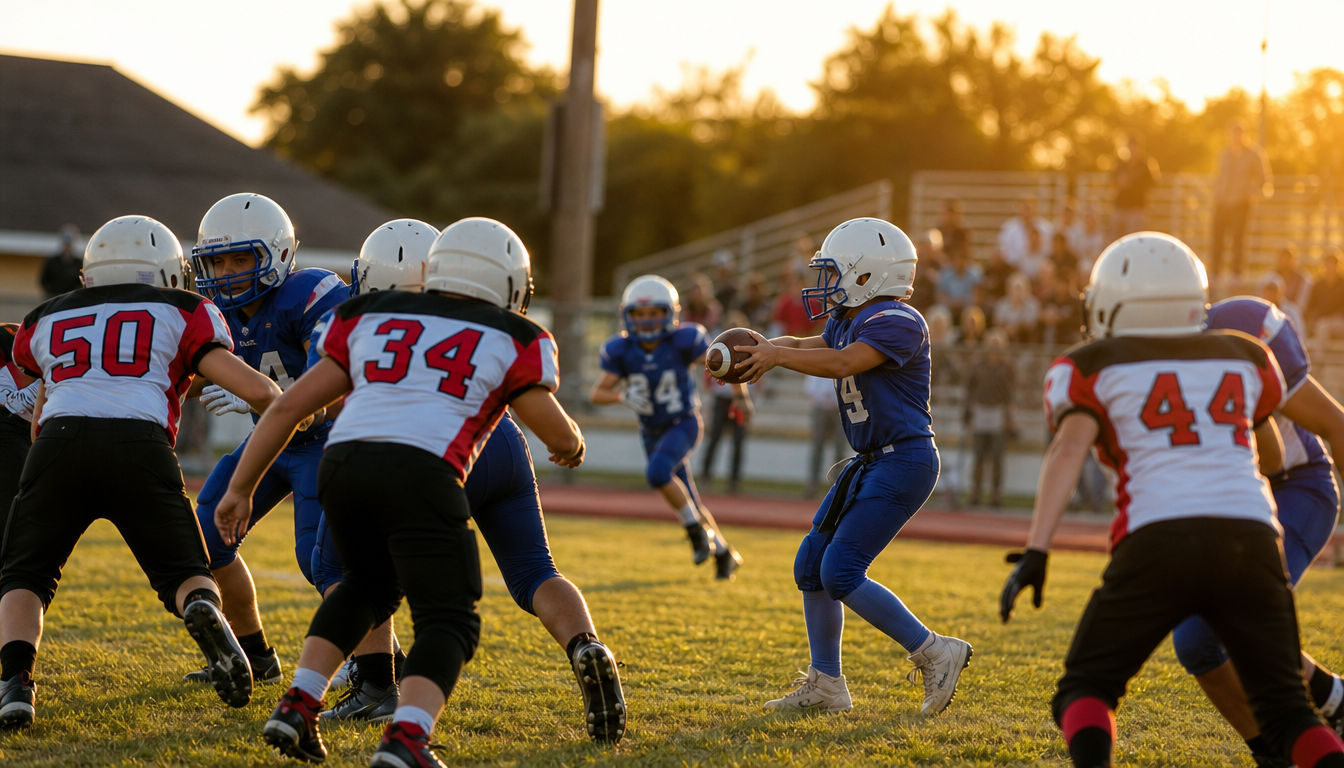
Play-action passes can be frustrating because they are designed to take advantage of disciplined run defenses. The offense shows a running play, hoping defenders commit to stopping the run before receivers break open downfield.
The best defenses remain disciplined, trust their assignments, and react to what they confirm instead of what they expect.
Understand Why Play-Action Works
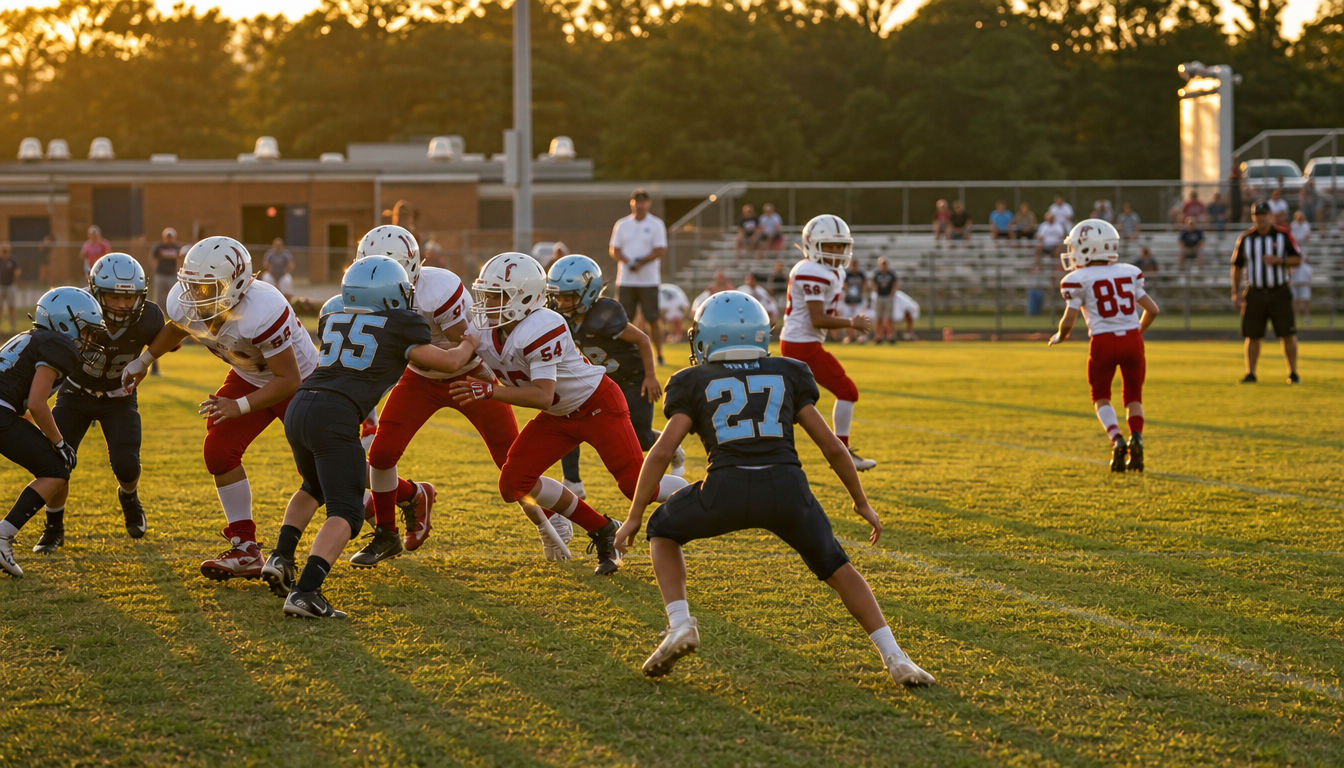
Play-action is successful when defenders:
- Attack downhill too quickly.
- Lose sight of eligible receivers.
- Ignore pass responsibilities.
- React to the fake instead of reading their keys.
The fake only works if the defense abandons its responsibilities.
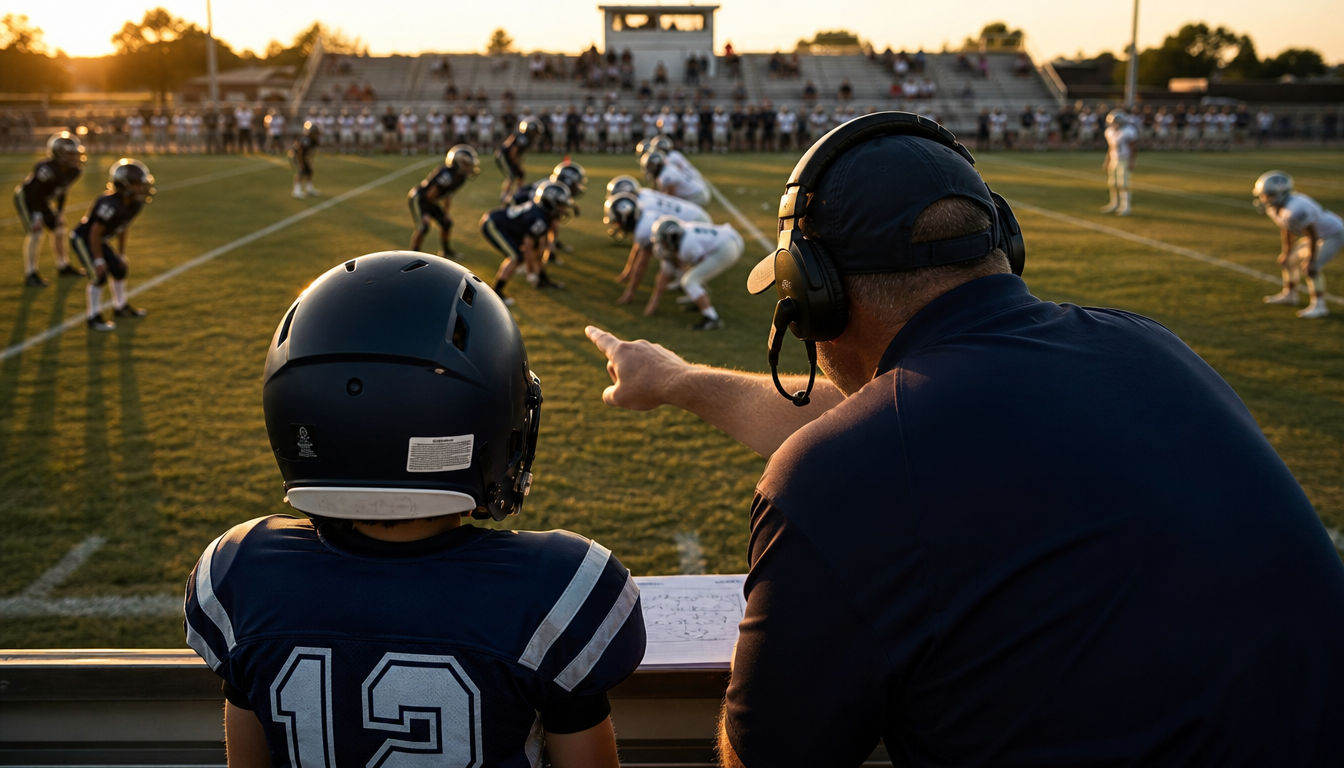
Read Your Keys
Teach defenders to trust their pre-snap and post-snap keys.
Examples include:
- Offensive linemen.
- Backfield action.
- Receiver releases.
- Quarterback behavior.
Good eyes lead to good decisions.
Linebackers Must Stay Disciplined
Linebackers often determine whether play-action succeeds.
Coach them to:
- Read before filling.
- Take controlled steps toward the run.
- Recover quickly into coverage.
- Keep receivers in view whenever possible.
Patience is often rewarded.
Defensive Backs Stay Focused
Defensive backs should avoid watching the fake.
Instead they should:
- Read their receiver.
- Maintain proper leverage.
- Communicate with teammates.
- Break on the football once the pass is confirmed.
Coverage discipline prevents easy completions.
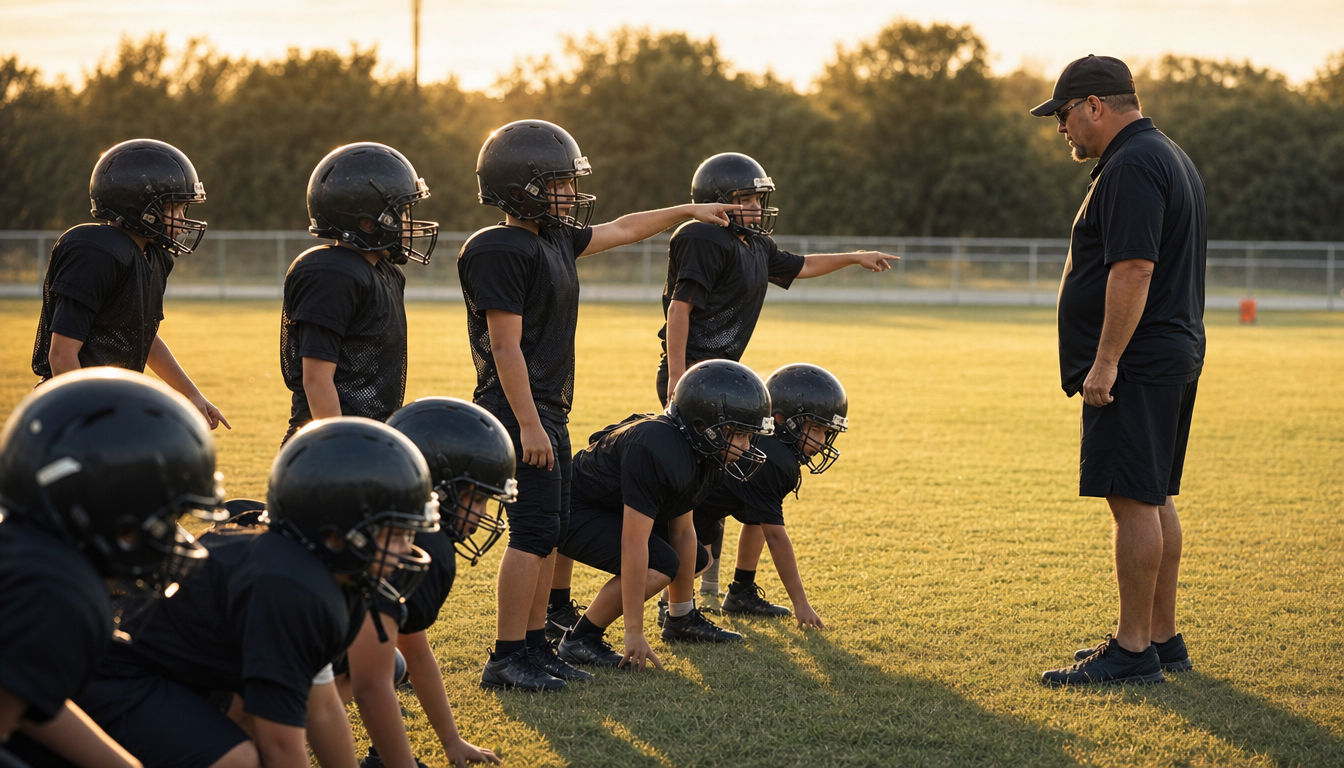
Mix Practice Scenarios
Practice should include:
- Normal running plays.
- Play-action passes.
- Bootlegs.
- Counters following play-action looks.
The more often players see these situations, the less likely they are to overreact.
Evaluate the Cause
If play-action is hurting your defense, ask:
- Did linebackers overcommit?
- Did defensive backs lose their receivers?
- Were players reading the wrong keys?
- Did the offense simply execute well?
Identify the true cause before changing your defense.
Common Mistakes
Avoid:
- Guessing run before confirming.
- Ignoring receiver releases.
- Overreacting to every fake.
- Losing communication in the secondary.
- Changing the scheme instead of correcting technique.
Frequently Asked Questions
Why is play-action so effective?
It takes advantage of defenders who are eager to stop the run.
Should linebackers ignore the run?
No. They should read their keys and react with discipline instead of guessing.
How do we practice defending play-action?
Mix realistic run and pass looks into team periods so defenders learn to diagnose the play.
Key Takeaways
- Read your keys before reacting.
- Stay disciplined against the fake.
- Linebackers and defensive backs must trust their responsibilities.
- Practice realistic play-action situations.
- Correct recognition before changing the scheme.
Related Articles
Published by CoachYouths Staff on 07/15/2026
You are NOT currently logged in, you may login or signup for FREE at any time: