How to Beat Zone Coverage
Zone coverage challenges offenses differently than man coverage. Instead of following individual receivers, defenders protect specific areas of the field. The offense succeeds by identifying open spaces, placing receivers into those areas, and throwing the football on time.
Volunteer coaches do not need advanced passing concepts to attack zone coverage. A few simple principles can make a significant difference.
What Is Zone Coverage?
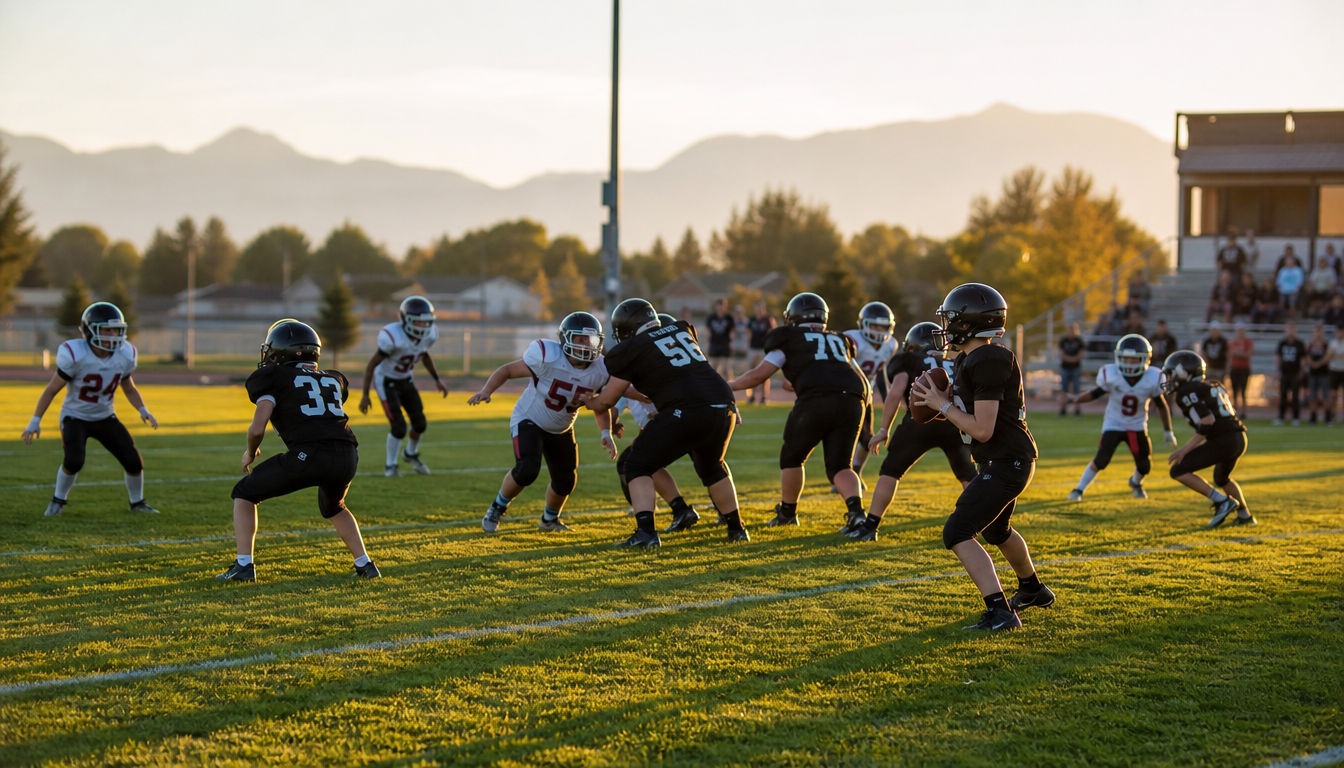
In zone coverage, defenders are responsible for guarding an area instead of a specific player.
Common clues include:
- Defenders do not follow receivers in motion.
- Defensive backs keep their eyes on the quarterback.
- Linebackers drop into passing lanes.
- Receivers move between defenders instead of being followed.
Recognizing these clues helps you make better play-calling decisions.
Confirm Before Adjusting
Do not assume zone coverage after a single play.
Instead, watch for patterns:
- Does motion leave defenders in place?
- Are defenders passing receivers to teammates?
- Do defenders settle into areas after the snap?
Look for consistent behavior before changing your approach.
Attack Open Windows
Zone defenses naturally leave spaces between defenders.
Routes that often work well include:
- Hitch routes.
- Curl routes.
- Hook routes.
- Short crossing routes.
- Seam routes against certain looks.
Teach quarterbacks to throw into open space rather than waiting for a receiver to become completely uncovered.
Stretch the Defense
One of the best ways to attack zone coverage is to force defenders to choose.
Concepts that place multiple receivers in the same general area at different depths can create hesitation and open throwing windows.
Keep these concepts simple enough for your players to execute consistently.
Stay Patient
Zone coverage often gives up shorter completions.
Take them.
Consistent five-yard gains keep drives alive and often force the defense to adjust.
Do not force deep throws when underneath options are available.
Use the Running Game
If defenders drop into coverage and hesitate against the run, continue running the football.
A balanced offense makes both the running and passing games more effective.
Common Mistakes
Avoid:
- Throwing into crowded zones.
- Waiting too long for receivers to come open.
- Assuming every defense is playing zone.
- Ignoring easy completions underneath.
- Abandoning the running game.
Frequently Asked Questions
How can I tell the difference between man and zone coverage?
Motion is one of the easiest clues. If defenders stay in place while a receiver moves across the formation, zone coverage becomes more likely.
Should quarterbacks throw to a receiver or an area?
Against zone coverage, they should often throw into the open area where the receiver is expected to arrive.
Can younger teams beat zone coverage?
Yes. Simple routes, good timing, and accurate throws are often enough.
Key Takeaways
- Learn to recognize zone coverage.
- Confirm your observations before adjusting.
- Attack open areas, not individual defenders.
- Take short completions when available.
- Maintain offensive balance.
Related Articles
Published by CoachYouths Staff on 07/15/2026
You are NOT currently logged in, you may login or signup for FREE at any time: