How to Beat Man Coverage
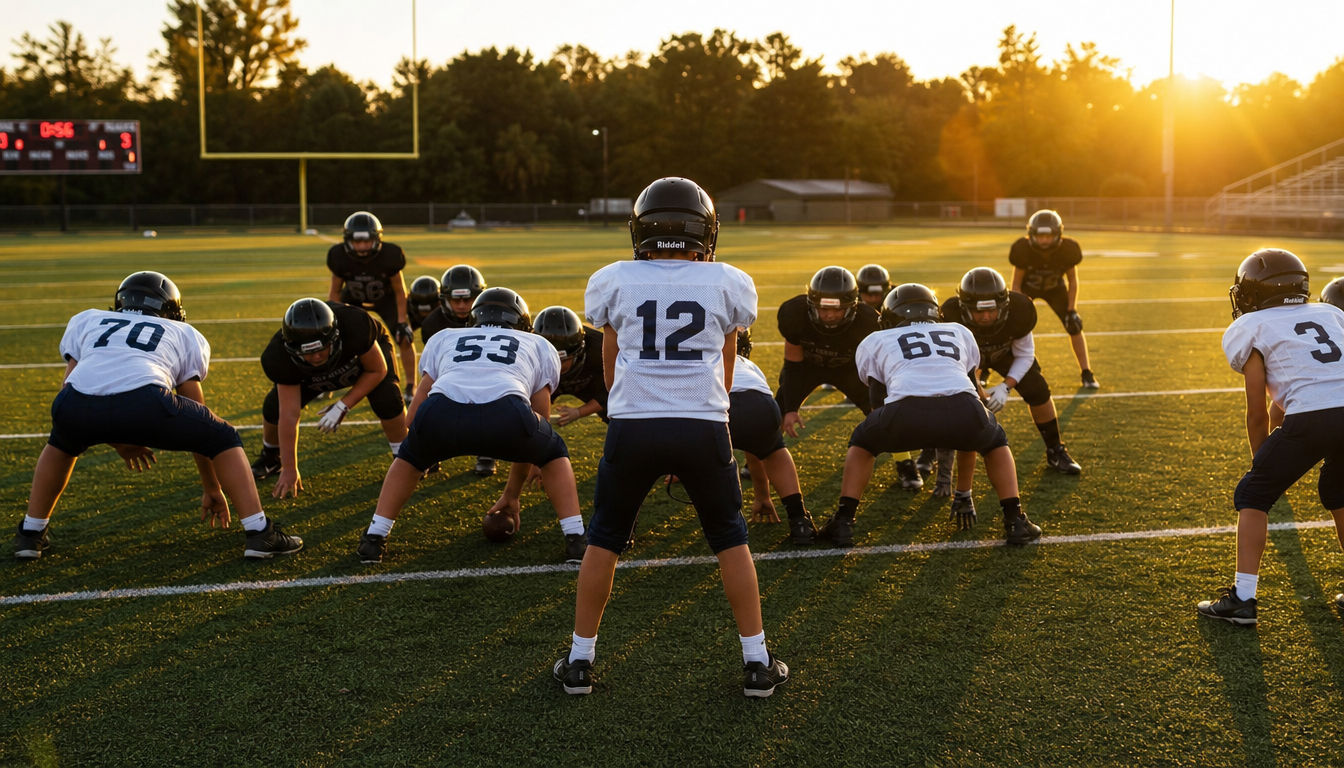
Man coverage is one of the first defensive concepts many youth teams encounter. Every eligible receiver is matched with a defender whose primary responsibility is to follow that player throughout the play. Once coaches learn to recognize man coverage, they can begin calling concepts that naturally create separation and favorable matchups.
You do not need a complicated passing offense to beat man coverage. You need disciplined routes, good timing, and an understanding of how defenders react.
What Is Man Coverage?
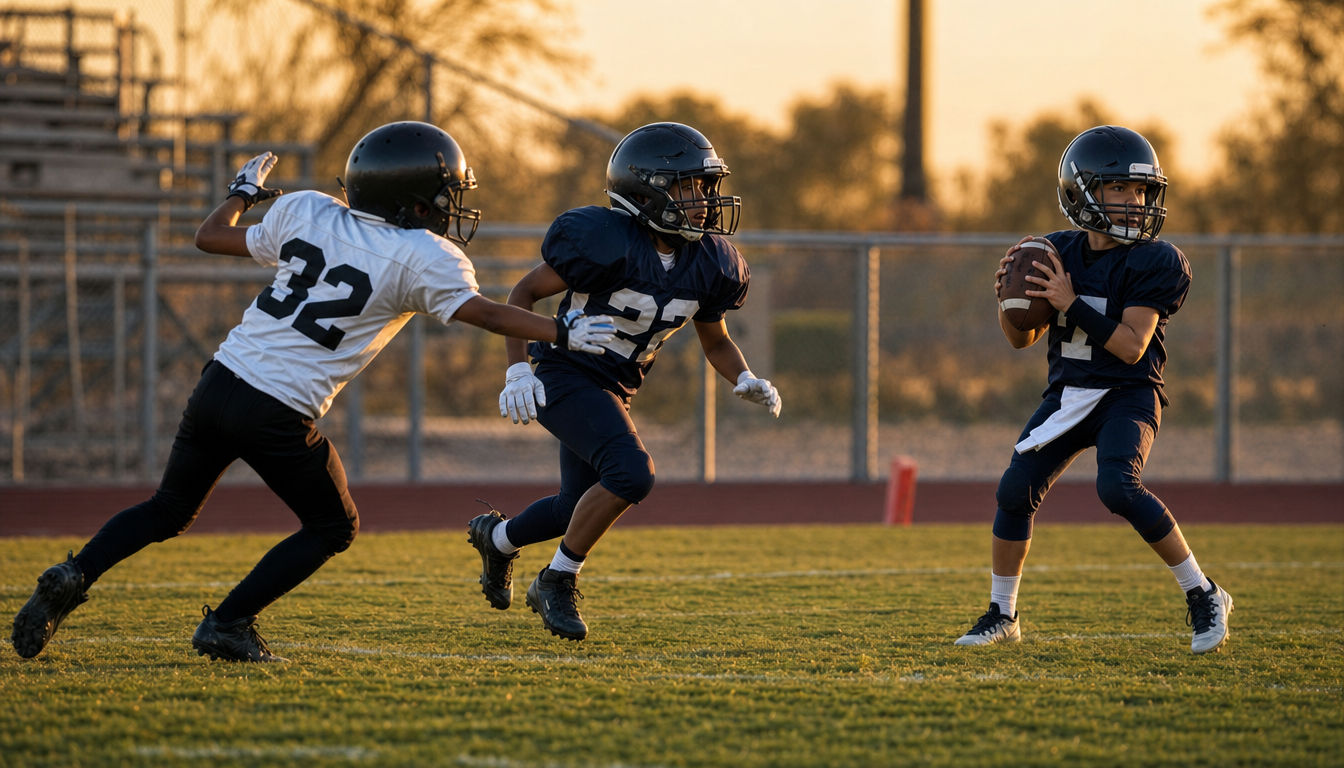
In man coverage, defenders are responsible for covering specific offensive players instead of guarding an area of the field.
Common signs include:
- A defender follows a receiver in motion.
- Cornerbacks align directly across from receivers.
- Defenders stay with their assignment after the snap.
- Linebackers match up with running backs or tight ends.
These clues are often enough for volunteer coaches to make informed decisions.
Confirm Before You Adjust
Never assume you are seeing man coverage after one play.
Instead, look for patterns.
Ask yourself:
- Does the same defender follow motion every time?
- Are defenders chasing receivers across the field?
- Do they remain locked on one player after the snap?
Confirmation leads to better play calling.
Create Separation
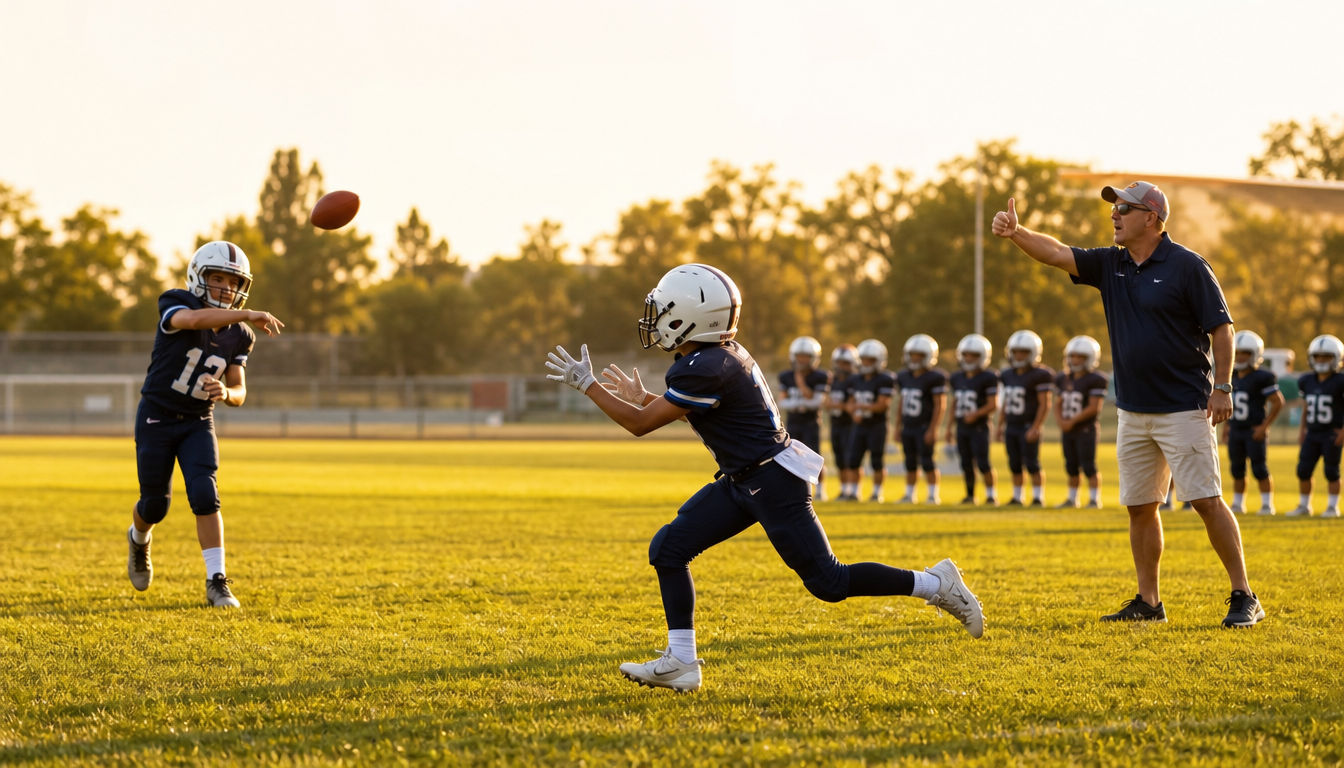
Against man coverage, your receivers must make defenders change direction.
Concepts that often work well include:
- Crossing routes.
- Slants.
- Quick outs.
- Rub or pick concepts where league rules allow.
- Wheel routes for experienced teams.
The objective is to create space through movement rather than simply outrunning defenders.
Use Motion
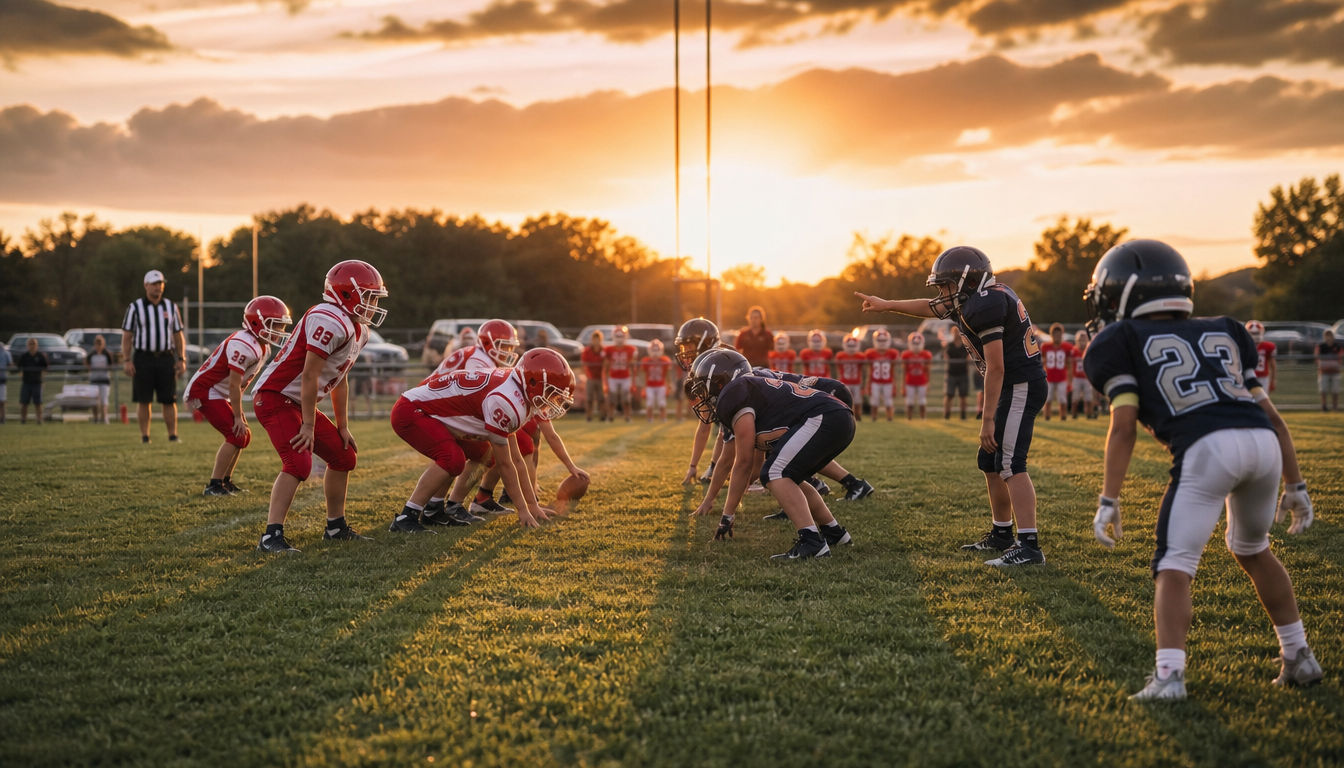
Motion is one of the easiest ways to gather information before the snap.
If a defender follows the motion across the formation, there is a good chance the defense is playing man principles.
Even if you do not change the play call, that information helps your quarterback anticipate the defense.
Identify Favorable Matchups
Not every matchup is equal.
Watch for:
- Faster receivers against slower defenders.
- Confident route runners.
- Defenders who struggle changing direction.
- Players showing signs of fatigue late in the game.
Take advantage of these opportunities without forcing the football.
Protect the Quarterback
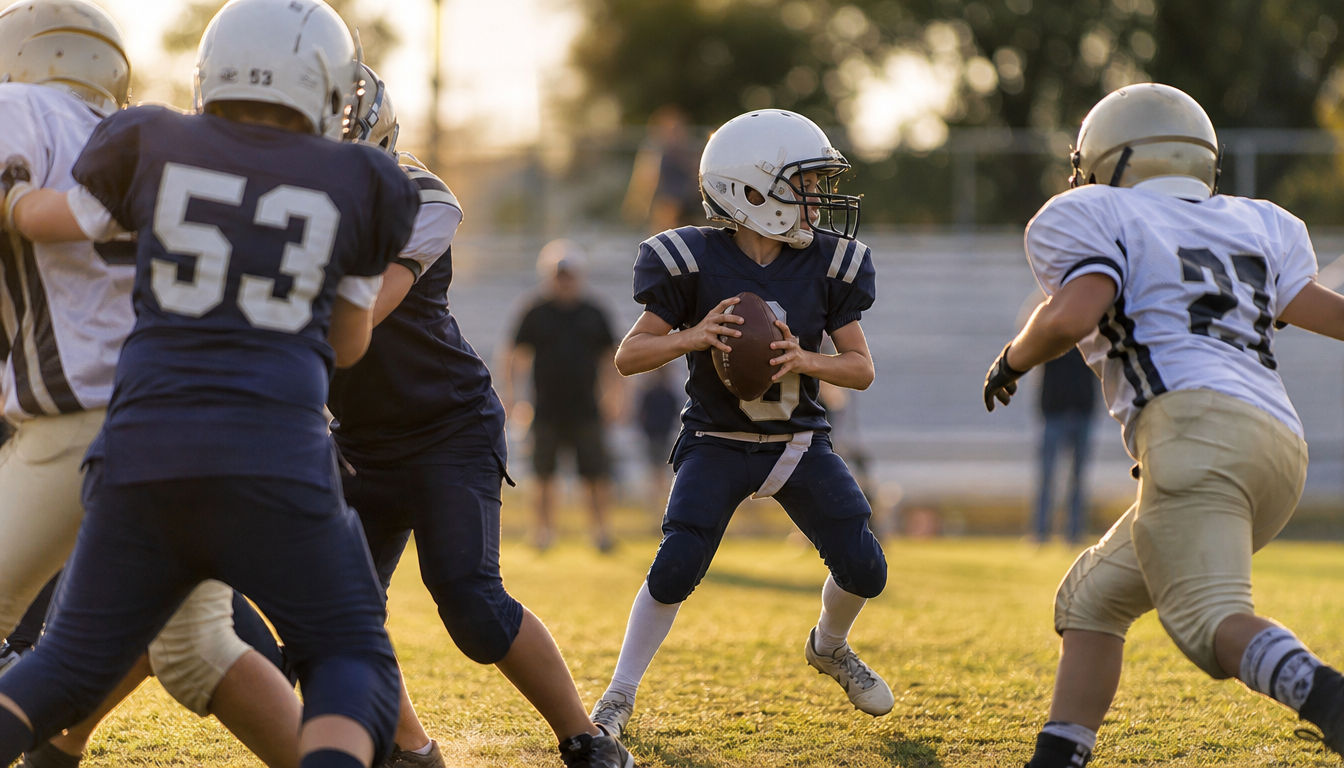
Routes that beat man coverage still require time to develop.
If the defense is also blitzing:
- Shorten the quarterback’s drop.
- Call quicker routes.
- Keep a blocker in protection if necessary.
Good protection gives receivers time to separate.
Common Mistakes
Avoid:
- Throwing into tight coverage.
- Ignoring pressure while waiting for deep routes.
- Assuming every defense is playing man.
- Forcing the ball to one receiver.
- Forgetting to establish the running game.
Frequently Asked Questions
How can I tell if it is really man coverage?
Motion is one of the easiest indicators. If defenders consistently travel with receivers, man coverage is likely.
Are crossing routes effective?
Yes. Crossing routes naturally force defenders to navigate traffic and change direction.
Should I stop running the football?
No. A successful running game often makes man coverage easier to attack by forcing defenders to respect play-action.
Key Takeaways
- Learn to recognize the signs of man coverage.
- Confirm your observations before adjusting.
- Use routes that create separation.
- Motion can reveal defensive intentions.
- Stay balanced and protect the quarterback.
Related Articles
Published by CoachYouths Staff on 07/15/2026
You are NOT currently logged in, you may login or signup for FREE at any time: