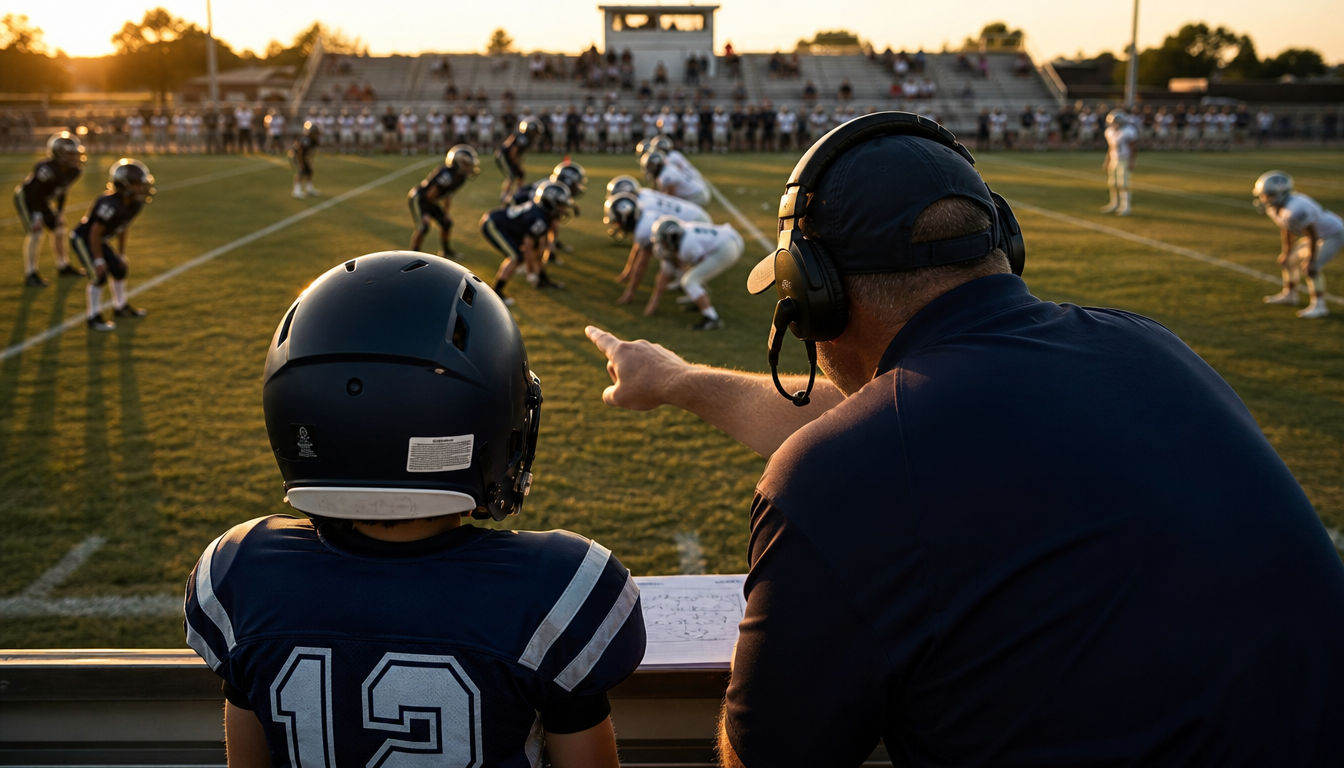
Using Decoy Players Effectively
Every offensive player does not need to touch the football to have an impact on the play. In fact, some of the most successful youth football plays work because one player attracts the defense while another player carries the ball or catches the pass.
A good decoy creates hesitation, confusion, or poor defensive angles without ever becoming the primary ball carrier.
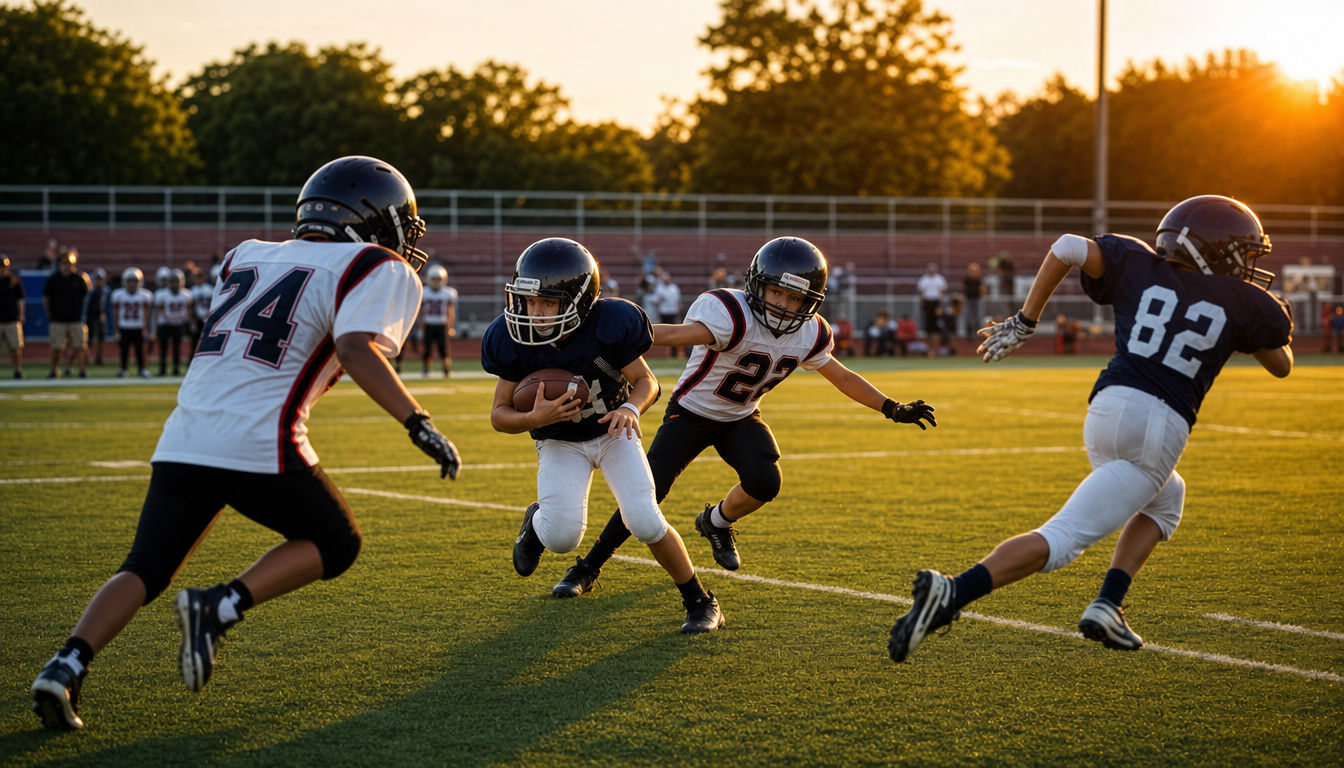
What Is a Decoy?
A decoy is a player whose movement influences the defense even though they are not the intended target of the play.
Examples include:
- A receiver running off defenders.
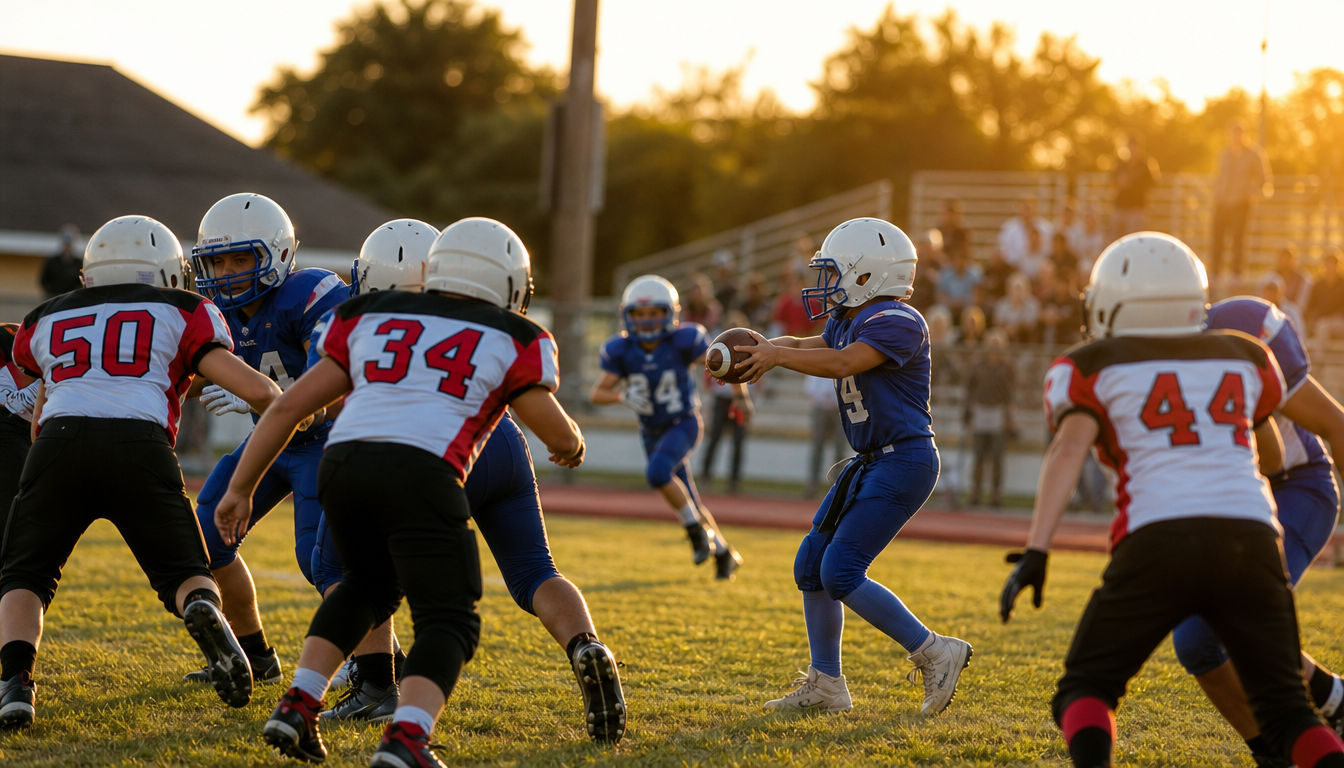
- A running back selling a fake handoff.
- A motion player attracting linebacker attention.
- A quarterback carrying out a convincing fake.
Every decoy has a purpose.
Sell Every Fake
A decoy only works if the defense believes it.
Coach players to:
- Run at full speed.
- Maintain proper body language.
- Finish the fake.
- Continue the assignment after the ball goes elsewhere.
Half-speed fakes rarely fool disciplined defenses.
Build on Successful Plays
The best decoys are based on actions the defense has already seen.
Ask yourself:
- Has this player carried the ball successfully today?
- Has motion already influenced the defense?
- Have linebackers reacted aggressively to this action?
Trust what the defense has already shown you.
Do Not Force the Ball
Some coaches feel pressure to give every player touches.
Instead, remember that every player contributes by:
- Blocking.
- Running routes.
- Selling fakes.
- Creating space.
- Supporting teammates.
Winning football is a team effort.
Practice the Entire Play
During practice:
- Coach the fake with the same attention as the ball carrier.
- Praise players who execute convincing decoy assignments.
- Explain why the fake matters.
Players work harder when they understand their role.
Observe Defensive Reactions
After running a play, ask:
- Which player attracted the defense?
- Did linebackers hesitate?
- Did defenders follow the motion?
- Was the fake convincing?
These observations help determine when to call complementary plays later.
Common Mistakes
Avoid:
- Jogging through fakes.
- Revealing the true ball carrier too early.
- Using the same decoy repeatedly without variation.
- Ignoring players who do not touch the football.
- Forgetting ball security after the fake.
Frequently Asked Questions
Should younger players learn decoy responsibilities?
Yes. Even basic fakes teach teamwork and improve offensive execution.
How important is effort without the football?
Extremely important. Many successful plays depend on players who never receive the ball.
Should every play include a decoy?
Not necessarily. Use decoys when they naturally support the concept being run.
Key Takeaways
- Every player has a role on every play.
- Sell every fake with full effort.
- Build decoys from successful concepts.
- Reward players who execute without touching the football.
- Study how defenses react to your fakes.
Related Articles
Published by CoachYouths Staff on 07/15/2026
You are NOT currently logged in, you may login or signup for FREE at any time: