Power RPO
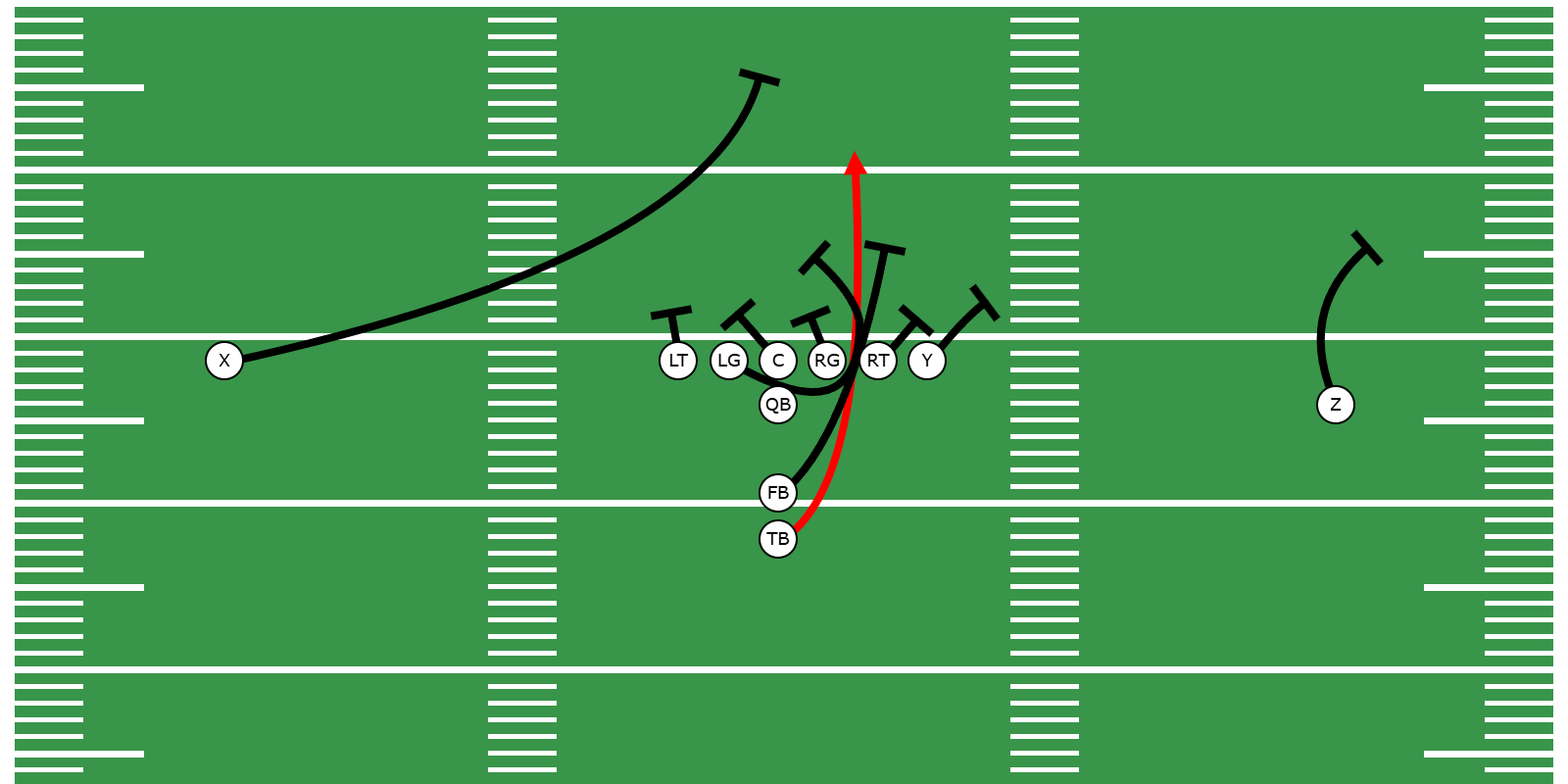
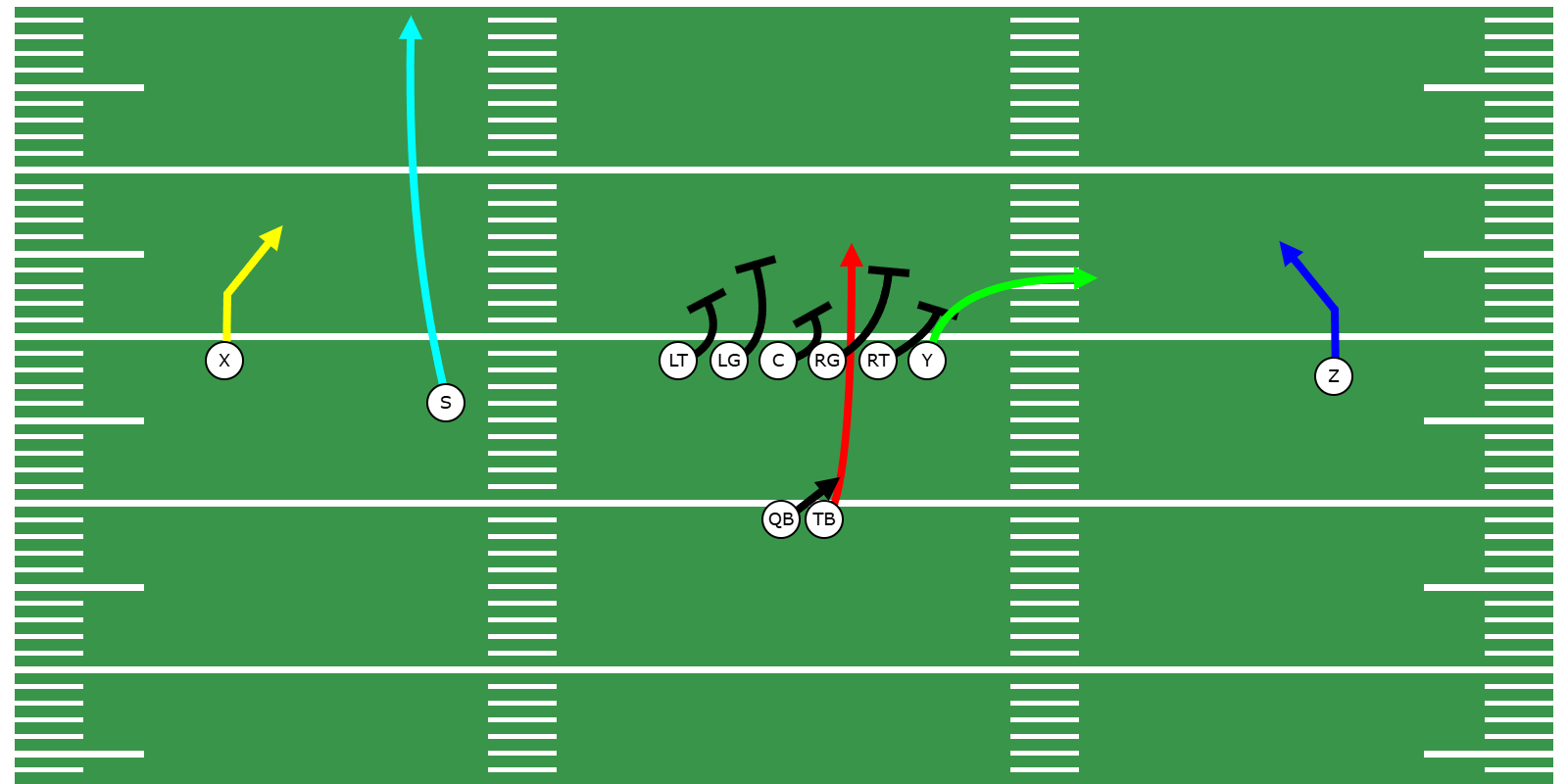
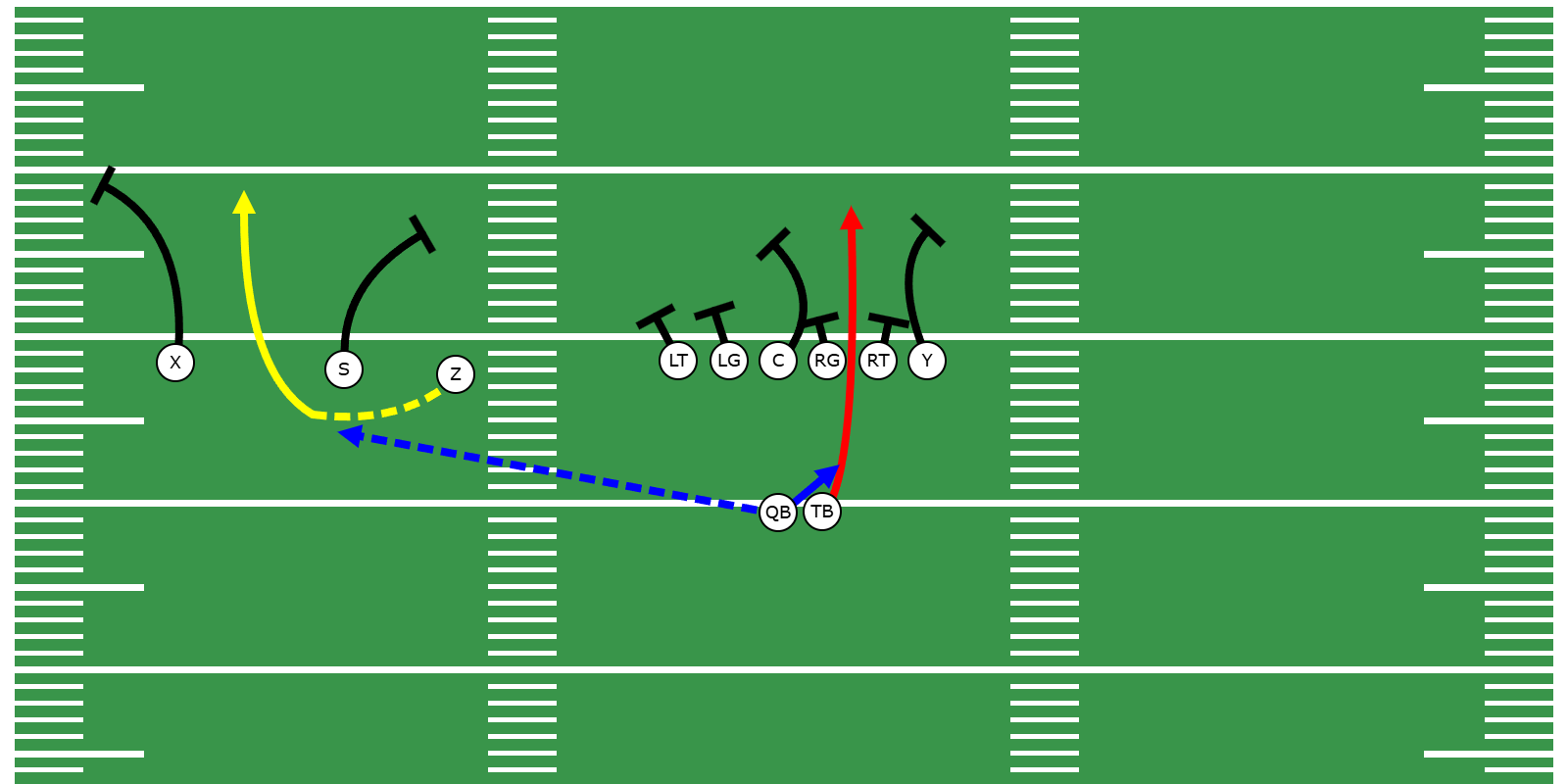
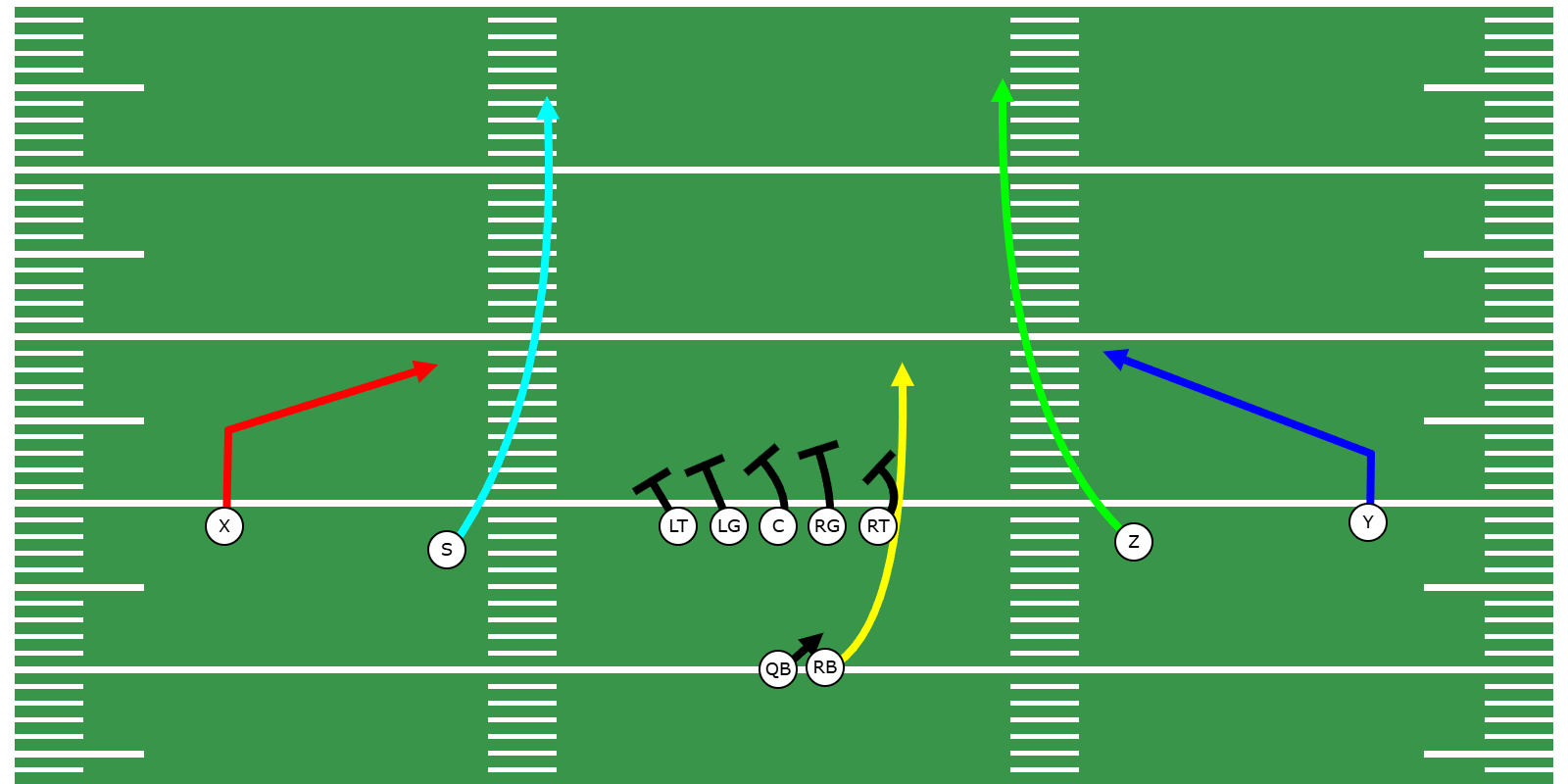
Power RPO combines the physical downhill Power running game with a quick passing option, allowing the quarterback to exploit whichever choice the defense makes. The offensive line blocks the traditional Power concept while the quarterback reads a designated conflict defender after the snap.
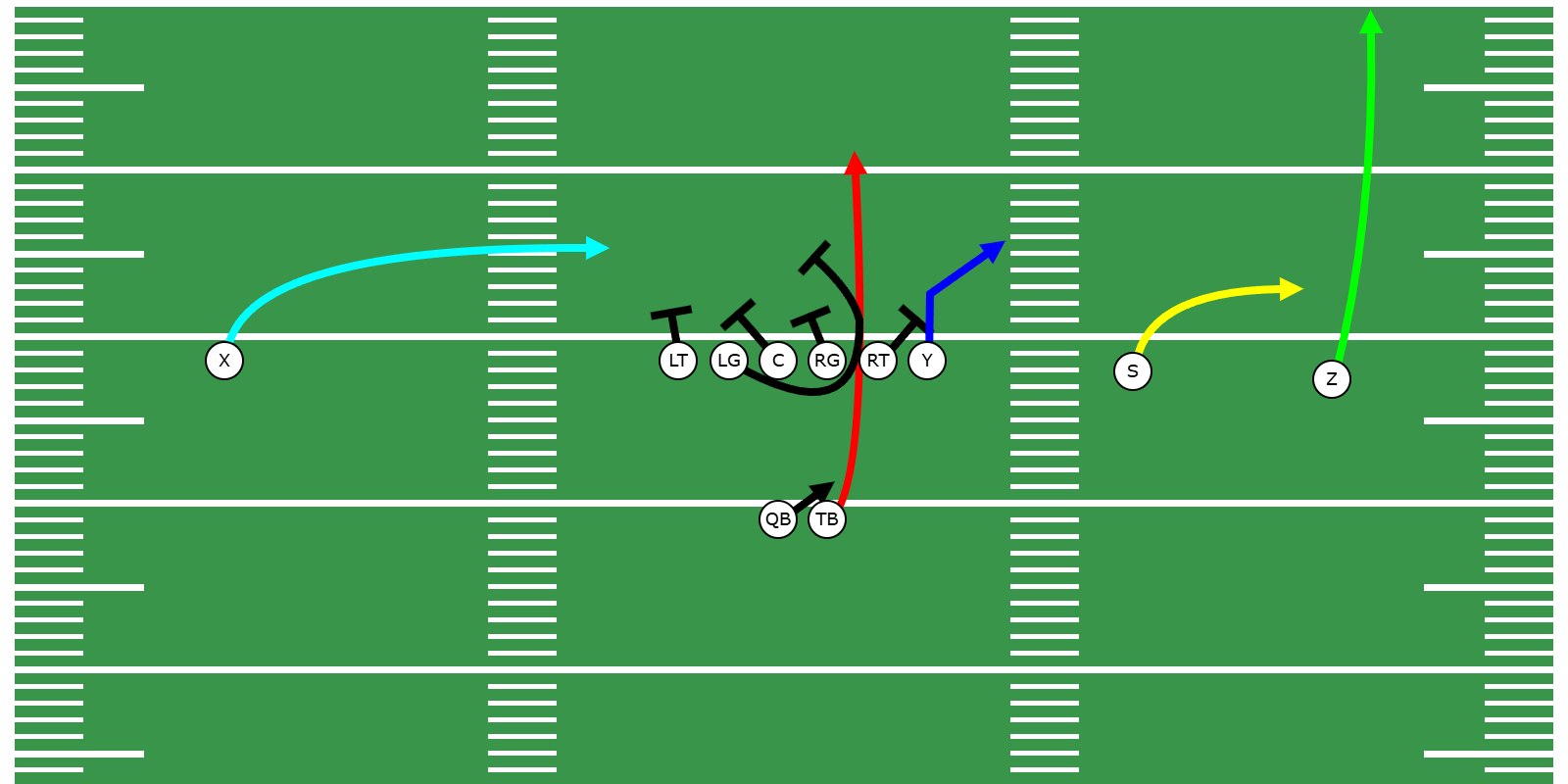
Why Power RPO Works
Power forces linebackers to fit aggressively against the run. The attached pass punishes defenders who overcommit to stopping the run while still allowing the offense to execute one of its core rushing concepts when coverage expands.
Best Formations
Shotgun Formation provides ideal spacing for the quarterback’s read while preserving the timing of the Power run and attached quick-game route.
Personnel
11 Personnel is the preferred grouping because it balances a physical running attack with multiple receiving threats capable of winning quickly.
Try The Interactive Playbook Tool: Power RPO
Draw your own Power RPO concept based play diagram right here using our embedded interactive play designer demo:
GET STARTED: To get started simply click on any of the player icons in the diagram.
Start drawing your own plays like this and build your playbook with CoachYouths Playbook Designer.
Responsibilities
- Quarterback: Read the conflict defender and decide whether to hand the ball off or throw immediately.
- Running back: Follow normal Power footwork and expect the handoff every snap.
- Offensive line: Execute standard Power blocking assignments.
- Pulling blocker: Maintain normal Power responsibilities regardless of the pass option.
- Receivers: Execute the tagged route at full speed.
Quarterback Progression
- Identify the conflict defender.
- Execute the mesh.
- Read the defender’s first movement.
- Throw if the defender commits to the run.
- Hand the football off if the defender expands into coverage.
Defensive Adjustments
Loaded Box
Take the attached throw.
Light Box
Trust the Power run.
Blitz Pressure
React quickly and deliver the attached route if the read defender vacates coverage.
Coaching Points
- Never predetermine the read.
- Offensive line always blocks the run.
- Receivers expect the football every play.
- Quarterback makes one decisive decision.
Common Youth Mistakes
- Guessing instead of reading.
- Slow mesh timing.
- Receivers relaxing because they expect a run.
- Quarterbacks staring at the receiver before reading the defender.
Installation Progression
Install the Power run first, then add the quarterback read and finally the attached route before introducing full-speed defensive reactions.
Practice Drill
Use one conflict defender whose reaction changes every repetition while quarterbacks practice disciplined give-or-throw decisions off the Power action.
Youth Coaching Tips
Power RPO becomes much easier to teach after players are comfortable running the traditional Power concept. Build from familiar fundamentals.
Why Power RPO Succeeds
Power RPO succeeds because it combines a physical downhill running play with a simple post-snap read that places one defender in conflict.
Related Articles
Published by CoachYouths Staff on 07/21/2026
You are NOT currently logged in, you may login or signup for FREE at any time: