Power Run Concept
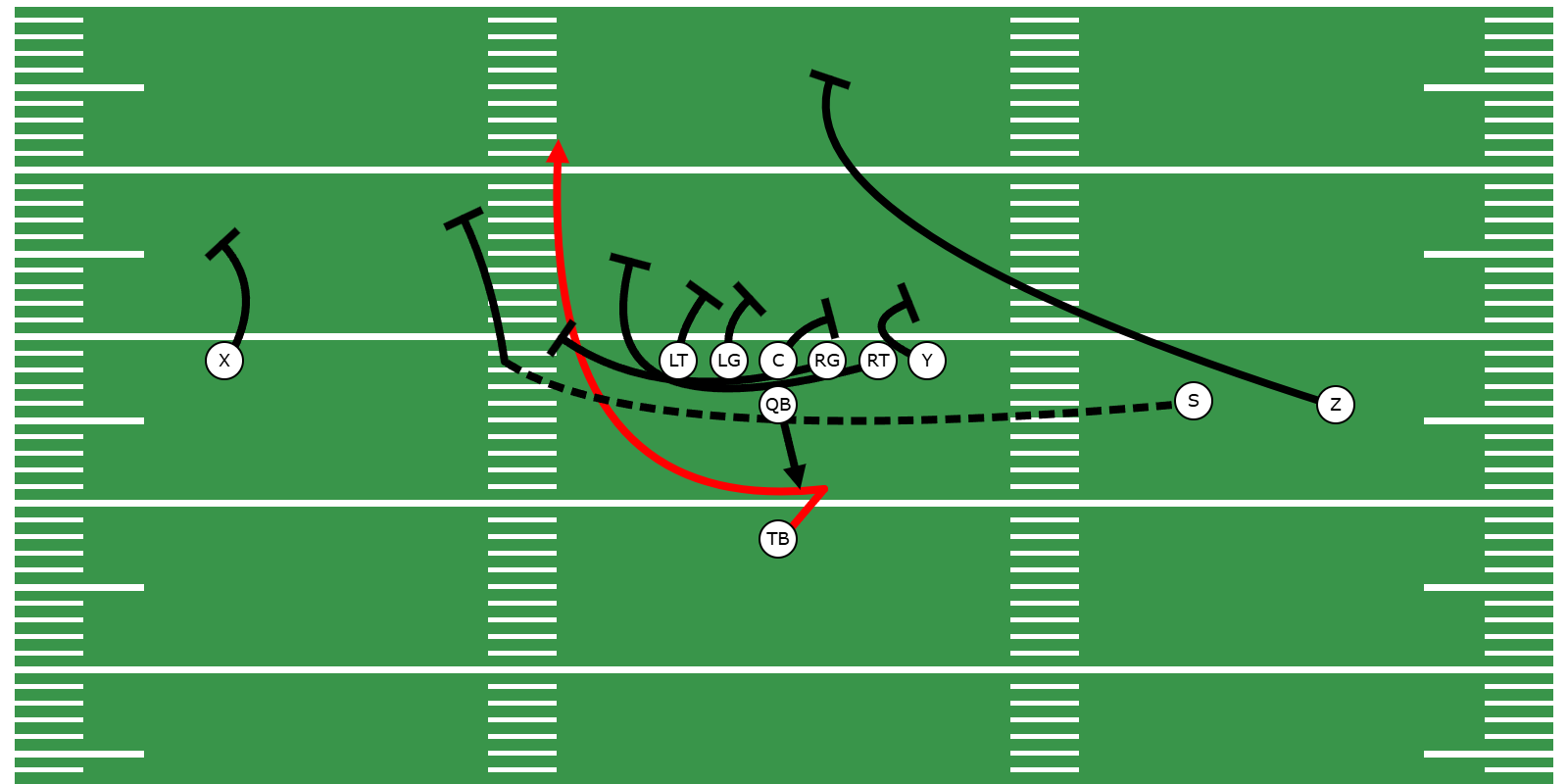
Power is one of football’s most recognizable gap-scheme running concepts. It creates an extra blocker at the point of attack by pulling a backside lineman while down blocks collapse the defensive front. The concept has been a staple from youth football through the NFL because it is physical, repeatable, and teaches offensive players how to create numbers at the point of attack.
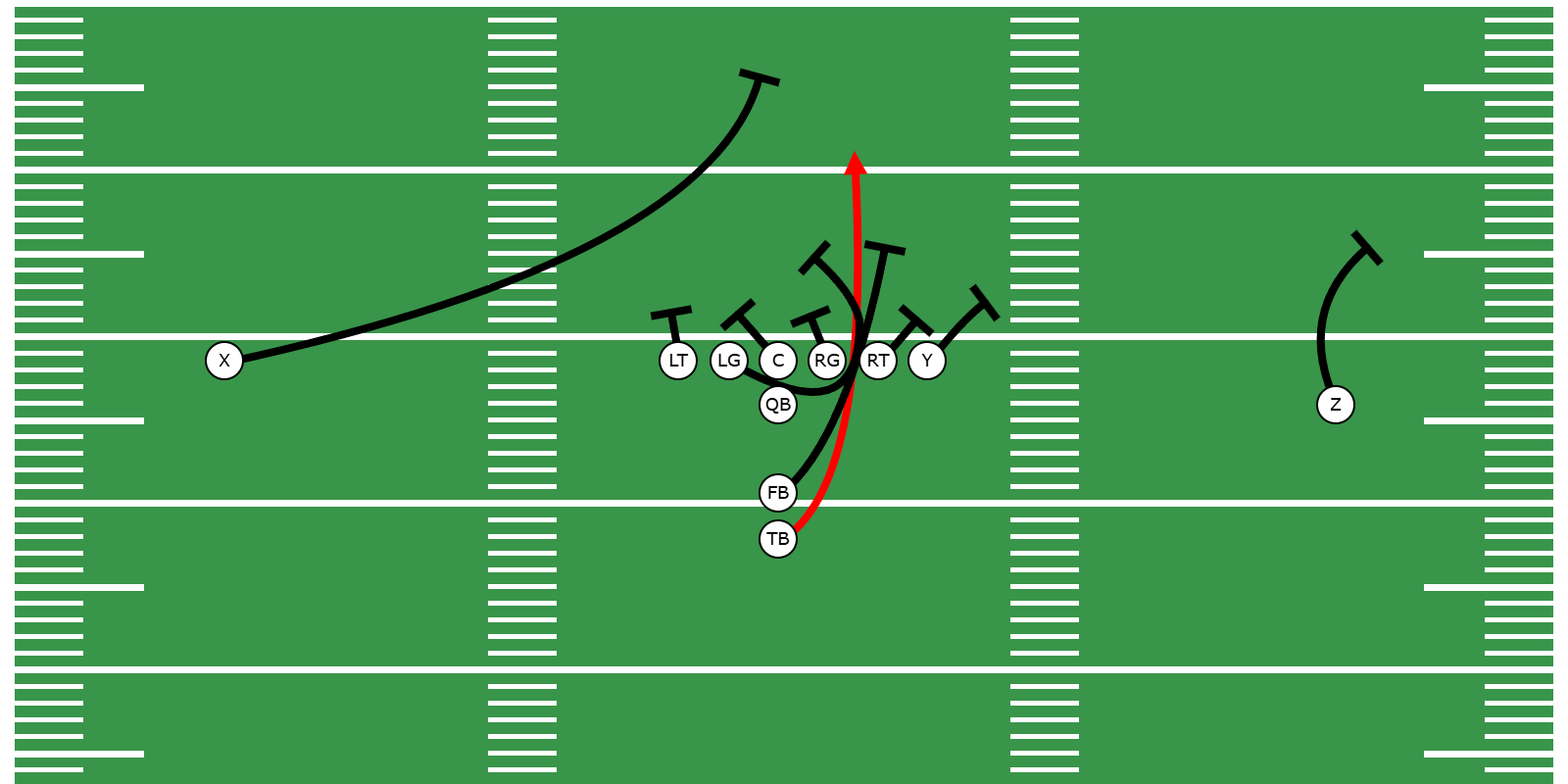
Why Power Works
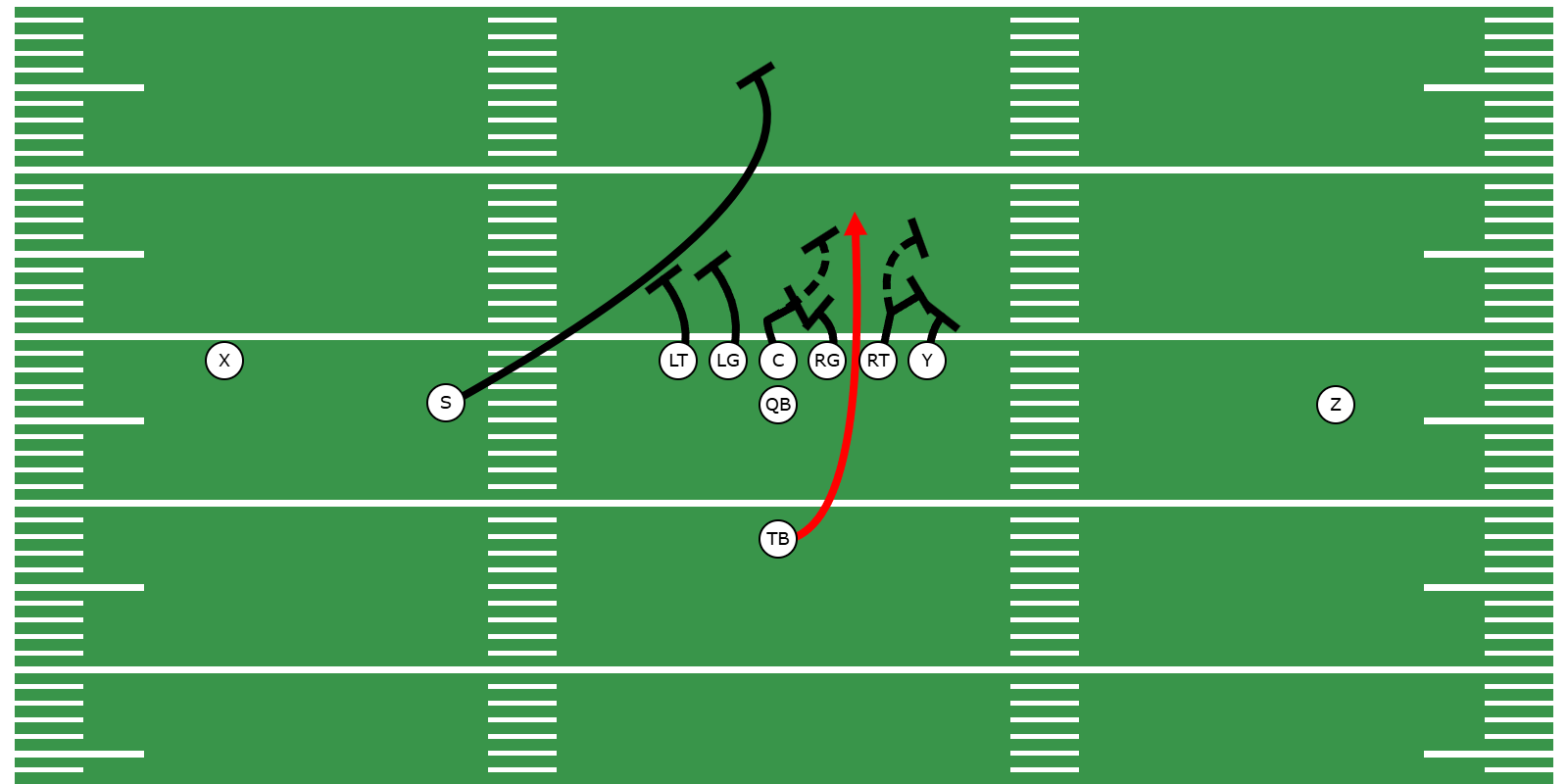
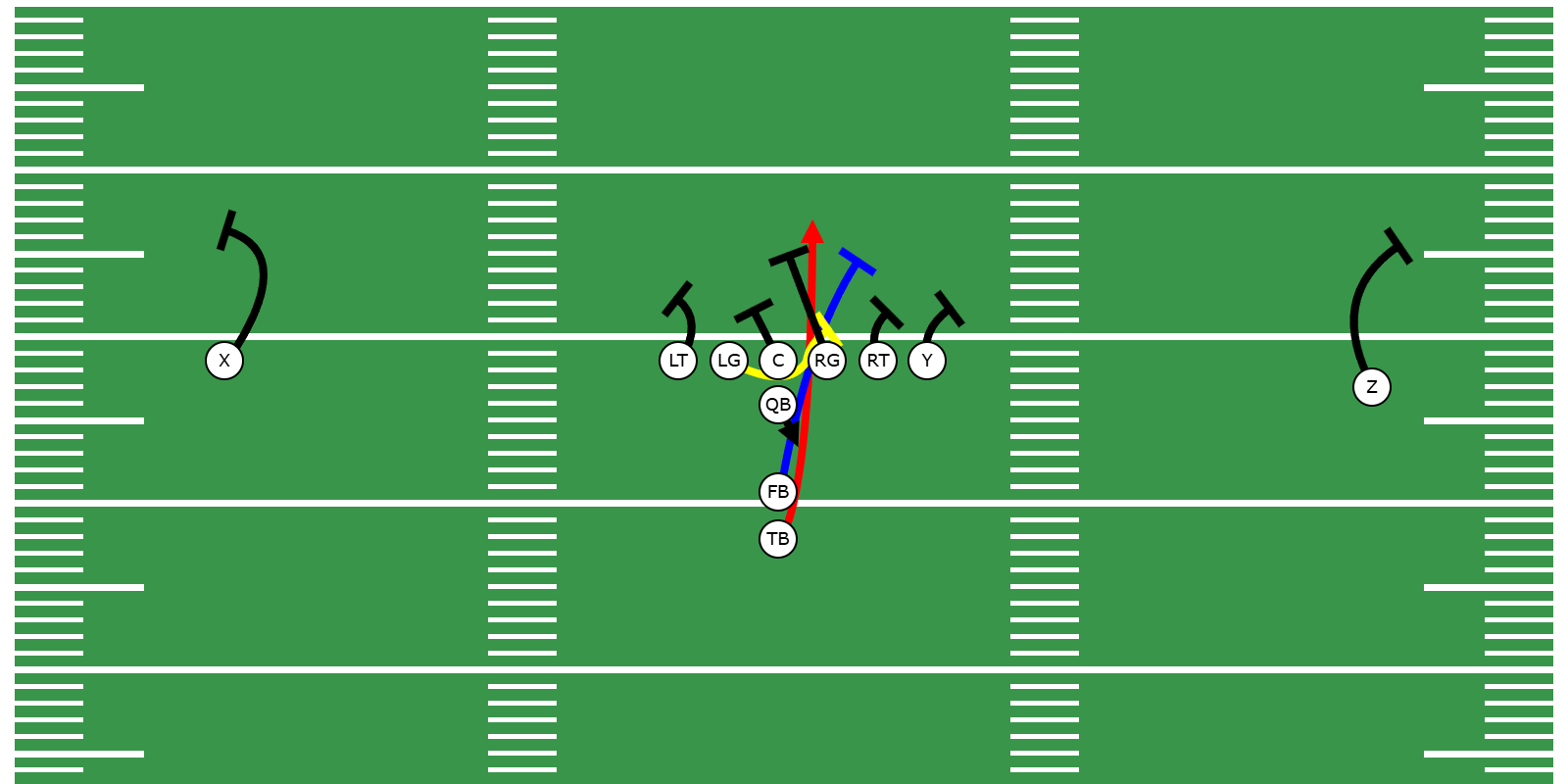
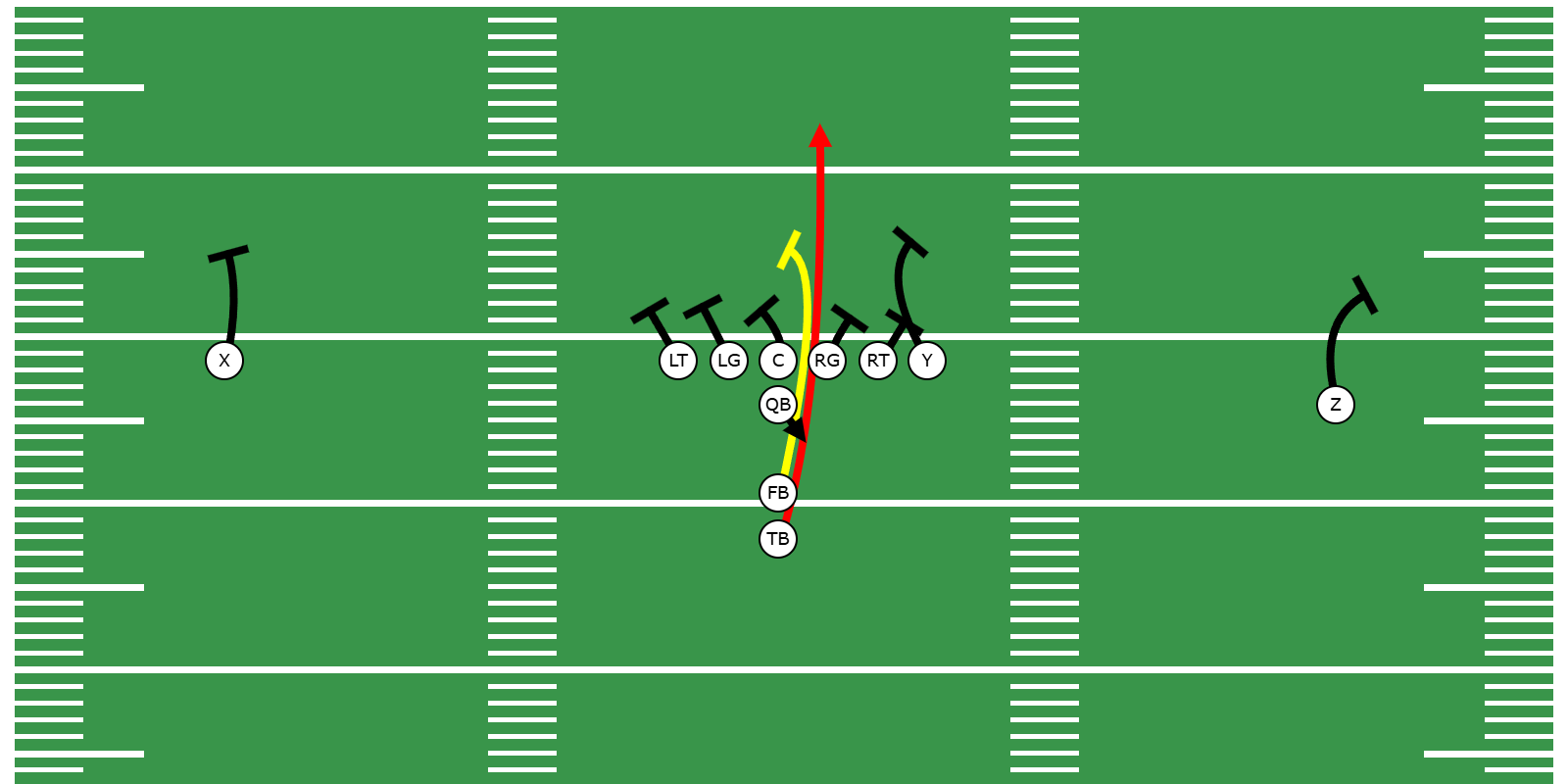
Power overwhelms one side of the defense by adding a puller to the play-side. Down blocks eliminate penetration, the kick-out block widens the edge defender, and the pulling blocker leads through the running lane. The offense creates one more blocker than the defense has available at the point of attack.
Best Formations
Power is highly effective from the I Formation and Singleback Formation, but it also translates well to Shotgun Doubles where backfield action can influence linebackers before the pull develops.
Personnel
11 Personnel is the traditional grouping because the tight end creates an additional gap and strengthens the edge. Heavier personnel packages are common in short-yardage and goal-line situations.
Try The Interactive Playbook Tool: Power Run Concept
Draw your own Power Run Concept concept based play diagram right here using our embedded interactive play designer demo:
GET STARTED: To get started simply click on any of the player icons in the diagram.
Start drawing your own plays like this and build your playbook with CoachYouths Playbook Designer.
Blocking Responsibilities
- Play-side linemen: Execute down blocks to collapse the defensive front.
- Backside guard: Pull and lead through the designated hole.
- Tight end or fullback: Kick out the edge defender.
- Receivers: Block the most dangerous perimeter defender.
- Running back: Follow the puller and read the kick-out block.
Running Back Read
- Stay tight behind the pulling blocker.
- Read the kick-out block.
- Cut inside if the edge is widened.
- Bounce outside only if the edge collapses.
- Finish downhill behind your pads.
Defensive Adjustments
Even Fronts
Expect strong interior resistance and emphasize down-block angles.
Odd Fronts
Communicate responsibilities against the nose tackle before the pull begins.
Blitz Pressure
Trust the blocking scheme and avoid abandoning the designed path.
Coaching Points
- Pull with depth, not width.
- Down blocks must eliminate penetration.
- Running backs should stay patient behind the puller.
- Finish every run with forward body lean.
Common Youth Mistakes
- Pullers turning upfield too early.
- Running backs outrunning their lead blocker.
- Down blockers allowing penetration.
- Bouncing outside without reading the kick-out block.
Installation Progression
Teach down blocks first, then pulling footwork, followed by kick-out technique. Combine the pieces in half-line drills before advancing to inside-run and full-team periods.
Practice Drill
Run repeated Power periods with rotating defensive fronts. Focus on pull timing, kick-out leverage, and the running back’s read of the lead blocker.
Youth Coaching Tips
Do not rush the pulling guard. Clean footwork and consistent landmarks are more important than speed. Once players understand their assignments, the play becomes one of the most dependable runs in your offense.
Why Power Succeeds
Power succeeds because it creates an extra blocker at the point of attack, giving the offense a numbers advantage while allowing the running back to follow clearly defined blocking.
Related Articles
Published by CoachYouths Staff on 07/21/2026
You are NOT currently logged in, you may login or signup for FREE at any time: