Corner Passing Concept
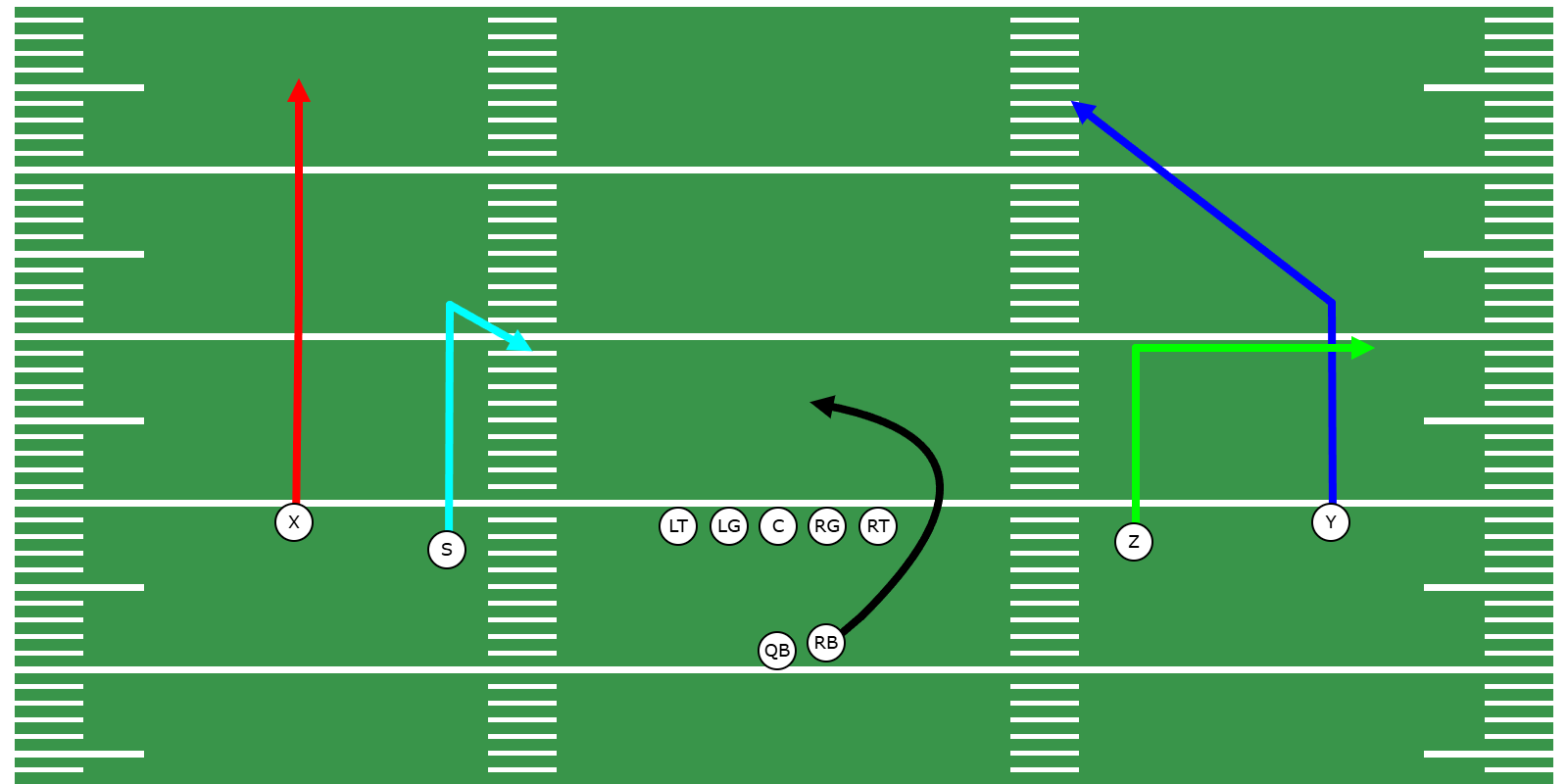
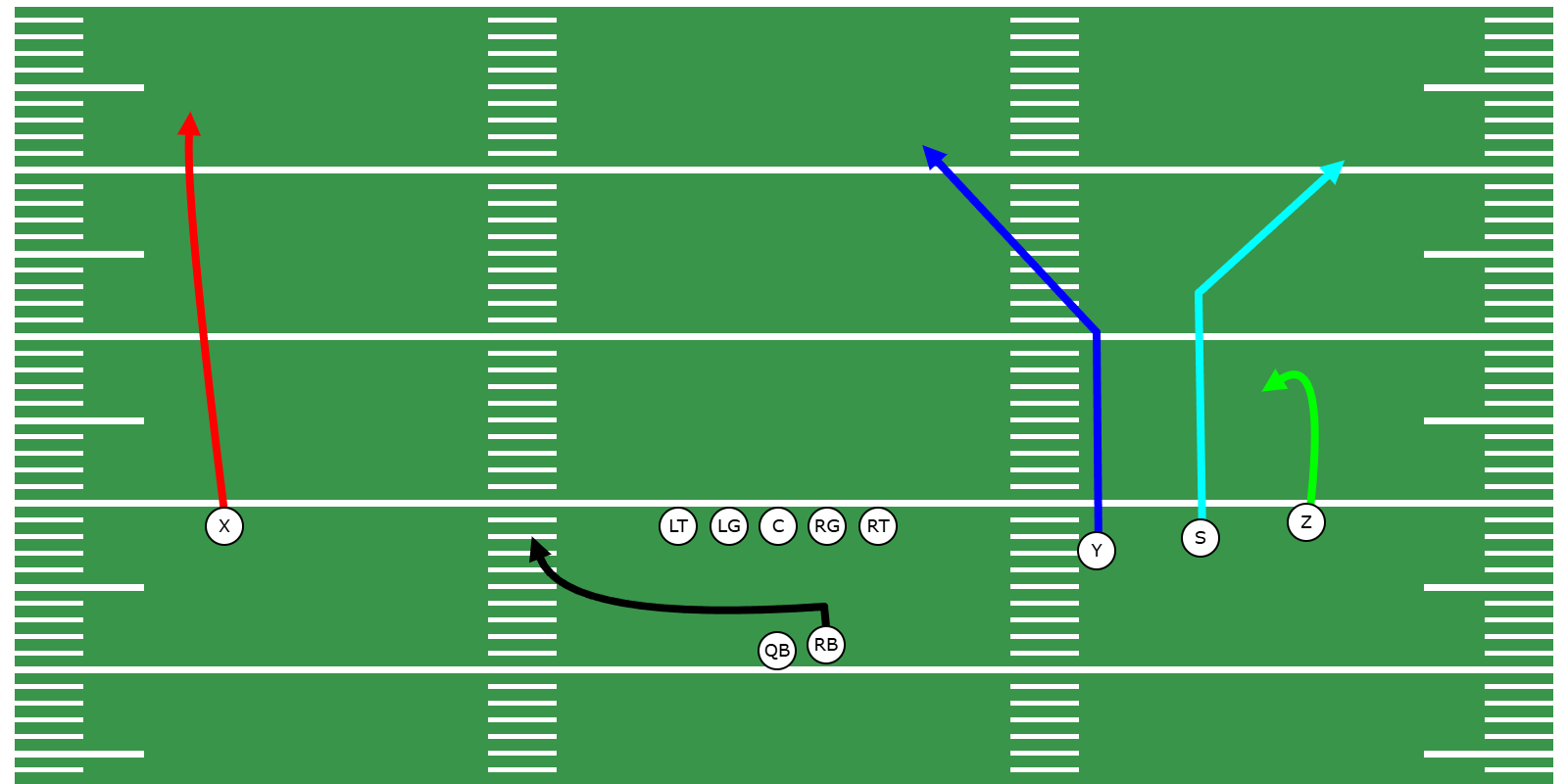
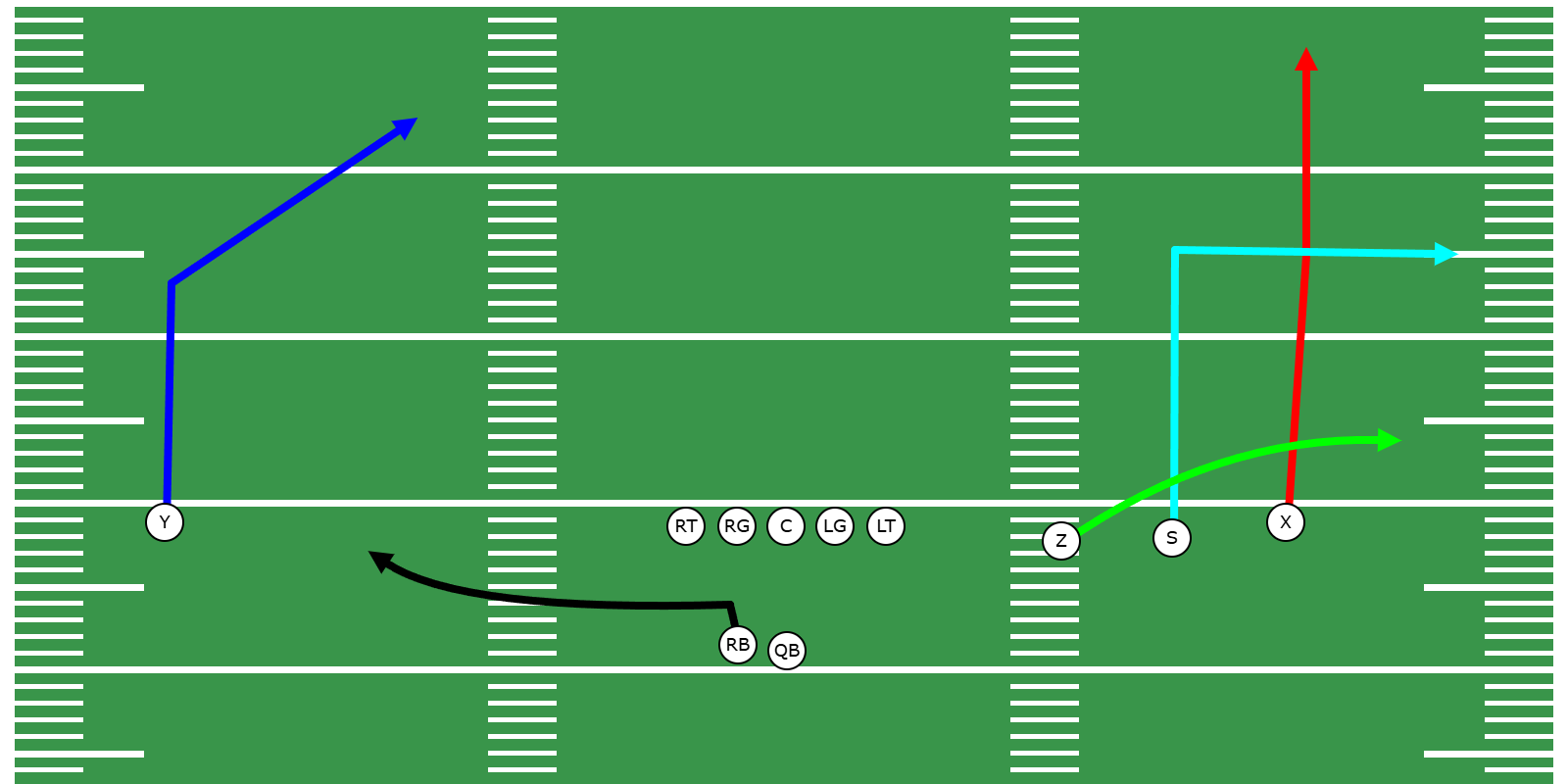
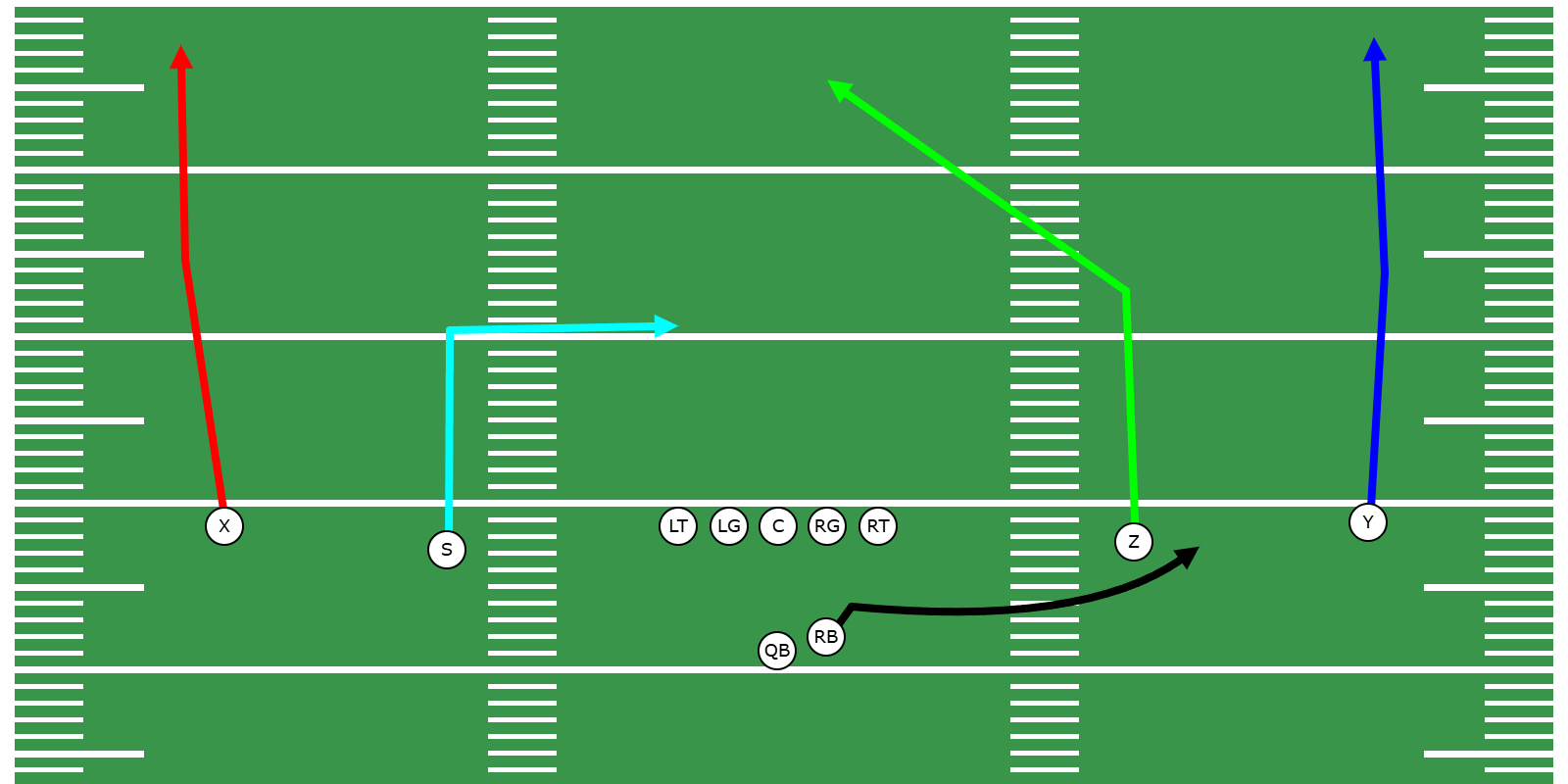
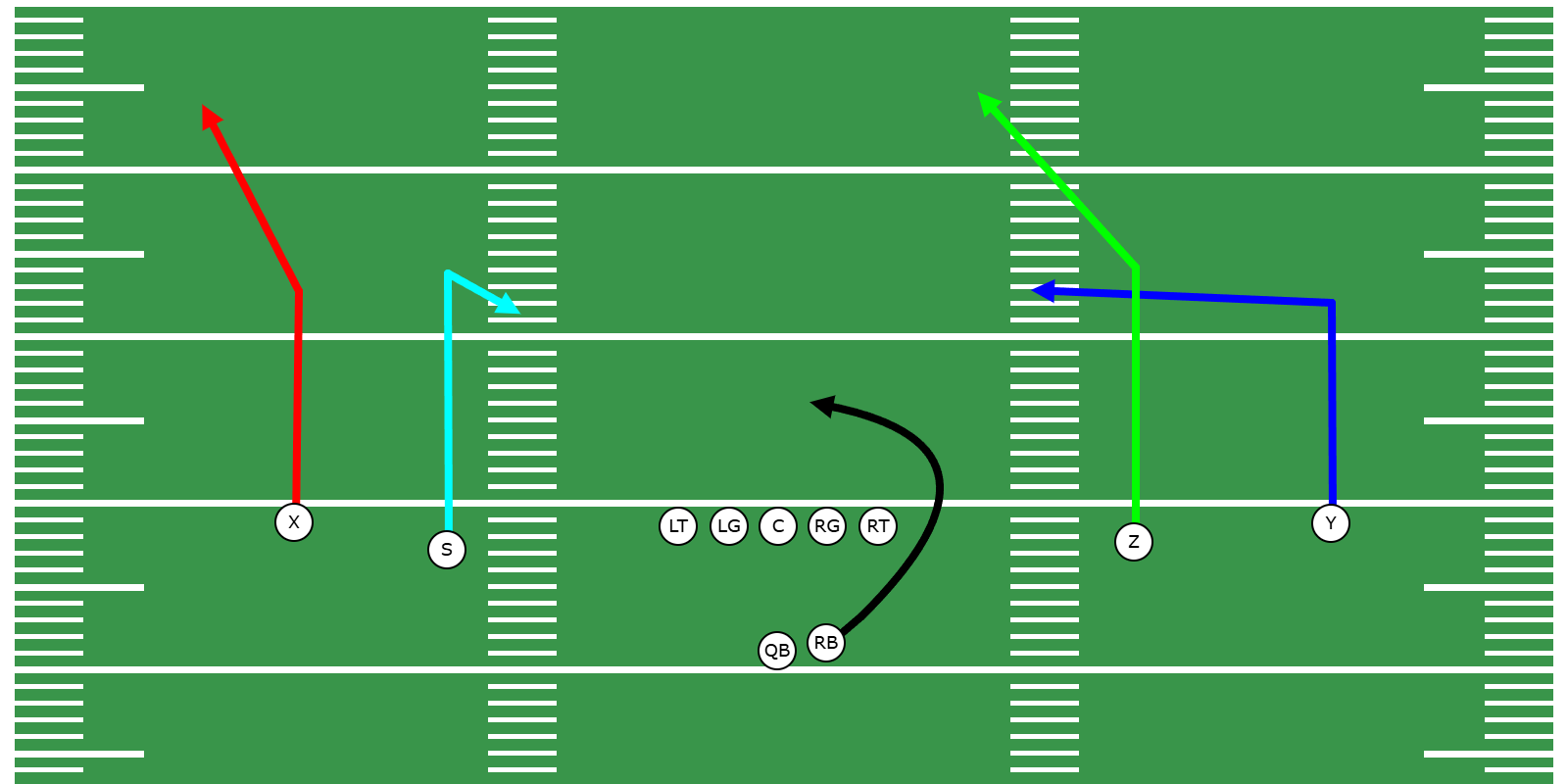
The Corner route attacks the deep outside area of the field by selling a vertical release before breaking at a 45-degree angle toward the sideline. It is a staple of many passing concepts because it stretches safeties horizontally and creates explosive-play opportunities while complementing underneath routes.
Why Corner Works
A successful Corner route forces the defender to believe he is defending a vertical route. Once the defender commits his hips, the receiver breaks toward the sideline into open space. Combined with a hitch, snag, or flat route, the Corner becomes extremely difficult to defend because underneath defenders cannot help over the top.
Best Formations
Trips and Spread formations naturally create space for the Corner route by widening defensive alignments and giving the receiver room to break outside without traffic.
Personnel
11 Personnel is an excellent starting point, although 10 Personnel provides additional spacing. Receivers who track the football well and maintain speed through their break are especially effective.
Try The Interactive Playbook Tool: Corner Passing Concept
Draw your own Corner Passing Concept concept based play diagram right here using our embedded interactive play designer demo:
GET STARTED: To get started simply click on any of the player icons in the diagram.
Start drawing your own plays like this and build your playbook with CoachYouths Playbook Designer.
Route Responsibilities
- Primary receiver: Vertical stem before breaking at a 45-degree angle toward the sideline.
- Complementary receivers: Underneath routes that occupy curl/flat defenders.
- Backside receiver: Dig, comeback, or post as a secondary progression.
- Running back: Protect first before releasing as the outlet.
Quarterback Progression
- Identify the safety shell before the snap.
- Confirm leverage after the snap.
- Throw the Corner only if the receiver gains outside leverage.
- Progress underneath if the deep route is capped.
- Protect the football rather than forcing the throw.
Coverage Adjustments
Cover 2
Attack behind the cornerback before the safety closes.
Cover 3
Read the outside third defender and throw only when leverage develops.
Man Coverage
Lead the receiver toward the sideline away from trailing coverage.
Quarters
Be patient and work underneath when both safeties remain over the top.
Coaching Points
- Sell the vertical release.
- Maintain speed through the break.
- Throw to the landmark, not the receiver.
- Keep adequate spacing from other deep routes.
Common Youth Mistakes
- Breaking too early.
- Flattening the route.
- Looking for the football before completing the break.
- Quarterbacks throwing late.
Installation Progression
Teach the stem first, then the break angle, followed by quarterback timing. Progress from routes on air to one-on-ones, 7-on-7, and full-team practice.
Practice Drill
Run repeated Corner routes against rotating Cover 2 and Cover 3 looks while emphasizing leverage, timing, and ball placement.
Youth Coaching Tips
Stress that the vertical stem creates separation. Receivers who rush the break allow defenders to stay in phase.
Why Corner Succeeds
The Corner succeeds because it attacks a difficult coverage area while complementing many of football’s best high-low passing concepts.
Published by CoachYouths Staff on 07/21/2026
You are NOT currently logged in, you may login or signup for FREE at any time: