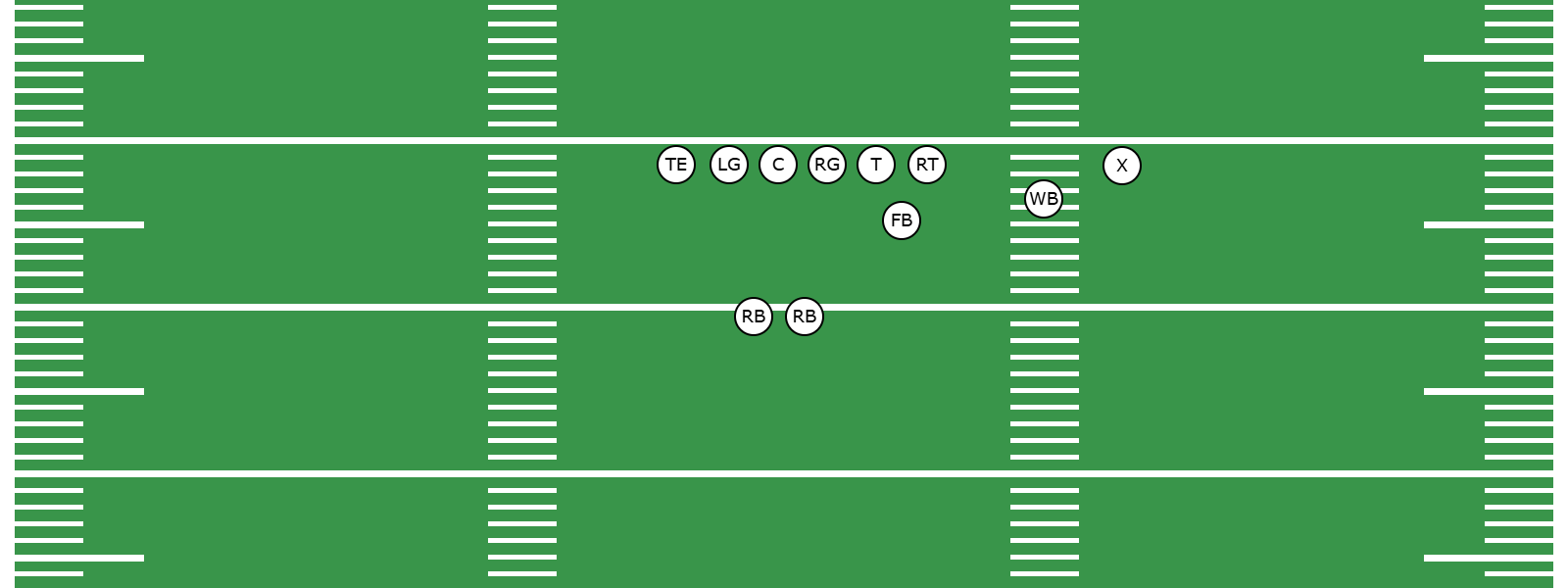
What Is the Tight Wing-T?
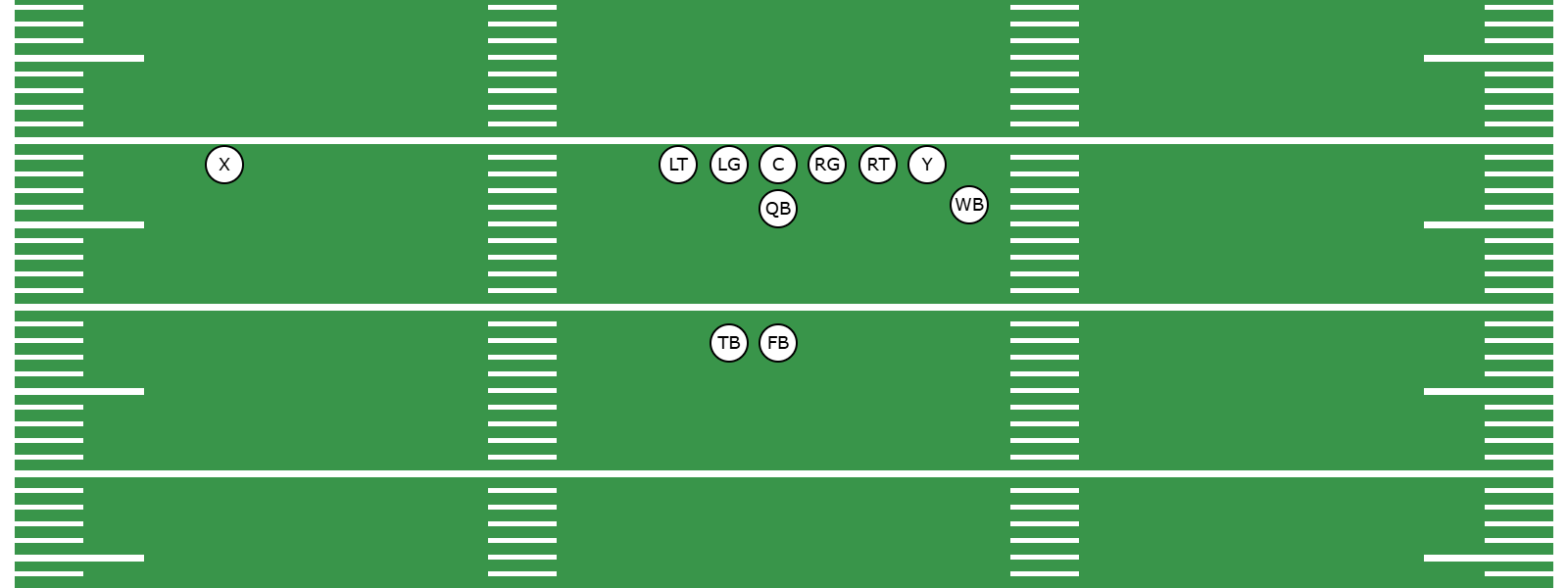
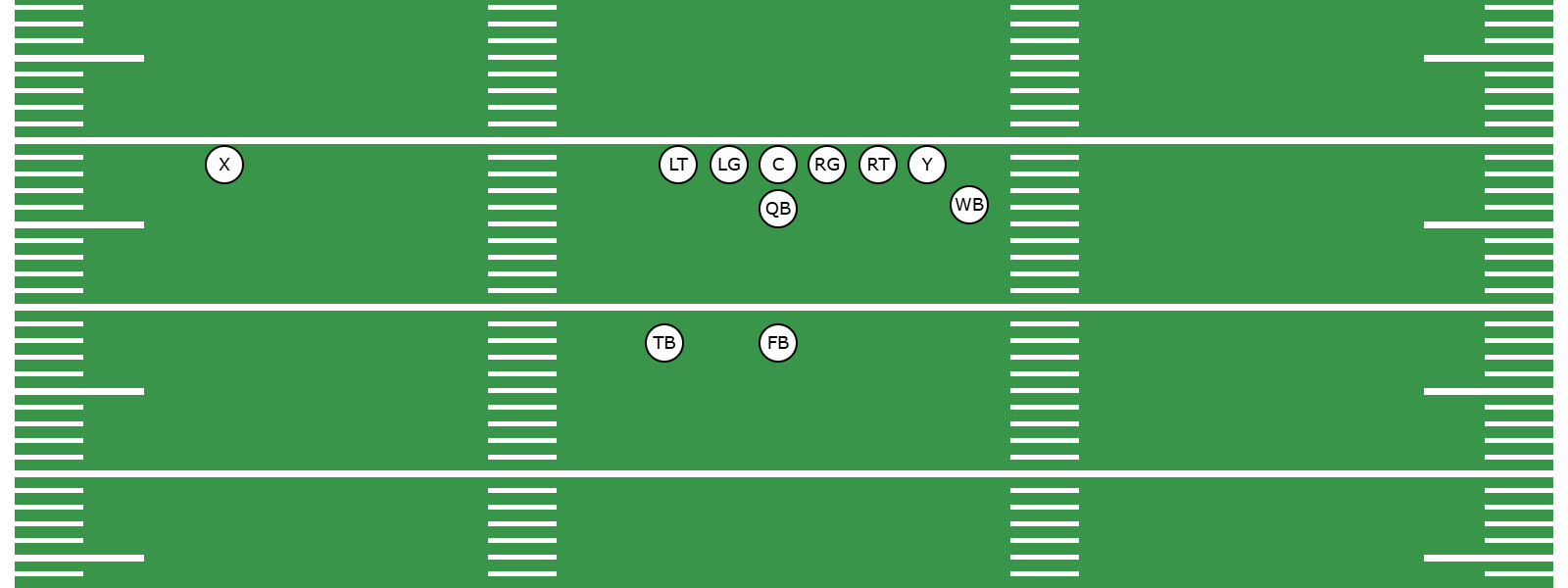
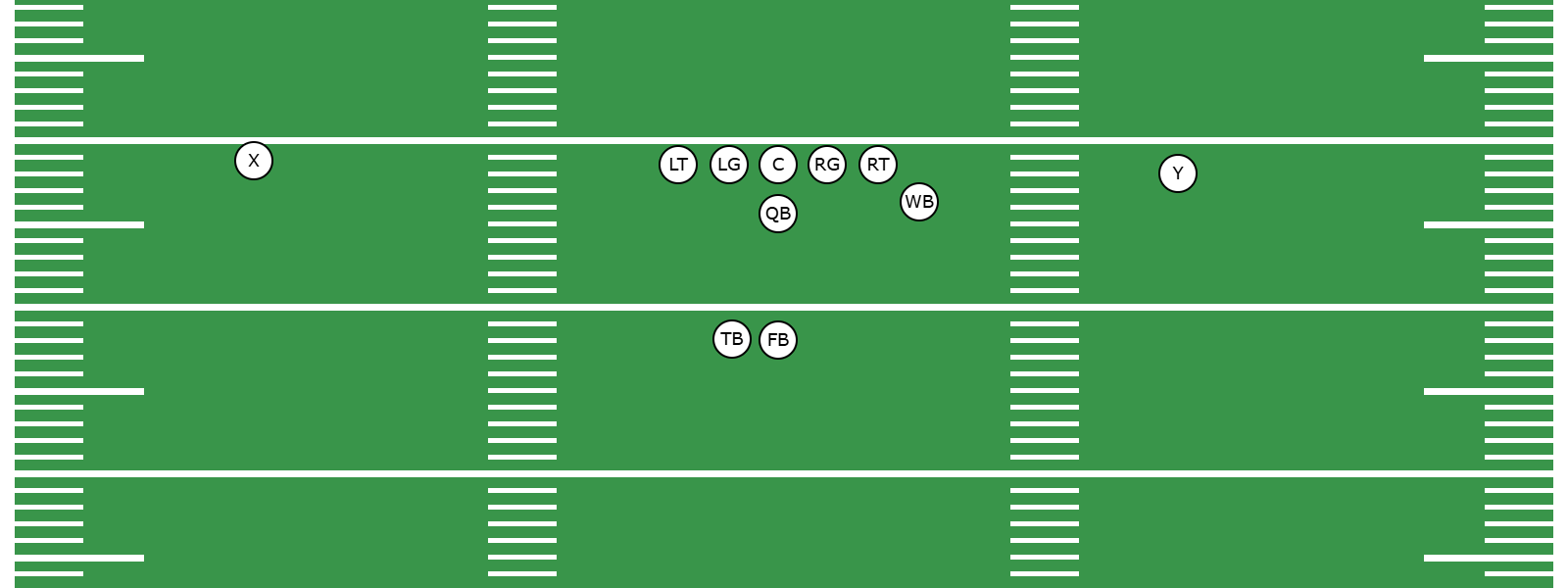
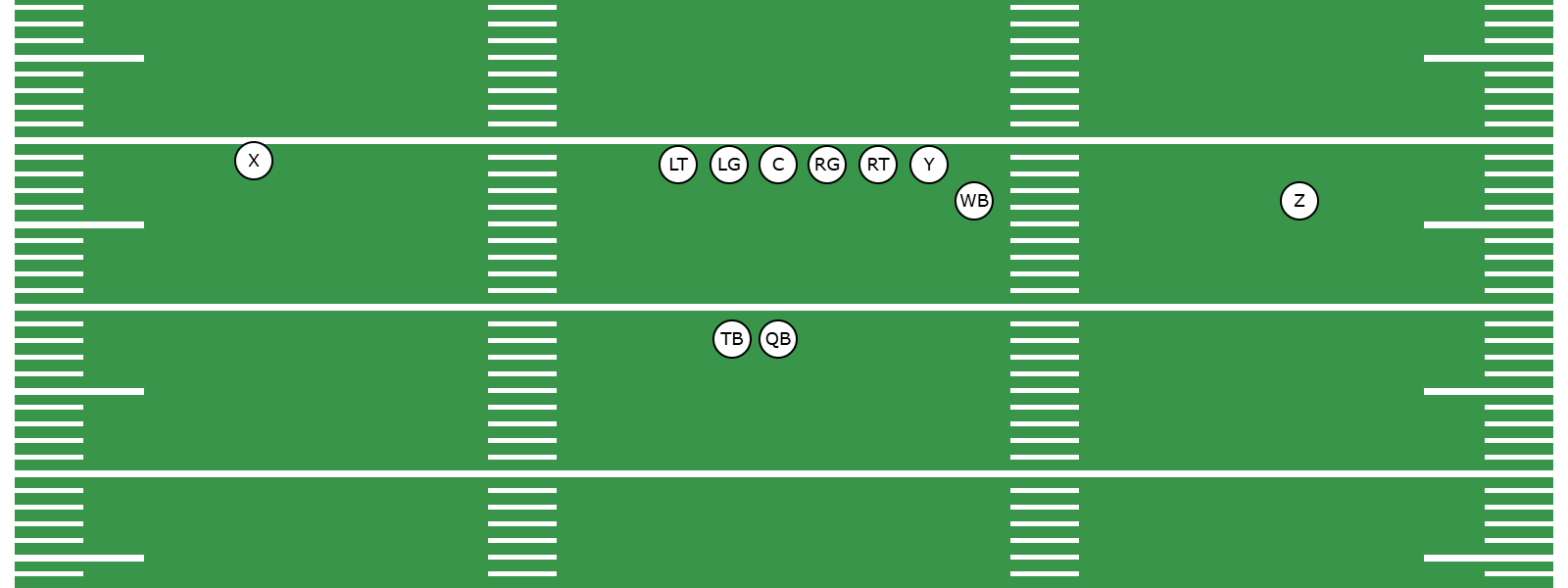
The Tight Wing-T is a variation of the Wing-T Offense that keeps offensive players in tighter alignments to strengthen the running game and create favorable blocking angles. By reducing the space between players, the offense emphasizes physical football and misdirection.
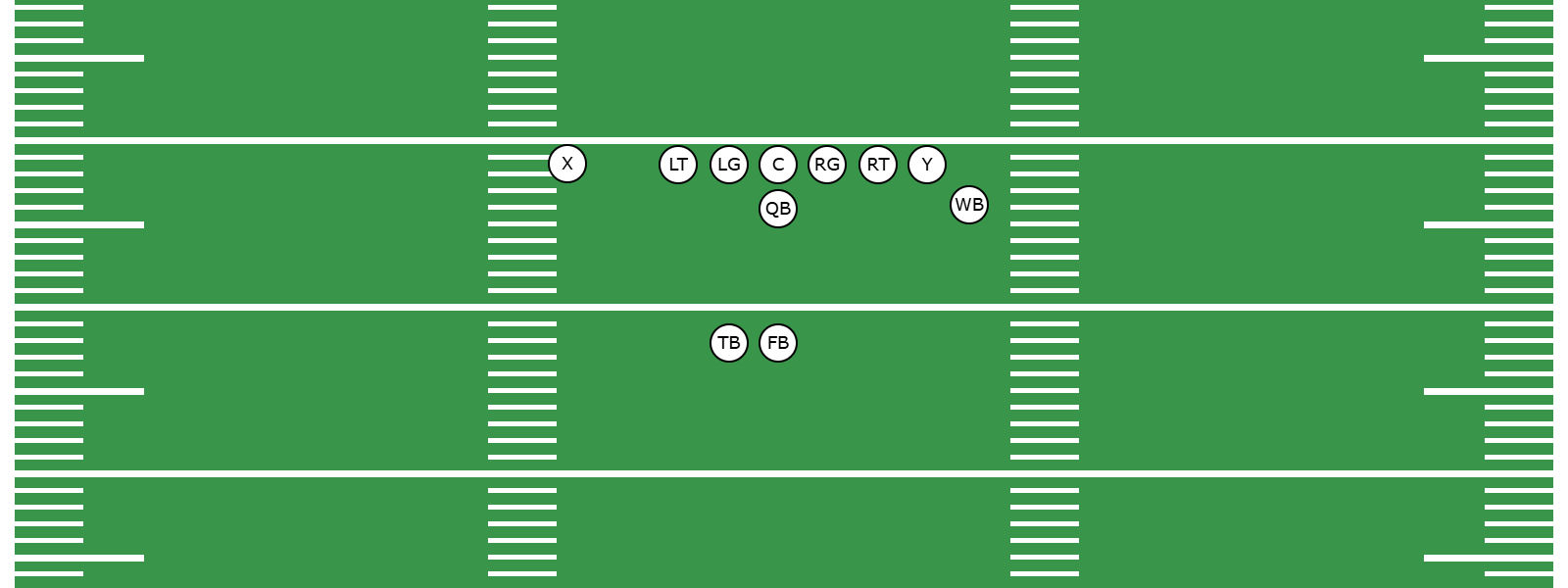
History
The Tight Wing-T evolved from the Traditional Wing-T as coaches looked for additional blocking advantages while preserving the core philosophy of deception and complementary football.
Alignment
A typical Tight Wing-T includes:
- Quarterback under center
- Fullback
- Halfback
- Wingback aligned tightly outside the tight end
- Tight end
- Split end
- Five offensive linemen
Try The Interactive Playbook Tool: Tight Wing-T
Draw your own Tight Wing-T play diagram right here using our embedded interactive play designer demo:
GET STARTED: To get started simply click on any of the player icons in the diagram.
Start drawing your own plays like this and build your playbook with CoachYouths Playbook Designer.
Strengths
- Strong inside running game.
- Excellent blocking angles.
- Effective misdirection.
- Physical offensive identity.
Weaknesses
- Reduced perimeter spacing.
- Passing windows can be tighter.
- Requires disciplined execution.
Best Personnel
The Tight Wing-T is well suited for physical offensive linemen, disciplined backs, and teams that enjoy controlling the line of scrimmage.
Common Running Plays
- Buck Sweep
- Trap
- Belly
- Counter
Common Passing Concepts
- Waggle
- Play Action
- Bootleg
Defensive Matchups
The Tight Wing-T can pressure defenses with disciplined run execution while taking advantage of overaggressive pursuit through misdirection.
Common Variations
- Traditional Wing-T
- Spread Wing-T
- Shotgun Wing-T
Ideal Situations
- Power running offenses
- Youth football
- Ball-control game plans
When NOT to Use This Formation
It may not be the best choice for offenses focused on spreading the defense with multiple wide receivers.
Youth Coaching Tips
Focus on blocking fundamentals and consistent backfield timing before adding complementary plays.
Common Mistakes
- Crowding the formation without maintaining spacing.
- Neglecting play-action.
- Expanding the playbook too quickly.
Frequently Asked Questions
How is the Tight Wing-T different from the Traditional Wing-T?
It uses tighter player alignments to emphasize physical running and blocking angles.
Is the Tight Wing-T effective for youth football?
Yes. It is an excellent option for teams built around fundamentals and disciplined execution.
Coach’s Checklist
- □ Physical offensive line
- □ Consistent backfield timing
- □ Strong blocking fundamentals
- □ Commitment to complementary football
Key Takeaways
The Tight Wing-T builds on the proven principles of the Wing-T by creating a more compact formation that emphasizes power running, deception, and disciplined execution.
The best way to truly understand a formation is to build it, experiment with it, and see how small alignment changes affect your offense. Open this formation in Football Playbook Designer to customize it for your own team.
Related Articles
Published by CoachYouths Staff on 07/13/2026
You are NOT currently logged in, you may login or signup for FREE at any time: