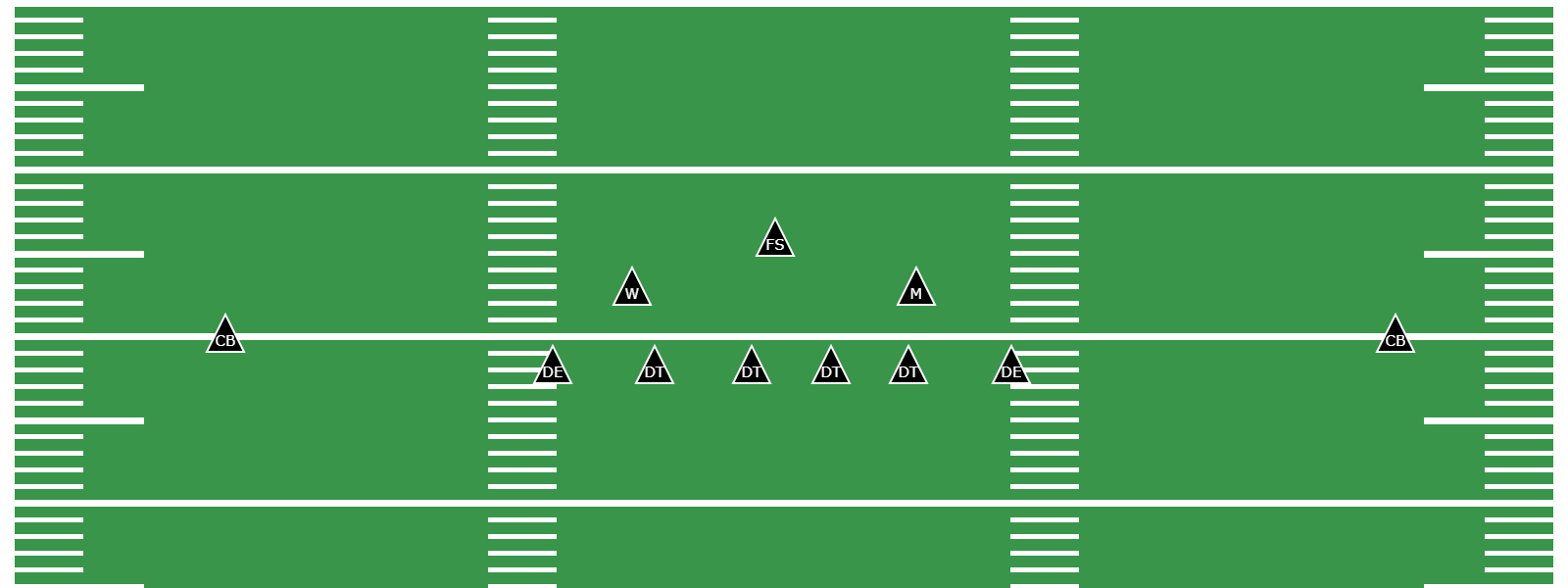
What Is the Tight 5-3 Defense?
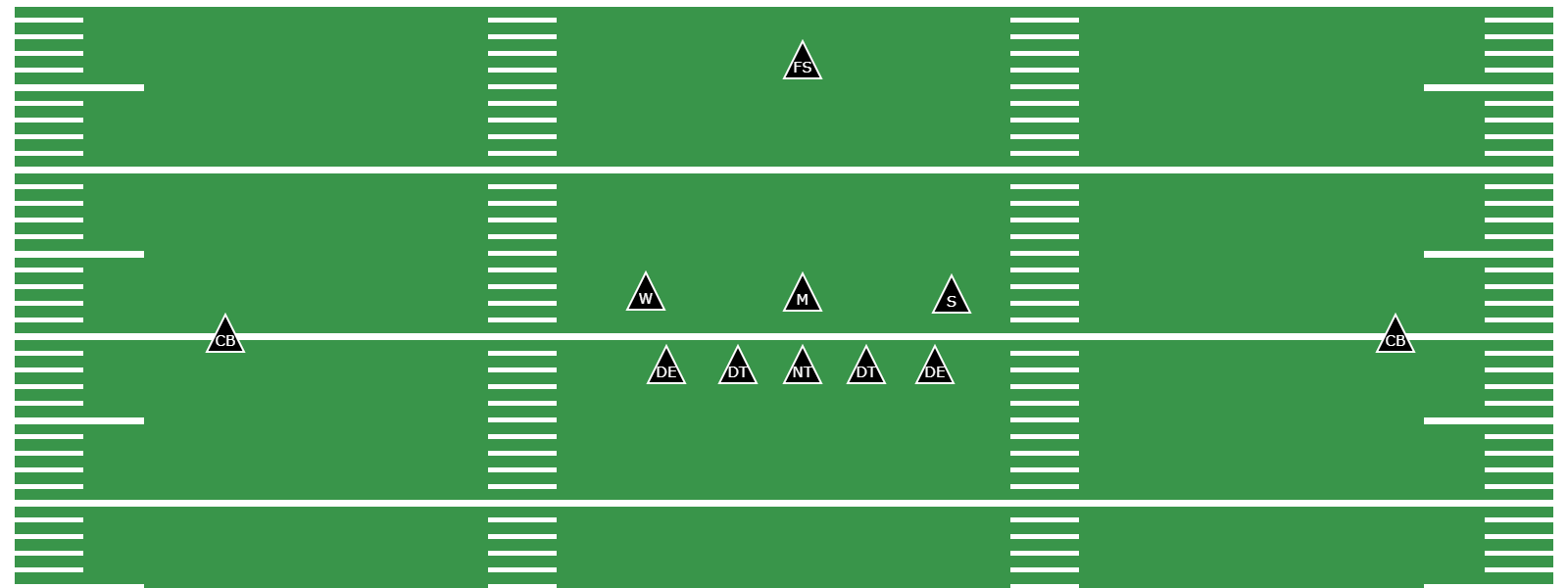
The Tight 5-3 Defense is a variation of the traditional 5-3 Defense that aligns the defensive front closer together to strengthen interior gap control and stop downhill running attacks. It emphasizes controlling the line of scrimmage while preserving the physical nature of the base 5-3 Defense.
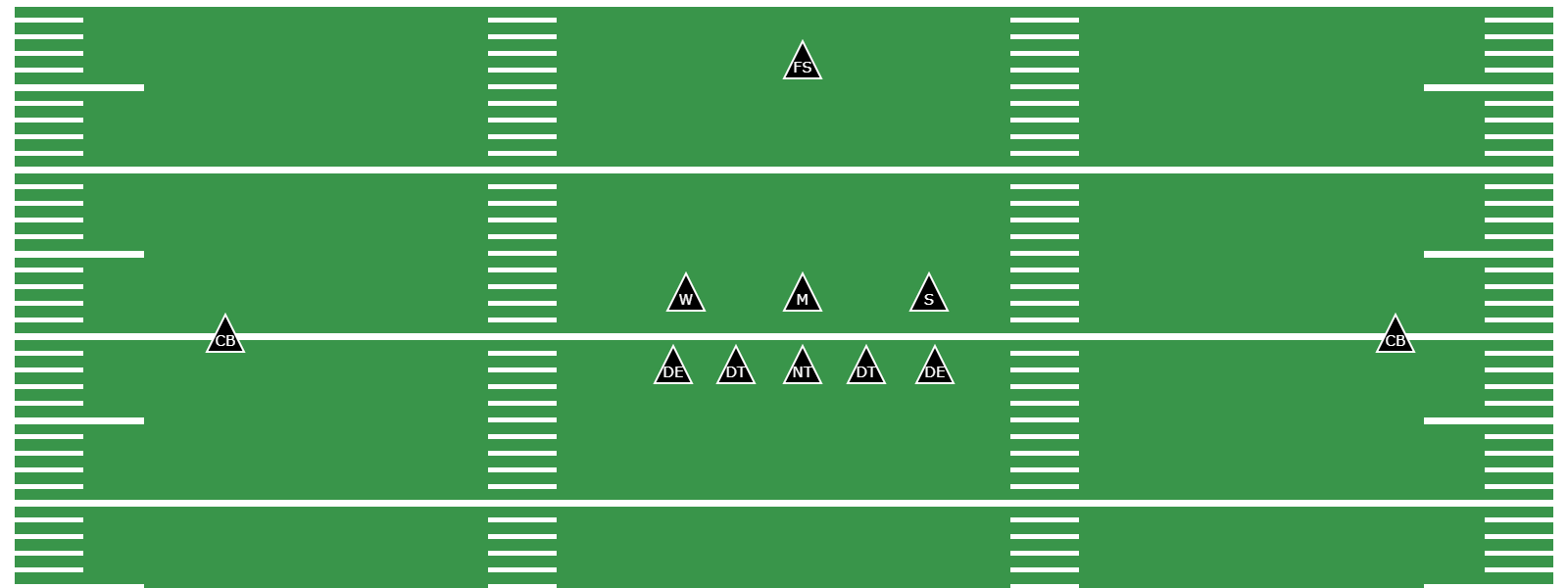
History
The Tight 5-3 Defense developed as coaches looked for a way to better defend power-running offenses without changing personnel. Narrower defensive line alignments reduce interior running lanes and improve short-yardage defense.
Alignment
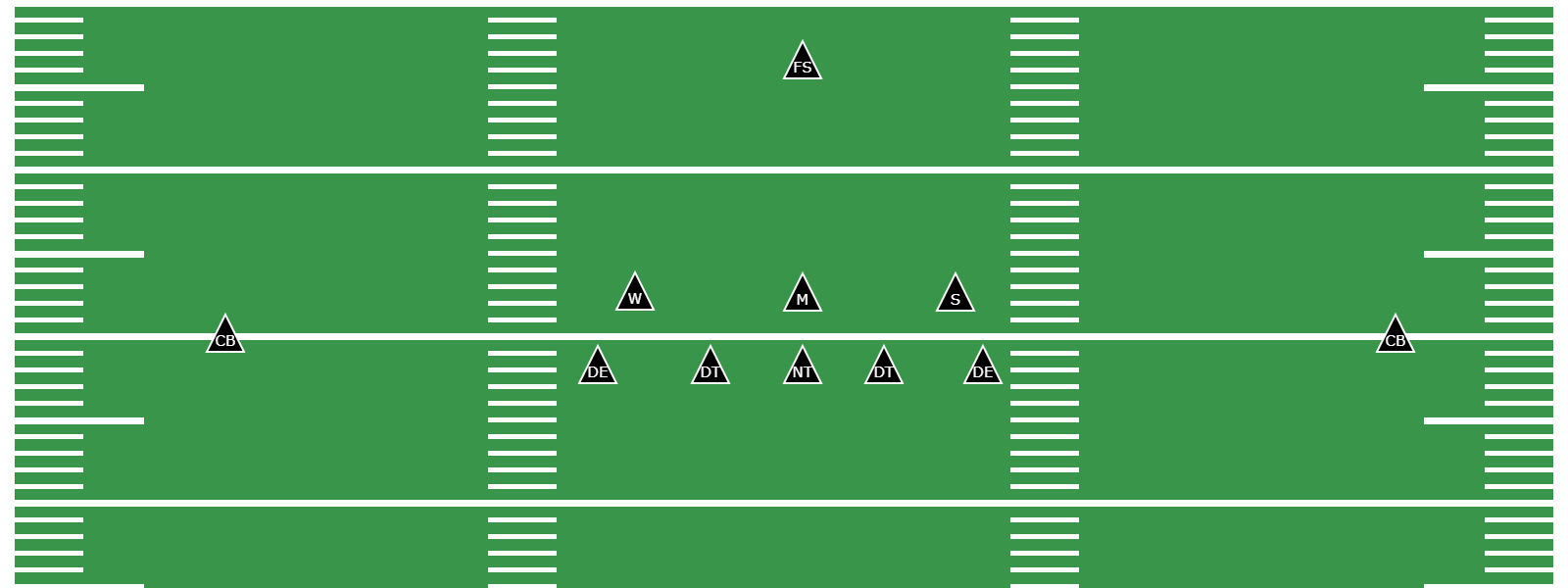
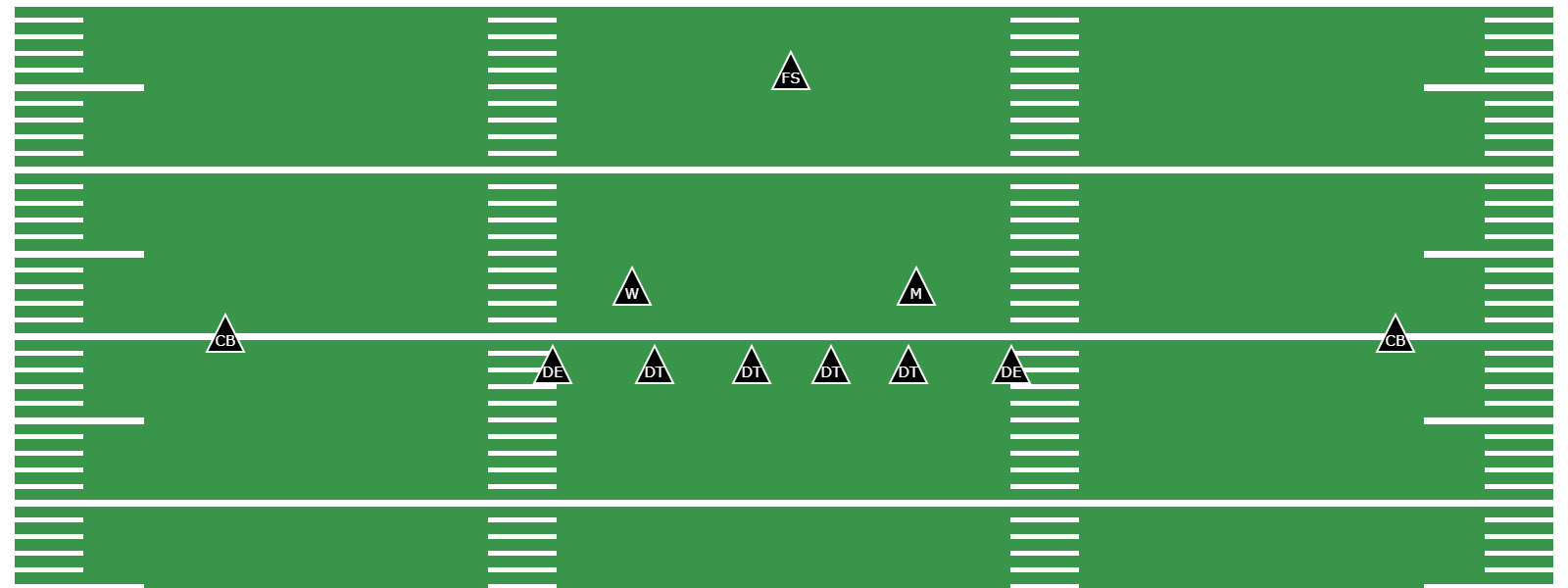
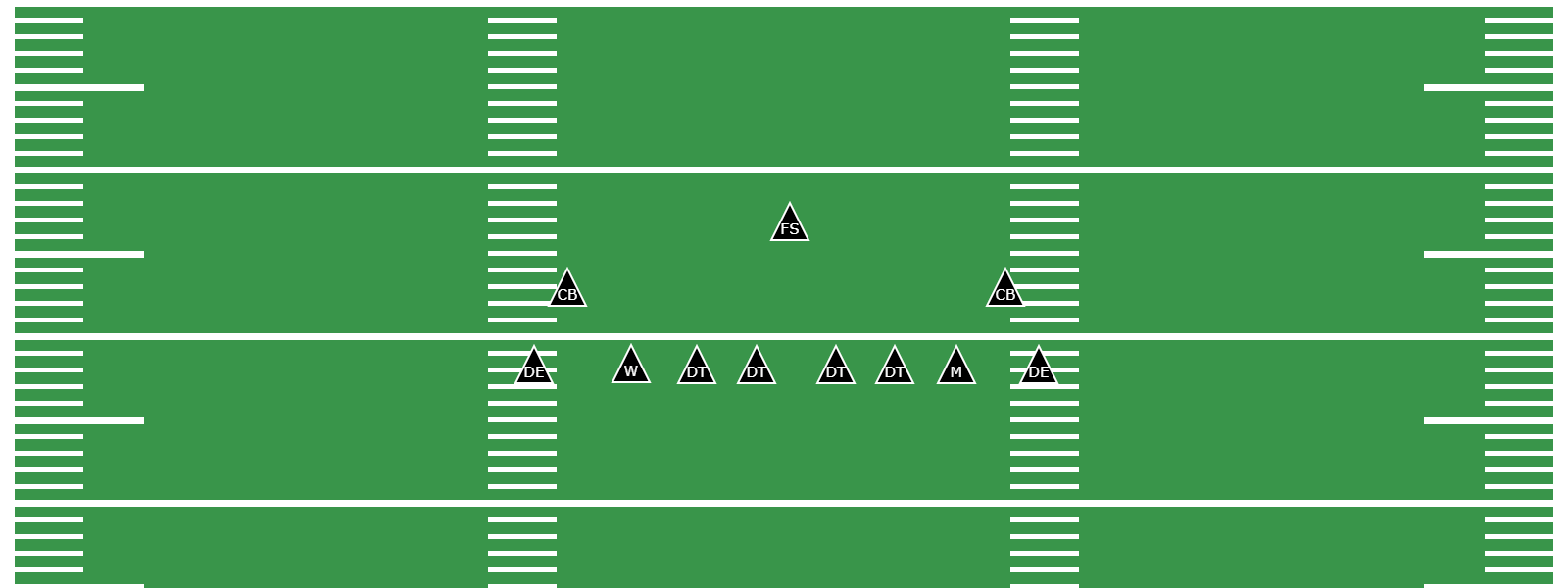
A typical Tight 5-3 Defense includes:
- Five defensive linemen aligned tightly to the interior
- Three linebackers
- Three defensive backs
Try The Interactive Playbook Tool: Tight 5-3 Defense
Draw your own Tight 5-3 Defense play diagram right here using our embedded interactive play designer demo:
GET STARTED: To get started simply click on any of the player icons in the diagram.
Start drawing your own plays like this and build your playbook with CoachYouths Playbook Designer.
Strengths
- Excellent interior run defense.
- Strong gap control.
- Effective in short-yardage situations.
- Straightforward player responsibilities.
- Preserves the aggressive philosophy of the 5-3 Defense.
Weaknesses
- Can expose the perimeter.
- Reduced edge pass-rush angles.
- Requires disciplined linebackers.
Best Personnel
The Tight 5-3 Defense works best with physical defensive linemen, instinctive linebackers, and dependable defensive backs.
Common Blitzes
- A-Gap Blitz
- Mike Blitz
- Run Blitz
- Cross Blitz
Common Coverages
- Cover 1
- Cover 2
- Cover 3
Offensive Matchups
The Tight 5-3 Defense performs best against inside zone, power, wedge, and other downhill running concepts.
Common Variations
- Standard 5-3 Defense
- Wide 5-3 Defense
Ideal Situations
- Goal-line defense.
- Short-yardage.
- Run-first opponents.
- Youth football.
When NOT to Use This Defense
It may not be the best choice against offenses that consistently attack the perimeter or spread the field with multiple receivers.
Youth Coaching Tips
Teach every defender to own a single gap before introducing movement or pressure packages.
Common Mistakes
- Losing outside contain.
- Poor gap discipline.
- Over-pursuit.
- Weak communication.
Frequently Asked Questions
How is the Tight 5-3 different from the standard 5-3 Defense?
The defensive front aligns closer together to improve interior run defense while maintaining the same personnel.
Is the Tight 5-3 good for youth football?
Yes. It is especially effective against physical running teams.
Coach’s Checklist
- □ Control interior gaps
- □ Maintain leverage
- □ Reliable tackling
- □ Clear communication
Key Takeaways
The Tight 5-3 Defense strengthens the middle of the defensive front, making it an excellent adjustment against power-running offenses while preserving the proven structure of the traditional 5-3 Defense.
The best way to truly understand a defense is to build it, experiment with it, and see how small alignment changes affect your players. Open this formation in Football Playbook Designer to customize it for your own team.
Related Articles
Published by CoachYouths Staff on 07/14/2026
You are NOT currently logged in, you may login or signup for FREE at any time: