Tunnel Screen
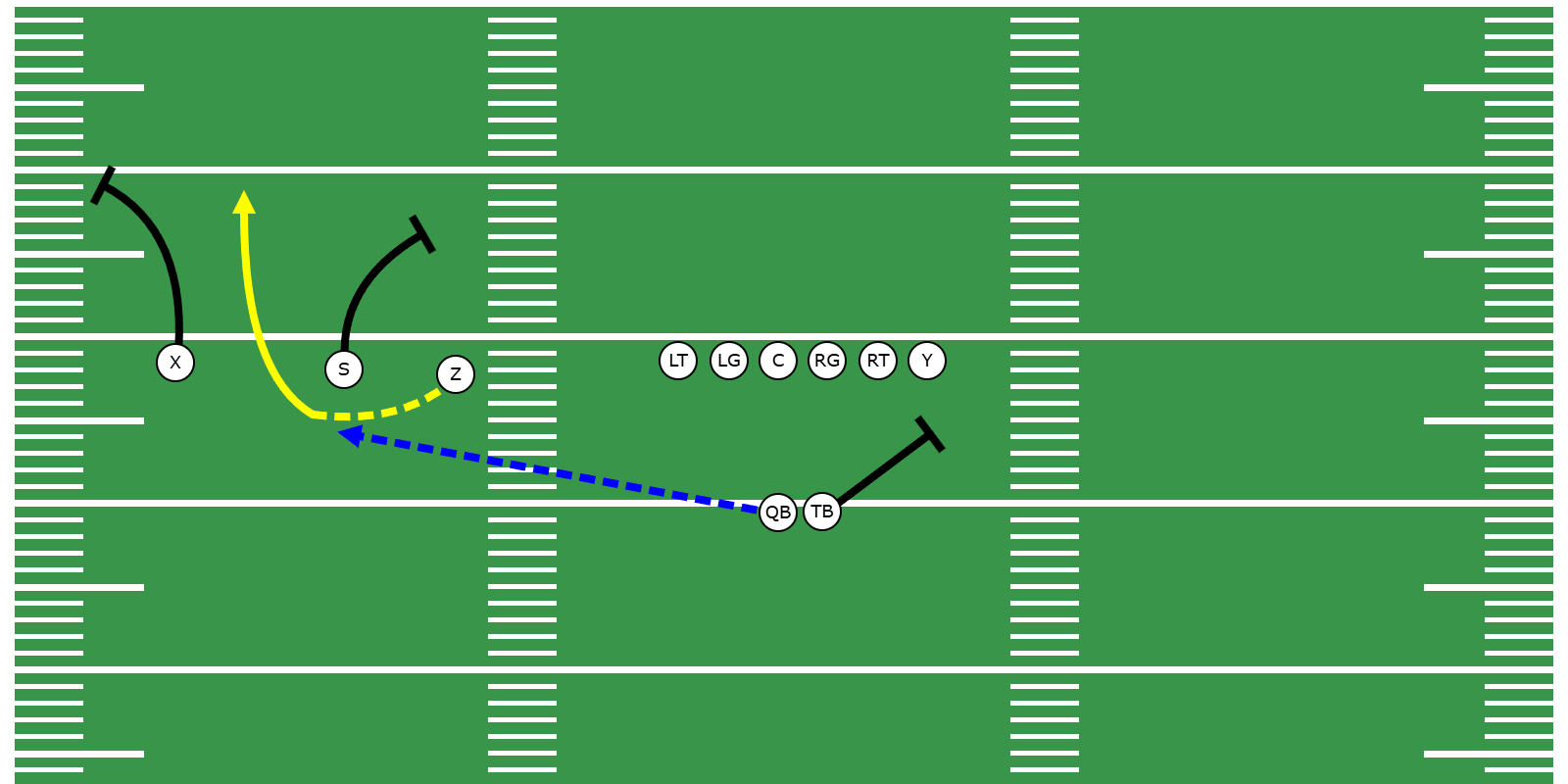
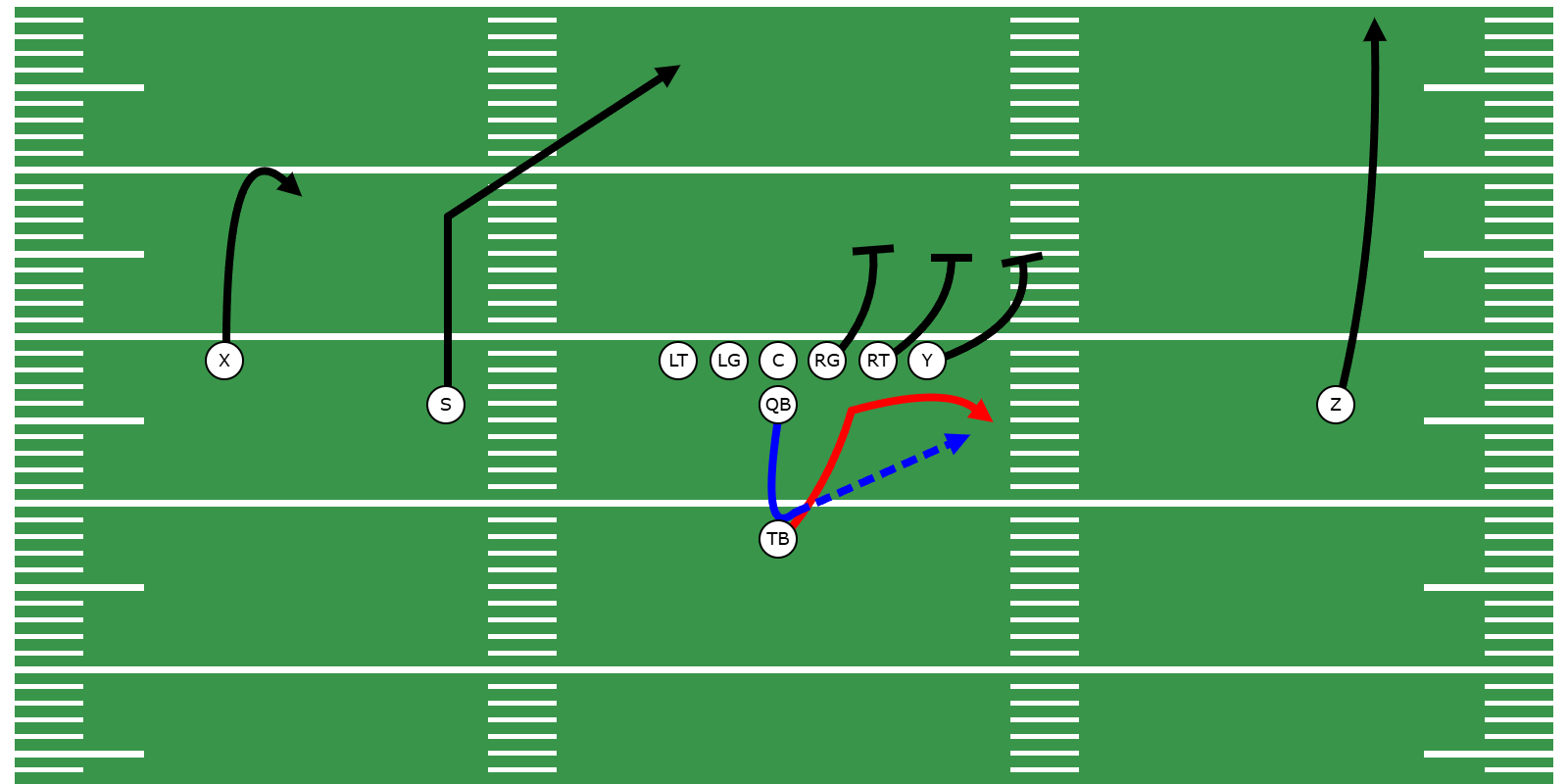
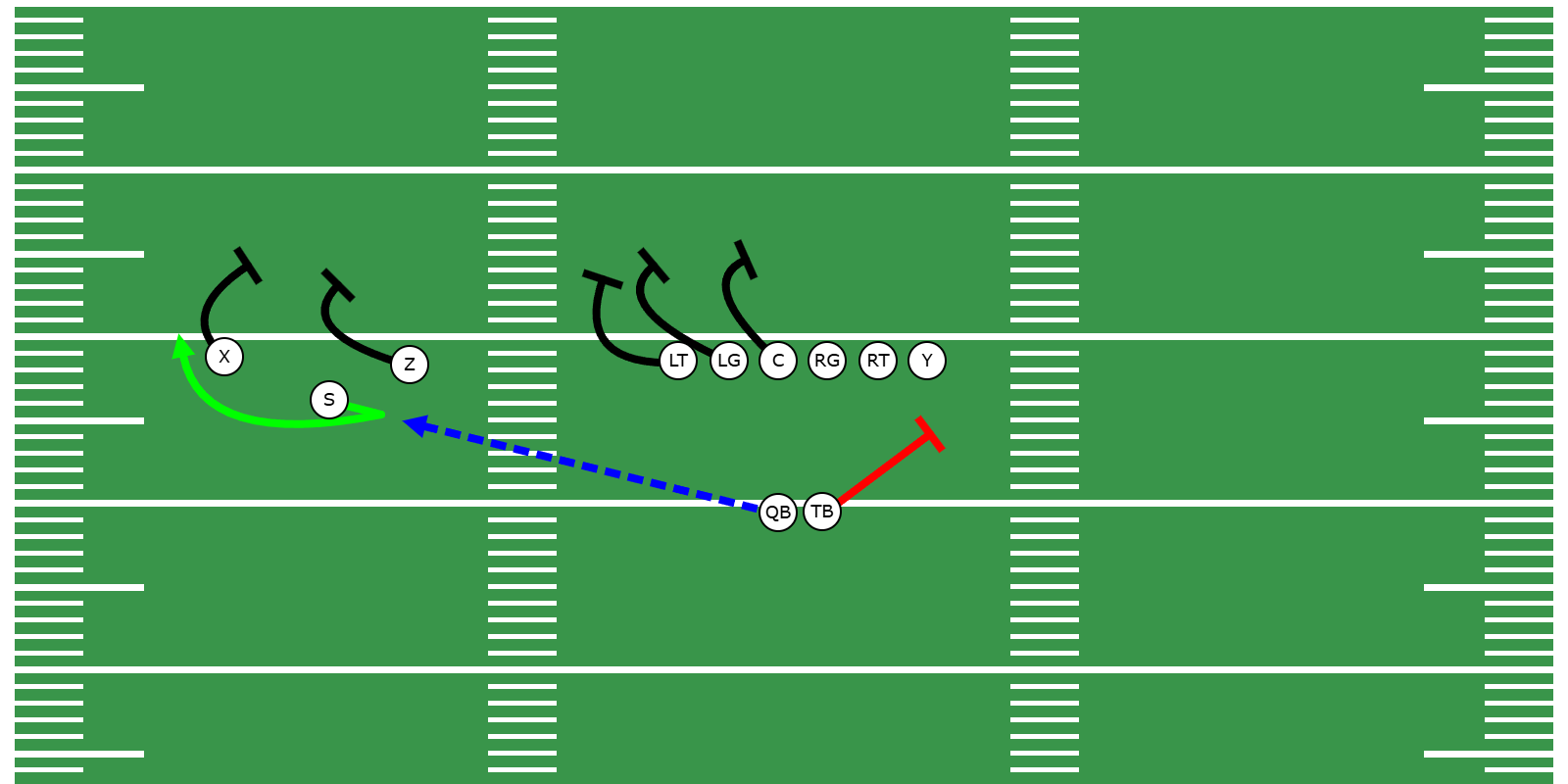
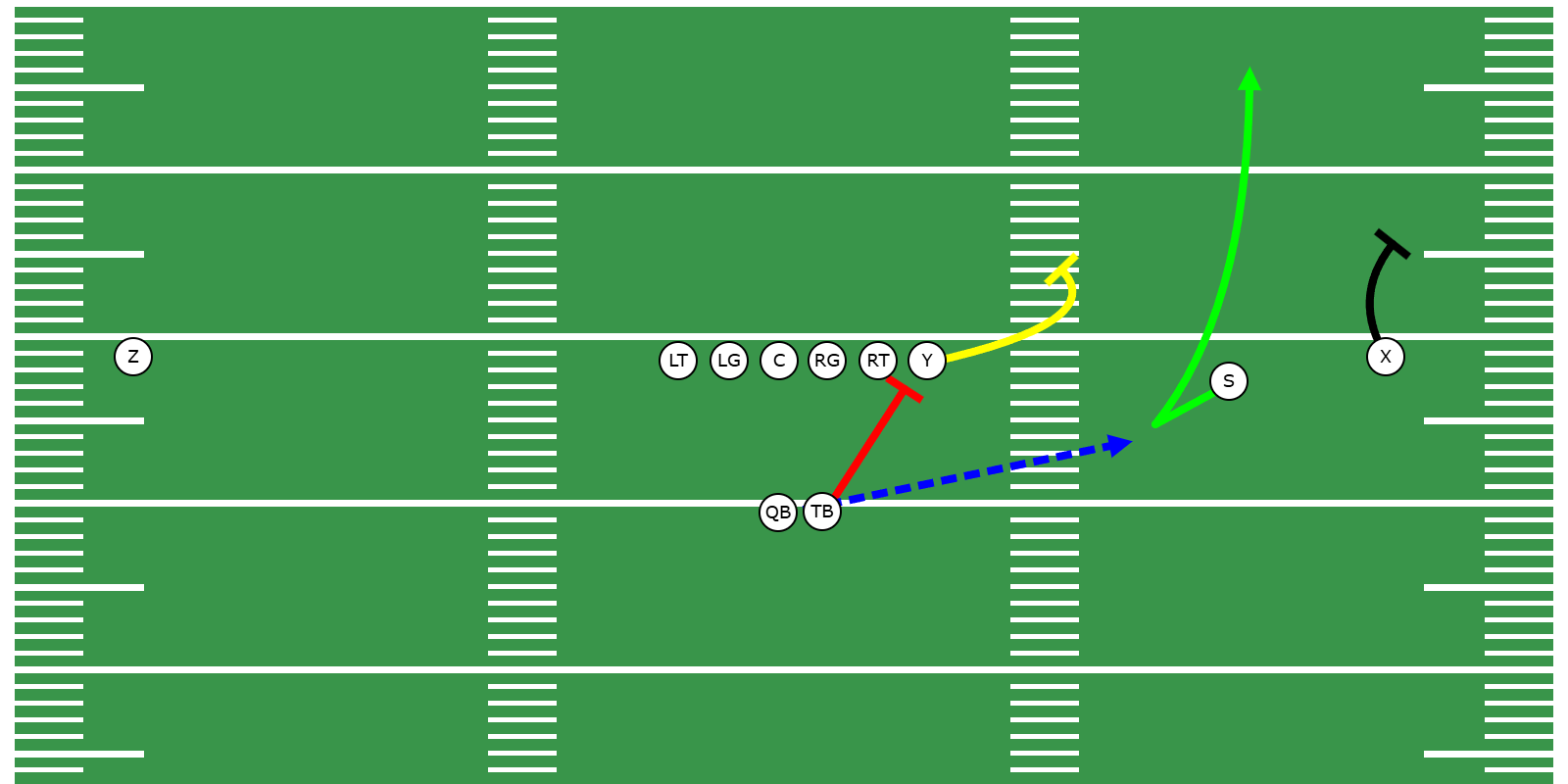
Tunnel Screen is a quick perimeter passing concept that invites the receiver to step vertically before retracing back underneath the blocking wall. Unlike the Bubble Screen, which attacks immediately toward the sideline, the Tunnel Screen develops back inside behind offensive linemen or perimeter blockers, allowing the receiver to attack through a lane that forms between pursuing defenders.
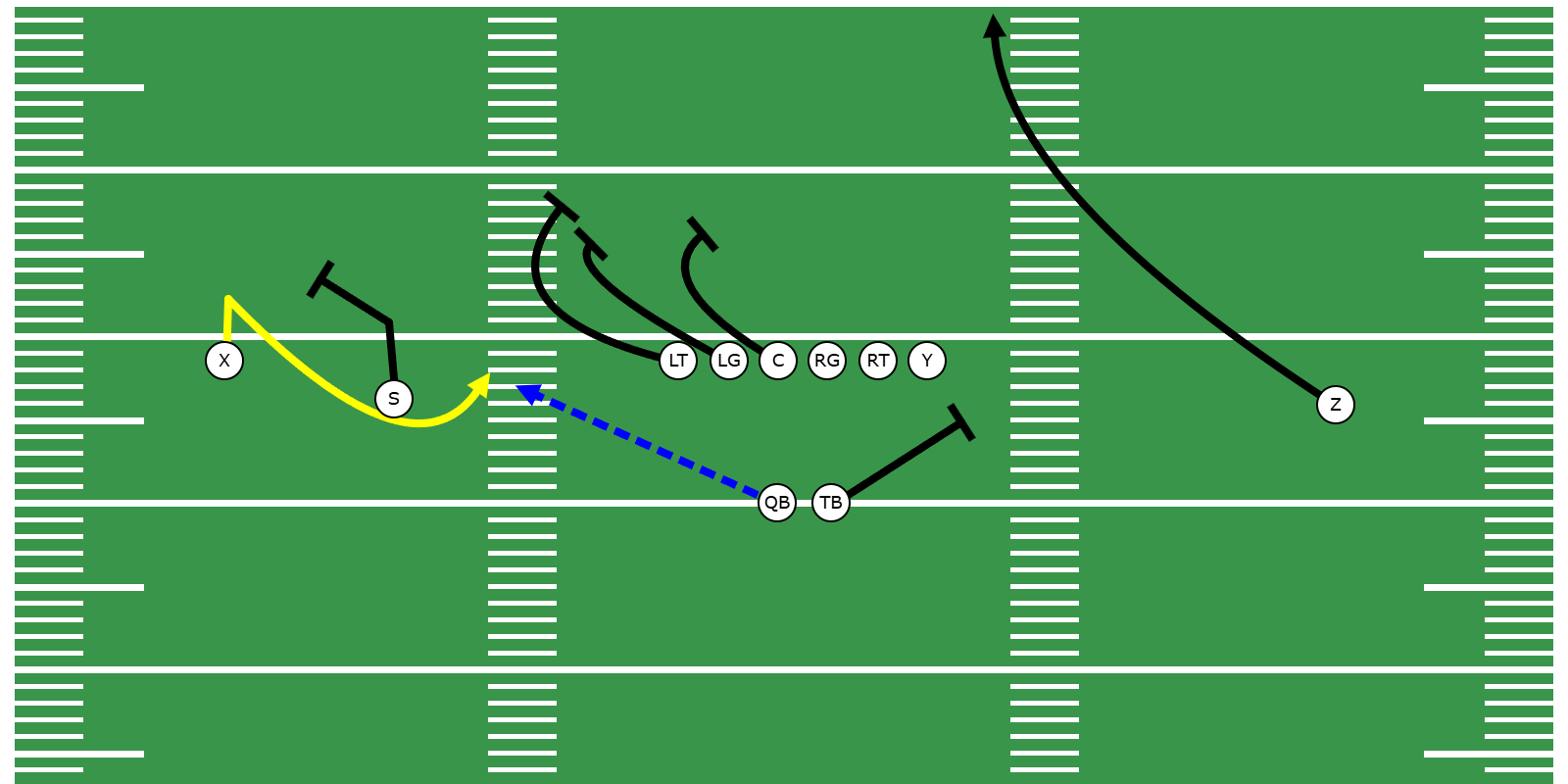
Why Tunnel Screen Works
Defensive backs are conditioned to attack upfield when they recognize a quick throw. The receiver initially sells a vertical route before working back underneath, causing defenders to overrun the play. Meanwhile, blockers establish a tunnel through the pursuit, giving the receiver space to accelerate after the catch.
Best Formations
Trips Formation is the preferred alignment because multiple receivers naturally create blocking angles while maintaining spacing. The concept also adapts well to Spread formations with stacked receivers.
Personnel
10 and 11 Personnel both execute Tunnel Screen effectively. Quick receivers with good vision excel because they must read blocks immediately after securing the football.
Try The Interactive Playbook Tool: Tunnel Screen
Draw your own Tunnel Screen concept based play diagram right here using our embedded interactive play designer demo:
GET STARTED: To get started simply click on any of the player icons in the diagram.
Start drawing your own plays like this and build your playbook with CoachYouths Playbook Designer.
Responsibilities
- Quarterback: Catch, set, and throw quickly with accurate ball placement.
- Screen receiver: Sell vertical for several steps, retrace underneath, secure the catch, then follow the tunnel.
- Lead blockers: Release under control and block the most dangerous defenders inside-out.
- Backside receivers: Carry routes vertically to occupy coverage.
- Running back: Sell pass protection or execute the assigned fake.
Quarterback Progression
- Confirm perimeter leverage before the snap.
- Sell a normal quick pass.
- Deliver the football on time.
- Allow the receiver to catch in stride.
- Protect the football if the screen is covered.
Coverage Adjustments
Press Coverage
Expect more difficult timing and ensure the receiver clears the defender before retracing.
Off Coverage
Attack immediately and trust the blockers.
Blitz Pressure
Tunnel Screen is an excellent answer against aggressive pass rushes because the ball leaves the quarterback’s hand quickly.
Coaching Points
- The receiver must convincingly sell the vertical route.
- Blockers release with control instead of racing downfield.
- Throw to the receiver’s upfield shoulder.
- Follow the inside blocking wall.
Common Youth Mistakes
- Retracing too early.
- Offensive linemen releasing before selling pass protection.
- Looking upfield before securing the catch.
- Blockers chasing defenders instead of maintaining leverage.
Installation Progression
Teach the receiver path first, then blocker releases, followed by quarterback timing. Progress from routes on air to half-speed perimeter drills before adding live defenders.
Practice Drill
Create a tunnel using bags or shields. Have the receiver retrace underneath while blockers establish leverage and the quarterback practices rhythm throws.
Youth Coaching Tips
Stress patience. Young receivers often rush back toward the quarterback, collapsing the spacing. A convincing vertical stem makes the concept much more effective.
Why Tunnel Screen Succeeds
Tunnel Screen succeeds because it uses defensive momentum against itself while giving the offense a controlled way to create yards after the catch.
Related Articles
Published by CoachYouths Staff on 07/21/2026
You are NOT currently logged in, you may login or signup for FREE at any time: