Onside Kick Strategy
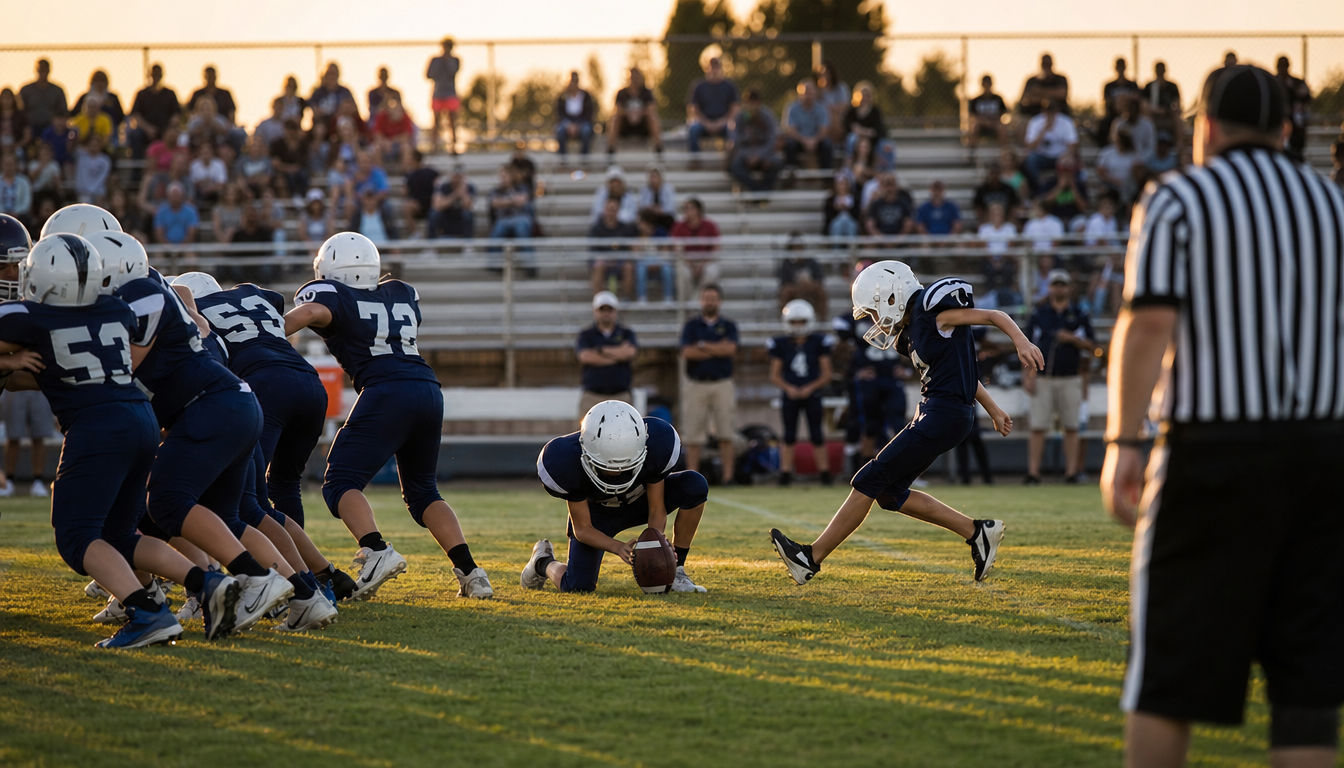
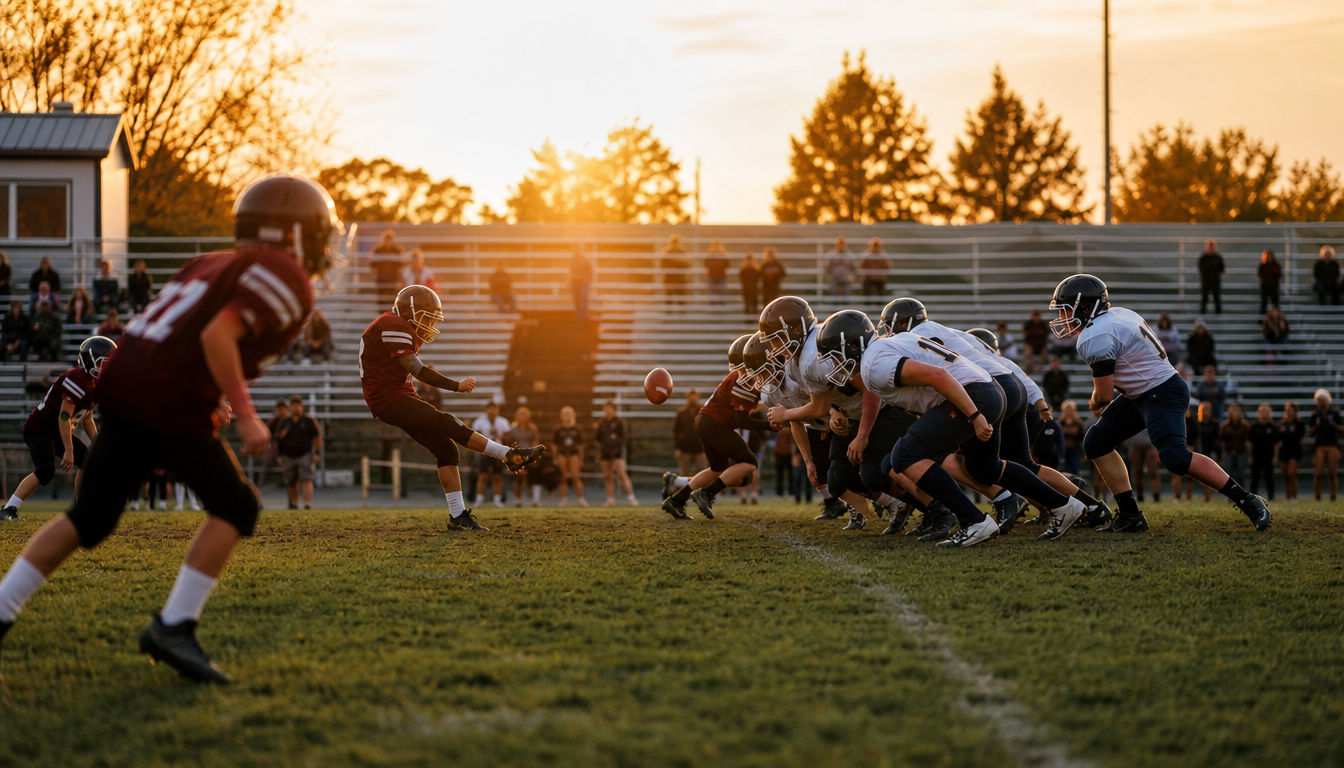
An onside kick is one of the highest-risk, highest-reward plays in football. When successful, it gives your team an immediate extra possession. When unsuccessful, it often gives your opponent excellent field position. Because of that, onside kicks should be part of a thoughtful game plan rather than an emotional decision.
The best onside kick strategy begins long before game day.
Know Your League Rules
Youth football rules vary significantly.
Before installing an onside kick, understand:
- Whether onside kicks are permitted.
- Any minimum travel distance.
- Recovery restrictions.
- Dead-ball or live-ball rules.
- Special league modifications.
Always coach within your league’s rulebook.
Understand the Risk
Before calling an onside kick, consider:
- Time remaining.
- Score differential.
- Field position.
- Momentum.
- Your defense’s confidence.
Sometimes trusting your defense is the better decision.
Practice the Technique
If your league allows onside kicks, rehearse:
- Ball placement.
- Kicking technique.
- Player spacing.
- Recovery assignments.
- Communication.
Every player should understand exactly where to go after the kick.
Assign Clear Responsibilities
Each member of the unit should know:
- Their alignment.
- Their recovery zone.
- When to attack the football.
- How to secure possession.
Confusion usually favors the receiving team.
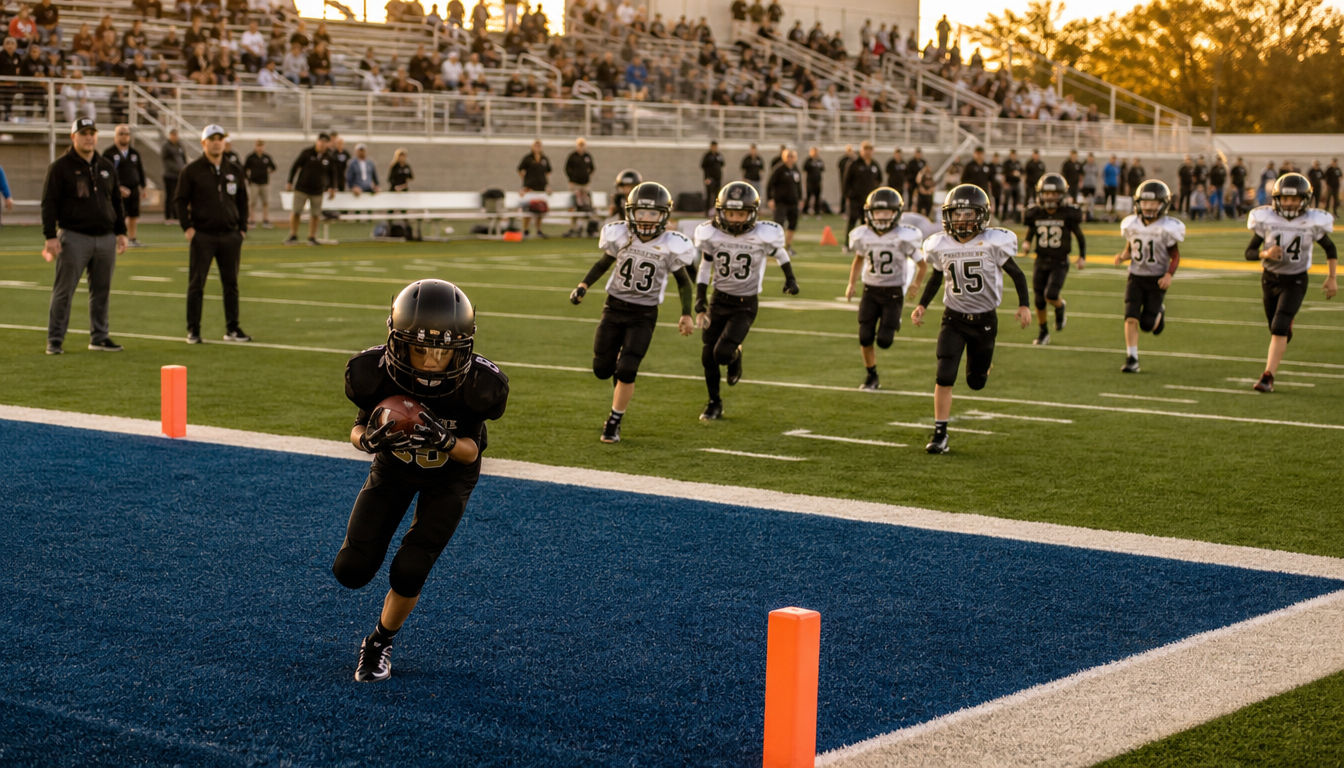
Recover the Ball Safely
When the football becomes available:
- Secure possession first.
- Protect the ball immediately.
- Avoid unnecessary attempts to advance.
- Let officials confirm the recovery.
Winning possession is the objective.
Review Every Attempt
After games, ask:
- Was the situation appropriate?
- Was the kick executed well?
- Did players follow their assignments?
- What can we improve next time?
Use each attempt as a learning opportunity.
Common Mistakes
Avoid:
- Calling an onside kick out of frustration.
- Ignoring league-specific rules.
- Failing to practice recoveries.
- Chasing the ball without assignments.
- Forgetting field-position consequences.
Frequently Asked Questions
Should every team have an onside kick?
Only if it is legal in your league and your team has practiced it consistently.
When is the best time to use one?
Usually when your team needs another possession late in the game, though each situation is unique.
Is recovery more important than the kick?
Yes. A perfect kick has little value if your team cannot secure possession.
Key Takeaways
- Learn your league’s onside kick rules.
- Balance risk versus reward.
- Practice the complete operation.
- Give every player a clear assignment.
- Recover possession before thinking about anything else.
Related Articles
Published by CoachYouths Staff on 07/15/2026
You are NOT currently logged in, you may login or signup for FREE at any time: