Offseason Development for Players and Coaches
The offseason is one of the most valuable opportunities for long-term improvement. While there may not be games on the schedule, players and coaches can continue developing skills, knowledge, and confidence. Small improvements made during the offseason often lead to significant progress when the next season begins.
Championship seasons are often built long before opening day.
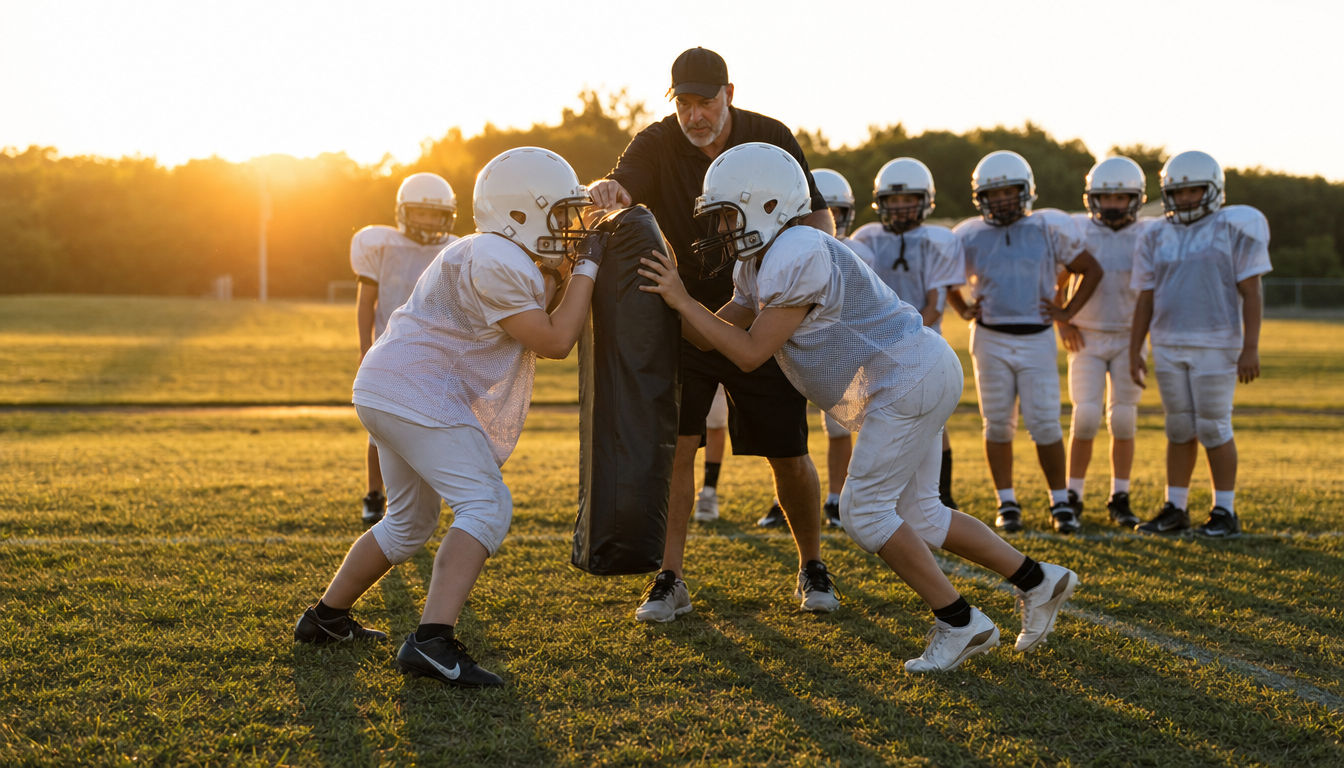
Encourage Year-Round Growth
Players can continue improving by:
- Staying physically active.
- Practicing football fundamentals.
- Participating in other sports.
- Developing coordination and balance.
- Maintaining a positive attitude toward learning.
A well-rounded athlete is often a better football player.
Promote Rest and Recovery
The offseason is also a time to recover.
Encourage players to:
- Rest after the season.
- Heal from minor injuries.
- Enjoy family activities.
- Avoid burnout.
Balanced athletes stay motivated longer.
Continue Learning as a Coach
Use the offseason to:
- Review the previous season.
- Study football concepts.
- Attend coaching clinics.
- Learn from other coaches.
- Improve practice organization.
Great coaches remain lifelong learners.
Strengthen Your Program
Evaluate opportunities to improve:
- Practice plans.
- Communication.
- Team culture.
- Parent involvement.
- Player development systems.
Strong programs improve a little every year.
Stay Connected
Maintain positive relationships by:
- Encouraging players.
- Thanking families.
- Sharing offseason opportunities.
- Communicating future plans.
Small connections help build long-term commitment.
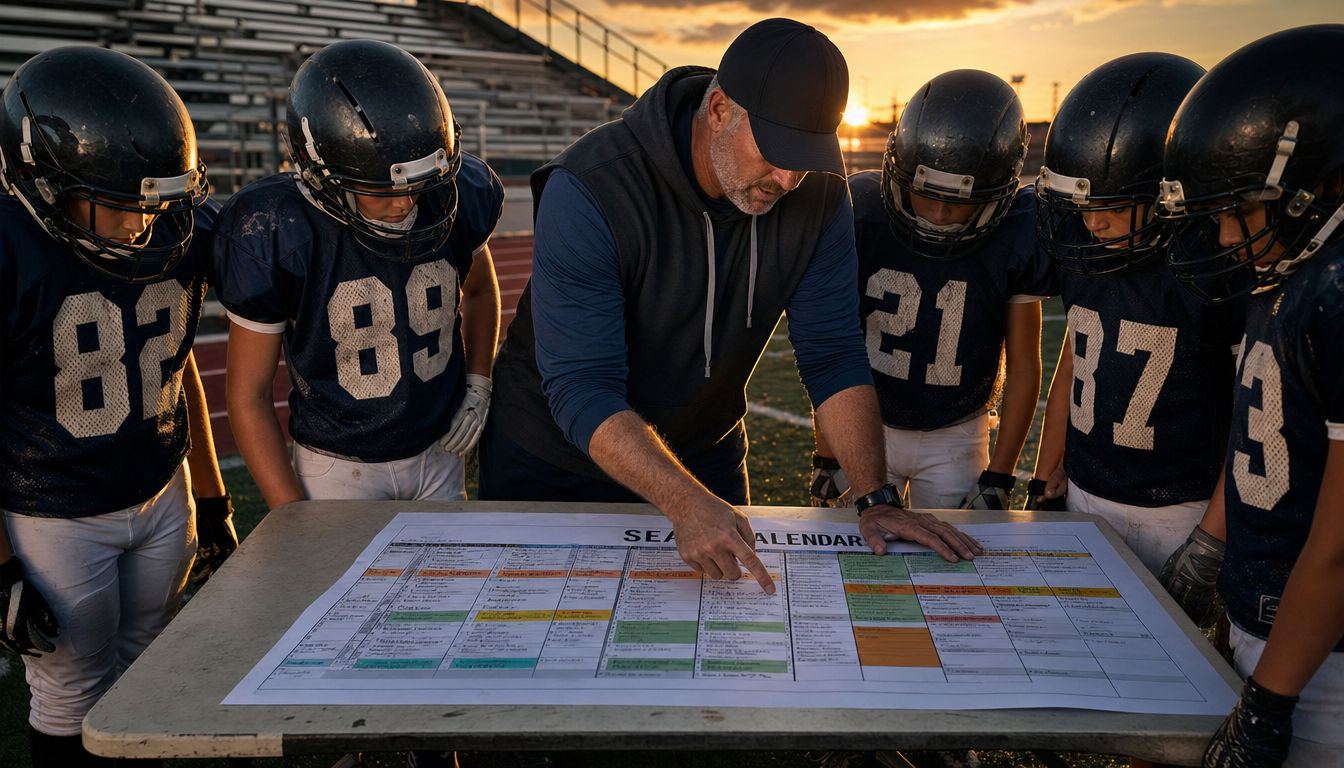
Prepare for Next Season
Begin planning:
- Team goals.
- Practice schedules.
- Coaching assignments.
- Equipment needs.
- Player development priorities.
Preparation reduces stress later.
Common Mistakes
Avoid:
- Ignoring the offseason completely.
- Expecting year-round football participation.
- Forgetting player recovery.
- Stopping your own development as a coach.
- Waiting until the last minute to prepare.
Frequently Asked Questions
Should players play other sports?
Yes. Many young athletes benefit from participating in multiple sports and developing a broad range of athletic skills.
What should coaches focus on during the offseason?
Learning, planning, evaluating, and improving their coaching systems.
Is rest important?
Absolutely. Recovery is an important part of long-term development.
Key Takeaways
- Use the offseason to improve steadily.
- Encourage balanced athletic development.
- Continue learning as a coach.
- Strengthen your program each year.
- Prepare early for next season.
Related Articles
Published by CoachYouths Staff on 07/15/2026
You are NOT currently logged in, you may login or signup for FREE at any time: