Hitch
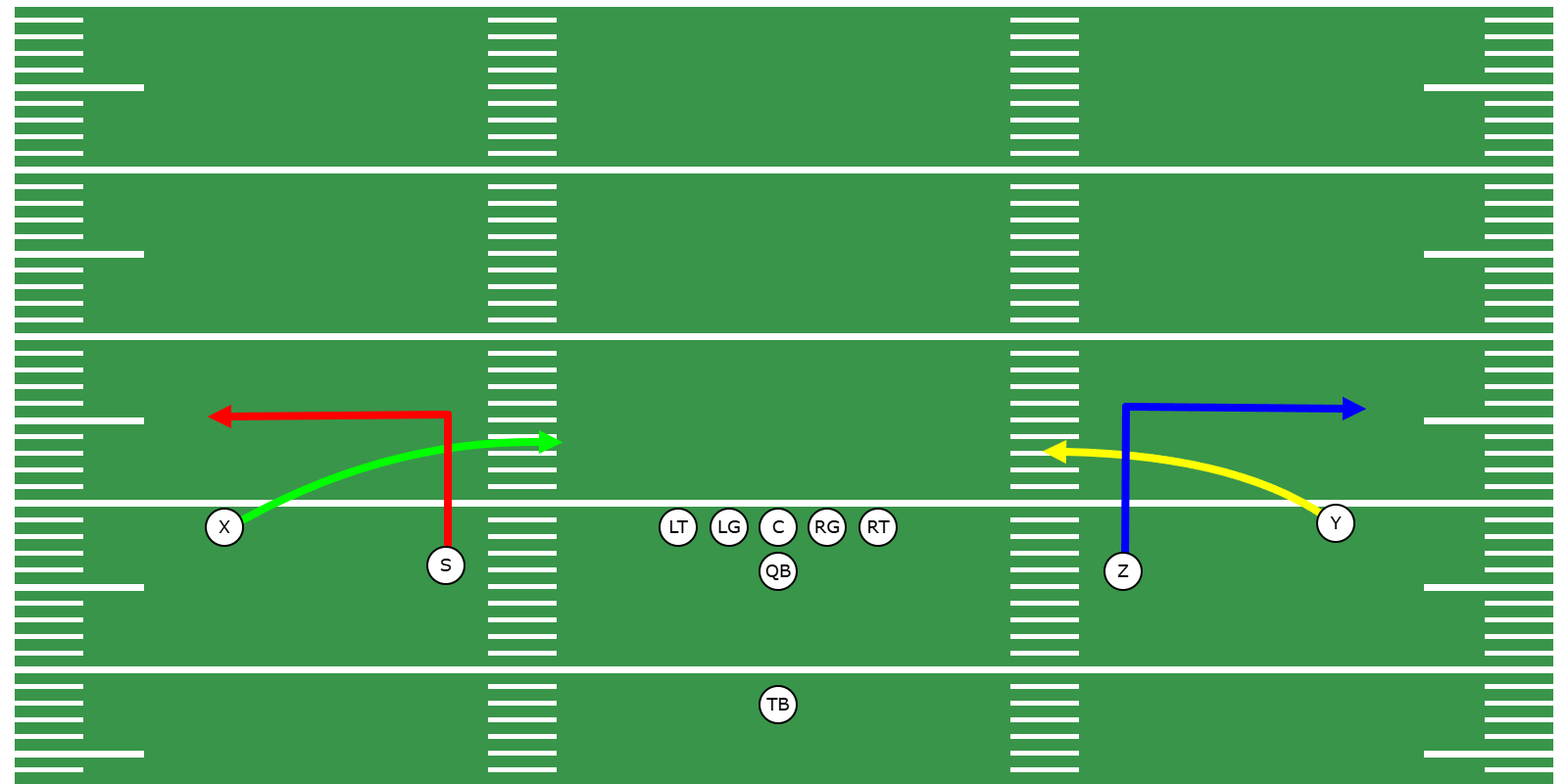
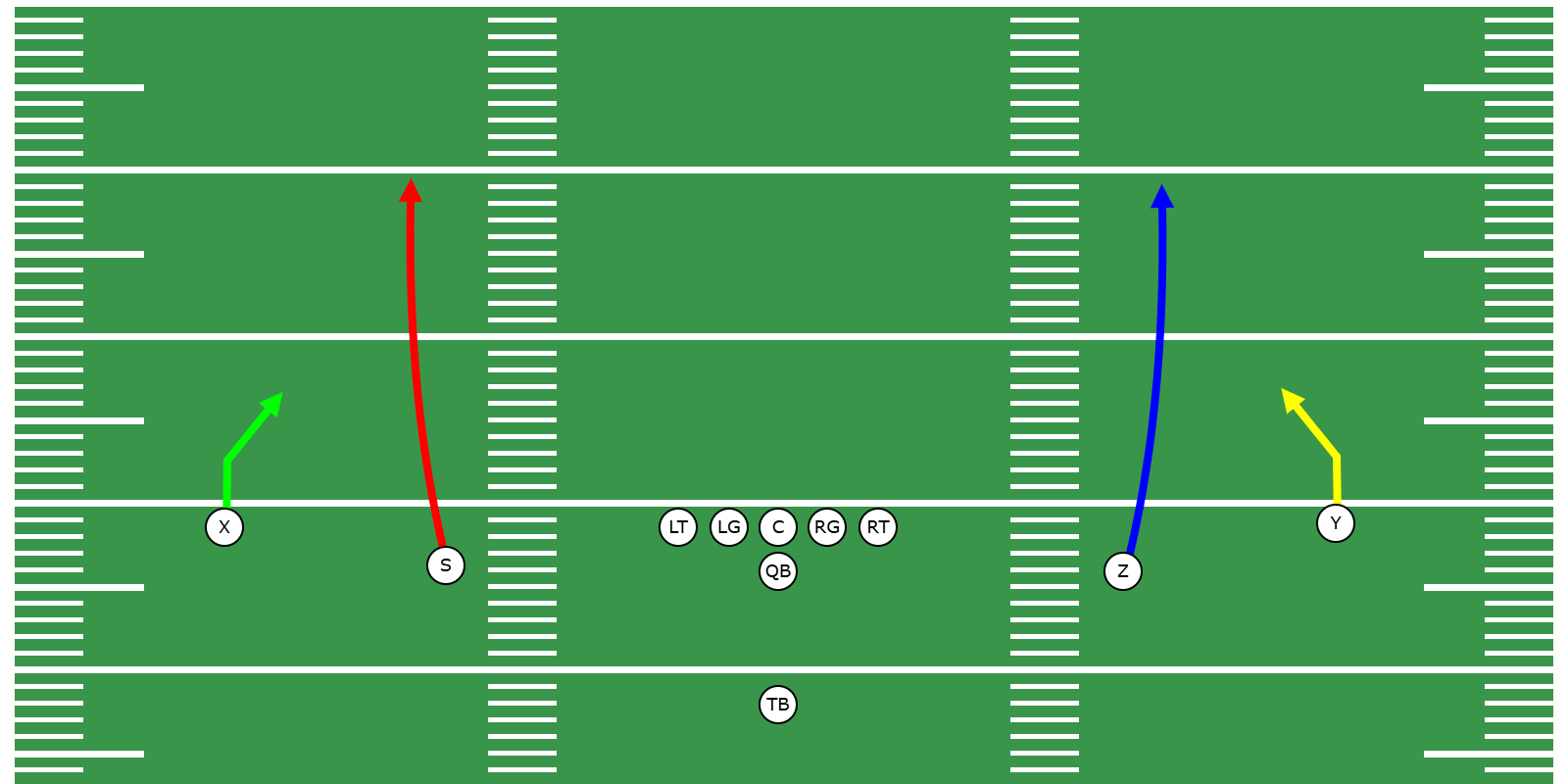
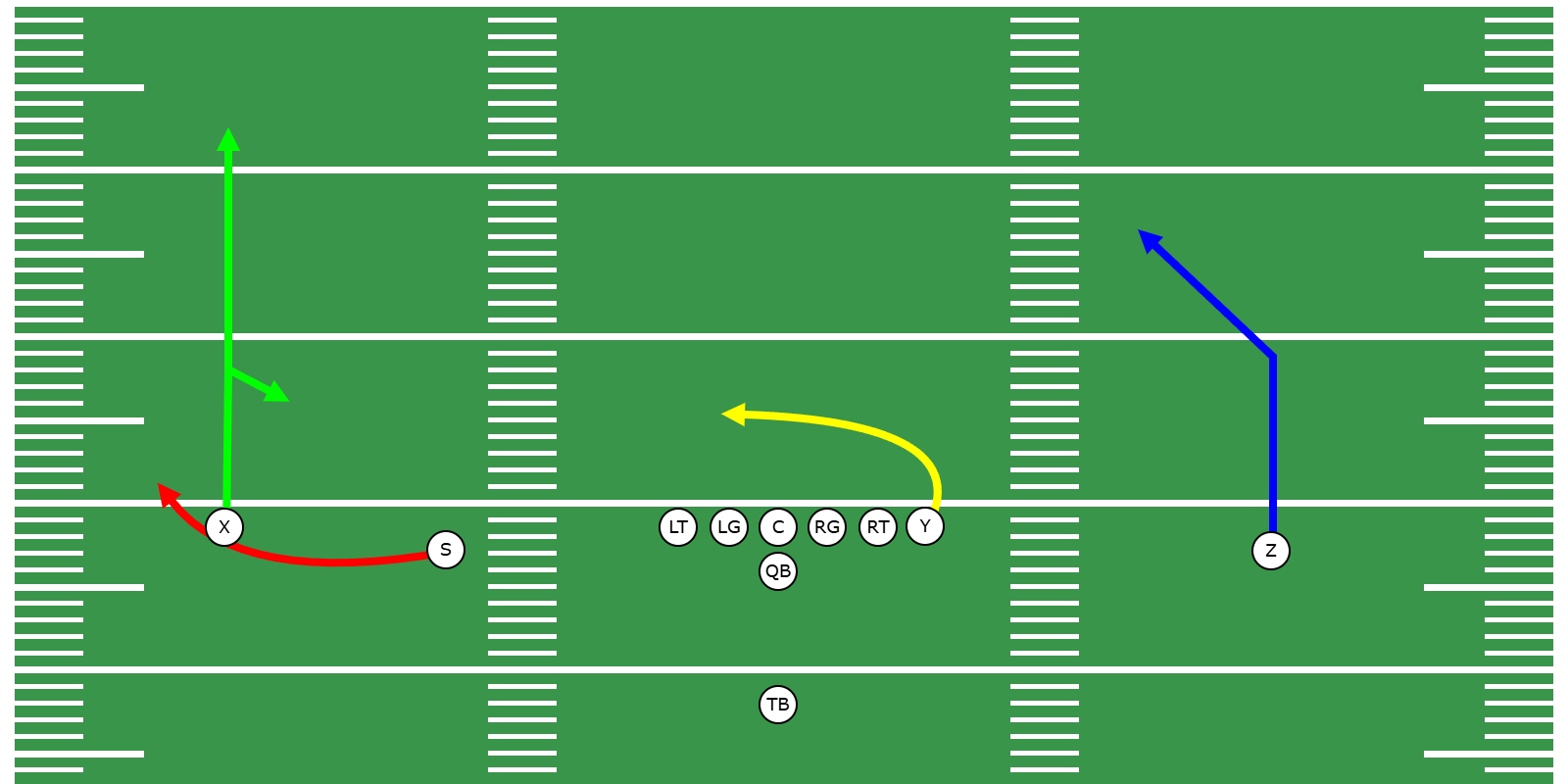
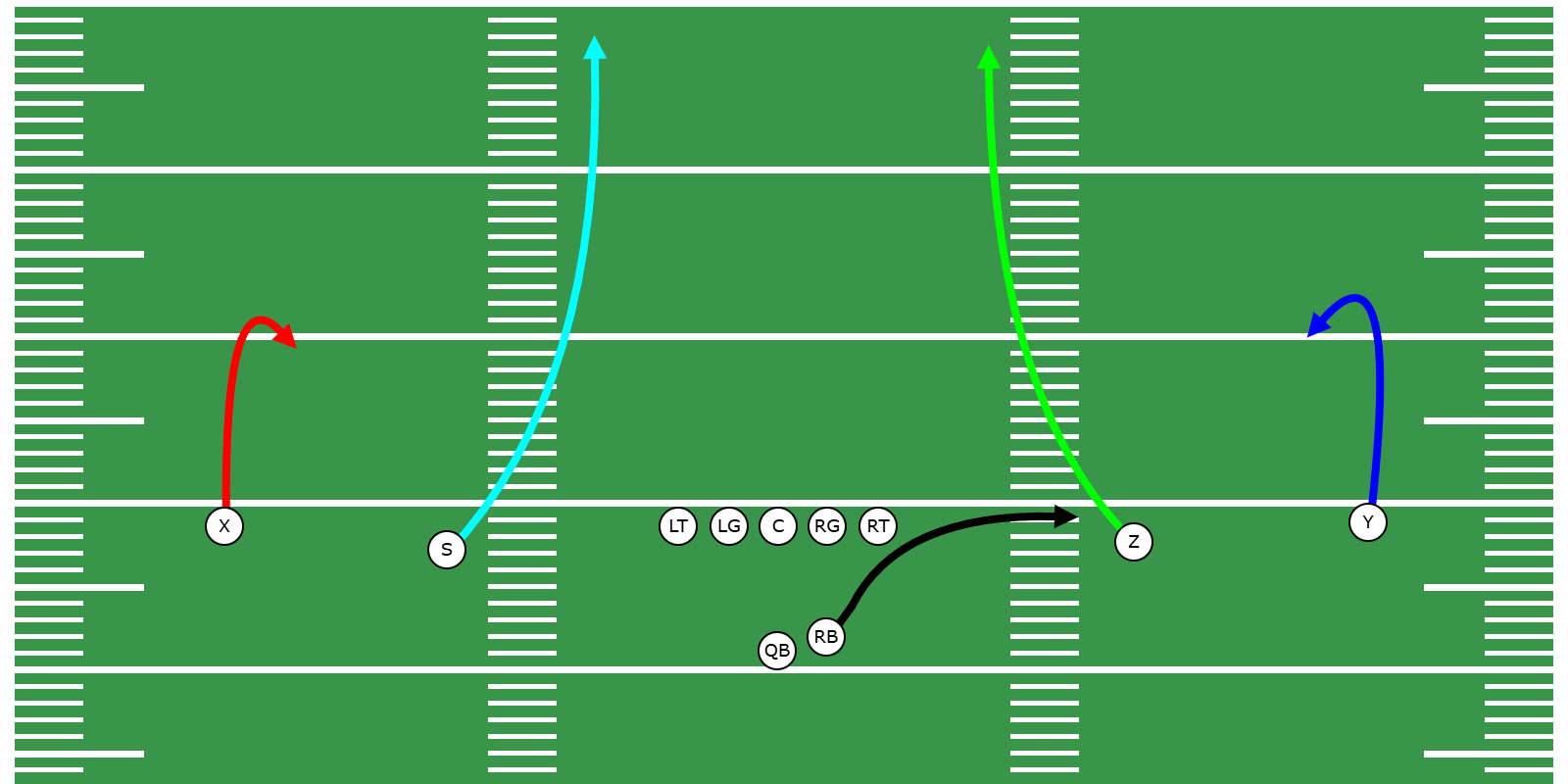
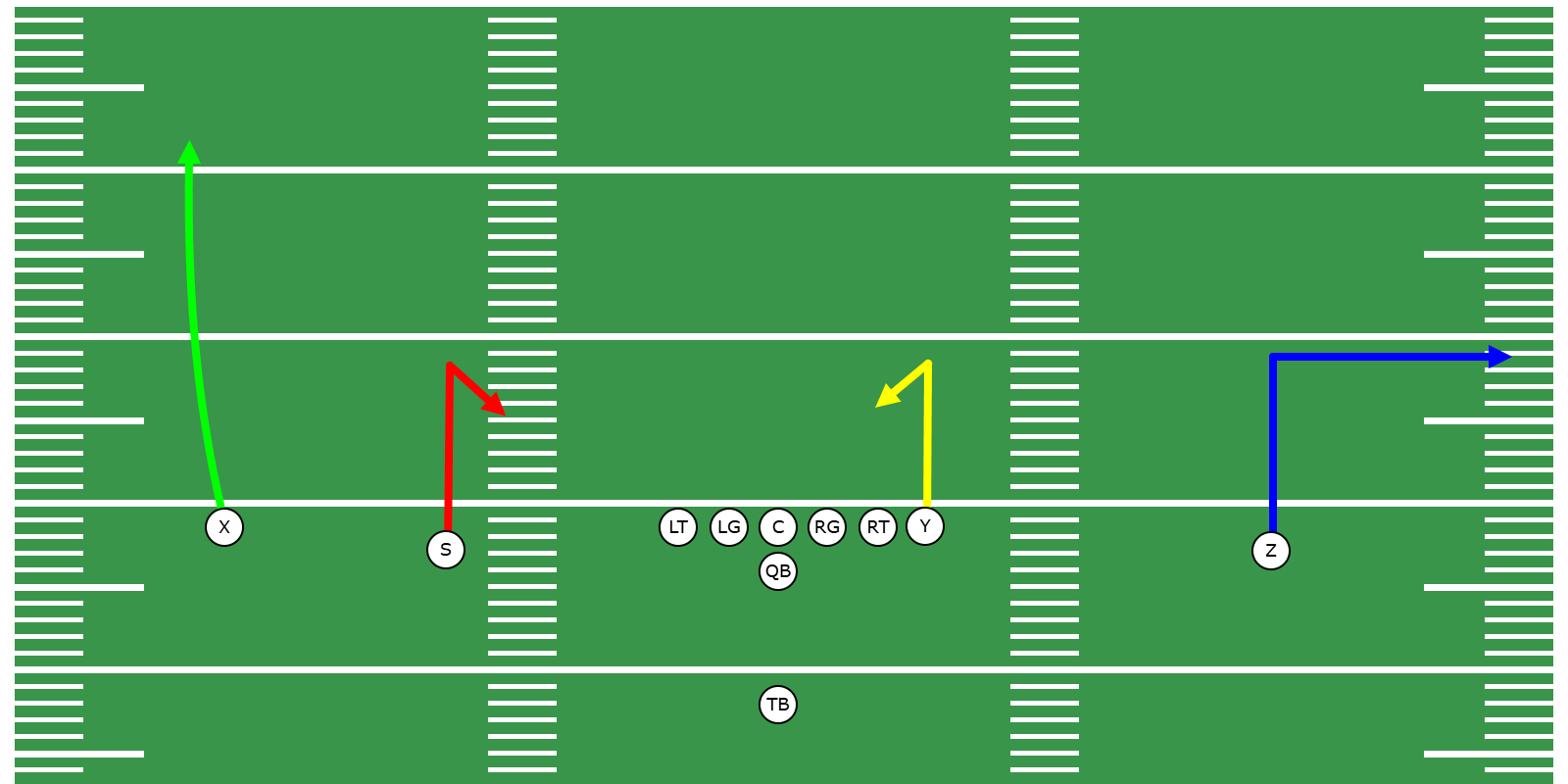
Hitch is one of the simplest and most dependable concepts in the quick passing game. The receiver drives vertically for several yards before stopping suddenly, turning back to the quarterback, and presenting a clear target. The concept is designed to take advantage of defensive cushion and produce consistent, high-percentage completions.
Why Hitch Works
When defenders align with significant depth, the receiver can stop underneath the coverage before the defensive back closes the throwing window. The quarterback throws on rhythm as the receiver turns, keeping the ball out of danger while moving the chains efficiently.
Best Formations
Spread Formation provides excellent spacing and isolates outside receivers, making defensive leverage easy to identify before the snap.
Personnel
10 and 11 Personnel are ideal because they maximize spacing while maintaining a balanced offensive attack.
Try The Interactive Playbook Tool: Hitch
Draw your own Hitch concept based play diagram right here using our embedded interactive play designer demo:
GET STARTED: To get started simply click on any of the player icons in the diagram.
Start drawing your own plays like this and build your playbook with CoachYouths Playbook Designer.
Responsibilities
- Quarterback: Catch, plant, and throw on rhythm.
- Receiver: Push vertically, sink the hips, stop quickly, and attack the football.
- Other receivers: Execute complementary routes that occupy underneath defenders.
- Offensive line: Provide disciplined quick-game protection.
- Running back: Protect or release according to the play design.
Quarterback Progression
- Confirm defensive cushion.
- Take a quick drop.
- Throw as the receiver begins to stop.
- Place the ball on the receiver’s numbers.
- Progress elsewhere if the corner drives downhill early.
Defensive Adjustments
Off Coverage
Take the easy completion.
Press Coverage
Convert to another concept if leverage is unfavorable.
Blitz
Deliver immediately before pressure arrives.
Coaching Points
- Throw on anticipation.
- Receiver attacks the football.
- Stop under control without drifting.
- Secure the catch before turning upfield.
Common Youth Mistakes
- Drifting after the stop.
- Throwing late.
- Looking upfield before securing the catch.
- Poor route depth.
Installation Progression
Teach route depth and stopping mechanics first, then quarterback timing before practicing against multiple coverages.
Practice Drill
Run repeated Hitch periods emphasizing precise depth, sudden stops, and accurate rhythm throws.
Youth Coaching Tips
Stress that stopping quickly is more important than running fast. A crisp stop creates separation.
Why Hitch Succeeds
Hitch succeeds because it consistently exploits defensive cushion with a simple, high-percentage throw delivered on time.
Related Articles
Published by CoachYouths Staff on 07/21/2026
You are NOT currently logged in, you may login or signup for FREE at any time: