Comeback Passing Concept
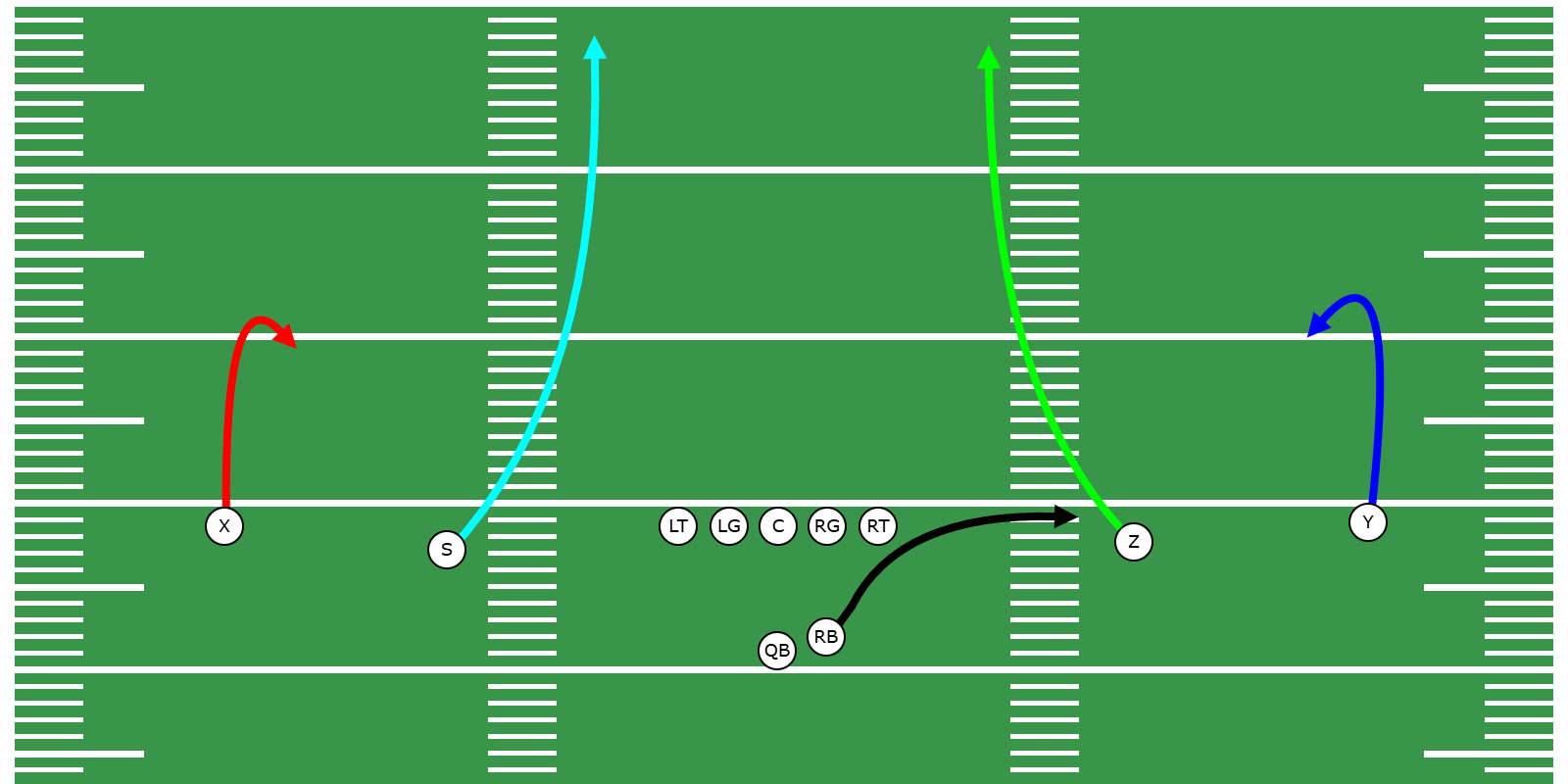
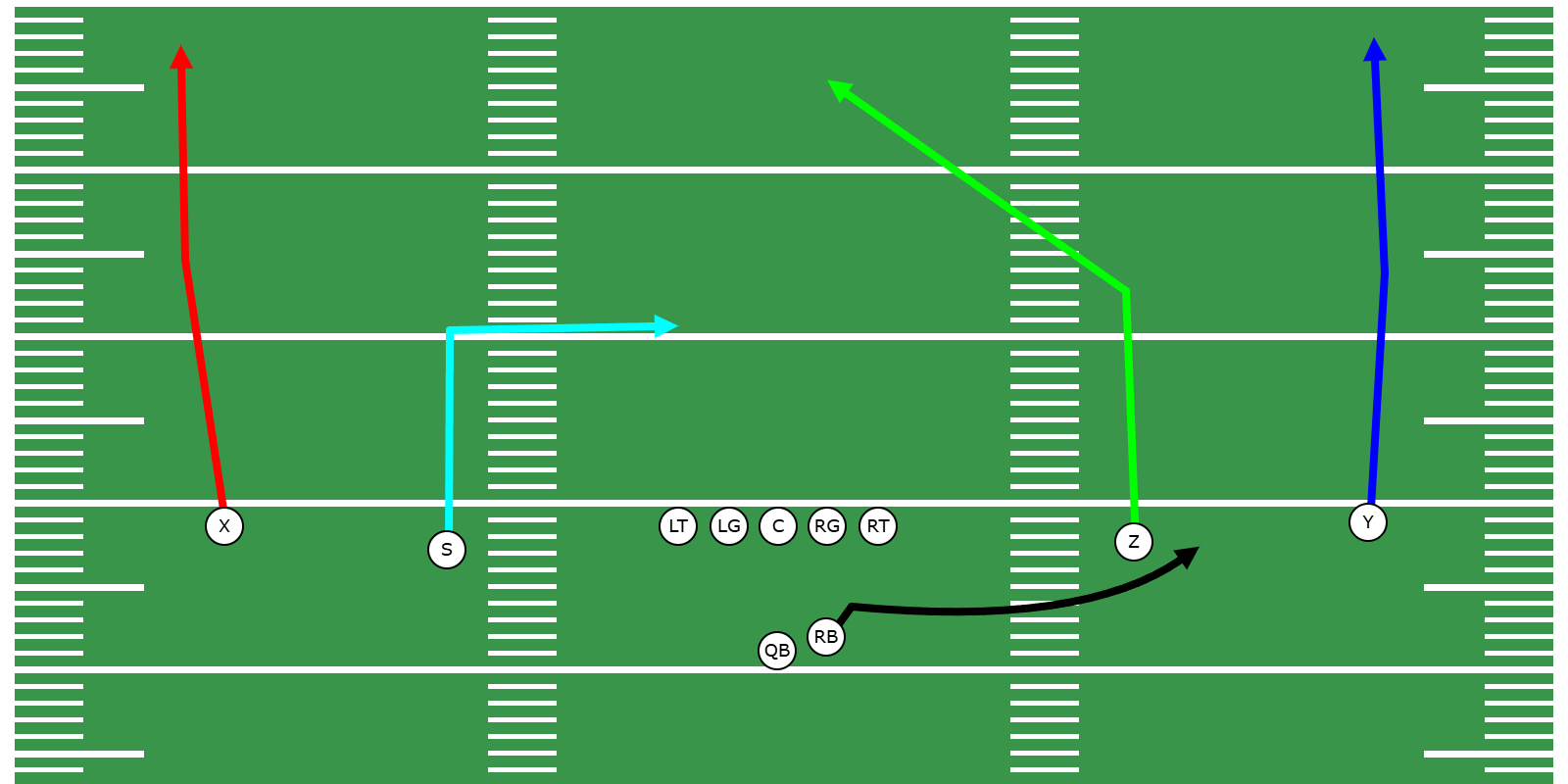
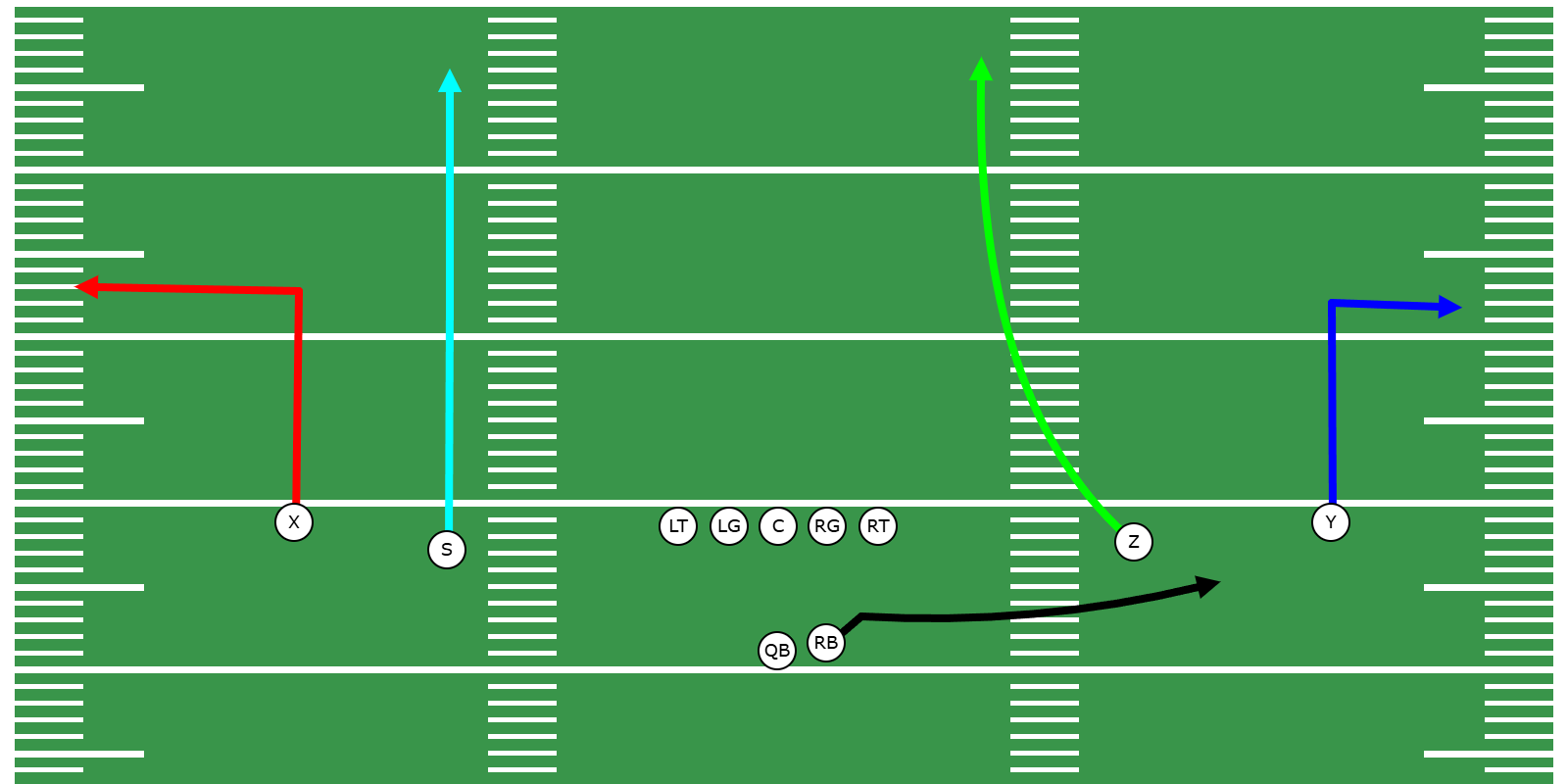
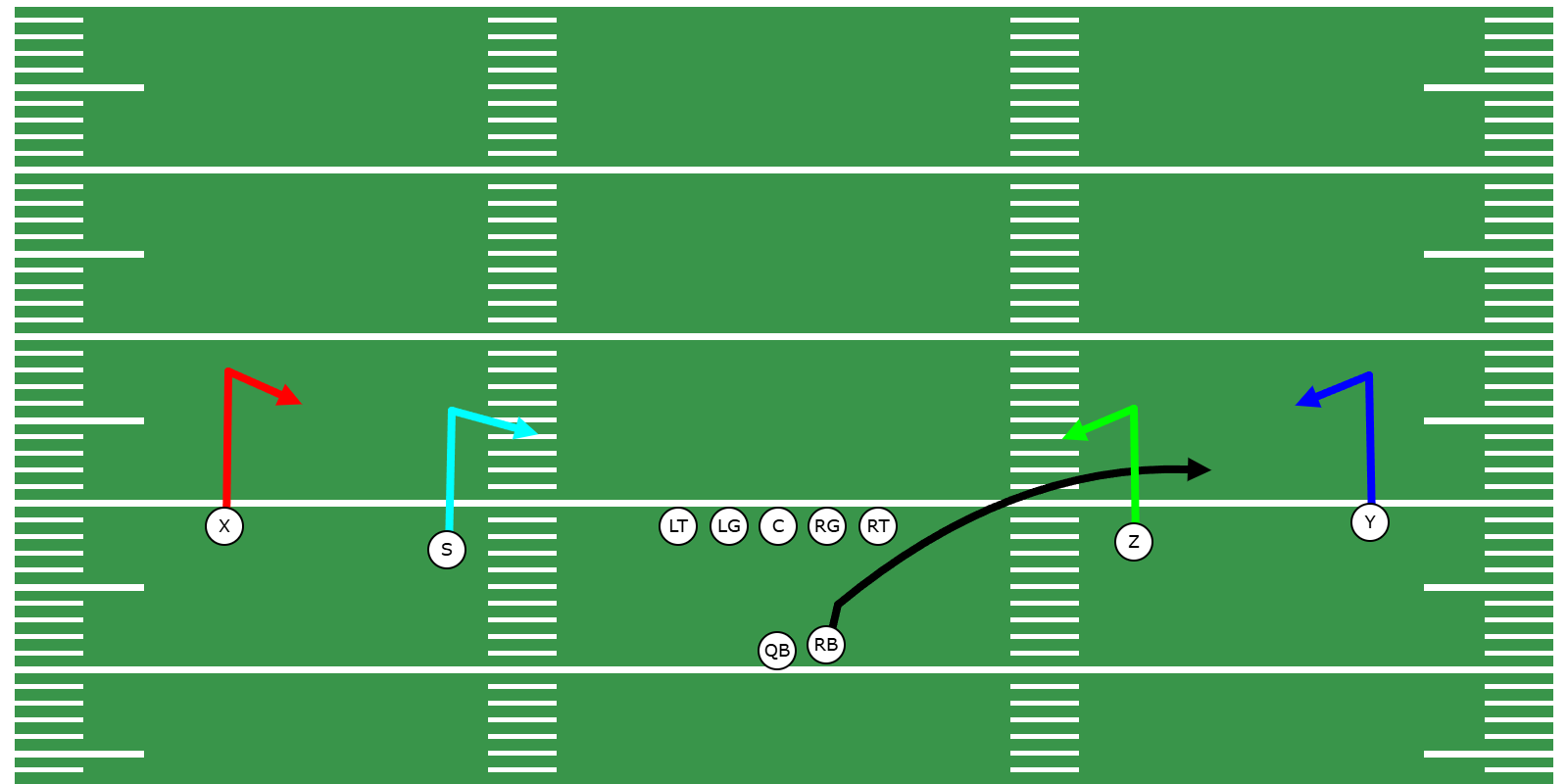
The Comeback concept attacks defensive backs who aggressively protect against the deep ball. By selling a vertical route before snapping back toward the sideline, receivers create separation while giving quarterbacks a dependable intermediate throw against off coverage.
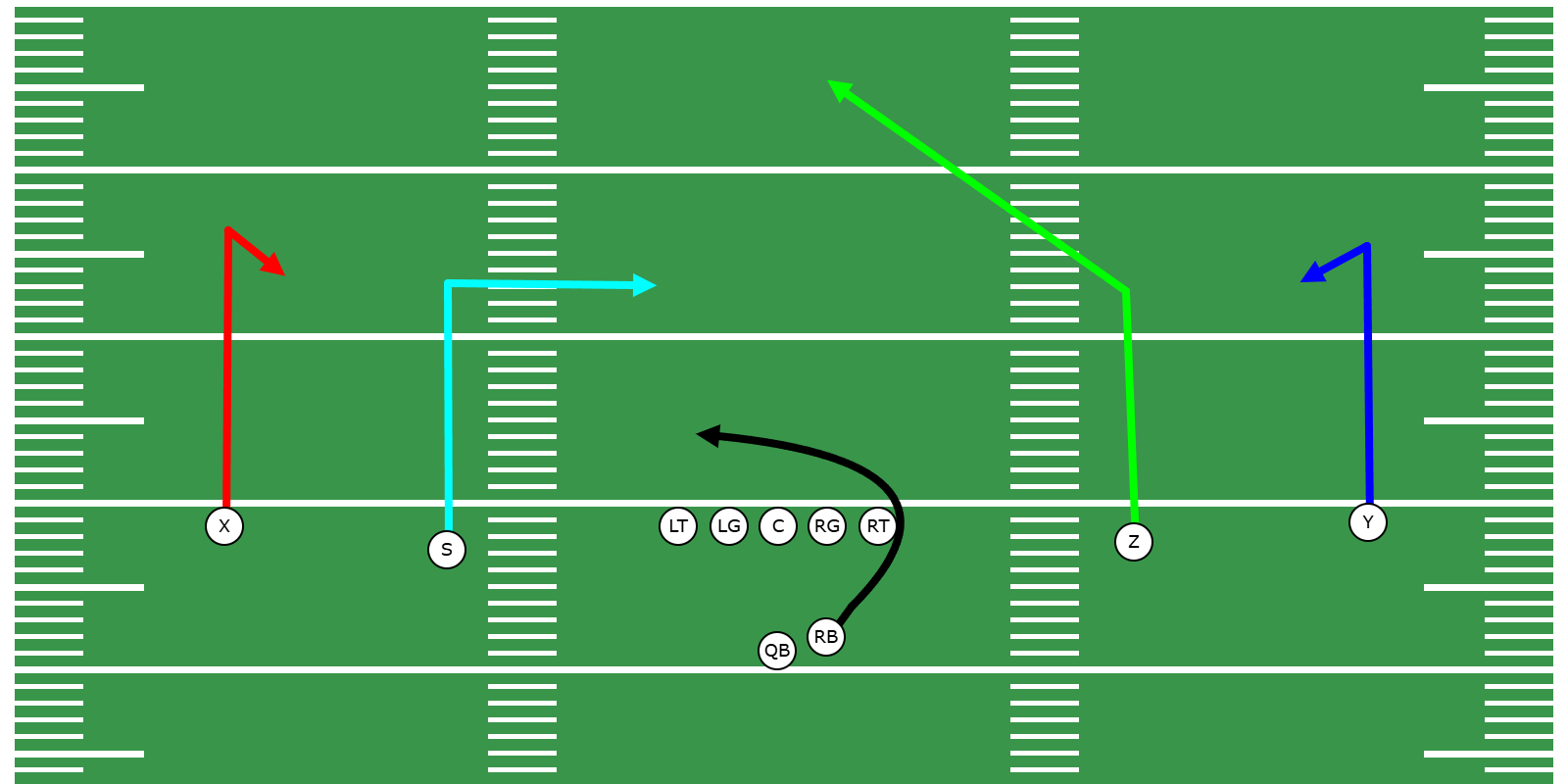
Why Comeback Works
Corners are taught that getting beaten deep is unacceptable. The Comeback concept exploits that mindset by convincing defenders to continue retreating before the receiver plants, drives back downhill, and works toward the football. When thrown on time, the defender has little chance to recover.
Best Formations
Doubles and Spread formations provide the spacing needed for outside receivers to work back to the sideline without traffic. Shotgun alignments also improve quarterback timing on intermediate throws.
Personnel
11 Personnel is a natural fit, but 10 Personnel provides additional spacing and often forces defenses into lighter coverage structures. Receivers with disciplined footwork are more valuable than pure speed.
Try The Interactive Playbook Tool: Comeback Passing Concept
Draw your own Comeback Passing Concept concept based play diagram right here using our embedded interactive play designer demo:
GET STARTED: To get started simply click on any of the player icons in the diagram.
Start drawing your own plays like this and build your playbook with CoachYouths Playbook Designer.
Route Responsibilities
- Outside receiver: Vertical stem to 14–16 yards before driving back at a 45-degree angle toward the sideline.
- Slot receiver: Inside route that occupies hook defenders.
- Backside receiver: Dig, curl, or hitch as the secondary progression.
- Running back: Protect first, then release underneath.
Quarterback Progression
- Confirm off coverage before the snap.
- Hold the defender with your eyes during the drop.
- Release the football before the receiver finishes the break.
- Progress inside if the corner squats on the route.
- Check the outlet if pressure arrives early.
Coverage Adjustments
Cover 2
Work the comeback underneath the corner when the safety stays deep.
Cover 3
Expect success against corners bailing into deep thirds.
Man Coverage
Throw early and toward the sideline where only the receiver can make the play.
Quarters
Take the comeback only if the corner respects the vertical stem.
Coaching Points
- Every vertical release must look like a go route.
- Plant violently and drive back to the football.
- Quarterbacks should throw with anticipation.
- Receivers must attack the football after breaking.
Common Youth Mistakes
- Breaking too early.
- Rounding the comeback instead of driving downhill.
- Quarterbacks waiting for the receiver to stop.
- Failing to sell the vertical release.
Installation Progression
Teach the stem and break separately, add quarterback timing, then progress through routes on air, 7-on-7, and full-speed team periods.
Practice Drill
Use defensive backs playing off coverage and require receivers to win with proper stem, footwork, and aggressive movement back to the football.
Youth Coaching Tips
Young receivers often struggle with the sharp break required by the comeback. Spend extra practice time teaching foot placement and body control before expecting game-speed execution.
Why Comeback Succeeds
The Comeback concept succeeds because it turns a defender’s desire to prevent the deep ball into an opportunity for an efficient intermediate completion.
Published by CoachYouths Staff on 07/21/2026
You are NOT currently logged in, you may login or signup for FREE at any time: