What Is the Wildcat Formation?
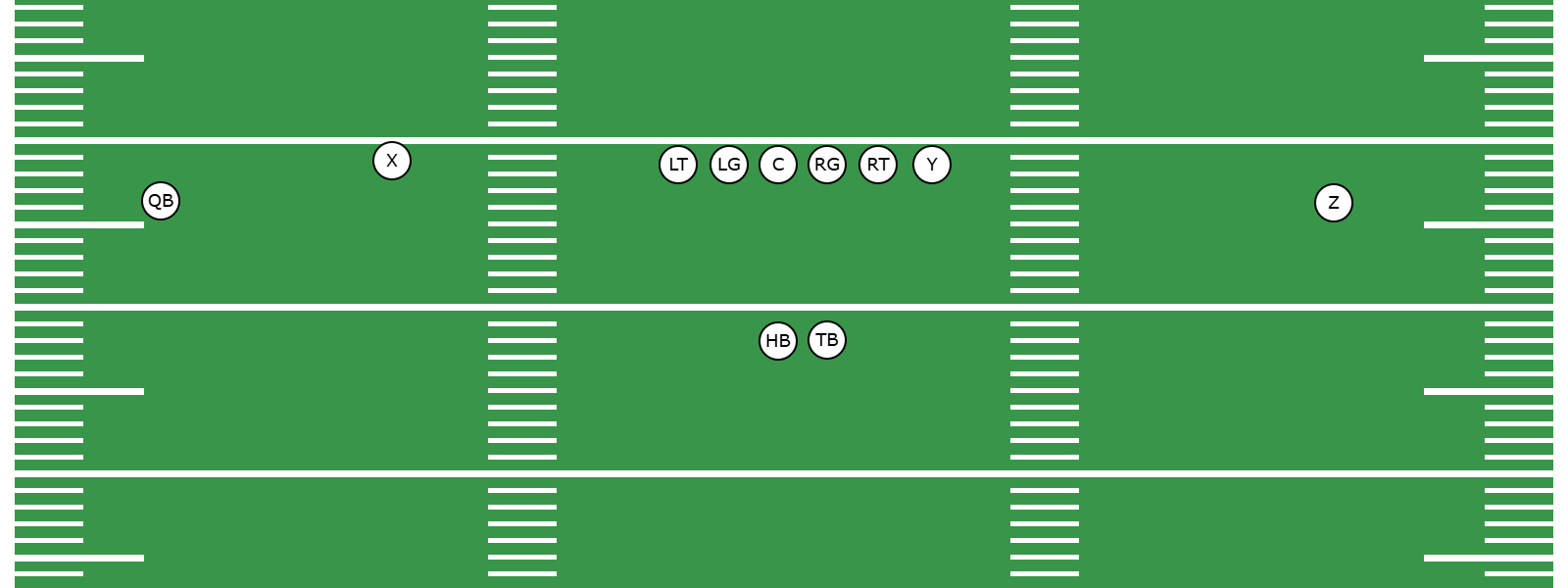
The Wildcat Formation is an offensive formation where a running back, receiver, or other athletic player takes the snap directly instead of a traditional quarterback. It is designed to create an immediate rushing threat while forcing the defense to account for a different ball handler.
The Wildcat is often used as a change-up package, giving offenses a way to create confusion, add a physical running element, and put the ball directly in the hands of one of their best athletes.
History
The Wildcat has roots in older direct-snap offenses such as the Single Wing. It became popular again in modern football when coaches began using it as a package to surprise defenses and create new rushing angles without changing the entire offensive system.
Alignment
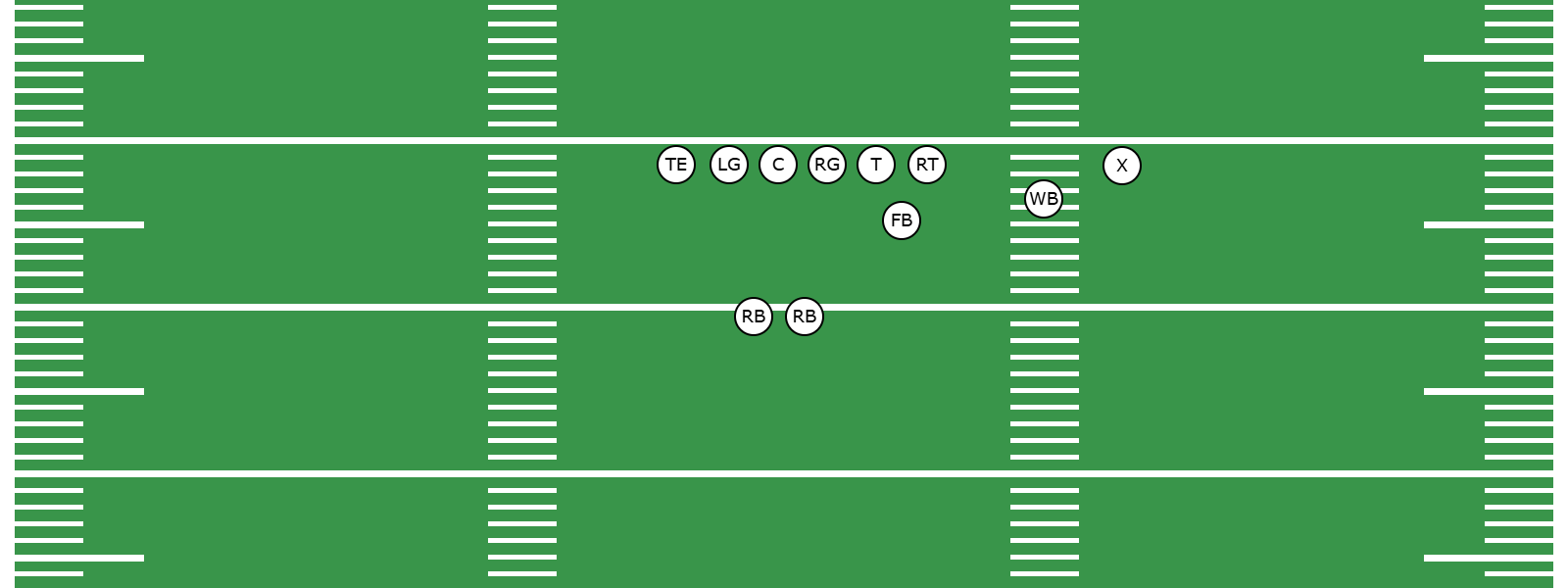
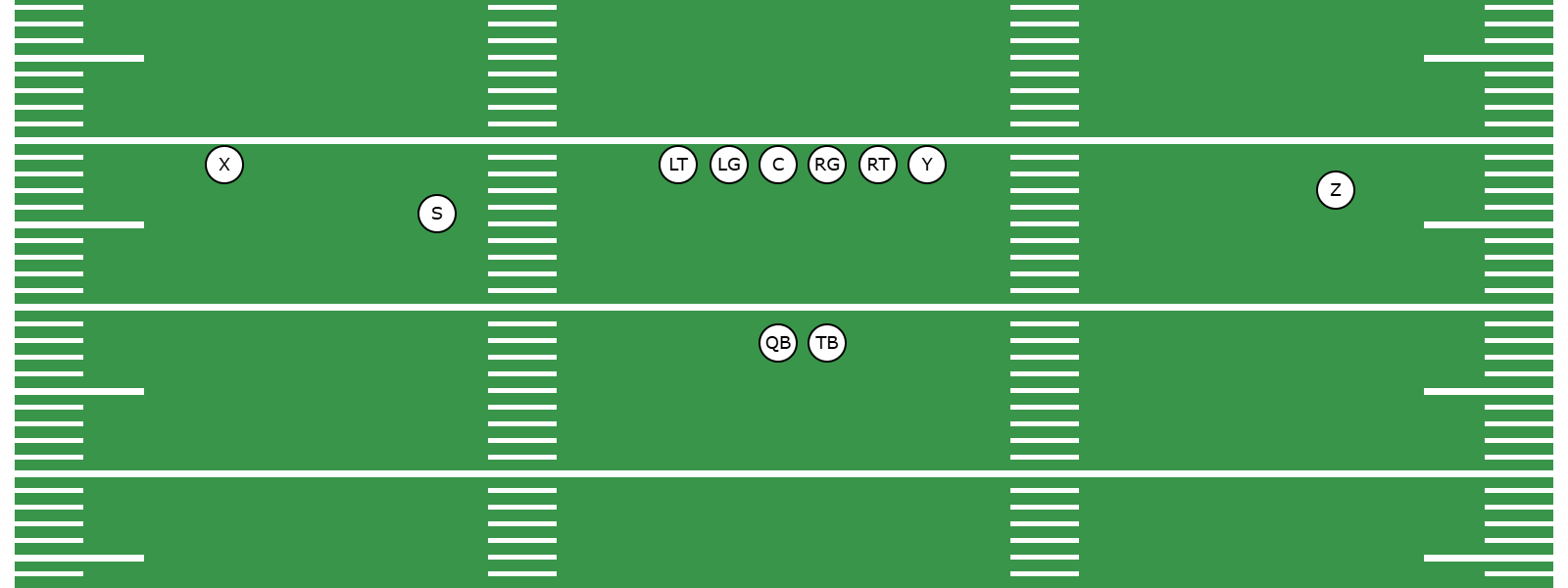
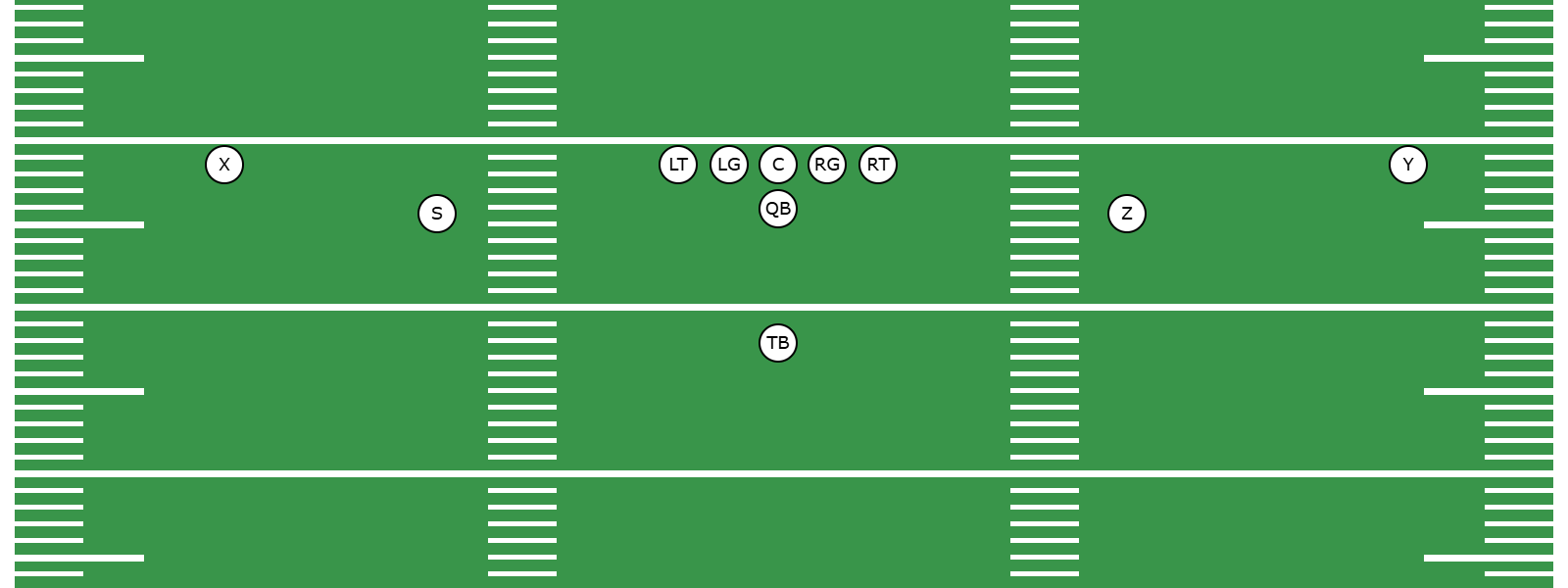
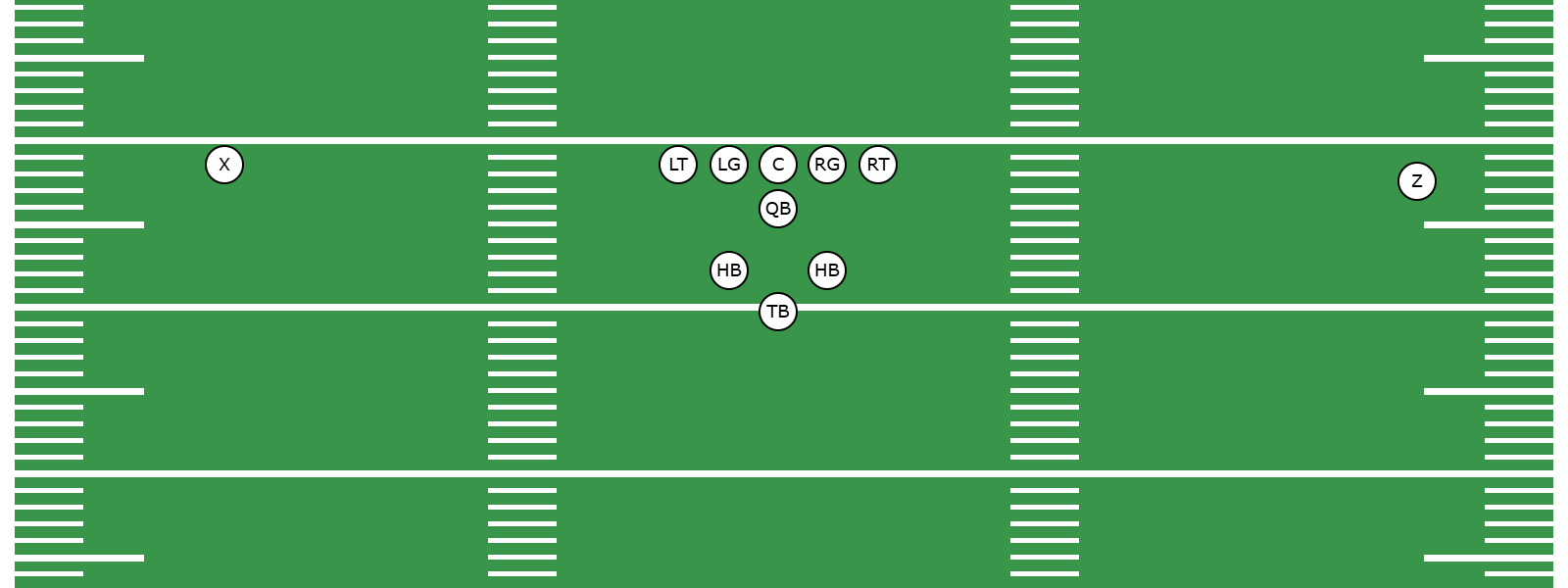
A typical Wildcat Formation includes:
- Direct-snap player aligned in shotgun depth
- Running back or motion player beside or behind the snap receiver
- Wide receivers based on the package
- Tight end or extra blocker depending on personnel
- Five offensive linemen
Try The Interactive Playbook Tool: Wildcat Formation
Draw your own Wildcat Formation play diagram right here using our embedded interactive play designer demo:
GET STARTED: To get started simply click on any of the player icons in the diagram.
Start drawing your own plays like this and build your playbook with CoachYouths Playbook Designer.
Strengths
- Puts the ball directly in the hands of a strong runner.
- Creates an extra rushing threat.
- Forces defenses to adjust quickly.
- Works well as a change-of-pace package.
- Can simplify the running game.
Weaknesses
- Passing threat may be limited.
- Requires a reliable direct snap.
- Can become predictable if overused.
- Depends heavily on the athleticism of the snap receiver.
Best Personnel
The Wildcat works best with a strong, confident ball carrier who can handle direct snaps, follow blocks, and make quick decisions. It also benefits from physical blockers and perimeter players willing to block.
Common Running Plays
- Power
- Counter
- Sweep
- Quarterback Power-style runs with the direct-snap player
Common Passing Concepts
- Play Action
- Quick Pop Pass
- Throwback Pass
- Screen
Defensive Matchups
The Wildcat can be effective against defenses that are not prepared for direct-snap rushing threats. It is especially useful when the defense has substitution or alignment issues.
Common Variations
Common variations include:
- Single Wing-style Wildcat
- Spread Wildcat
- Heavy Wildcat
- Jet Motion Wildcat
Ideal Situations
The Wildcat is a strong option for:
- Short-yardage situations.
- Goal-line offense.
- Change-of-pace packages.
- Teams with a standout athlete.
- Run-first offensive packages.
When NOT to Use This Formation
You may prefer another formation if your direct-snap player cannot reliably handle the snap or if the defense is loading the box and daring you to pass.
Youth Coaching Tips
Keep the Wildcat package small. Start with one or two core runs and make sure the snap, mesh, and blocking are reliable before adding deception or passing options.
Common Mistakes
- Using the Wildcat too often.
- Ignoring the passing threat entirely.
- Poor direct-snap execution.
- Asking the snap receiver to read too much too soon.
Frequently Asked Questions
Is the Wildcat Formation good for youth football?
Yes. It can be very effective when used simply and built around a reliable athlete who can handle direct snaps.
Is the Wildcat the same as the Single Wing?
No. They are related because both use direct-snap principles, but the Single Wing is a complete offensive system while the Wildcat is often used as a package.
Does the Wildcat need a quarterback?
Not always. Many Wildcat packages remove the traditional quarterback from the main ball-handling role.
Coach’s Checklist
Before installing the Wildcat, ask yourself:
- □ Do I have a reliable direct-snap player?
- □ Can my center deliver consistent snaps?
- □ Do I have strong perimeter blockers?
- □ Is this a package, not my entire offense?
- □ Do I have at least one complementary constraint play?
Key Takeaways
- The Wildcat Formation uses a direct snap to create an immediate rushing threat.
- It works best as a change-up package or short-yardage tool.
- It is closely related to older direct-snap offenses such as the Single Wing.
- Success depends on snap reliability, blocking, and disciplined play design.
The best way to truly understand a formation is to build it, experiment with it, and see how small alignment changes affect your offense. Open this formation in Football Playbook Designer to customize it for your own team.
Related Articles
Published by CoachYouths Staff on 07/13/2026
You are NOT currently logged in, you may login or signup for FREE at any time: