Spacing Passing Concept
The Spacing concept is built around creating evenly distributed receiving options that force underneath defenders to cover more grass than they comfortably can. It gives quarterbacks simple rhythm throws while teaching receivers how to settle in open windows instead of running into coverage.
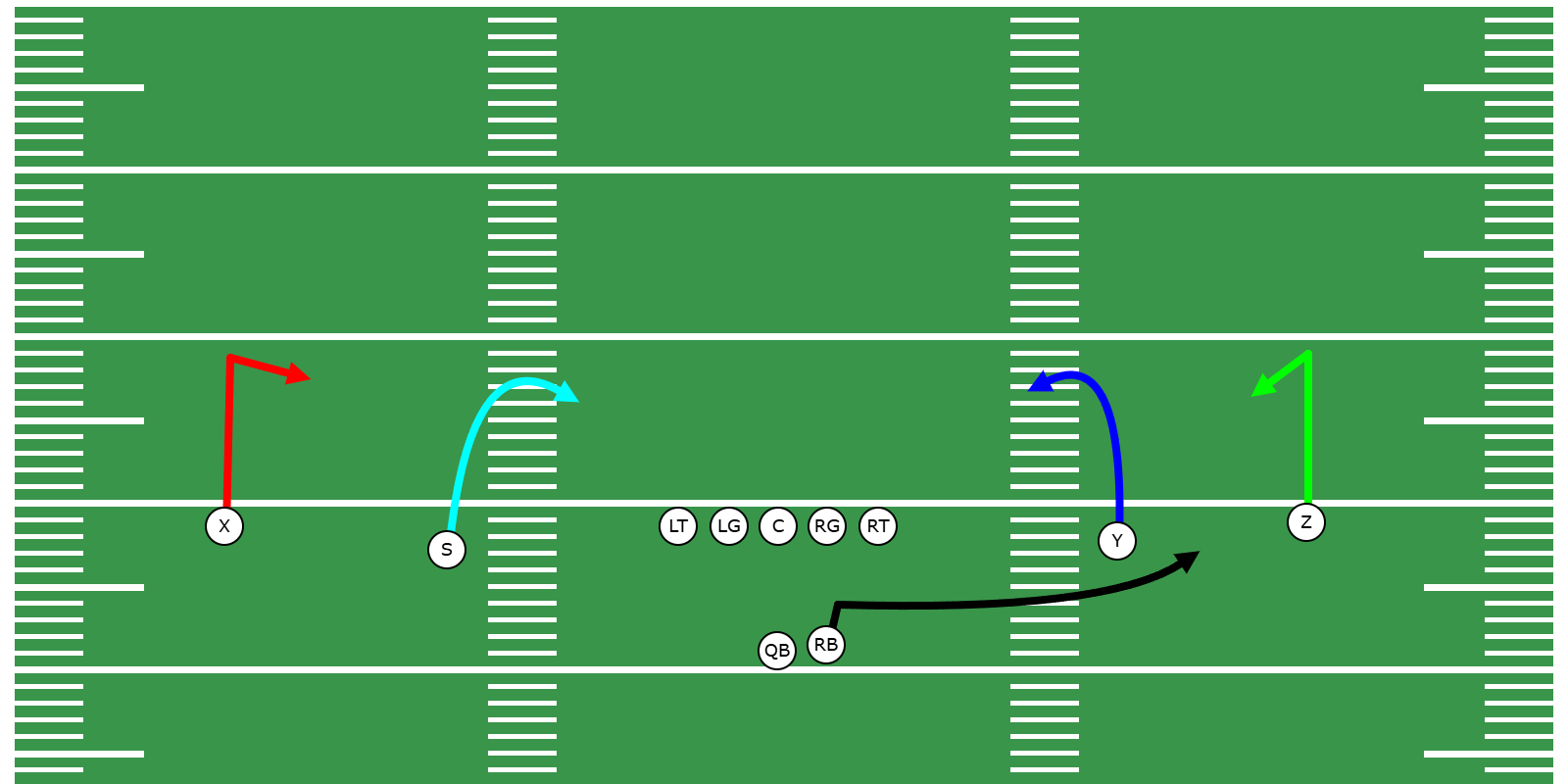
Why Spacing Works
Rather than attacking one defender with two routes, Spacing attacks an entire underneath zone with three or more receivers positioned at complementary depths and widths. Defenders are forced to widen, opening easy completions.
Best Formations
Spread and Empty formations naturally maximize receiver spacing, making landmarks easier to teach and reads easier for young quarterbacks.
Personnel
10 Personnel is ideal, but 11 Personnel works equally well by using the running back as the inside outlet.
Try The Interactive Playbook Tool: Spacing Passing Concept
Draw your own Spacing Passing Concept concept based play diagram right here using our embedded interactive play designer demo:
GET STARTED: To get started simply click on any of the player icons in the diagram.
Start drawing your own plays like this and build your playbook with CoachYouths Playbook Designer.
Route Responsibilities
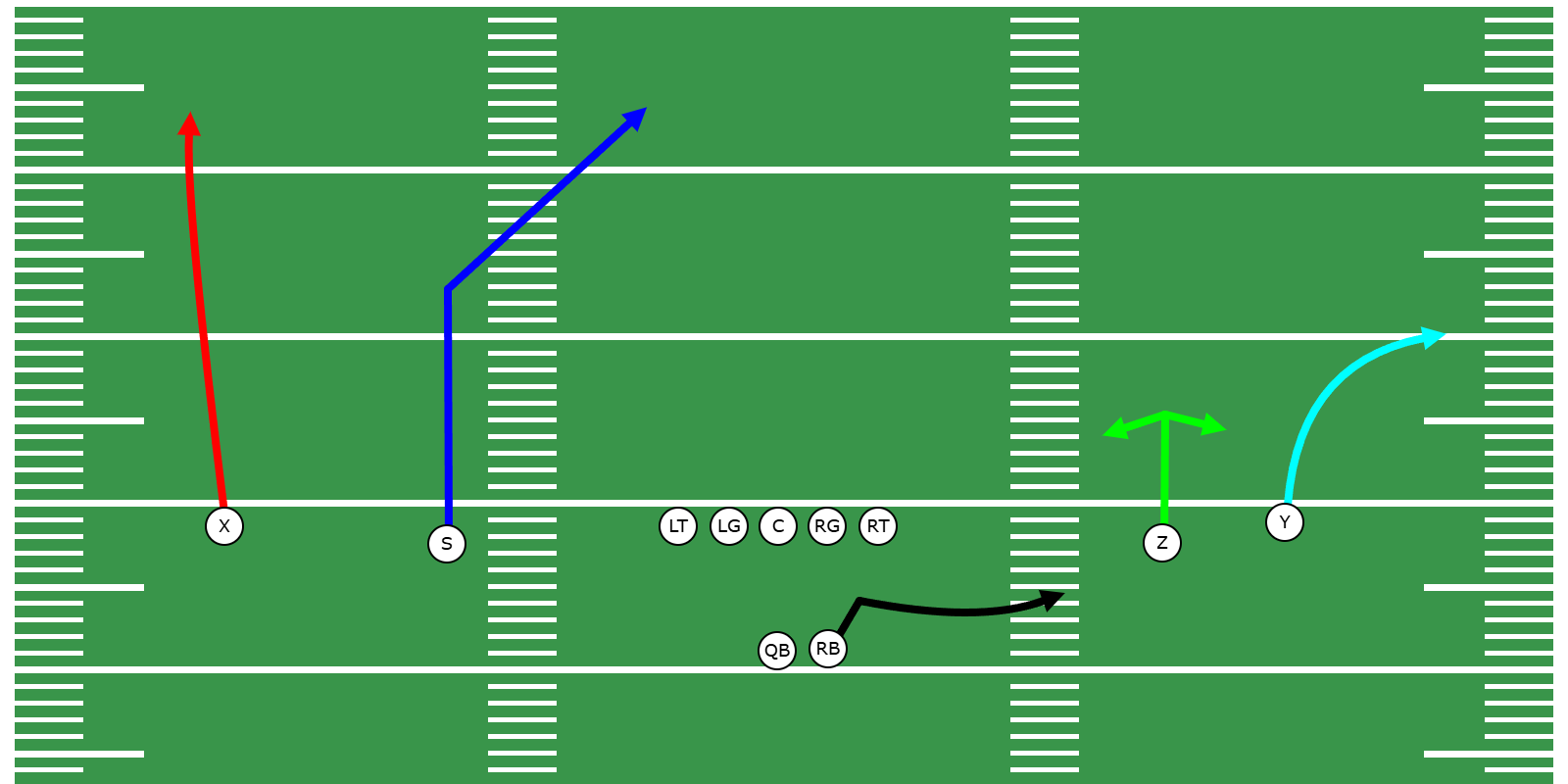
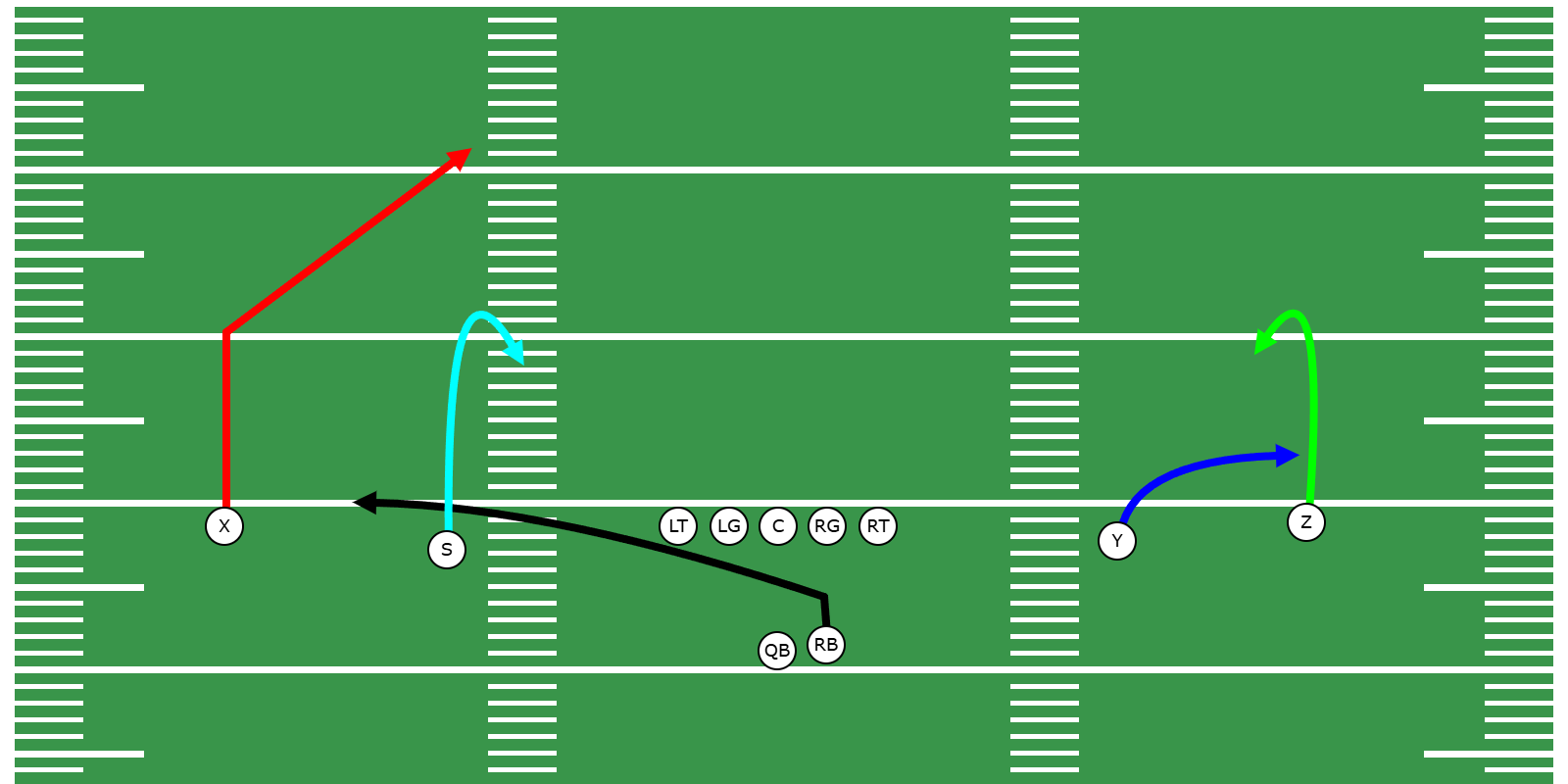
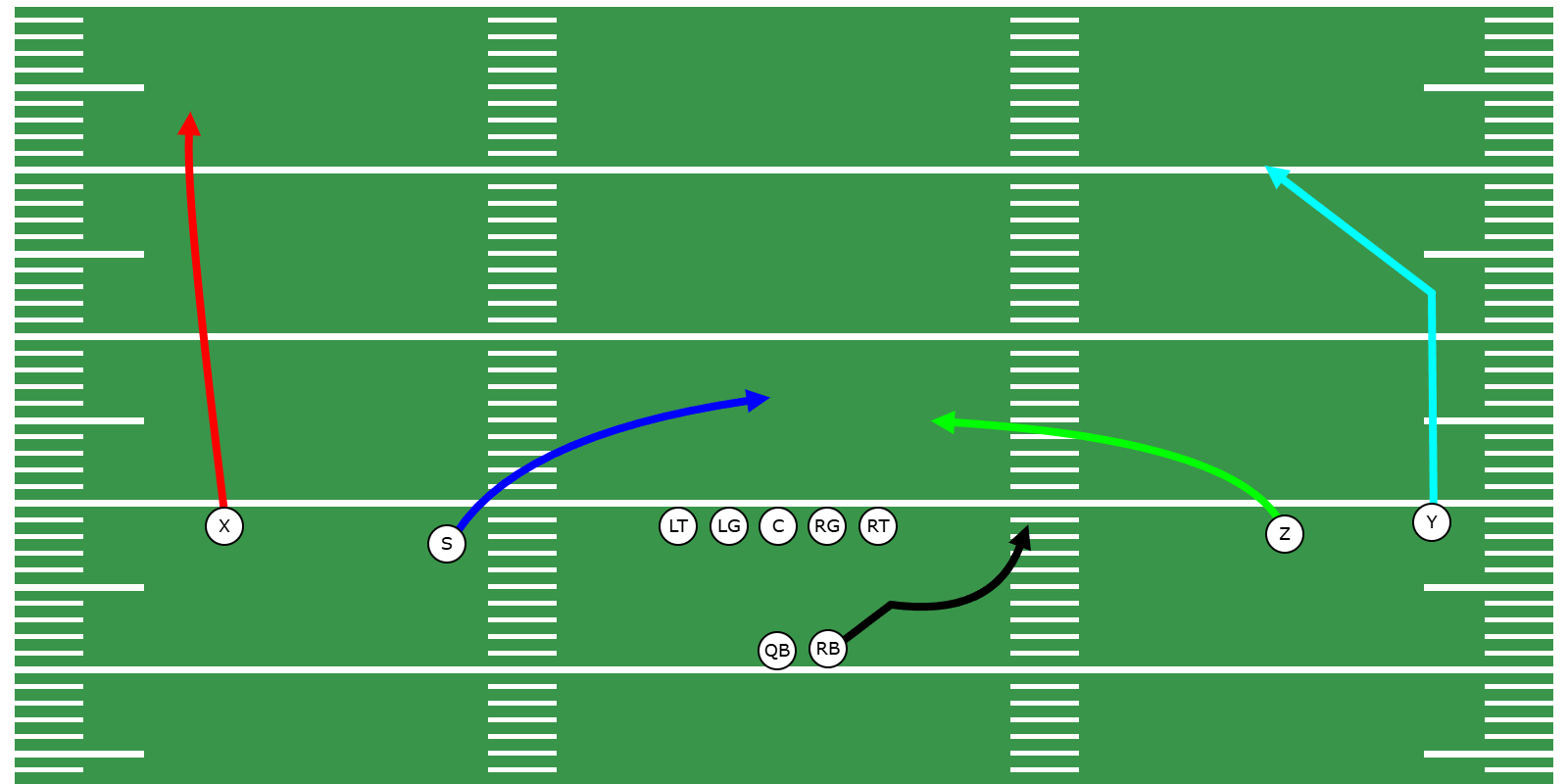
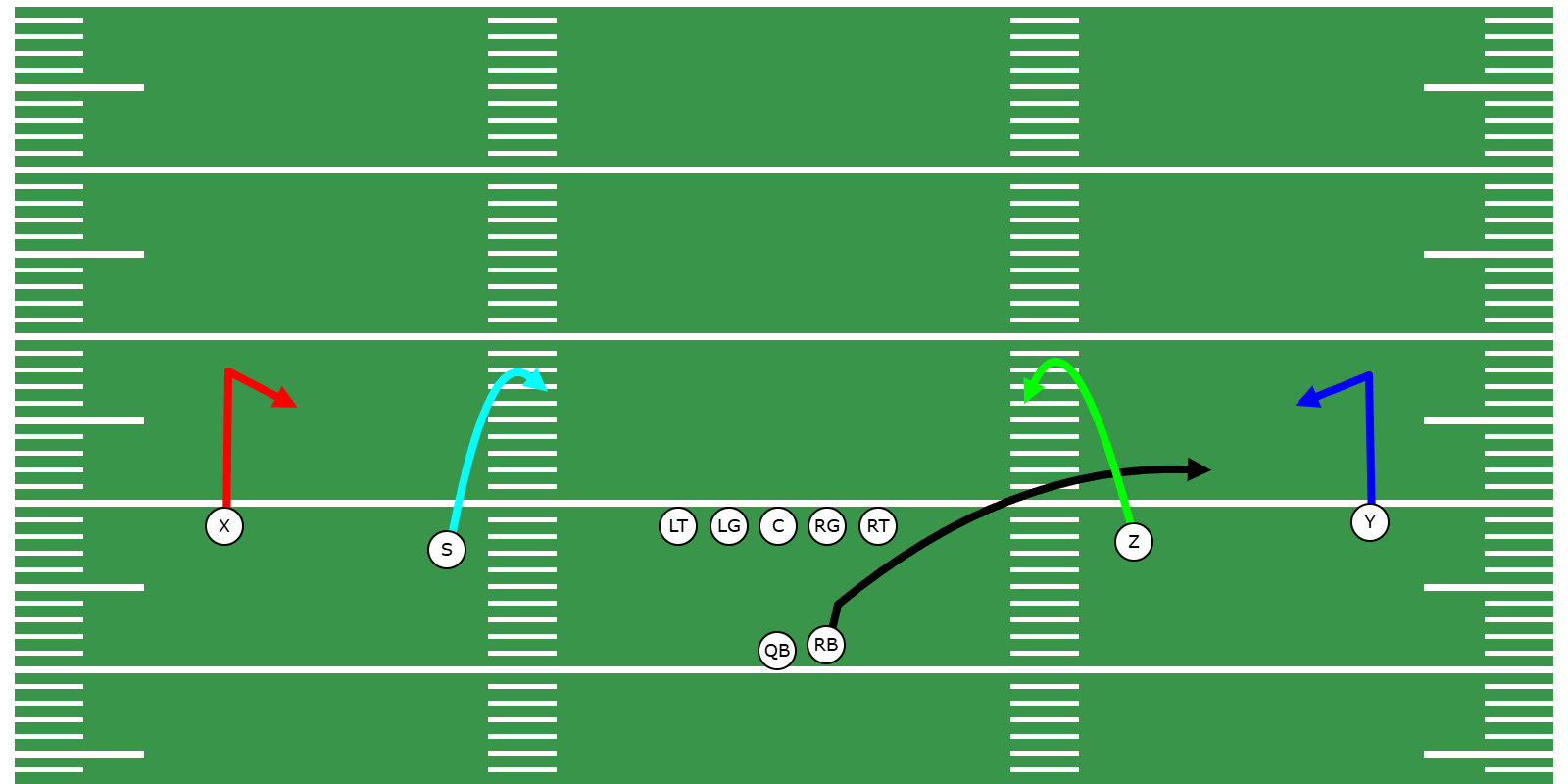
- Outside receivers: Hitch or quick stop routes working back to the quarterback.
- Slot receivers: Sit or hook routes settling between linebackers.
- Running back: Swing or check-down route underneath.
- Backside receiver: Maintain spacing with a complementary hitch or shallow route.
Quarterback Progression
- Identify the leverage of underneath defenders.
- Throw to the first receiver settling in open space.
- Move immediately to the next window if covered.
- Finish with the outlet instead of forcing the throw.
Coverage Adjustments
Cover 2
Find openings between linebackers and cornerbacks.
Cover 3
Work underneath the hook defenders with patience.
Man Coverage
Expect receivers to continue moving rather than settling.
Quarters
Take efficient completions and avoid challenging deep leverage unnecessarily.
Coaching Points
- Teach landmarks, not wandering.
- Receivers should stop only when uncovered.
- Quarterbacks should throw on rhythm.
- Maintain equal spacing between routes throughout the concept.
Common Youth Mistakes
- Receivers bunching together.
- Sitting directly beside defenders.
- Quarterbacks waiting too long.
- Running backs releasing before checking protection.
Installation Progression
Install landmarks first, then route timing, followed by quarterback progression before advancing to 7-on-7 and full-team practice.
Practice Drill
Place cones at receiver landmarks and have defenders rotate through underneath zones while quarterbacks identify the first open window every repetition.
Youth Coaching Tips
Encourage players to understand why spacing matters. When every receiver occupies different grass, the quarterback rarely needs a difficult throw.
Why Spacing Succeeds
Spacing succeeds because disciplined route distribution creates simple, repeatable completions that keep the offense on schedule and force defenses to defend the entire underneath field.
Published by CoachYouths Staff on 07/21/2026
You are NOT currently logged in, you may login or signup for FREE at any time: