Slant Passing Concept
The Slant is one of the quickest and most dependable passing routes in football. It gives quarterbacks a fast rhythm throw while teaching receivers how to attack defensive leverage with disciplined footwork. Although simple on paper, a properly executed slant requires precise timing, decisive cuts, and trust between the quarterback and receiver.
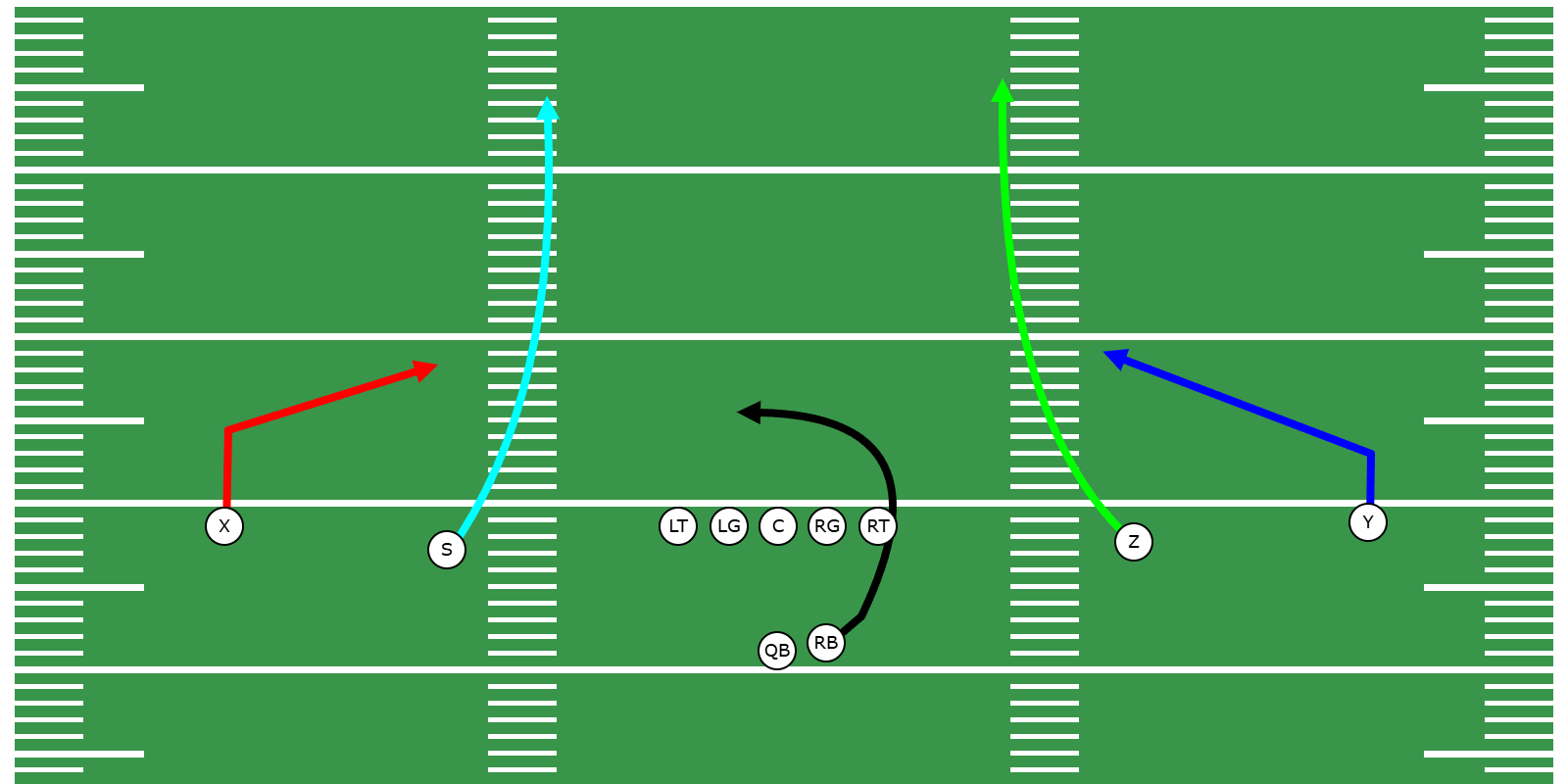
Why Slant Works
The slant attacks the area vacated when defensive backs protect the outside or retreat to defend vertical routes. By driving vertically before making a sharp inside break, the receiver forces the defender to commit his hips before cutting underneath. The quarterback delivers the ball as the receiver comes out of the break, creating a completion before the pass rush develops.
Best Formations
Spread and Doubles formations naturally isolate outside receivers and provide clean throwing lanes. Shotgun variations simplify timing for younger quarterbacks and improve visibility across the formation.
Personnel
10 Personnel and 11 Personnel both execute the Slant effectively. Quick, disciplined receivers often have greater success than simply faster athletes because route timing is more important than pure speed.
Try The Interactive Playbook Tool: Slant Passing Concept
Draw your own Slant Passing Concept concept based play diagram right here using our embedded interactive play designer demo:
GET STARTED: To get started simply click on any of the player icons in the diagram.
Start drawing your own plays like this and build your playbook with CoachYouths Playbook Designer.
Route Responsibilities
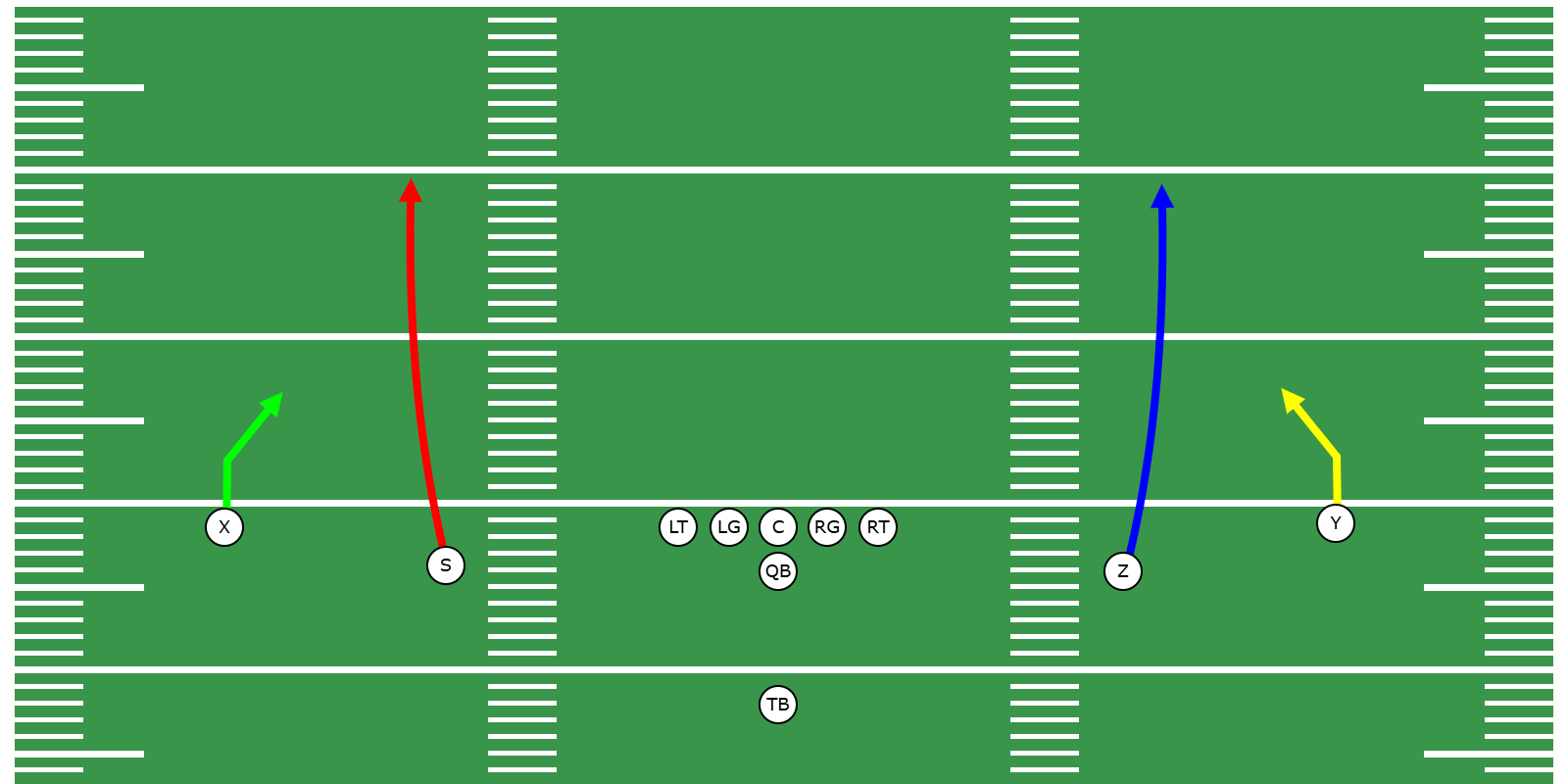
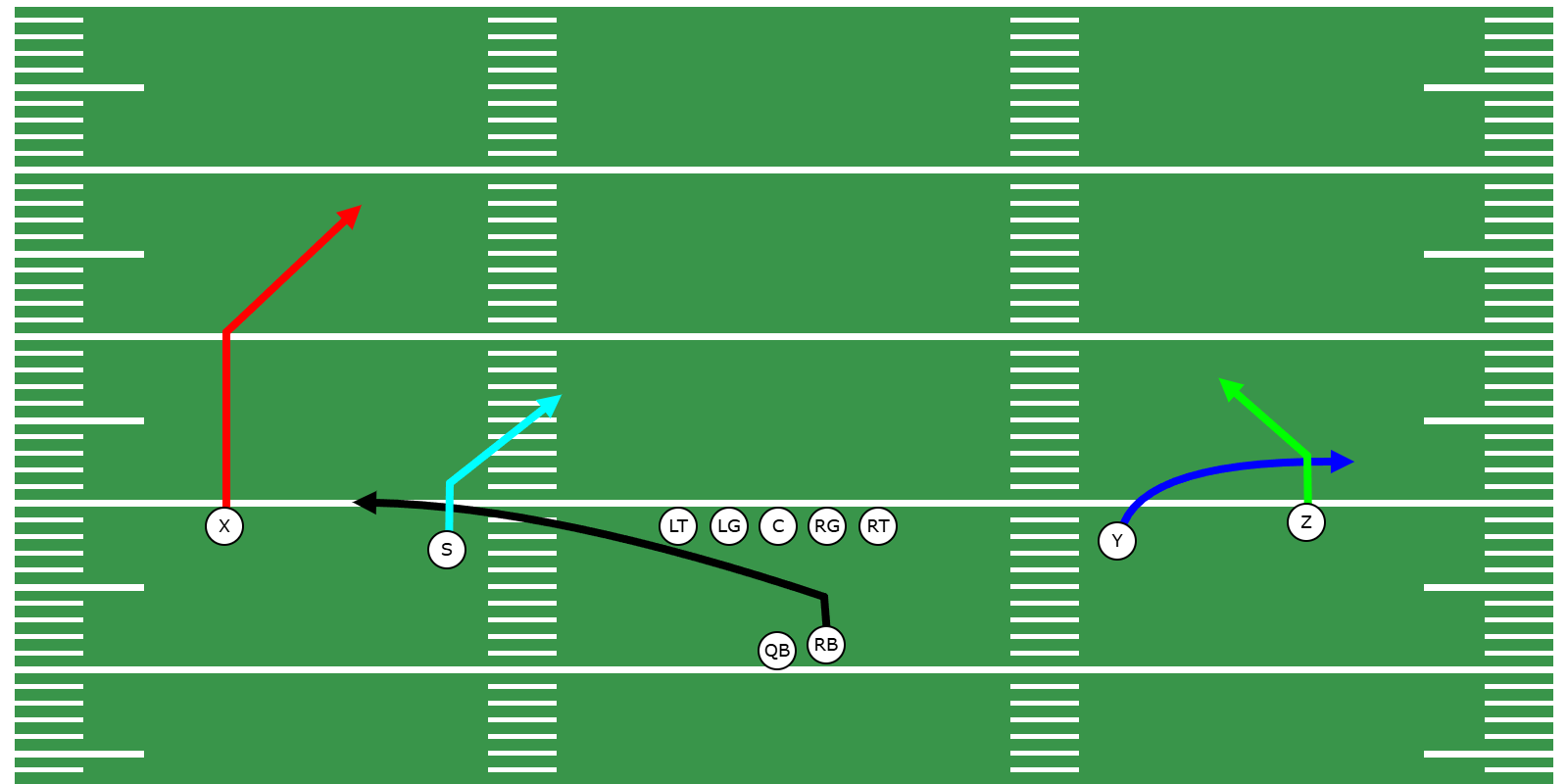
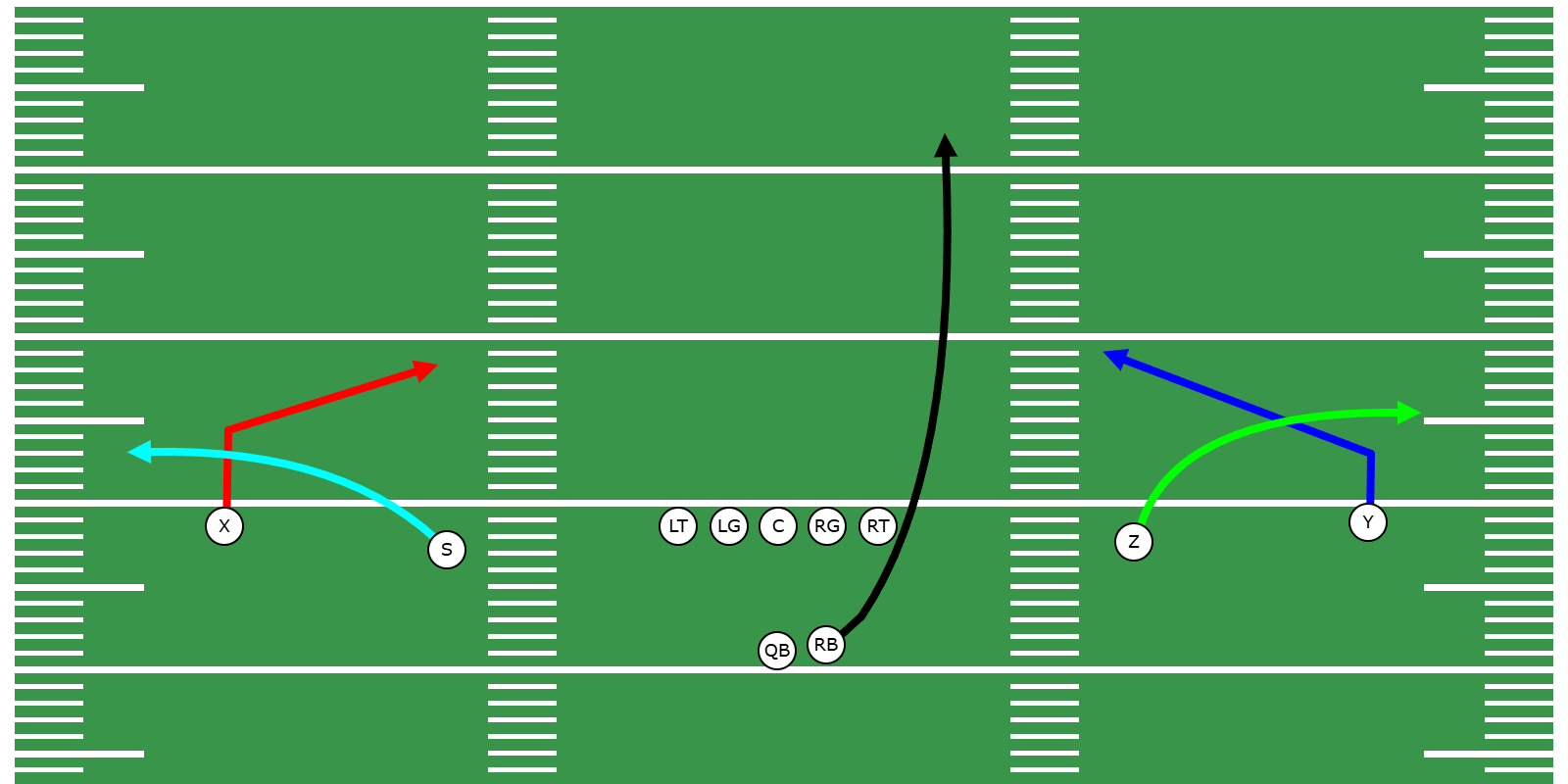
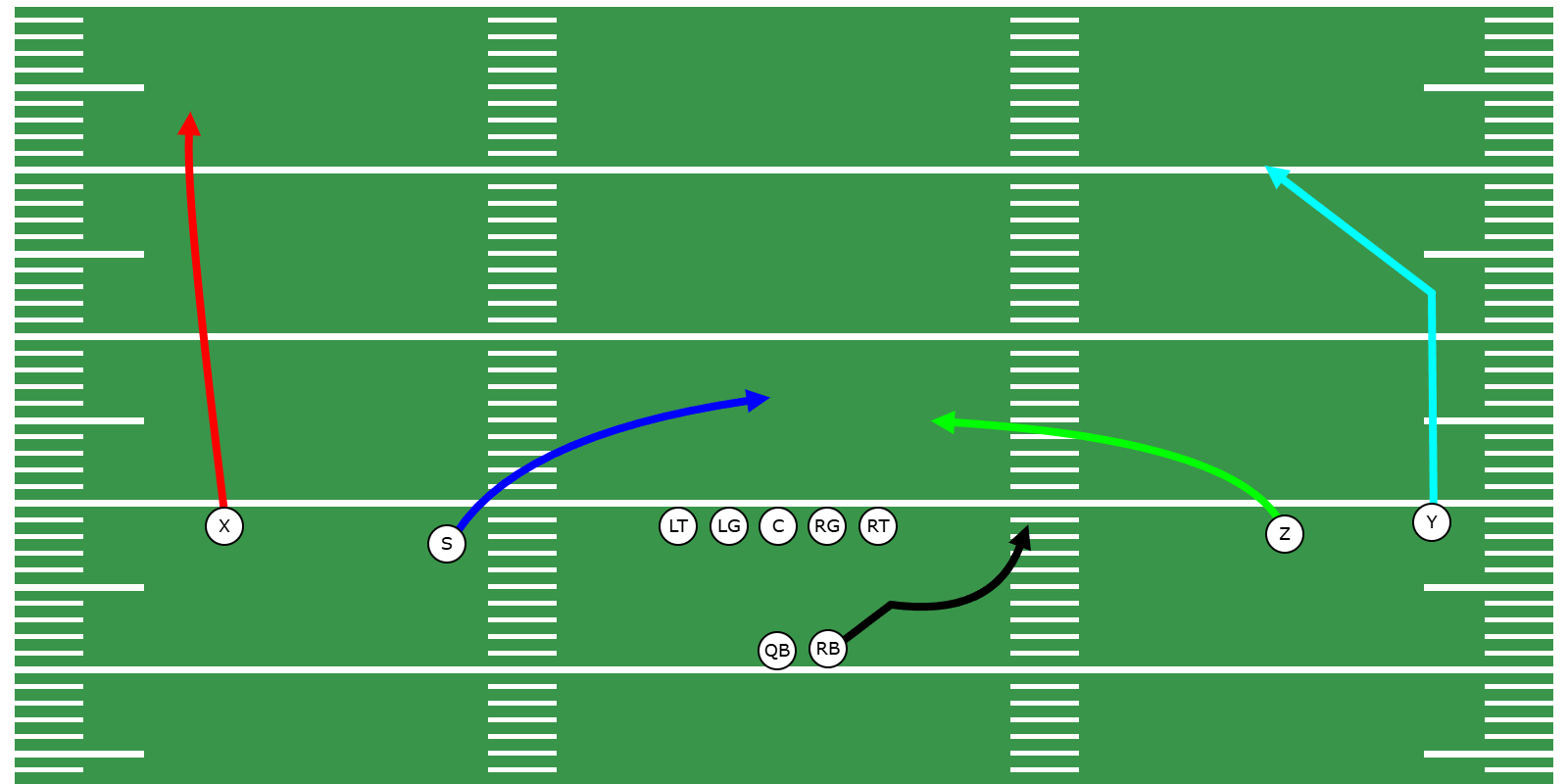
- Outside receiver: Vertical release for three to five steps before making one sharp inside break.
- Slot receiver: Complementary route that removes underneath defenders.
- Running back: Check protection before releasing as the outlet.
- Backside receiver: Hitch, slant, or vertical route depending on the overall concept.
Quarterback Progression
- Identify defensive leverage before the snap.
- Confirm the defender’s hips after the snap.
- Throw before the receiver finishes the break.
- Lead the receiver away from trailing defenders.
- Progress elsewhere immediately if the window closes.
Coverage Adjustments
Cover 2
Attack behind the cornerback and in front of the safety.
Cover 3
Look for inside leverage underneath the hook defenders.
Man Coverage
Throw on anticipation and allow the receiver to run through the catch.
Quarters
Accept the slant only when leverage clearly favors the offense.
Coaching Points
- Sell the vertical release every play.
- Make one decisive cut.
- Keep shoulders low through the break.
- Quarterbacks should throw on rhythm instead of waiting for separation.
Common Youth Mistakes
- Rounded breaks.
- Looking for the football before completing the cut.
- Quarterbacks throwing late.
- Receivers drifting upfield after the break.
Installation Progression
Teach releases first, then route breaks, then quarterback timing before progressing through routes on air, one-on-ones, 7-on-7, and team periods.
Practice Drill
Run repeated one-on-one slant drills against press and off coverage, emphasizing leverage, footwork, timing, and catching the ball while accelerating through the break.
Youth Coaching Tips
Teach receivers to think “vertical first, slant second.” Most failed slants occur because young players cut too early and never threaten the defender vertically.
Why Slant Succeeds
The Slant succeeds because it creates a fast, high-percentage completion while forcing defenders to defend both the vertical release and the inside break.
Related Articles
Published by CoachYouths Staff on 07/21/2026
You are NOT currently logged in, you may login or signup for FREE at any time: