Divide Passing Concept
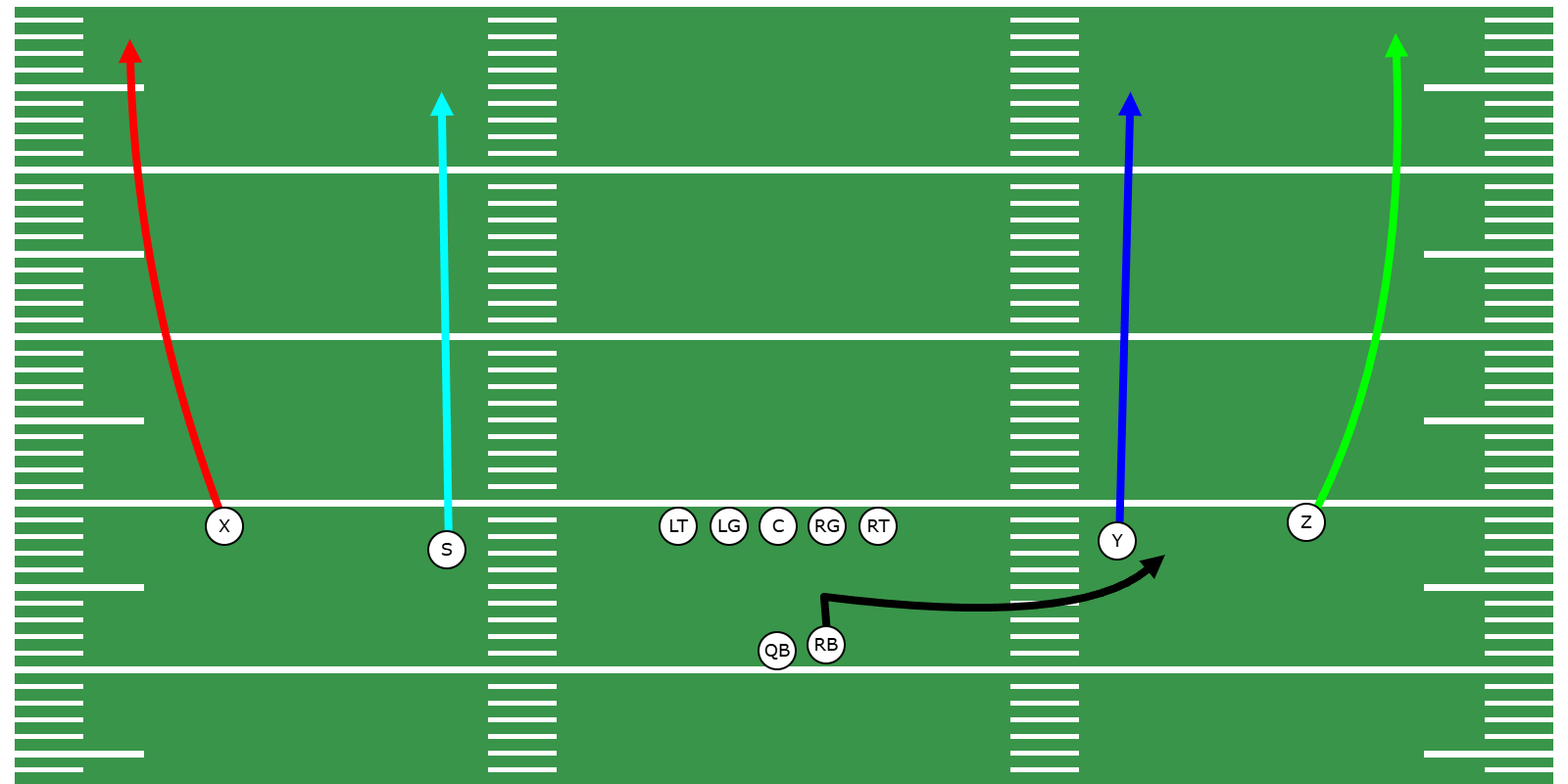
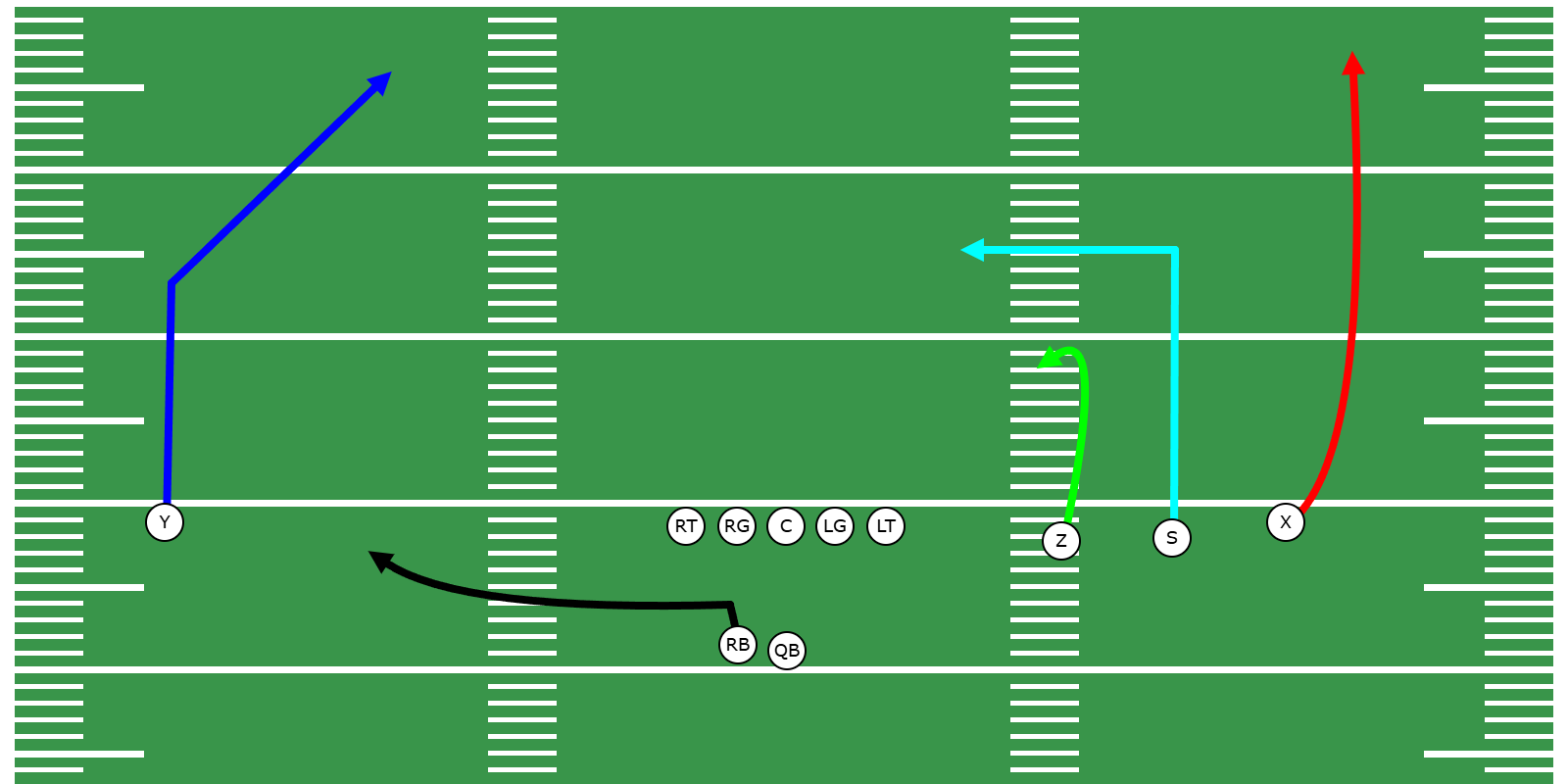
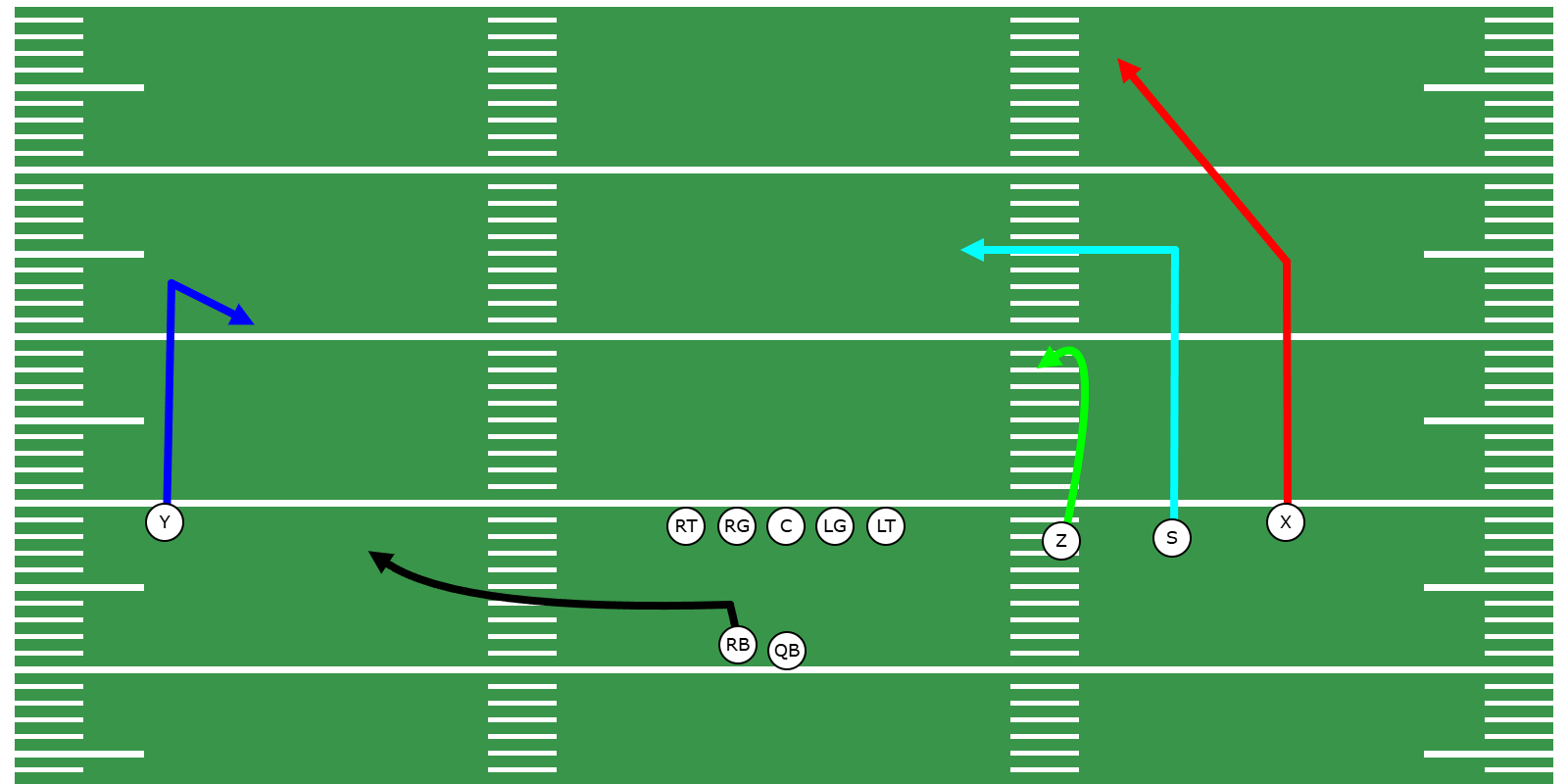
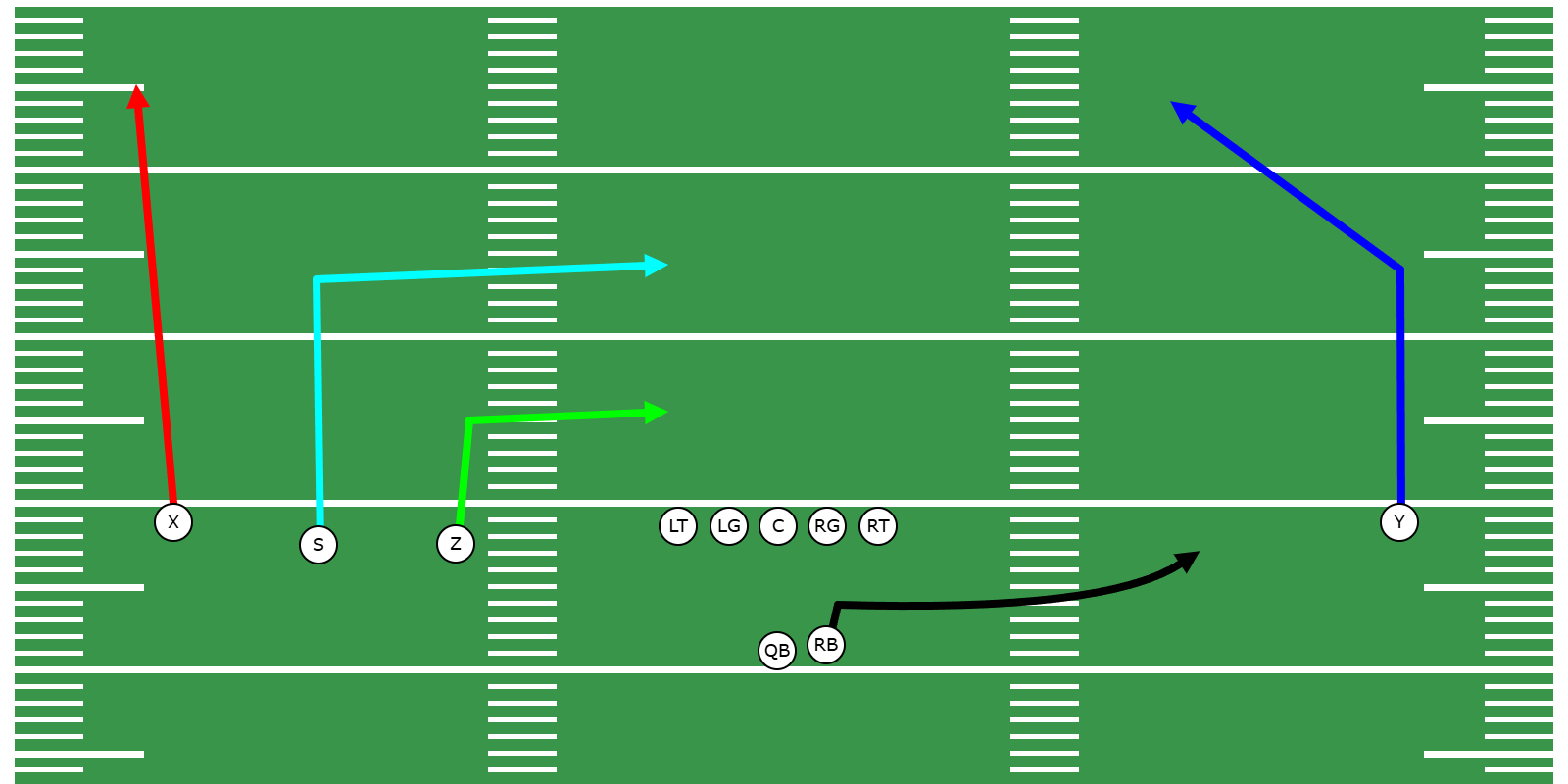
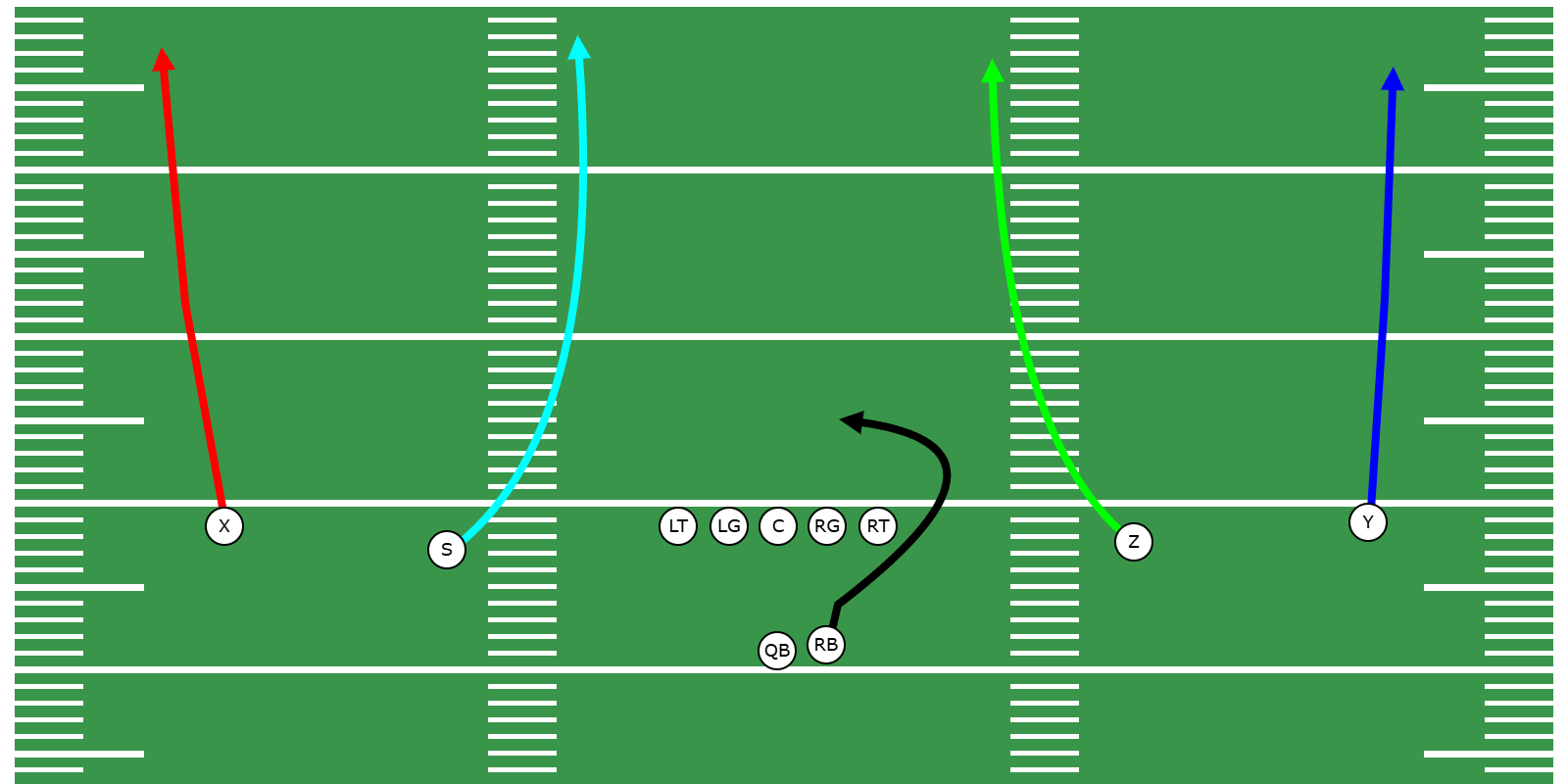
Divide is a vertical passing concept designed to attack the seams between deep defenders. Rather than simply sending receivers deep, the concept teaches receivers to “divide” the safeties by attacking the open space between them. It is an outstanding concept for teaching quarterbacks how to read safety leverage and deliver the football into windows before they fully develop.
Why Divide Works
Most zone coverages rely on safeties working together to eliminate deep throws. Divide intentionally stresses that relationship by placing vertical threats directly between them. If the safeties widen, inside seams open. If they squeeze the seams, outside vertical routes gain leverage.
Best Formations
Spread and Empty formations naturally maximize horizontal spacing, creating wider seams for receivers to attack. Trips formations also create favorable matchups by forcing safeties to communicate before the snap.
Personnel
10 Personnel provides maximum spacing, while 11 Personnel offers the flexibility of using an athletic tight end to attack the seam. Receivers who track the football well are particularly effective in this concept.
Try The Interactive Playbook Tool: Divide Passing Concept
Draw your own Divide Passing Concept concept based play diagram right here using our embedded interactive play designer demo:
GET STARTED: To get started simply click on any of the player icons in the diagram.
Start drawing your own plays like this and build your playbook with CoachYouths Playbook Designer.
Route Responsibilities
- Outside receivers: Vertical releases maintaining outside leverage.
- Inside receivers: Seam routes attacking the space between the safeties.
- Running back: Check protection before releasing underneath as the safety valve.
- Every receiver must maintain spacing and avoid drifting toward another vertical route.
Quarterback Progression
- Identify one-high or two-high safety structure before the snap.
- Confirm safety rotation immediately after the snap.
- Read the inside seam first against split-safety looks.
- Progress outside if a safety collapses inside.
- Take the underneath outlet when deep leverage never develops.
Coverage Adjustments
Cover 2
Attack the seams between the cornerbacks and safeties before the safeties can close the window.
Cover 3
Outside verticals often gain favorable leverage if the middle safety protects the seam.
Quarters
Read both safeties carefully and throw only when a receiver clearly wins leverage.
Man Coverage
Trust receiver releases and throw with anticipation before obvious separation occurs.
Coaching Points
- Every vertical stem should look identical through the first ten yards.
- Seam receivers should attack landmarks, not defenders.
- Quarterbacks must move safeties with their eyes whenever possible.
- Throw with anticipation instead of waiting for receivers to become wide open.
Common Youth Mistakes
- Seam routes drifting toward the hash marks.
- Receivers bunching together downfield.
- Quarterbacks staring at one seam.
- Holding the football after the read is complete.
Installation Progression
Teach vertical stems first, then seam landmarks, followed by quarterback safety reads. Progress from routes on air to 7-on-7 before finishing with full-team repetitions against multiple coverage rotations.
Practice Drill
Use two coaches as rotating safeties. Change their alignment after the snap and require quarterbacks to identify the correct seam or outside vertical based on leverage before releasing the football.
Youth Coaching Tips
Do not rush into full-field safety reads. Teach young quarterbacks to recognize one-high versus two-high shells first, then gradually introduce post-snap rotations as their confidence improves.
Why Divide Succeeds
Divide succeeds because it forces safeties to defend more vertical space than they comfortably can, creating explosive opportunities when quarterbacks trust their progression and receivers maintain disciplined spacing.
Published by CoachYouths Staff on 07/21/2026
You are NOT currently logged in, you may login or signup for FREE at any time: