Dig Passing Concept
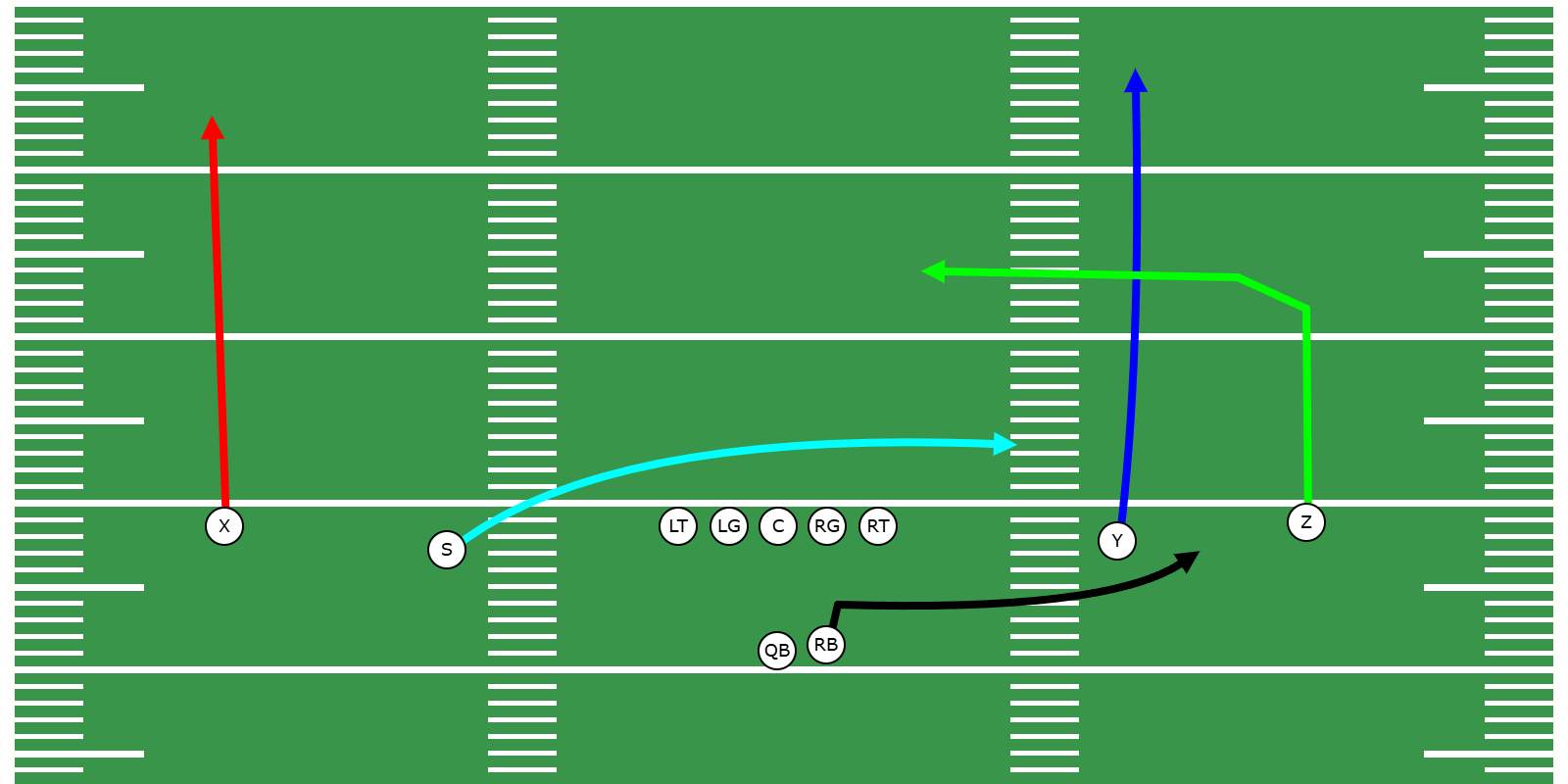
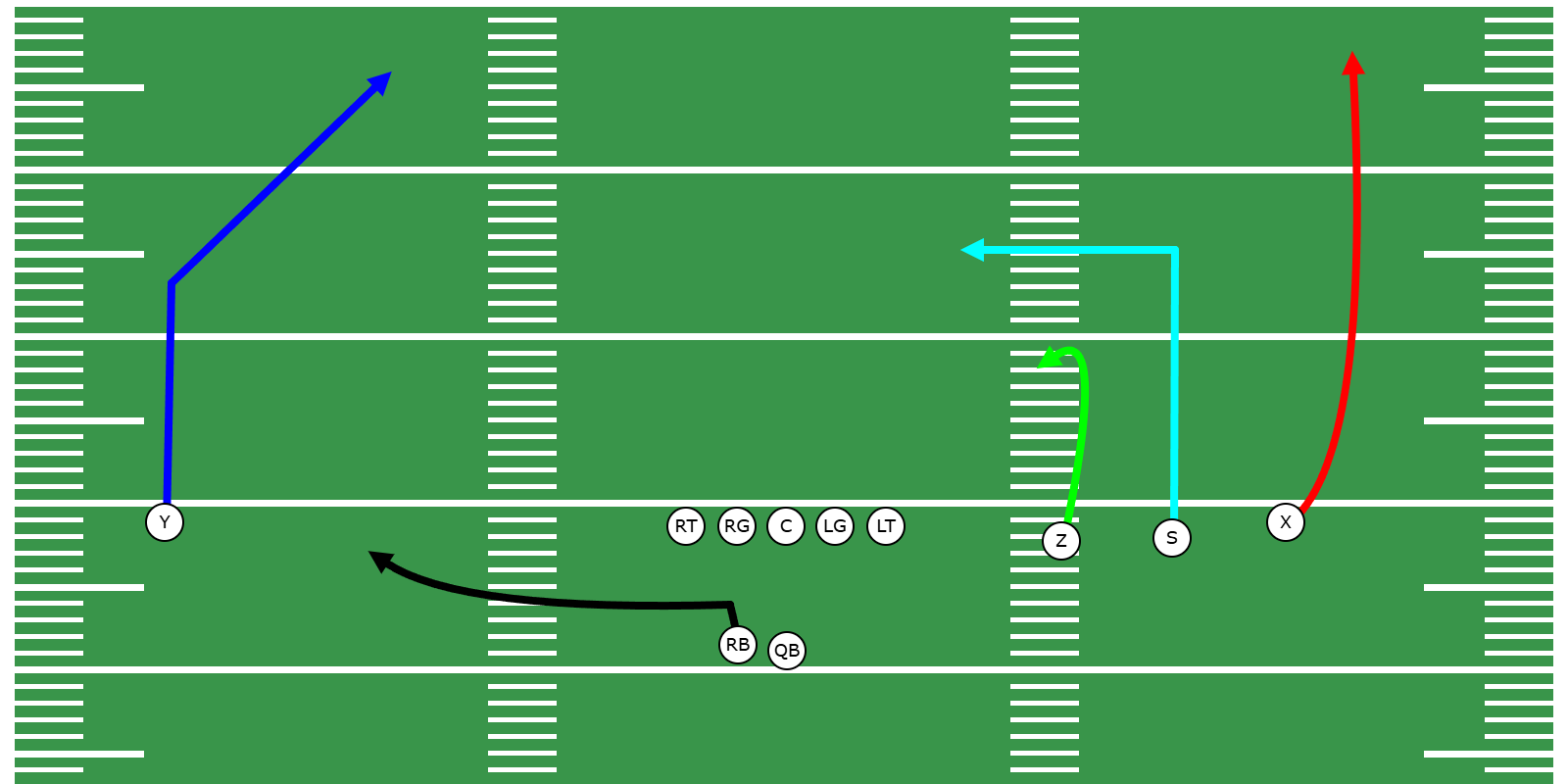
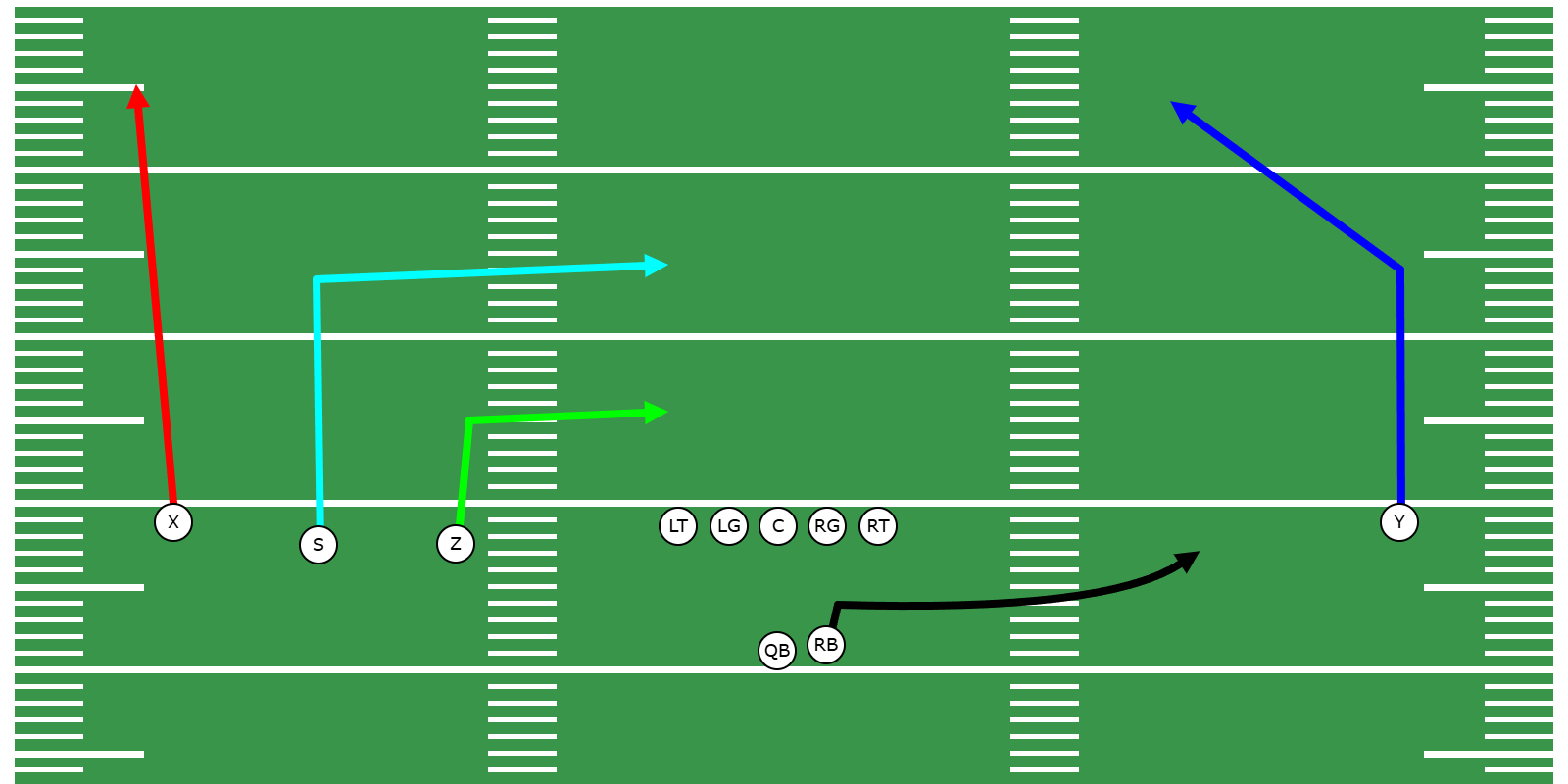
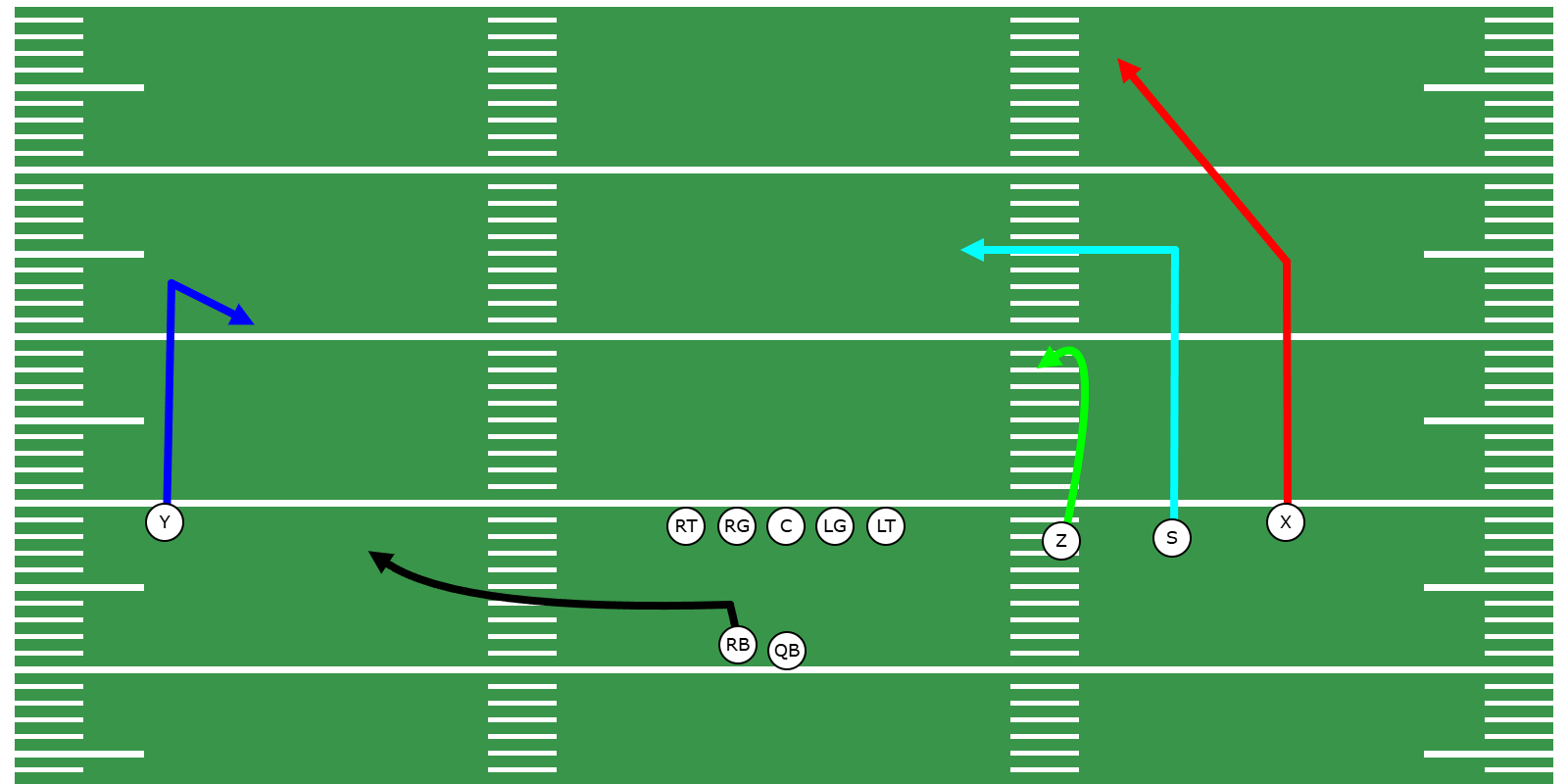
The Dig concept is built around an intermediate in-breaking route that attacks the space behind the linebackers and in front of the safeties. It is one of the most dependable chain-moving concepts in football because it combines disciplined route running with a quarterback progression that creates high-percentage throws against a variety of coverages.
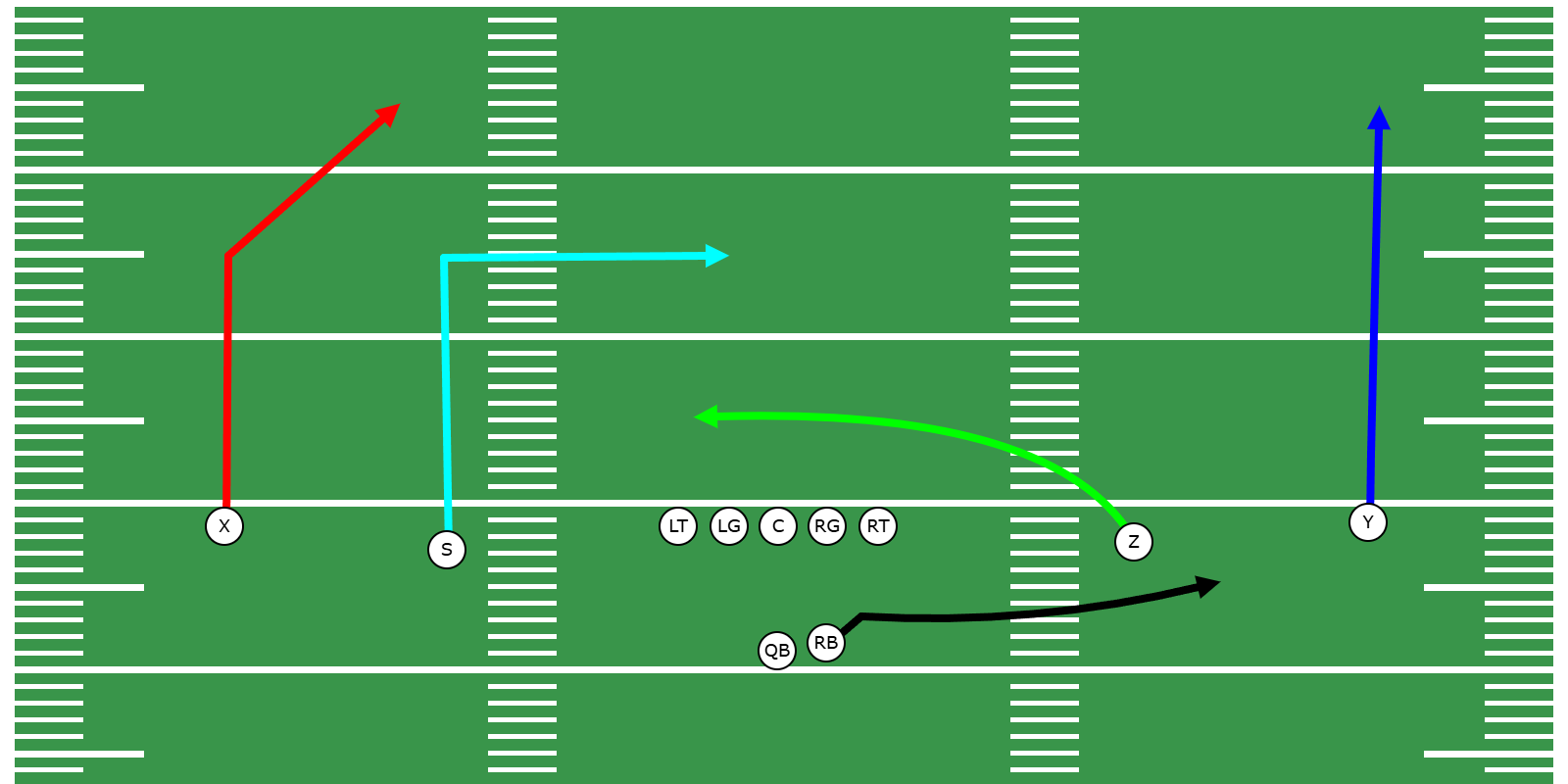
Why Dig Works
The Dig route threatens defenders vertically before breaking flat across the middle of the field. Linebackers are forced to respect shallow routes and play-action, while safeties must honor deeper vertical threats. The result is a passing window that appears briefly but consistently when timing is correct.
Best Formations
Spread and Trips formations provide excellent spacing for the Dig route while allowing complementary vertical routes to clear deep coverage. Shotgun alignments also help younger quarterbacks maintain consistent timing.
Personnel
11 Personnel is an excellent starting point because a tight end or slot receiver often excels on the Dig route. The concept also adapts well to 10 Personnel with additional receiver spacing.
Try The Interactive Playbook Tool: Dig Passing Concept
Draw your own Dig Passing Concept concept based play diagram right here using our embedded interactive play designer demo:
GET STARTED: To get started simply click on any of the player icons in the diagram.
Start drawing your own plays like this and build your playbook with CoachYouths Playbook Designer.
Route Responsibilities
- Primary receiver: Vertical stem to 10–15 yards before making a flat 90-degree break across the field.
- Outside receiver: Vertical clear, post, or fade to occupy deep coverage.
- Underneath receiver: Shallow route or check release to influence linebackers.
- Running back: Protect first before releasing as the final outlet.
Quarterback Progression
- Identify the safety shell before the snap.
- Confirm linebacker depth immediately after the snap.
- Read the Dig route as it enters the throwing window.
- Progress to the underneath outlet if linebackers remain underneath the Dig.
- Never force the throw after the window closes.
Coverage Adjustments
Cover 2
Attack between the linebackers and safeties.
Cover 3
Allow the Dig to cross behind the hook defenders before throwing.
Man Coverage
Lead the receiver across the field away from trailing coverage.
Quarters
Be patient and take the Dig only when safeties remain occupied by vertical routes.
Coaching Points
- The receiver must reach full depth before breaking.
- Break flat across the field without drifting upfield.
- Quarterbacks should throw with anticipation, not after the receiver is open.
- Vertical routes must be run at full speed to create space.
Common Youth Mistakes
- Dig routes breaking too early.
- Rounded cuts instead of sharp 90-degree breaks.
- Quarterbacks staring at the Dig route.
- Receivers slowing before reaching their landmark.
Installation Progression
Teach the stem, then the break, then combine the Dig with complementary vertical routes. Progress through routes on air, 7-on-7, and full-speed team periods while emphasizing timing and route depth.
Practice Drill
Use two linebackers and a deep safety. Rotate their drops after the snap while quarterbacks learn to identify the Dig window and deliver the football before it closes.
Youth Coaching Tips
Many young receivers naturally drift upfield after breaking inside. Reinforce a flat break every practice and use cones to establish precise landmarks until the route becomes automatic.
Why Dig Succeeds
The Dig succeeds because it consistently attacks one of the most difficult areas of the field for zone defenders to protect while giving quarterbacks a reliable intermediate completion.
Published by CoachYouths Staff on 07/21/2026
You are NOT currently logged in, you may login or signup for FREE at any time: